
The morning mist was clinging to the ruins of Greyabbey Abbey when I spotted the hedgerows glowing with a deep, vibrant crimson. It is that fleeting moment in November where the world seems to dim, yet the rosehips—the fruits of the summer rose—stand out like little lanterns of resilience. There is something profoundly heartening about the way nature stores the summer sun within these tart, ruby-red vessels just as we need it most. In my clinic at The Wild Sage, I often see clients feeling the weight of the encroaching dark, looking for a way to nurture their spirits and bodies. While many reach for synthetic supplements, I find myself reaching for the rosehip (Rosa canina), a plant that has been a quiet companion to our ancestors for generations. Rosehips are an extraordinary source of vitamin C, traditionally valued for their ability to support the body’s natural defences when the seasons begin to turn. ### Why Rosehips Matter Now When the air turns sharp and damp, our bodies require a little extra kindness. Rosehips have been traditionally used to support immune resilience, and their high antioxidant profile makes them a wonderful ally for general vitality. I have found that a simple rosehip infusion can be a grounding ritual, helping us slow down as the year draws to a close. ### How to Bring Them Into Your Routine I prefer using them in a simple tea, as the warmth enhances their subtle, fruity notes. You can find dried rosehips in the shop, or if you are feeling industrious, harvest them from the hedgerows once the first frost has softened them, ensuring you stay away from busy roadsides. 1. The Afternoon Infusion: Steep two teaspoons of dried rosehips in boiling water for at least fifteen minutes. I always recommend covering your cup while it steeps to keep those volatile aromatic compounds from escaping with the steam. 2. The Honey Macerate: Fill a small jar with dried rosehips and cover them completely with local raw honey. Let this sit for two weeks in a cool, dark cupboard. A spoonful of this in hot water is a delicious, soothing tonic for the throat on a grey afternoon. > Herbalist’s Tip: If you are harvesting your own, remember that the inner seeds are covered in tiny, irritating hairs. Always strain your infusions through a fine muslin cloth or a tight-mesh tea strainer to ensure a smooth, comfortable drink. ### A Note on Safety While rosehips are generally considered very safe for most people, those with specific kidney conditions or who are prone to kidney stones should consult with a professional before increasing their intake, due to the high vitamin C content. As with all herbs, if you are currently taking medication, it is always wise to have a quick chat with your herbalist or GP before adding new plants to your daily routine. ### Finding Your Own Rhythm November isn't just about 'surviving' the cold; it is a time to adjust our rhythm to match the quietening earth. Whether it is through a daily cup of rosehip tea or simply spending a few moments watching the frost, I hope you find ways to nourish your inner landscape this month. If you feel like your system needs a more tailored approach this winter, or if you are curious about which herbs might best support your specific constitution, I am here to help. You can browse our curated range of organic dried herbs in The Wild Sage shop online, or reach out to book a one-to-one consultation. We can sit, drink some tea, and talk through the best way to support your unique needs as we head toward the winter solstice. Take care of yourselves, and may your cups be filled with warmth.
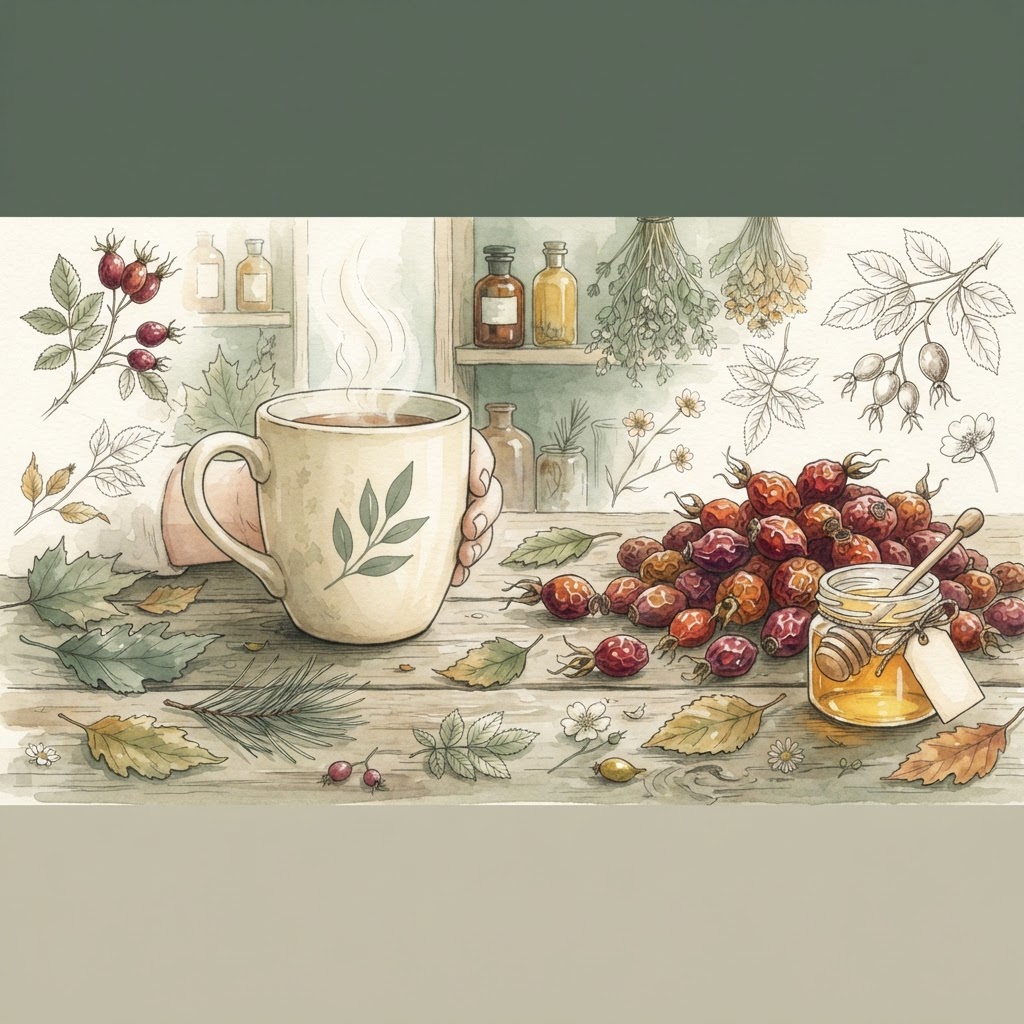
The Autumn Mending: Embracing the Gentle Power of Rosehips
Garreth Falls — B.Th., Dip. H.M., MNIMH
Consultant Medical Herbalist · The Wild Sage · Published 18 November 2026
About the author
Garreth Falls, B.Th., Dip. H.M., MNIMH
Garreth is a Consultant Medical Herbalist and member of the National Institute of Medical Herbalists. He runs The Wild Sage natural health clinic, combining traditional Western herbal medicine with modern clinical practice, and writes on herb safety, regulation and evidence.
Read Garreth's full profileRelated Herbal Products


Continue Reading

The Alchemy of Breath: Supporting Respiratory Resilience this November
As the November damp sets in, our lungs often feel the strain. Discover how gentle, traditional herbs can help you breathe a little easier during the colder months.
Read more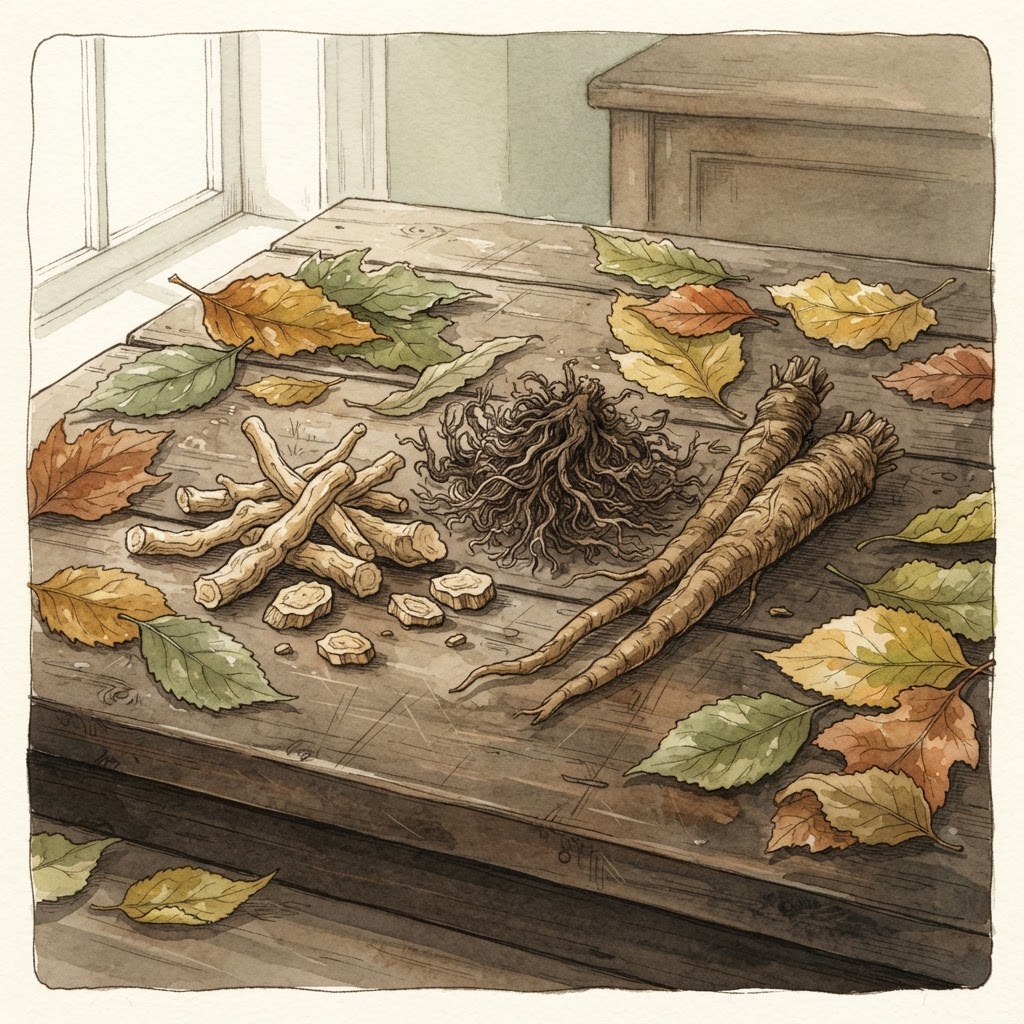
The Quiet Resilience of Roots: Supporting Your Nervous System in November
As the light fades in Greyabbey, our nervous systems often crave grounding. Let's explore the herbs that offer steady support during the deep transition of November.
Read more
Cryptolepis Tincture: What Is It and What Does It Do?
Discover the healing potential of Cryptolepis tincture, a natural remedy known for its antimicrobial properties and support for immune health. Explore its benefits and uses now!
Read moreExplore More
Herbal Medicine Library — 300+ Herb Monographs
Deep-dive into individual medicinal plants
Health Conditions & Natural Treatments
Herb, diet and lifestyle support by condition
Shop Herbal Products
Put herbal knowledge into practice
Book a Herbal Consultation
Get clinical guidance tailored to you
Community Forum
Discuss natural health with like-minded people
Comments (0)
No comments yet — be the first!
Sign in to leave a comment