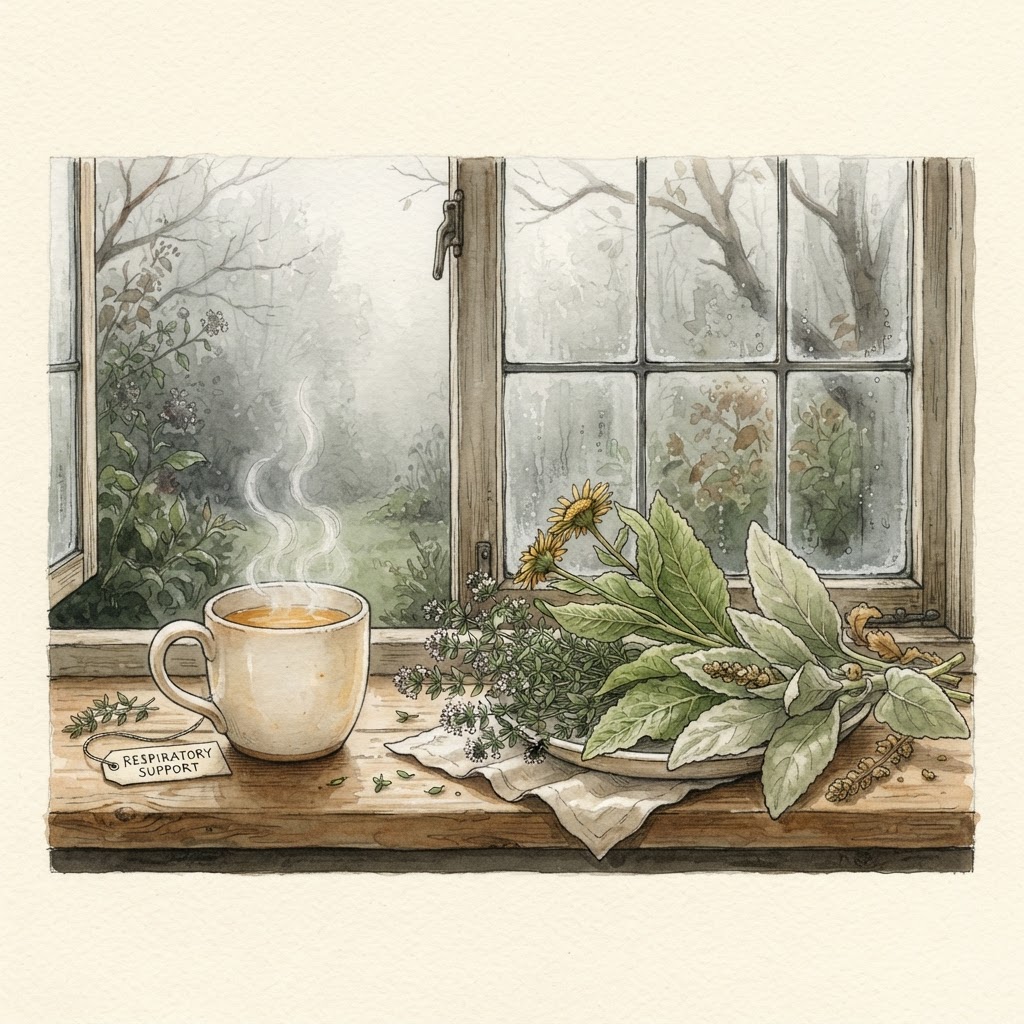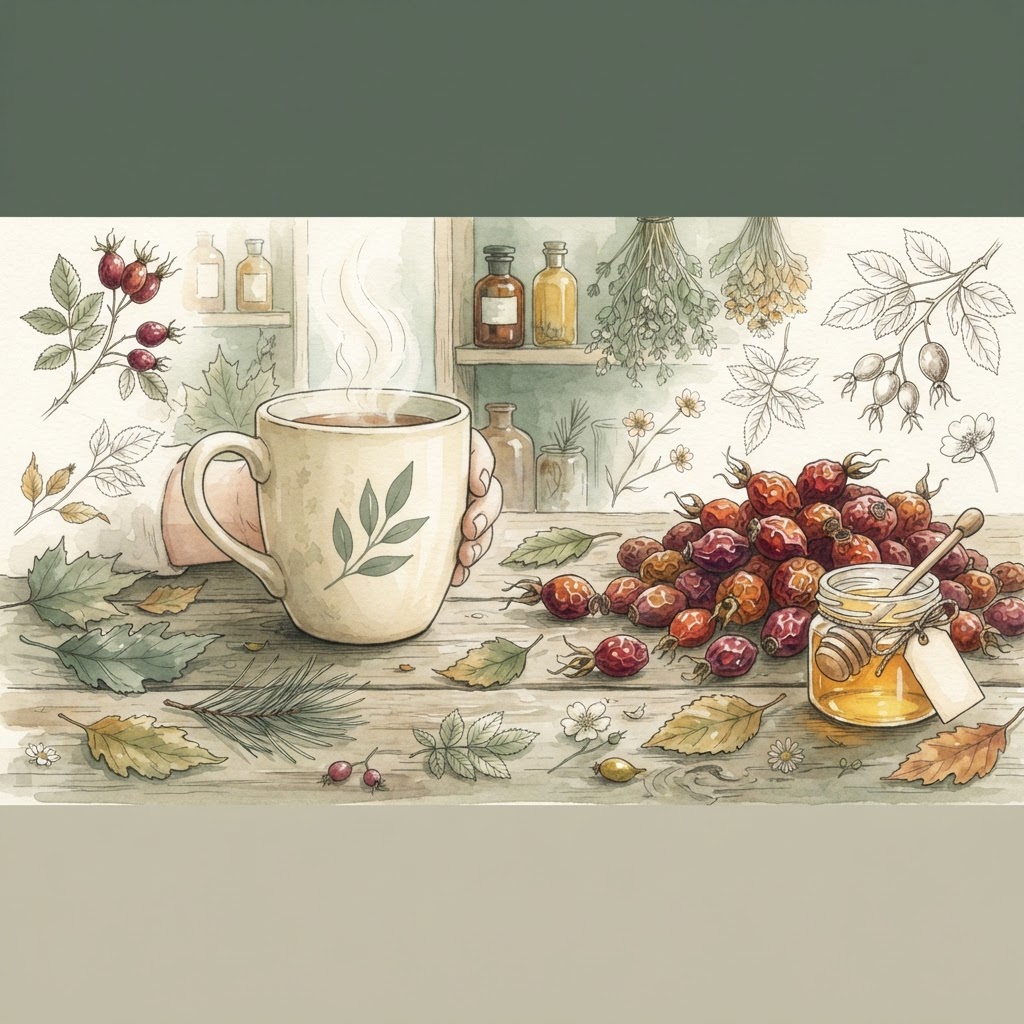
The mist hung low over Strangford Lough this morning, a soft, grey blanket that seemed to turn the world quite still. Walking down to the shop, I felt that distinct November chill—the kind that doesn't just bite at your nose, but invites you to retreat, to pull your coat a little tighter, and perhaps, to find a bit more stillness within. In my clinic at The Wild Sage, this is the time of year when people most often arrive feeling 'frazzled,' as if their inner clock is trying to keep pace with the summer sun long after the evenings have drawn in.
Why November Demands a Shift
It is no coincidence that we feel this shift. Our bodies are deeply attuned to the rhythmic cycles of the earth. When the daylight hours wane, our nervous system naturally seeks a slower, more restorative pace. Yet, modern life rarely affords us that grace. We continue to run at the same speed, leading to what I often describe as a 'nervous system hangover'—that jittery, exhausted feeling that no amount of coffee seems to fix.
The Art of Grounding
In herbal medicine, we don't just look for stimulants to push you through; we look for nervines—herbs that nourish and support the nervous system. Think of these plants not as a crutch, but as a gentle hand on your shoulder, helping you to find your own center again.
My Top Three November Allies
When you are feeling stretched thin by the darker days, these three herbs have been my steady companions, both in my personal apothecary and in the clinic.
- Oatstraw (Avena sativa): This is perhaps the most gentle, deeply nourishing herb I know. Think of it as a warm hug for your nerves. It is traditionally used to support those who feel 'burnt out' or physically and emotionally depleted. I love taking it as a long-steeped infusion.
- Lemon Balm (Melissa officinalis): There is a cheerfulness to this herb that defies the gloomy weather. It is a wonderful carminative and mild nervine that may help settle the 'butterflies' of anxiety that often manifest in the gut. It is perfect for those afternoons when the weight of the to-do list feels a bit too heavy.
- Skullcap (Scutellaria lateriflora): When your mind is racing with thoughts you can't seem to turn off, Skullcap is a powerful ally. It is traditionally used to ease mental chatter and support a sense of calm, focused clarity, especially when the transition into winter feels overwhelming.
Herbalist's Tip: If you are feeling particularly frazzled, try a 'nervous system bath.' Steep a handful of dried Lemon Balm and Oatstraw in a litre of hot water for twenty minutes, strain it, and add the liquid to your evening bath. The aroma alone is enough to trigger a shift in your parasympathetic nervous system.
Safety and Mindful Use
While these herbs are generally considered gentle, they are not 'one-size-fits-all.' If you are currently taking prescribed medication for anxiety or depression, please chat with me or your GP before adding nervines to your routine, as some herbs can interact with these medications. It is always best to start with small, simple doses to see how your body responds.
Creating Your November Ritual
Herbal medicine is most effective when it is woven into your daily life. It isn't about taking a pill to make the stress go away; it is about creating a moment of pause. Perhaps it is brewing a cup of Oatstraw tea while watching the rain hit the window, or simply breathing in the scent of Lemon Balm as you crush a few dried leaves between your fingers.
These small rituals are where the healing truly begins. They tell your body that it is safe to downshift, safe to breathe, and safe to rest. As we move deeper into the quietude of November, I invite you to stop 'doing' for just a moment and start 'being.'
If you find yourself needing a little extra support this month, I am here to help. Whether you want to curate a bespoke tea blend tailored to your specific needs or you would like to book a consultation to look at your wellness as a whole, my door at The Wild Sage is always open. You can browse our shop for seasonal favourites or send me a message to arrange a time to talk. Let us move into the winter with intention, grace, and the support of the plants.