The Wild Sage logo
The Wild Sage Logo

Herbal Medicine at your fingertips

Comprehensive database of herbal remedies with detailed safety information and traditional uses

New to herbal terms? Read the glossary →
ADHD
Abcess
Acid Reflux Relief
Acinetobacter
Acne
Acne Vulgaris
Addisons
Adenomyosis
Adenovirus
Adrenal fatigue
Aging
Aids
Alcaligenes faecalis
Alcoholism
Allergic Rhinitis
Allergies
Allergy
Alopoecia
Alopoecia nervosa
Alzheimer's, Dementia & Cognitive Decline
420 herbs found
Important: This information is for educational purposes only. Always consult with qualified healthcare professionals before using herbal remedies, especially if you have existing health conditions or take medications.
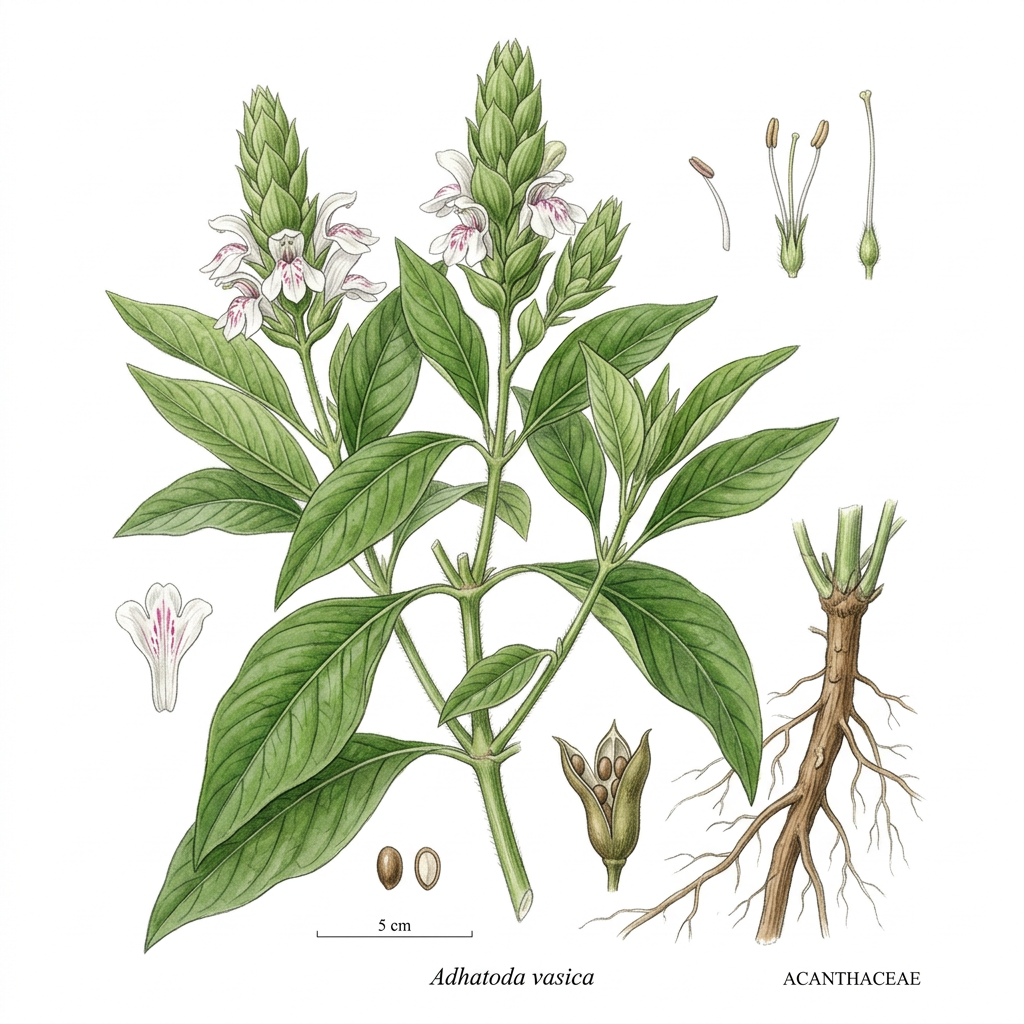
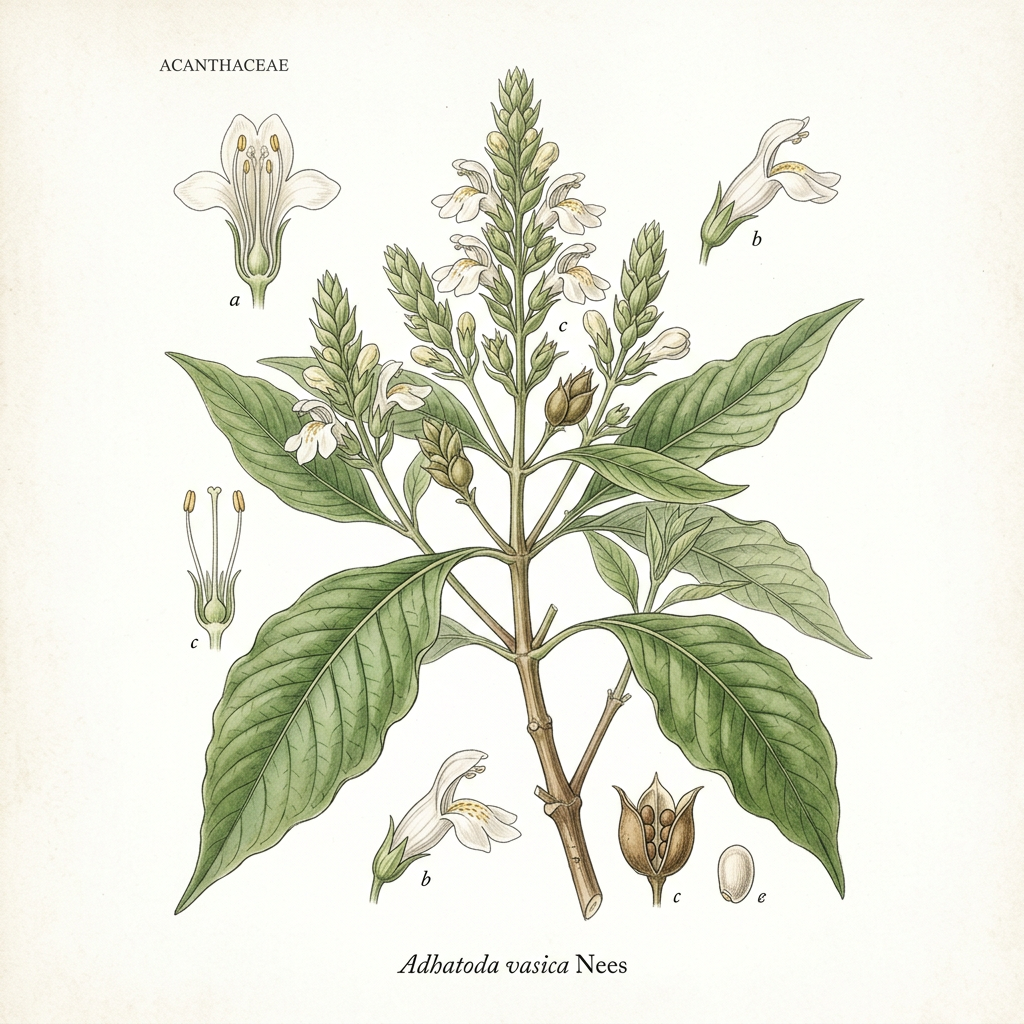
Adhatoda vasia

Adhatoda vasia

Adhatoda vasia

moderate risk Risk
Acanthaceae
bittter astringent, pungent and cold
<p>Adhatoda vasia, commonly known as *Vasaka* or *Adulsa*, is a perennial shrub native to the tropical regions of the Indian subcontinent and parts of Southeast Asia. Revered in traditional Ayurvedic medicine for centuries, this herb has been an integral part of herbal pharmacopoeia, primarily prized for its efficacy in treating respiratory ailments. Historical texts and local practices highlight its use in alleviating asthma, bronchitis, and other chronic respiratory conditions, illustrating its role as a critical remedy in holistic healing systems. The leaves, flowers, and roots of Adhatoda vasia are all utilized, though the leaves are particularly noted for their medicinal properties. The therapeutic properties of Adhatoda vasia are predominantly attributed to its active compounds, including vasicine, vasicinone, and various alkaloids, which contribute to its renowned anti-inflammatory and bronchodilator effects. These constituents enable the herb to act as an effective respiratory stimulant, facilitating clearer breathing by relaxing the bronchial muscles and reducing airway inflammation. Beyond its primary uses in treating asthma and bronchitis, Adhatoda vasia has also been recognized for its benefits in addressing gingivitis and various inflammatory conditions due to its antimicrobial and anti-inflammatory properties. As a result, it not only aids in symptomatic relief but also helps combat underlying inflammation associated with respiratory and oral health. When consumed, Adhatoda vasia works through several mechanisms within the body. Its vasicine content engages with the respiratory tract's smooth muscles, promoting bronchodilation, which eases breathing by widening the air passages. Furthermore, its anti-inflammatory properties inhibit the production of inflammatory mediators, thereby reducing swelling and irritation in the respiratory system. This dual action makes Adhatoda vasia a vital herb not just for individuals suffering from respiratory disorders, but also for those seeking to enhance their overall respiratory health. With its rich history and robust therapeutic profile, Adhatoda vasia continues to be an invaluable component of natural health and wellness practices.</p>

Uses & Conditions

Diabetes
Asthma
Respiratory Conditions
Inflammation
Cough
Bronchitis
Gingivitis
Upper Respiratory Tract Infections

Actions

Mucolytic
Bronchodilator
Anti-inflammatory
Respiratory Stimulant
Abortifacient
Cytoprotective
NFkB Inhibitor
TNF-a Reduction

Parts Used

Each part of the Vasaka plant plays a significant role in Ayurvedic healing: Leaves: They’re full of vasicine
which helps clear out mucus
making it easier to breathe when you have a cough
bronchitis
or asthma. Vasaka leaves also naturally repel mosquitoes. People used to burn them to keep the bugs away. Flowers: They might look delicate
but Vasaka flowers are packed with flavonoids that strengthen your lungs. Bark & Root Bark: This part of Vasaka works deep inside
cleansing the body. The alkaloids in the bark help flush out intestinal parasites and keep the airways clear. Fruit: Not as famous as the leaves
but just as important. The fruit is packed with tannins and flavonoids that support digestion.

Native Countries

Asia

USDA Hardiness Zones

USDA 10-11

Contraindications

  • Pregnancy
  • Lactation

Interactions

  • Anticoagulants and antiplatelets: Theoretical potential for increased bleeding risk when used alongside medications like warfarin or clopidogrel
  • Bronchodilator medications: May exhibit additive effects when taken with prescribed asthma inhalers or oral bronchodilators
  • Sedatives and CNS depressants: Potential for additive effects when combined with benzodiazepines or other hypnotic medications
  • Prescription medicines: Caution should be exercised due to the presence of alkaloids

Dosages, tincture ratios & research — members only

Unlock Garreth's dosing guidance, tincture ratios, the dosage calculator and the research studies for Adhatoda vasia.

Your assessment and results stay saved — upgrading only unlocks more of them.

See membership plans

Community Photos

No community photos yet. Sign in to upload photos.

Reviews & Ratings

Sign in to leave a review.

No reviews yet. Be the first!

GF

Garreth Falls — B.Th., Dip. H.M., MNIMH

Content curated and reviewed by Garreth Falls, Consultant Medical Herbalist · The Wild Sage

Medical Disclaimer: This information is for educational purposes only and is not intended as medical advice. Always consult with qualified healthcare professionals before starting any herbal treatment.
Ayurvedic tradition

Sustainability & quality

At risk

Wild stocks in India are under pressure; insist on cultivated Adhatoda to ensure sustainability and quality control.

Key constituents

Adhatodine, vasicine, vasicine and vasicinone

References

  1. Bensky "Chinese Herbal Medicine: Materia Medica" 3rd ed. 2004
  2. Herbal Reality. Herb monographs. herbalreality.com

Reviewed by Garreth, Medical Herbalist (MNIMH) · October 2026

Related conditions

Explore conditions where Adhatoda vasia is traditionally used.

Related Herbs
Malabar Nut

Malabar Nut

Adhatoda vasica

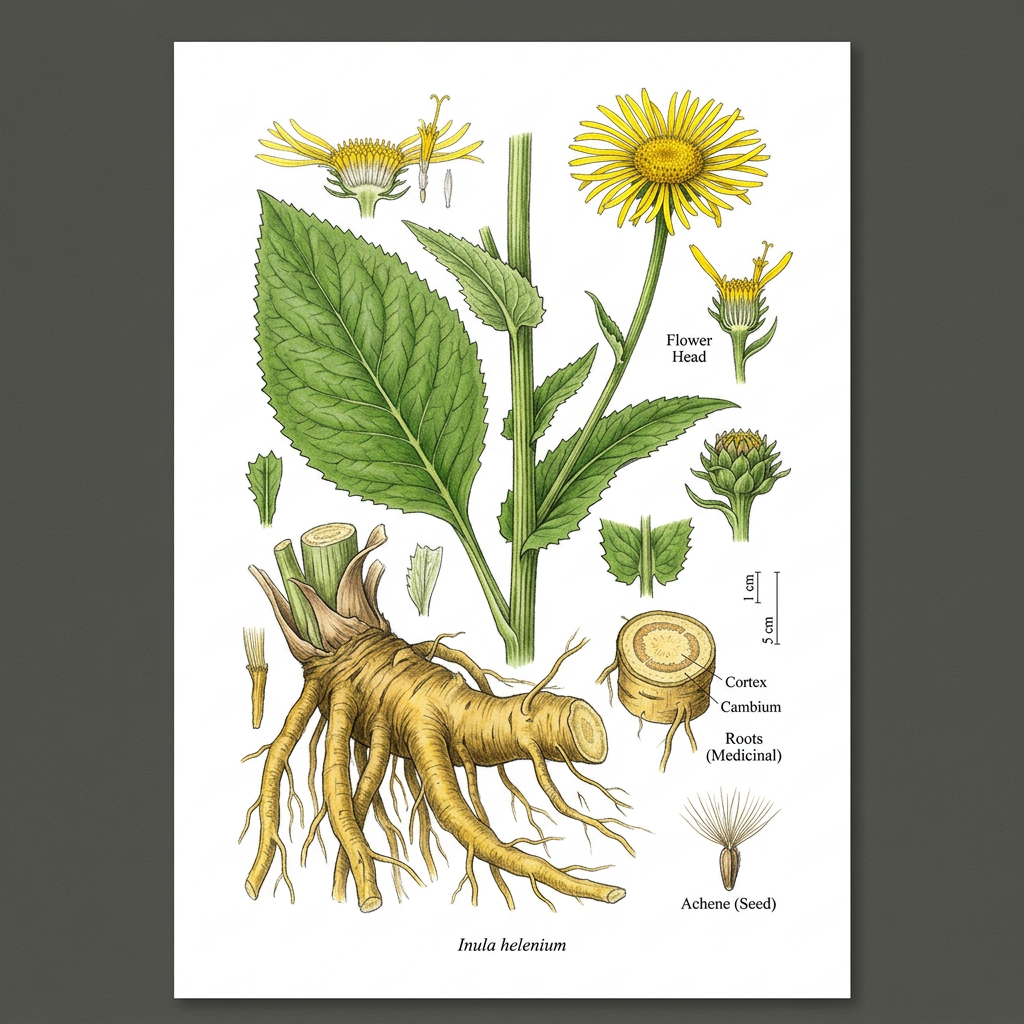
Elecampane

Elecampane

Inula helenium

Lung Health
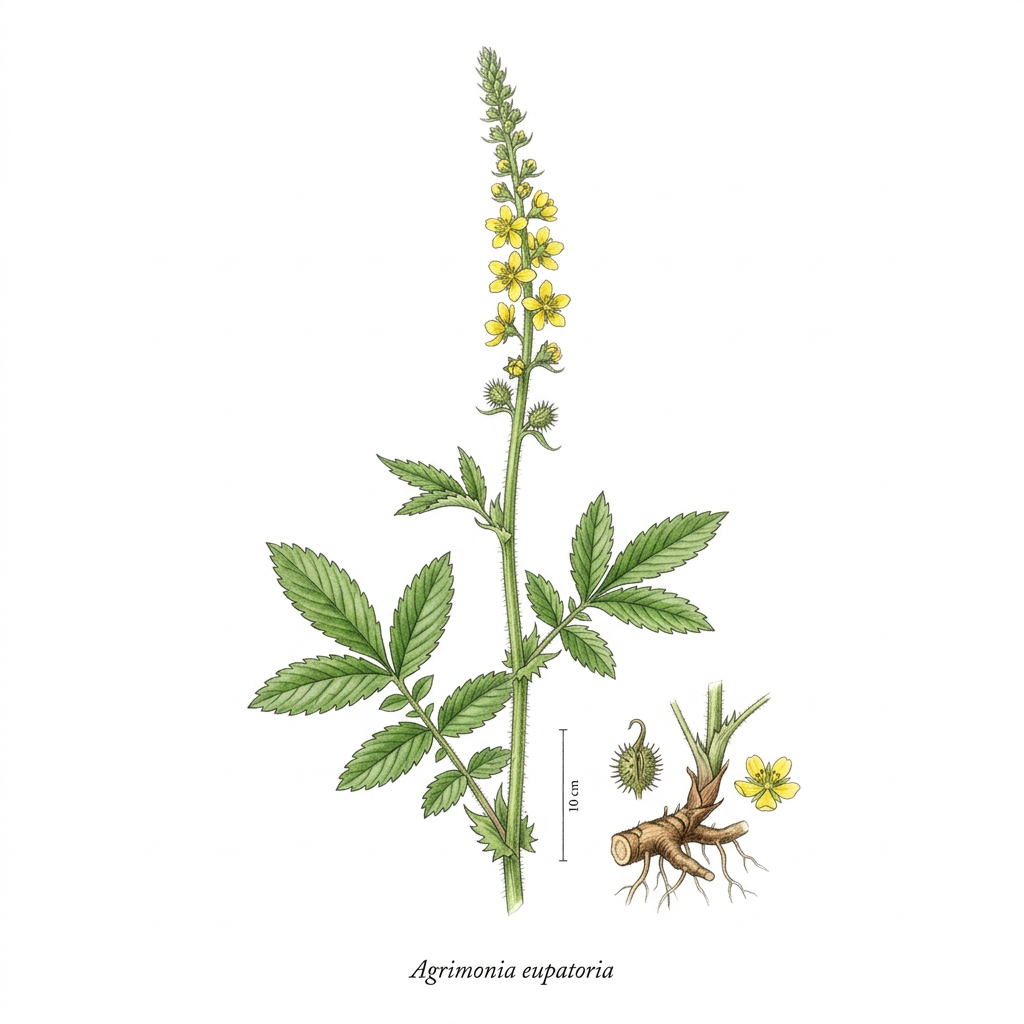
Agrimony

Agrimony

Agrimonia eupatoria

Digestive Aid
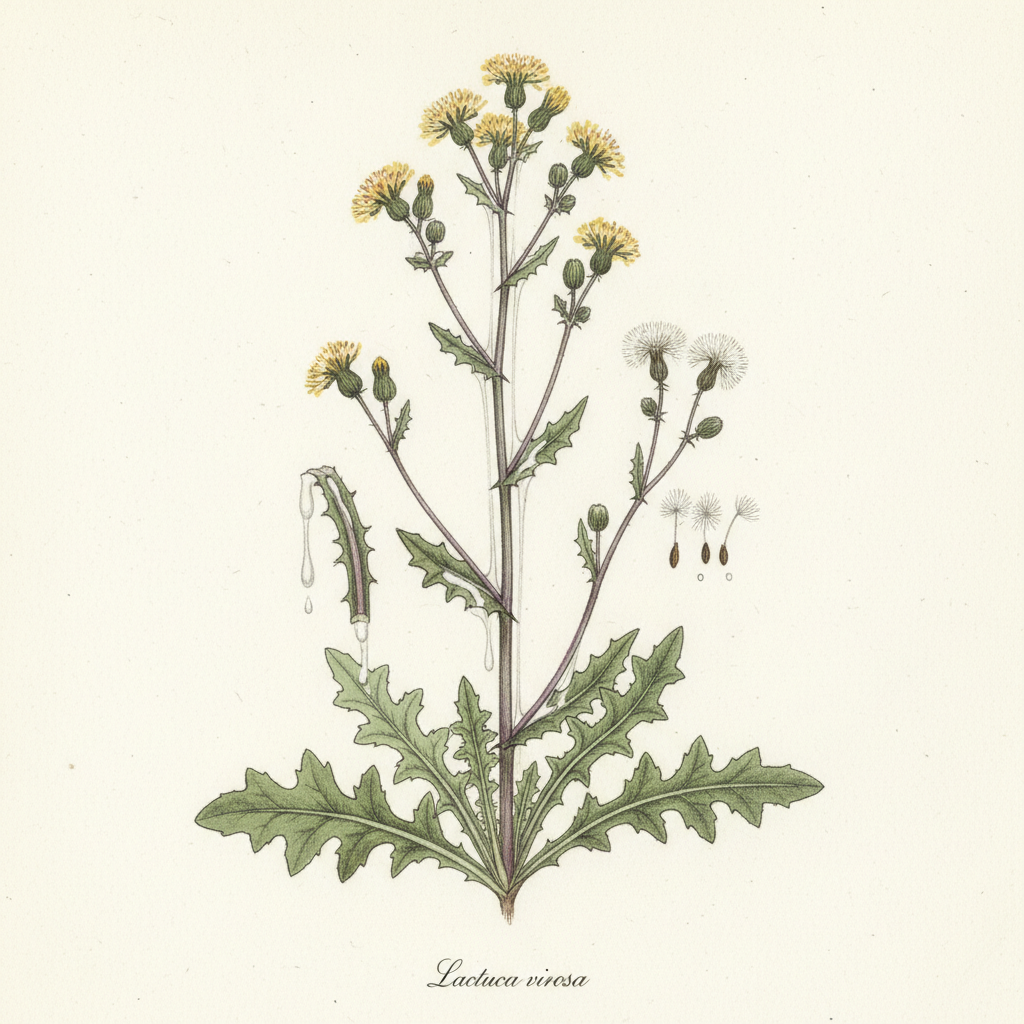
Wild Lettuce

Wild Lettuce

Lactuca virosa

Emotional Well-being