The Wild Sage logo
The Wild Sage Logo

Herbal Medicine at your fingertips

Comprehensive database of herbal remedies with detailed safety information and traditional uses

New to herbal terms? Read the glossary →
ADHD
Abcess
Acid Reflux Relief
Acinetobacter
Acne
Acne Vulgaris
Addisons
Adenomyosis
Adenovirus
Adrenal fatigue
Aging
Aids
Alcaligenes faecalis
Alcoholism
Allergic Rhinitis
Allergies
Allergy
Alopoecia
Alopoecia nervosa
Alzheimer's, Dementia & Cognitive Decline
420 herbs found
Important: This information is for educational purposes only. Always consult with qualified healthcare professionals before using herbal remedies, especially if you have existing health conditions or take medications.
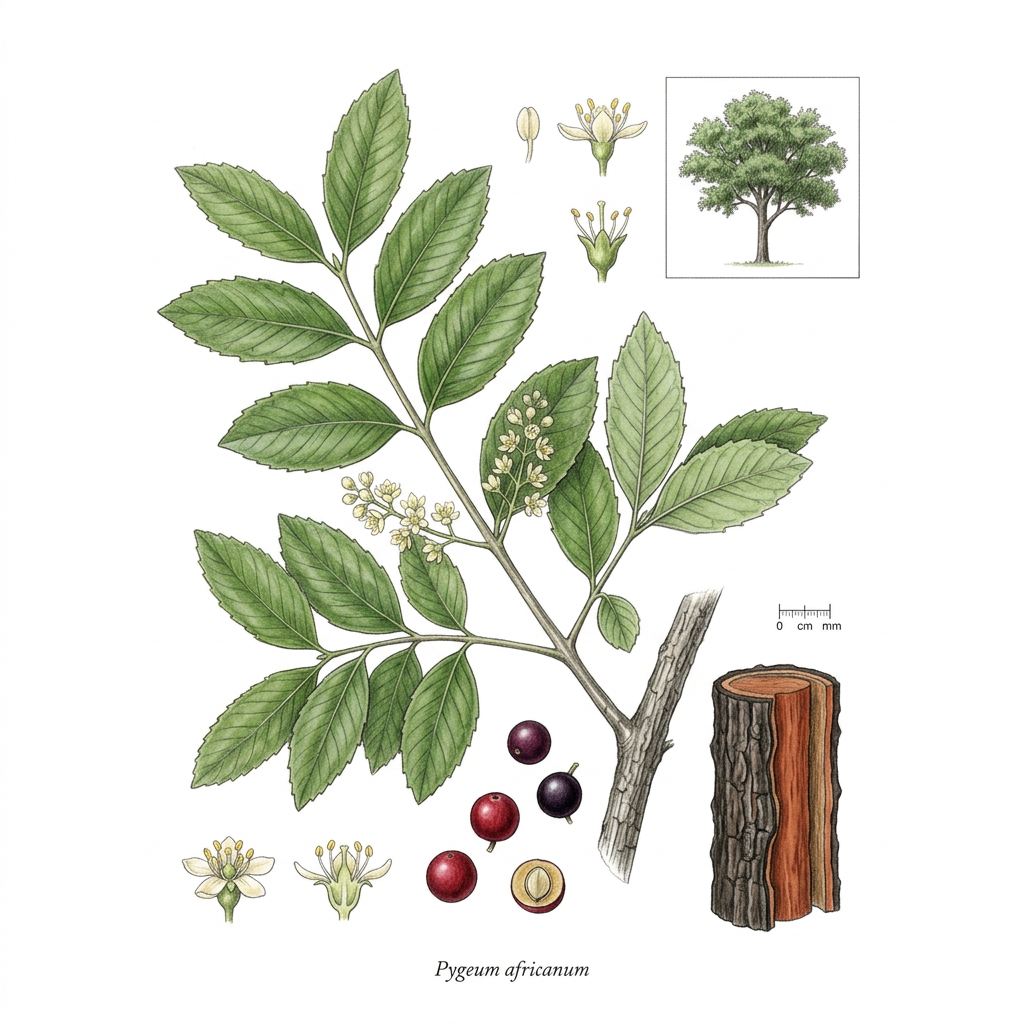
African Plum Tree

African Plum Tree

Pygeum africanum

low risk Risk
Rosaceae
<p>Pygeum africanum, commonly known as African plum tree, is a flowering plant native to the mountainous regions of Africa. Traditionally, indigenous communities have long utilized its bark for various medicinal purposes, particularly in the management of urinary disorders and reproductive health. Historical texts suggest that the bark was employed in traditional herbal concoctions to promote prostate health and alleviate symptoms associated with benign prostatic hyperplasia (BPH). As a supplement, Pygeum africanum gained traction in the West during the late 20th century, reflecting an increased interest in herbal medicine and natural therapies. **Key Therapeutic Properties and Benefits:** Pygeum africanum is celebrated primarily for its therapeutic roles that support prostate health and urinary function. Its rich composition includes phytosterols, pentacyclic triterpenes, and ferulic acid, all contributing to its anti-inflammatory, antioxidant, and diuretic effects. Clinical studies have indicated that extracts from the bark may reduce urinary discomfort by improving bladder function, decreasing nocturia frequency, and minimizing the urgency to void. Furthermore, Pygeum has demonstrated potential in modulating androgen activity, which is crucial for addressing prostate enlargement and related symptoms in aging men, making it a valuable ally in male health formulations. **Mechanism of Action:** The efficacy of Pygeum africanum is closely linked to its ability to interact with androgen receptors and modulate hormonal activity. By binding to these receptors, Pygeum acts as an androgen antagonist, which can help regulate testosterone levels, reducing the proliferation of prostate cells. Its anti-proliferative properties suggest an ability to impede excessive cellular growth, further lending support to men’s health. Additionally, Pygeum exhibits estrogen-modulating effects, potentially balancing hormone levels and reducing the risk of hormone-related conditions. As a holistic approach to prostate health, Pygeum africanum offers a blend of supportive actions that work synergistically to enhance urinary function and promote overall well-being in men.</p>

Uses & Conditions

Prostate Health
Bladder Function
Men's Health
Reproductive Health
Benign Prostatic Hyperplasia
Prostatitis
Urinary Tract Infection

Actions

Androgen Antagonist
Anti-proliferative
Oestrogen Modulating
Anti-inflammatory
Antioxidant
Diuretic

Parts Used

Bark

Native Countries

Cameroon
Congo
South Africa
Ghana
Uganda

USDA Hardiness Zones

10
11

Contraindications

  • Pregnancy and breastfeeding
  • Prostate cancer
  • Hormone-sensitive conditions
  • Hypersensitivity to Rosaceae family
  • Pre-surgery: cease use at least two weeks prior

Potential Side Effects

  • Nausea
  • Abdominal pain
  • Diarrhoea
  • Dizziness
  • Headache
  • Allergic skin reactions

Interactions

  • Hormone replacement therapy
  • 5-alpha reductase inhibitors
  • Alpha-blockers
  • Anti-androgen medications

Dosages, tincture ratios & research — members only

Unlock Garreth's dosing guidance, tincture ratios, the dosage calculator and the research studies for African Plum Tree.

Your assessment and results stay saved — upgrading only unlocks more of them.

See membership plans

Community Photos

No community photos yet. Sign in to upload photos.

Reviews & Ratings

Sign in to leave a review.

No reviews yet. Be the first!

GF

Garreth Falls — B.Th., Dip. H.M., MNIMH

Content curated and reviewed by Garreth Falls, Consultant Medical Herbalist · The Wild Sage

Medical Disclaimer: This information is for educational purposes only and is not intended as medical advice. Always consult with qualified healthcare professionals before starting any herbal treatment.
Western tradition

Sustainability & quality

At risk

Wild populations are severely threatened by overharvesting; only use product from sustainable, ethical cultivation.

Key constituents

Beta-sitosterol, Pentacyclic triterpenes such as ursolic and oleanolic acid, Ferulic acid esters, Docosanol, N-docosanol, Atractyligenin

References

  1. ESCOP Monographs 2nd ed. 2003
  2. EMA/HMPC Community Herbal Monograph
  3. Herbal Reality. Herb monographs. herbalreality.com

Reviewed by Garreth, Medical Herbalist (MNIMH) · October 2026

Related conditions

Explore conditions where African Plum Tree is traditionally used.

Related Herbs
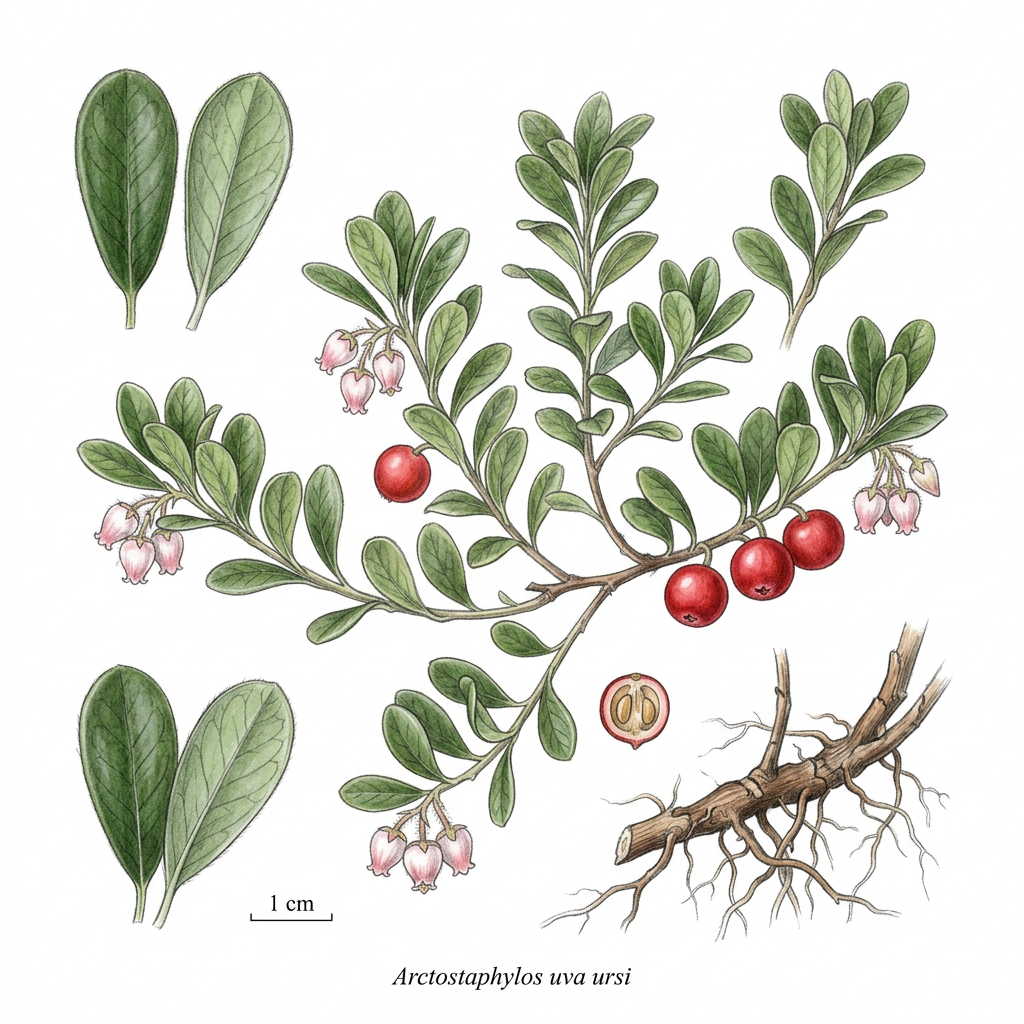
Bearberry

Bearberry

Arctostaphylos uva ursi

Urinary Health
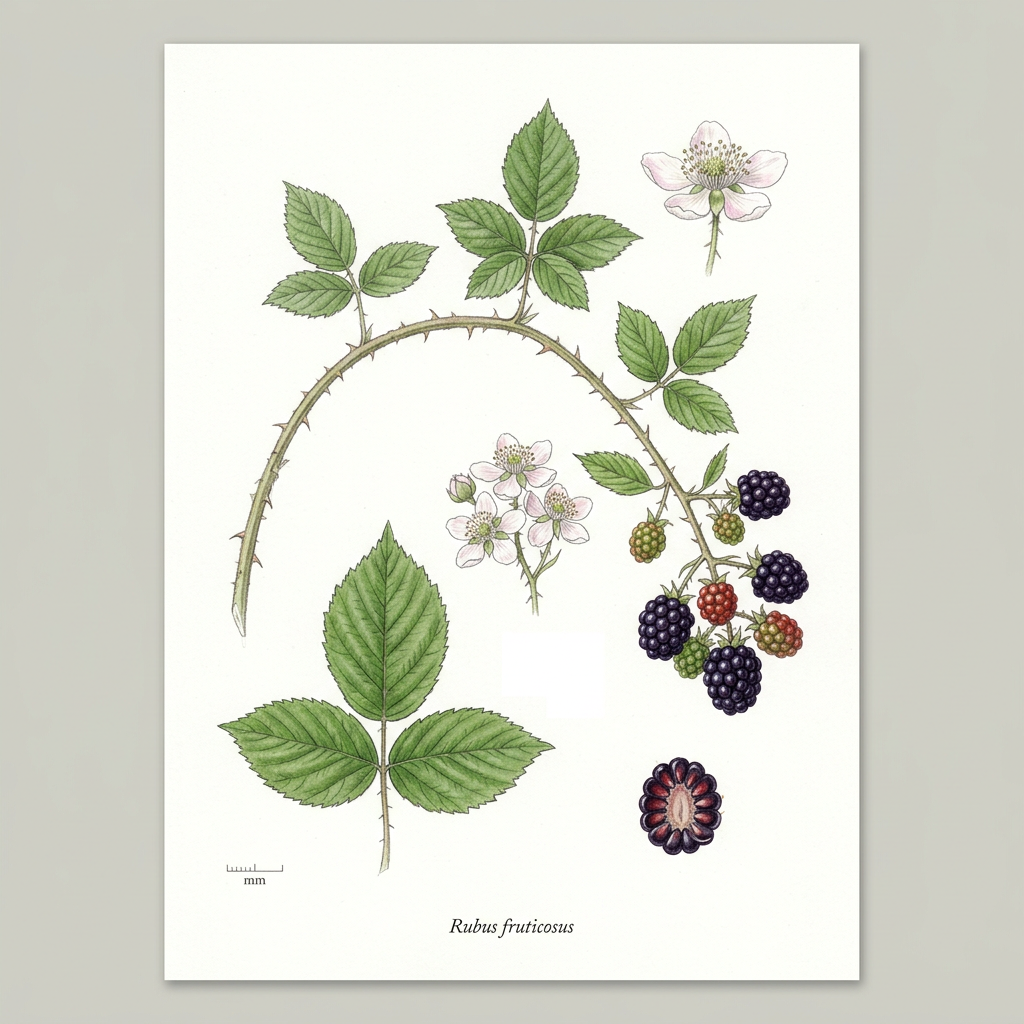
Blackberry

Blackberry

Rubus fruticosus

Cardiovascular support
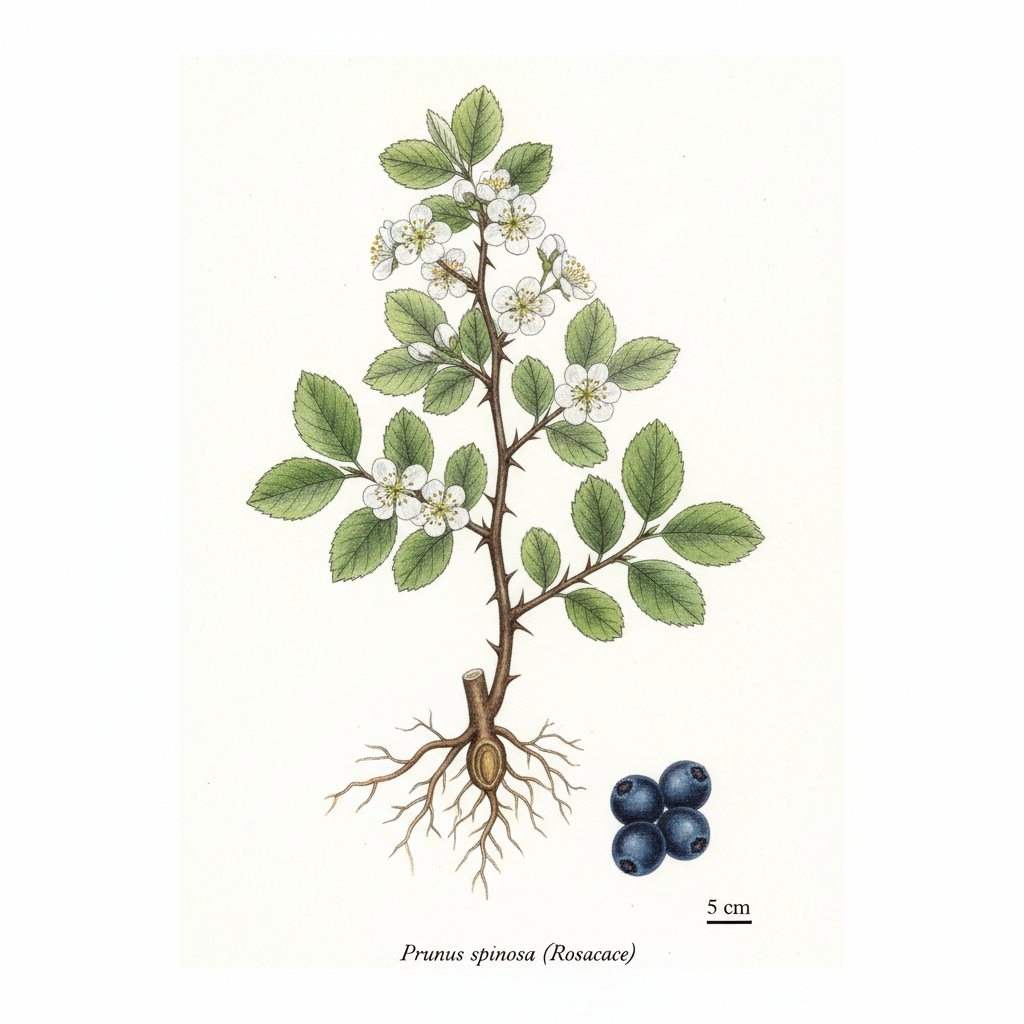
Blackthorn

Blackthorn

Prunus spinosa

Digestive health
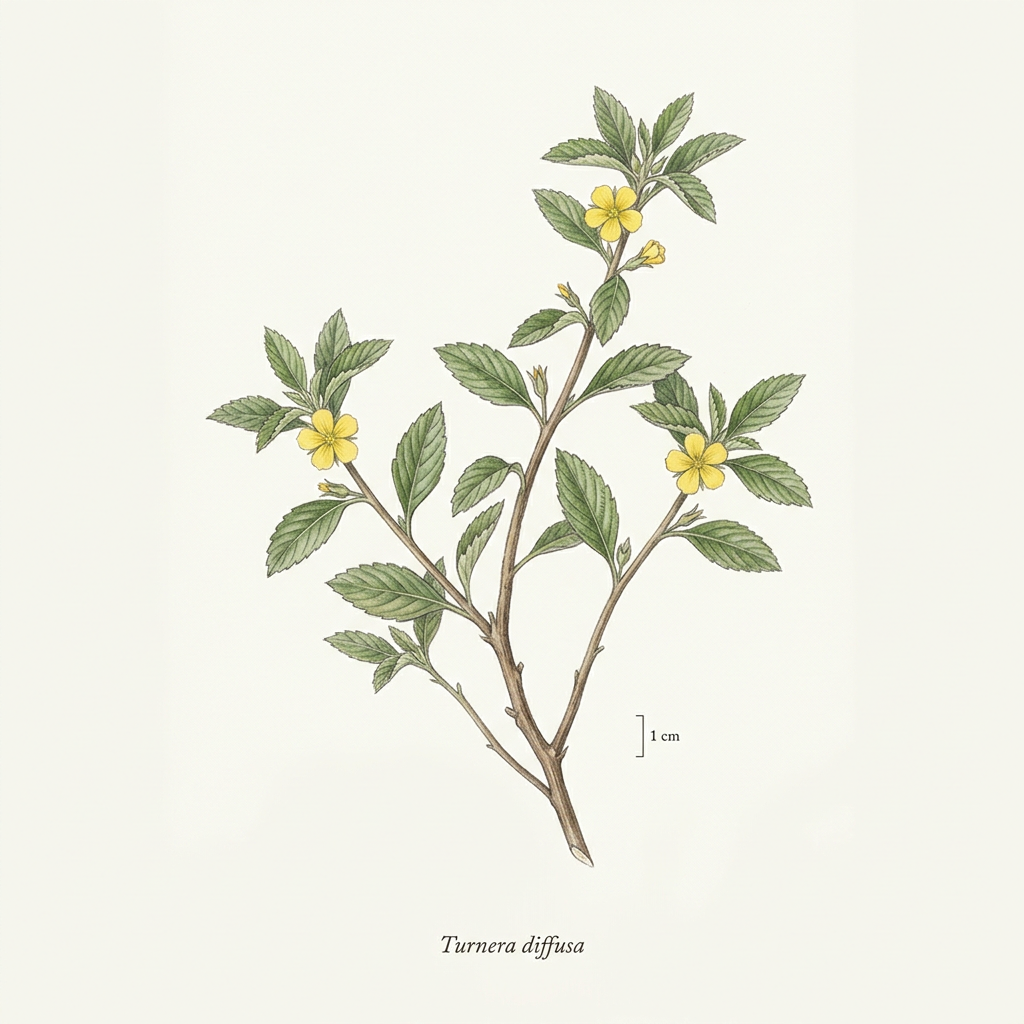
Damiana

Damiana

Turnera diffusa

Aphrodisiac Effect