The Wild Sage logo
The Wild Sage Logo

Herbal Medicine at your fingertips

Comprehensive database of herbal remedies with detailed safety information and traditional uses

New to herbal terms? Read the glossary →
ADHD
Abcess
Acid Reflux Relief
Acinetobacter
Acne
Acne Vulgaris
Addisons
Adenomyosis
Adenovirus
Adrenal fatigue
Aging
Aids
Alcaligenes faecalis
Alcoholism
Allergic Rhinitis
Allergies
Allergy
Alopoecia
Alopoecia nervosa
Alzheimer's, Dementia & Cognitive Decline
420 herbs found
Important: This information is for educational purposes only. Always consult with qualified healthcare professionals before using herbal remedies, especially if you have existing health conditions or take medications.
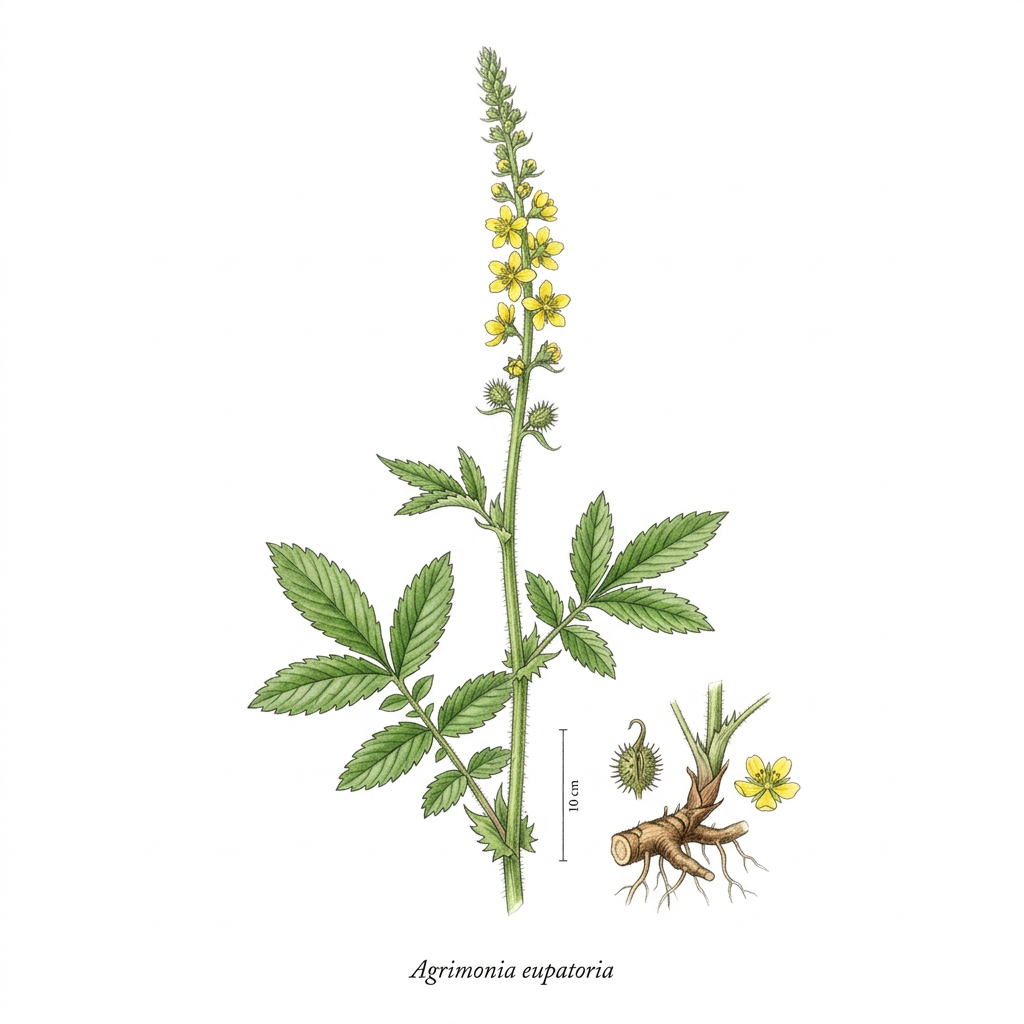
Agrimony

Agrimony

Agrimonia eupatoria

low risk Risk
Rosacea
Known for its balancing and harmonizing effects, often used to promote emotional stability and support digestive health.
<p>Agrimonia eupatoria, commonly known as agrimony, is a perennial herb native to Europe, North America, and parts of Asia. It belongs to the Rosaceae family and is characterized by its slender stems, serrated leaves, and distinctive clusters of yellow flowers that bloom from late spring to early fall. Agrimony has a rich historical tapestry of use, dating back to ancient times when it was revered for its healing properties and often referred to as “the herbalist’s friend.” Traditionally, agrimony has been employed in various folk medicines for its astringent and anti-inflammatory effects, often used as a remedy for digestive disorders and respiratory ailments. The therapeutic potential of Agrimonia eupatoria is expansive, primarily stemming from its anti-inflammatory, digestive, and immunomodulatory properties. It is commonly indicated for conditions such as asthma and bronchitis, where it acts as a soothing agent to alleviate cough and reduce irritation of the airways. Agrimony's astringency is particularly beneficial in treating diarrhoea and gingivitis, as it helps to tighten and tone tissues, supporting the body in managing excess fluids and promoting oral health. This multifaceted herb is also recognized for its ability to bolster the immune system, making it a valuable ally in the prevention of upper respiratory tract infections. Mechanistically, agrimony exerts its beneficial effects through a combination of phytochemicals, including tannins, flavonoids, and phenolic compounds. These constituents demonstrate potent antioxidant activity, which aids in neutralizing harmful free radicals and reducing oxidative stress in the body. Additionally, agrimony’s anti-inflammatory compounds inhibit the release of pro-inflammatory mediators, supporting a healthy inflammatory response. This synergistic action not only aids in alleviating symptoms of respiratory distress but also promotes overall digestive health by enhancing the functioning of the gastrointestinal tract. As a result, Agrimonia eupatoria stands out as a remarkable herb with a legacy of healing, rooted in both traditional wisdom and contemporary herbal practice.</p>

Uses & Conditions

Digestive Aid
Immune Support
Acid Reflux
Acne
Anorexia
Appendicitis
Asthma
Bladder Cancer
Bronchitis
Catarrhal States
Colitis
Cystitis
Dermatitis
Diarrhoea
Eczema
Gingivitis
Haemorrhoids
IBS
Inflammation
Menorrhagia
Nasopharyngeal Catarrh
Ovarian Pain
Porphyria
SIBO
Sore Throat
Tuberculosis (Pulmonary)
Ulcers
Upper Respiratory Infections
Urinary Incontinence
Venous Insufficiency
Wound Healing

Actions

Anti-bacterial
Anti-inflammatory
Cytokine Modulation
Emotional Stability Support
NFkB Inhibitor
TNF-a Reduction

Synonyms

Church steeples

Parts Used

Ariel parts

Native Countries

Europe

USDA Hardiness Zones

USDA 3-9

Preparations & Dosage

  • Infusion: 1.5-4g dried herb in 250ml boiling water, 2-3 times daily for internal use; 1.5g in 150ml boiling water, 2-4 times daily as a gargle
  • Tincture: 1:5, 45% alcohol, 1-4ml three times daily
  • Decoction: 3-4.5g in 250ml water, 2-3 times daily as a gargle
  • Topical Wash/Compress: 3-10g in 250ml water, applied several times daily

Maximum weekly dose: 63ml

Interactions

  • Anticoagulant or antiplatelet medications: monitor for changes in bleeding time due to potential tannin content in high, prolonged doses
  • Iron supplements: high tannin content may inhibit absorption if consumed simultaneously
  • Alkaline medications or antacids: may reduce herb effectiveness or alter medication absorption due to astringent profile

Dosage Calculator

Community Photos

No community photos yet. Sign in to upload photos.

Reviews & Ratings

Sign in to leave a review.

No reviews yet. Be the first!

GF

Garreth Falls — B.Th., Dip. H.M., MNIMH

Content curated and reviewed by Garreth Falls, Consultant Medical Herbalist · The Wild Sage

Medical Disclaimer: This information is for educational purposes only and is not intended as medical advice. Always consult with qualified healthcare professionals before starting any herbal treatment.
Western tradition

Sustainability & quality

Abundant

Common native hedgerow plant; easy to wild-harvest sustainably if avoiding roadsides.

Key constituents

Bitter, caffeine, flavonoids, Silica, Tannin, Phenolic compounds, Volatile Oils, Rutin, Apigenin, Quercitrin, Luteolin, Kaempferol, coumarins, vitamins K, B & C & iron

References

  1. ESCOP Monographs 2nd ed. 2003
  2. British Herbal Pharmacopoeia 1983
  3. Herbal Reality. Herb monographs. herbalreality.com

Reviewed by Garreth, Medical Herbalist (MNIMH) · October 2026

Related conditions

Explore conditions where Agrimony is traditionally used.

Related Herbs
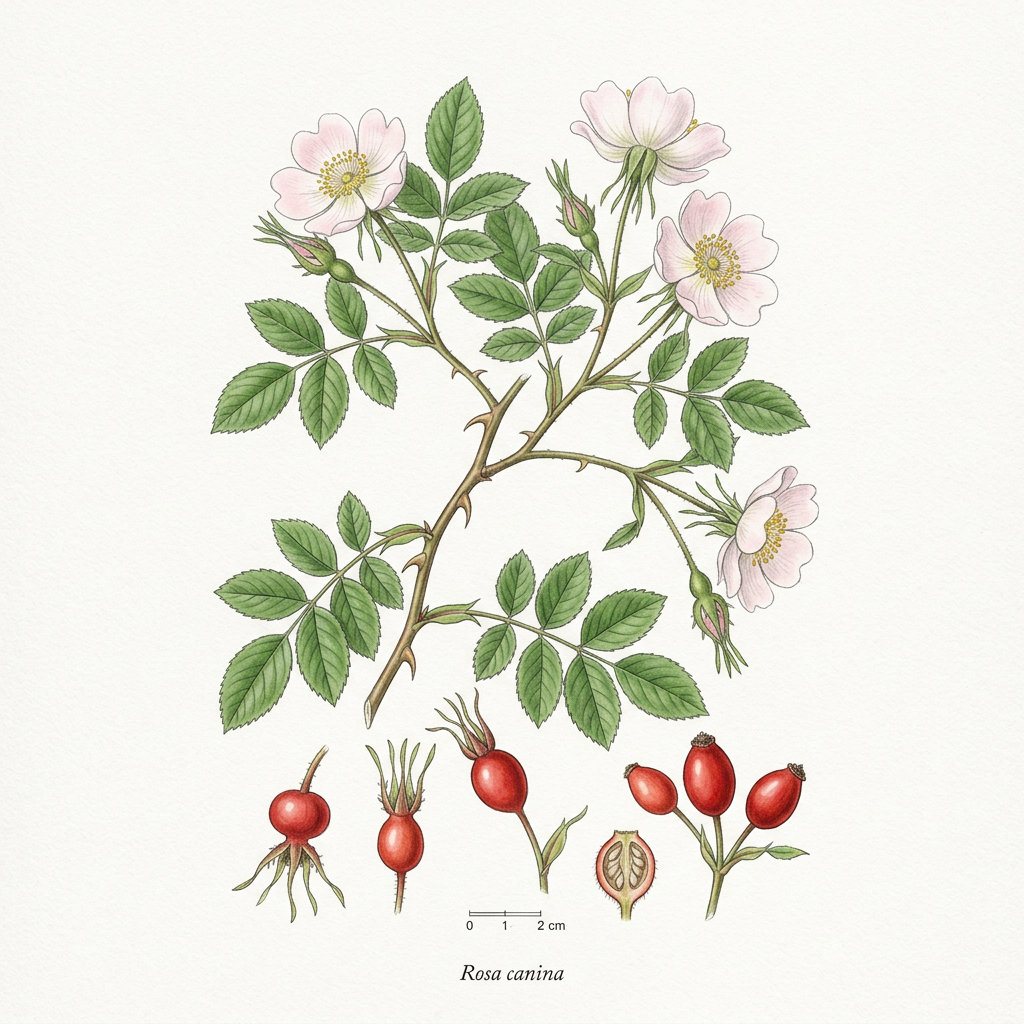
Dog rose

Dog rose

Rosa canina

Immune Support
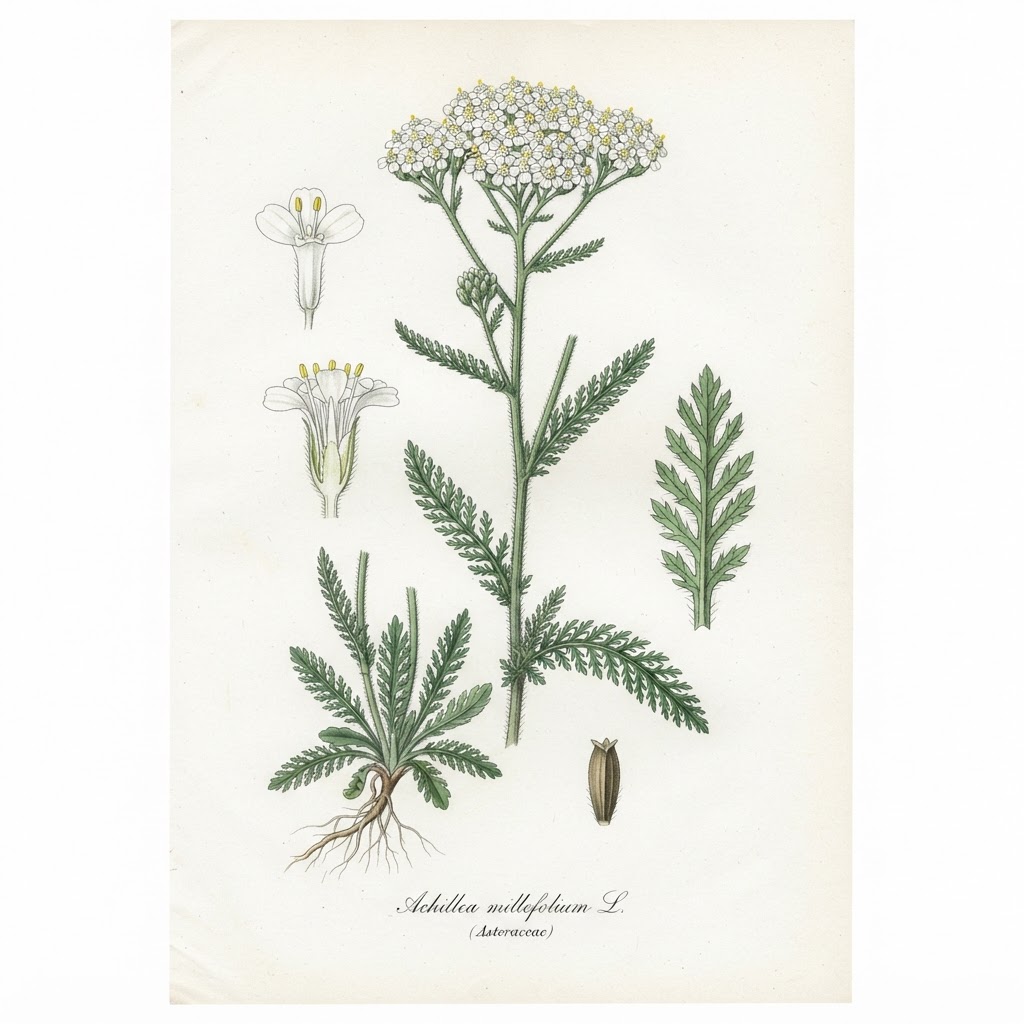
Yarrow

Yarrow

Achillea millefolium

Digestive Tonic
Chamomile

Chamomile

Matricaria recutita

Digestive Tonic
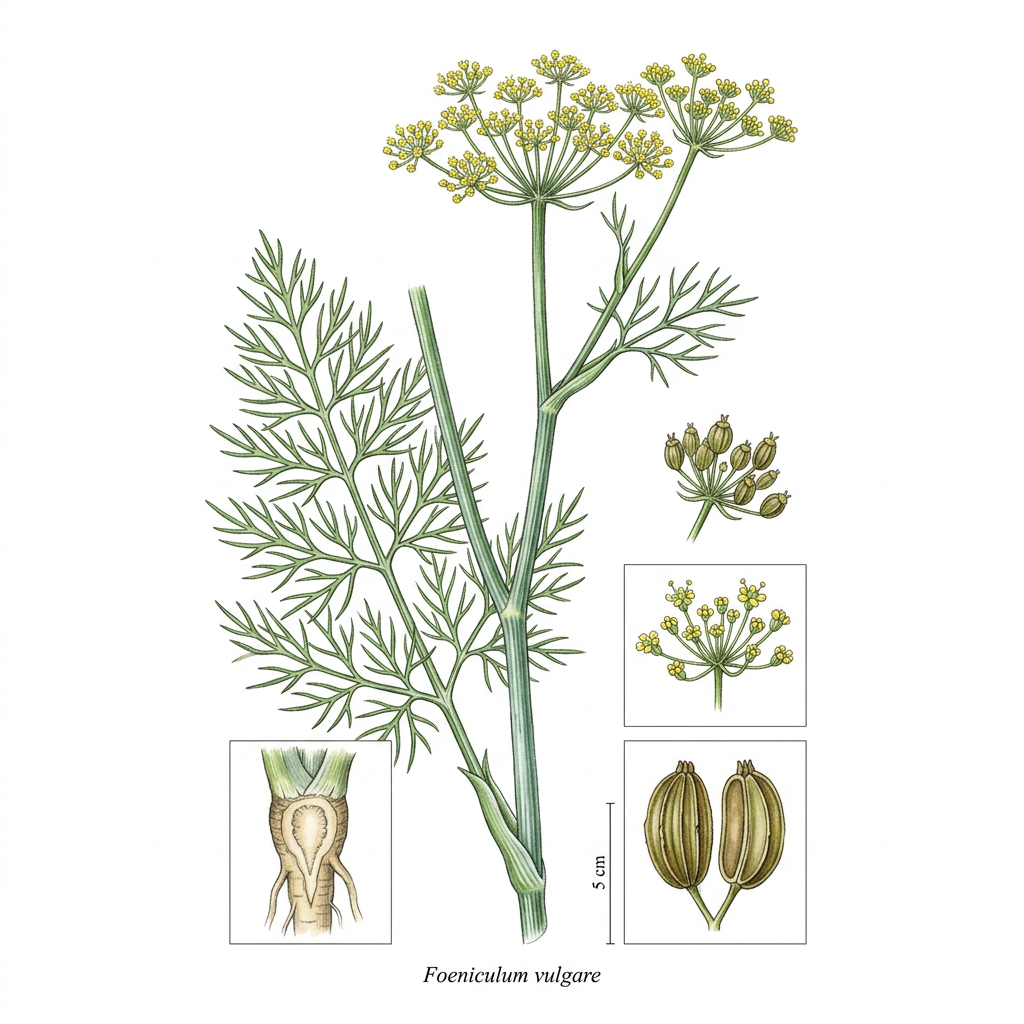
Fennel

Fennel

Foeniculum vulgare

Digestive Aid