The Wild Sage logo
The Wild Sage Logo

Herbal Medicine at your fingertips

Comprehensive database of herbal remedies with detailed safety information and traditional uses

New to herbal terms? Read the glossary →
ADHD
Abcess
Acid Reflux Relief
Acinetobacter
Acne
Acne Vulgaris
Addisons
Adenomyosis
Adenovirus
Adrenal fatigue
Aging
Aids
Alcaligenes faecalis
Alcoholism
Allergic Rhinitis
Allergies
Allergy
Alopoecia
Alopoecia nervosa
Alzheimer's, Dementia & Cognitive Decline
420 herbs found
Important: This information is for educational purposes only. Always consult with qualified healthcare professionals before using herbal remedies, especially if you have existing health conditions or take medications.
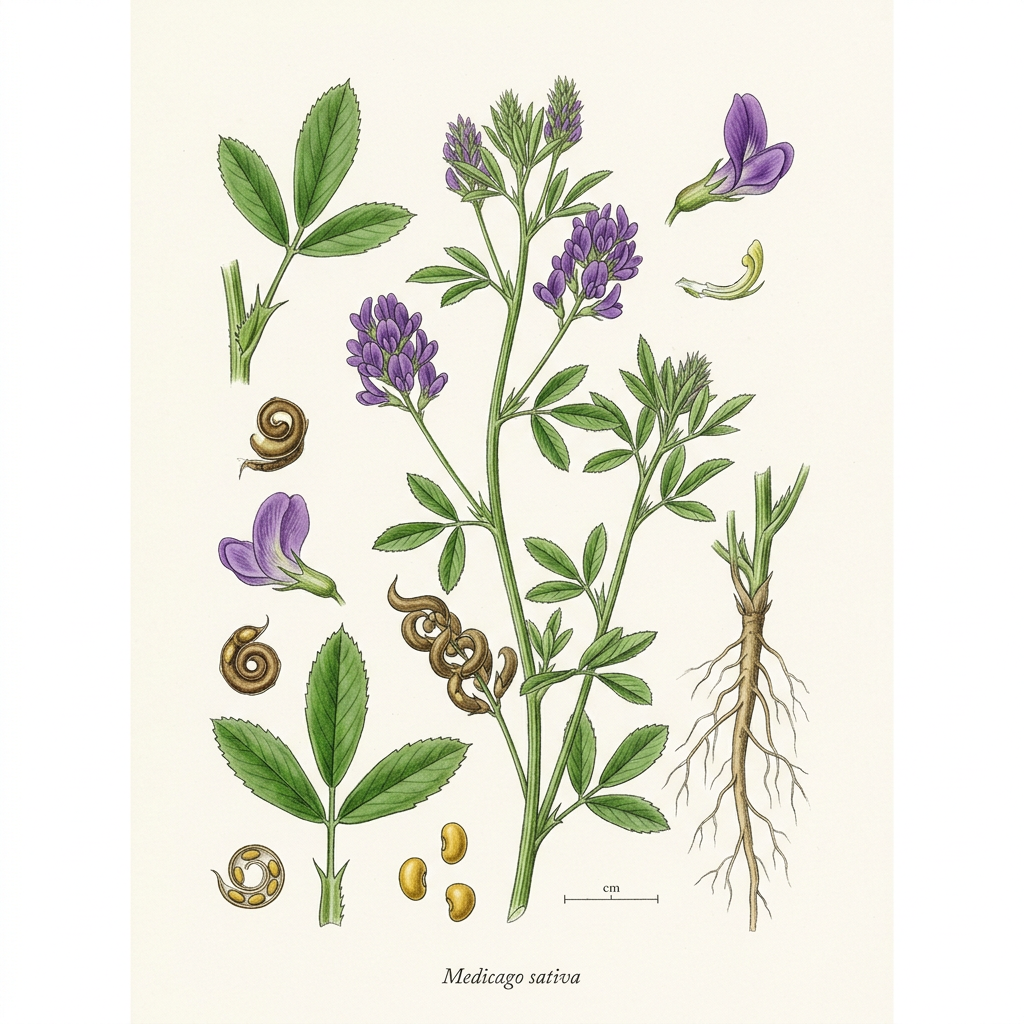
Alfalfa

Alfalfa

Medicago sativa

low risk Risk
Fabaceae
Cooling, moistening herb that supports tissue repair and digestive health.
<p>Alfalfa, scientifically known as Medicago sativa, is a perennial flowering plant belonging to the legume family (Fabaceae). Renowned as a nutrient-dense herb, alfalfa has been cultivated for thousands of years, originally revered by ancient civilizations such as the Persians and the Romans, who recognized its value as a medicinal and nutritional food source. Traditionally known as a "father of all foods," alfalfa has been utilized in various cultures as a staple fodder for livestock due to its high protein content, while its use in herbal medicine has thrived in folk traditions, where it was commonly employed to promote overall health and vitality. The leaves, flowers, and seeds are all utilized for their wide-ranging therapeutic benefits, making alfalfa a multifaceted component of both dietary and herbal applications. Alfalfa is prized for its exceptional nutritional profile, rich in vitamins (notably A, C, and K), minerals (such as calcium, magnesium, and potassium), and an array of antioxidants. Its key therapeutic properties include being an alkalizing agent, which helps balance the body's pH levels, thus contributing to enhanced metabolic function. Furthermore, alfalfa serves as a digestive aid, containing enzymes and dietary fiber that support digestive health by facilitating smoother digestion and promoting gut flora health. This remarkable herb is also known for its immune-boosting capabilities, attributed to its rich content of phytonutrients that enhance the body’s defense mechanisms against infections and disease. The mechanisms by which alfalfa exerts its health benefits are primarily linked to its high concentration of vitamins, minerals, and bioactive compounds. The alkaline properties of alfalfa contribute to reducing acidity in the body, which can promote improved digestion and nutrient absorption. Additionally, its rich array of antioxidants, such as flavonoids and carotenoids, supports the immune system by combating oxidative stress and inflammation. Alfalfa also contains saponins, which may support cholesterol management and cardiovascular health. By integrating alfalfa into the diet, individuals can harness a powerful natural resource that nourishes and fortifies the body from the inside out, making it a versatile addition to any health regimen.</p>

Uses & Conditions

Nutritional Support
Convalescence
Hormonal Balance
Metabolic Boost
Antioxidant Support
Gut Flora Health
Anaemia
Anorexia
Arthritis
Bladder Cancer
Diabetes
Digestive Disorders
Hypercholesterolemia
Immune Deficiency
Osteoporosis
Wound Healing

Actions

Anti-inflammatory
Digestive Aid
Immune Support
Lipid Regulation
NFkB Inhibitor
Tissue Repair
TNF-a Reducer

Parts Used

Ariel parts

Native Countries

North America

USDA Hardiness Zones

USDA 3-11

Contraindications

  • Pregnancy
  • Systemic Lupus Erythematosus

Interactions

  • Warfarin and other Vitamin K antagonist anticoagulants: High Vitamin K content may antagonise therapeutic effects.
  • Immunosuppressants: Potential immunostimulant effects may theoretically interfere with therapy.
  • Hormone replacement therapy or oestrogen-based oral contraceptives: Phytoestrogens may theoretically compete with or influence exogenous hormones.
  • Blood glucose-lowering medication: May influence blood sugar levels; monitoring advised for those on insulin or oral hypoglycaemic agents.

Dosages, tincture ratios & research — members only

Unlock Garreth's dosing guidance, tincture ratios, the dosage calculator and the research studies for Alfalfa.

Your assessment and results stay saved — upgrading only unlocks more of them.

See membership plans

Community Photos

No community photos yet. Sign in to upload photos.

Reviews & Ratings

Sign in to leave a review.

No reviews yet. Be the first!

GF

Garreth Falls — B.Th., Dip. H.M., MNIMH

Content curated and reviewed by Garreth Falls, Consultant Medical Herbalist · The Wild Sage

Medical Disclaimer: This information is for educational purposes only and is not intended as medical advice. Always consult with qualified healthcare professionals before starting any herbal treatment.
Western tradition

Sustainability & quality

Abundant

A widely cultivated forage and food crop. Ensure non-GMO and organic certification.

Key constituents

Saponins, Amino acids, Alkaloids, Digestive enzymes, Vitamins, Coumarin, Saponins, Sterols, Isoflavones. All extracted in slightly different ways.

References

  1. British Herbal Pharmacopoeia 1983
  2. Herbal Reality. Herb monographs. herbalreality.com

Reviewed by Garreth, Medical Herbalist (MNIMH) · October 2026

Related conditions

Explore conditions where Alfalfa is traditionally used.

Related Herbs
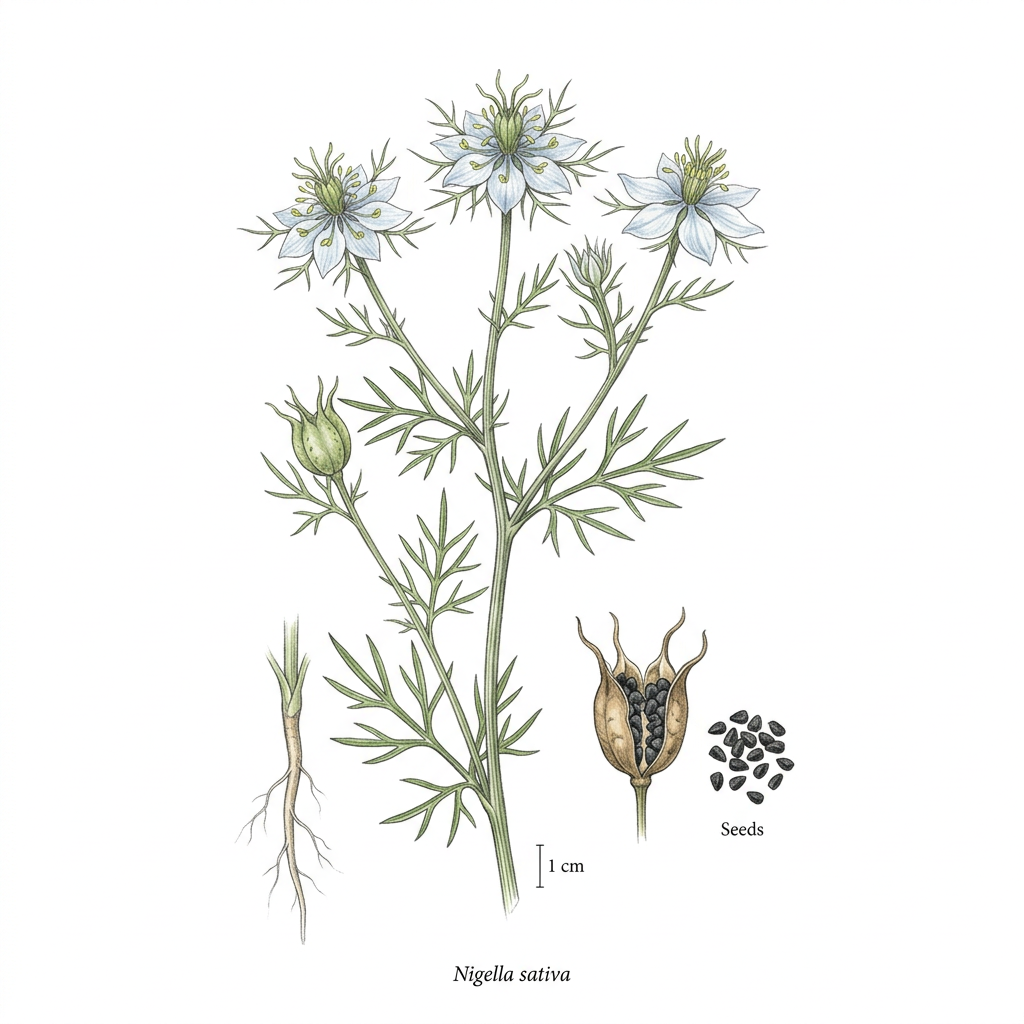
Black Cumin Seed

Black Cumin Seed

Nigella sativa

Antioxidant Support
Brazillian ginseng

Brazillian ginseng

Pfaffia paniculata
Adaptation to Stress
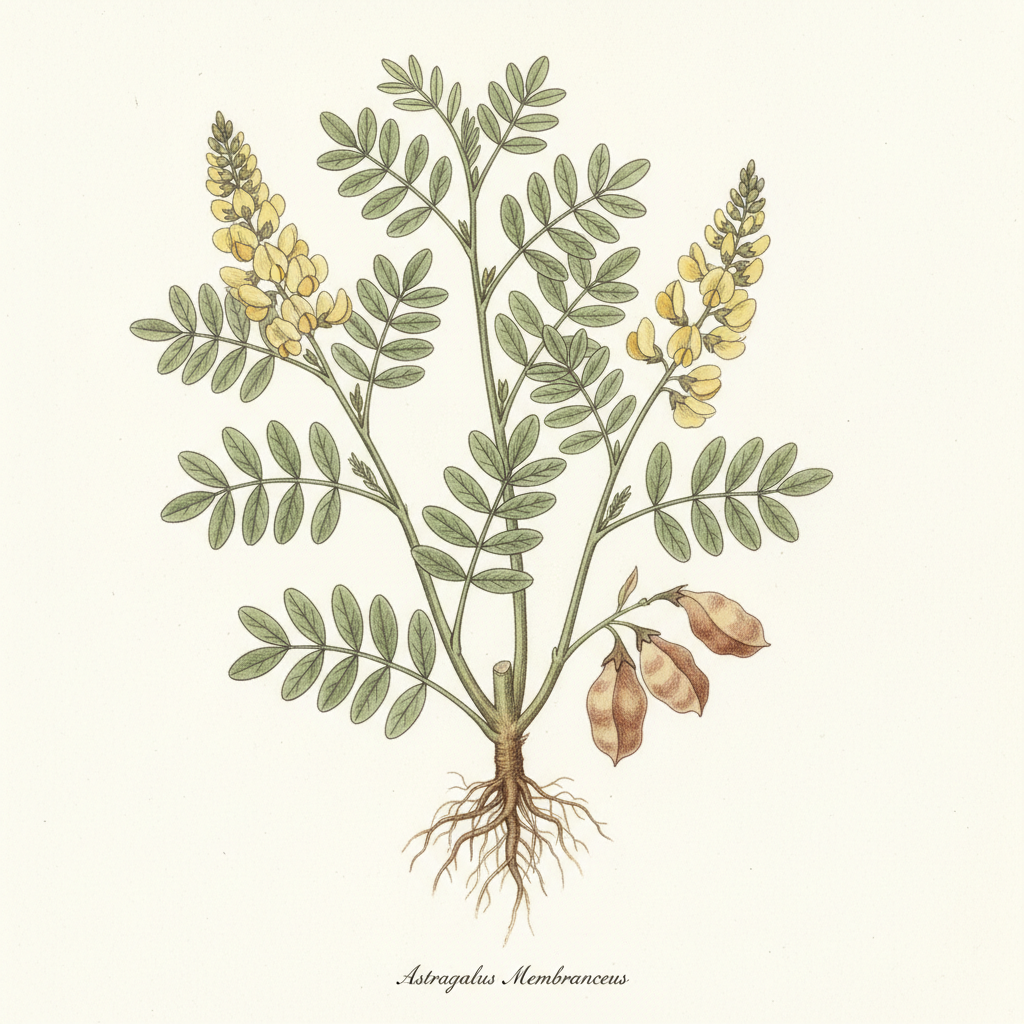
Huang qi

Huang qi

Astragalus membranaceus

Immune Support
Red Clover

Red Clover

Trifolium pratense

Hormonal Balance