The Wild Sage logo
The Wild Sage Logo

Herbal Medicine at your fingertips

Comprehensive database of herbal remedies with detailed safety information and traditional uses

New to herbal terms? Read the glossary →
ADHD
Abcess
Acid Reflux Relief
Acinetobacter
Acne
Acne Vulgaris
Addisons
Adenomyosis
Adenovirus
Adrenal fatigue
Aging
Aids
Alcaligenes faecalis
Alcoholism
Allergic Rhinitis
Allergies
Allergy
Alopoecia
Alopoecia nervosa
Alzheimer's, Dementia & Cognitive Decline
420 herbs found
Important: This information is for educational purposes only. Always consult with qualified healthcare professionals before using herbal remedies, especially if you have existing health conditions or take medications.
Amla

Amla

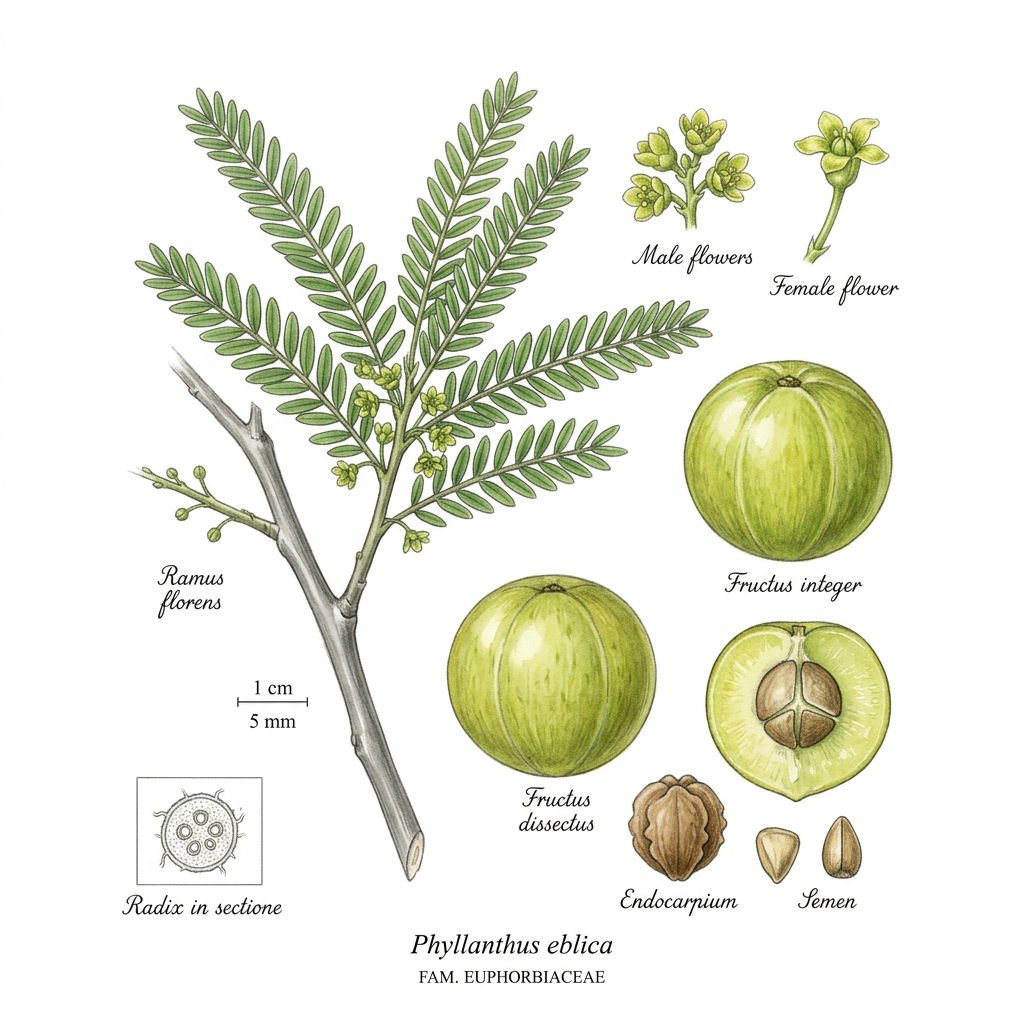
Phyllanthus emblica

low risk Risk
Phyllanthaceae
cooling bitter
<p>Phyllanthus, particularly Phyllanthus eblica, is a genus of flowering plants belonging to the family Phyllanthaceae, renowned in traditional herbal medicine across various cultures, particularly in Ayurvedic practices. Commonly known as "Indian Gooseberry" or "Amla," this herb has been revered for centuries for its comprehensive approach to health and wellness, often featured in ancient texts for its myriad applications in promoting vitality and balance. Historically, Phyllanthus spp. has been utilized not only as a dietary supplement but also as a natural remedy for a range of ailments, from digestive disorders to enhancing overall bodily functions. The therapeutic properties of Phyllanthus eblica are extensive and diverse, making it a valuable asset in herbal medicine. Scientific studies have identified its potent anti-viral, liver-supportive, and digestive-aiding properties. As an anti-viral, Phyllanthus eblica has been shown to help combat various viral infections, including hepatitis and respiratory viruses, by modulating the immune response and potentially inhibiting viral replication. Moreover, its liver-protecting capabilities stem from its ability to enhance detoxification processes, thereby reducing oxidative stress in liver tissues. As a digestive aid, this herb promotes digestive health through its mild laxative effects and by stimulating the production of digestive enzymes, which can alleviate issues such as bloating and indigestion. The mode of action within the body involves a synergistic blend of bioactive compounds, including tannins, flavonoids, and alkaloids, which contribute to its therapeutic effects. These constituents work by promoting hepatocyte (liver cell) regeneration and enhancing the function of the liver's enzymatic systems, which are crucial for detoxification. Additionally, the antioxidant capacity of Phyllanthus eblica supports cellular health by combating the damaging effects of free radicals. This multifaceted approach not only aids the digestive system by optimizing nutrient absorption but also fortifies the immune system, underscoring Phyllanthus spp.'s role as a holistic herb for maintaining overall health and resilience in the face of various stressors.</p>

Uses & Conditions

Digestive Aid
Immune Support
Liver Detoxification
Hair Growth Improvement
Oxidative Stress Reduction
Hepatitis
Inflammatory Conditions
Viral Infection
Diabetes
Non-alcoholic Fatty Liver Disease (NAFLD)
Renal Impairment
Alopecia
Bloating
Indigestion

Actions

Anti-viral
Liver Support
NFkB Inhibitor
TNF-a Reduction
Hepatic

Parts Used

• Fruit: Eaten fresh
dried
juiced
or powdered for immunity
digestion
and hair health. • Seeds: Often used for specific herbal extractions and fixed oils. • Leaves & Flowers: Used in various cooling tonics and infusions. • Bark & Roots: Employed in topical pastes and traditional formulations

Native Countries

Tropical africa

USDA Hardiness Zones

USDA 10-11

Contraindications

  • Pregnancy and breastfeeding: insufficient clinical evidence to confirm safety in high doses.
  • Upcoming surgery: discontinue use at least two weeks prior to elective surgery due to potential influence on blood clotting.
  • Active gastrointestinal bleeding: the mild laxative and irritant nature of fruit acids may exacerbate symptoms.
  • Severe kidney dysfunction: due to high levels of specific mineral content and fruit acids requiring careful monitoring.

Potential Side Effects

  • Mild gastrointestinal disturbance such as loose stools in sensitive individuals.
  • Occasional acidity or heartburn when taken on an empty stomach.
  • Rare allergic skin reactions in predisposed individuals.

Interactions

  • Antidiabetic medications: may enhance the effect, increasing the risk of hypoglycaemia.
  • Anticoagulant or antiplatelet drugs: theoretical risk of increased bleeding due to potential mild antiplatelet activity.
  • Hepatotoxic medications: may theoretically alter the metabolism of drugs processed by the liver.
  • Iron supplements: high vitamin C content may enhance absorption, potentially necessitating dosage adjustment of the iron supplement.

Dosages, tincture ratios & research — members only

Unlock Garreth's dosing guidance, tincture ratios, the dosage calculator and the research studies for Amla.

Your assessment and results stay saved — upgrading only unlocks more of them.

See membership plans

Community Photos

No community photos yet. Sign in to upload photos.

Reviews & Ratings

Sign in to leave a review.

No reviews yet. Be the first!

GF

Garreth Falls — B.Th., Dip. H.M., MNIMH

Content curated and reviewed by Garreth Falls, Consultant Medical Herbalist · The Wild Sage

Medical Disclaimer: This information is for educational purposes only and is not intended as medical advice. Always consult with qualified healthcare professionals before starting any herbal treatment.
Ayurvedic tradition

Sustainability & quality

Cultivated

Widely farmed in India for both medicinal and dietary use; ensure reliable supply chain to prevent substitution.

Key constituents

Hydrolysable tannins (Emblicanin A and B), Ascorbic acid (Vitamin C), Phylllemblin, Ellagic acid, Gallic acid, Flavonoids, Pectin, Phenolic compounds

References

  1. Pole "Ayurvedic Medicine" 2006
  2. Bensky "Chinese Herbal Medicine: Materia Medica" 3rd ed. 2004
  3. Herbal Reality. Herb monographs. herbalreality.com

Reviewed by Garreth, Medical Herbalist (MNIMH) · October 2026

Related conditions

Explore conditions where Amla is traditionally used.

Related Herbs
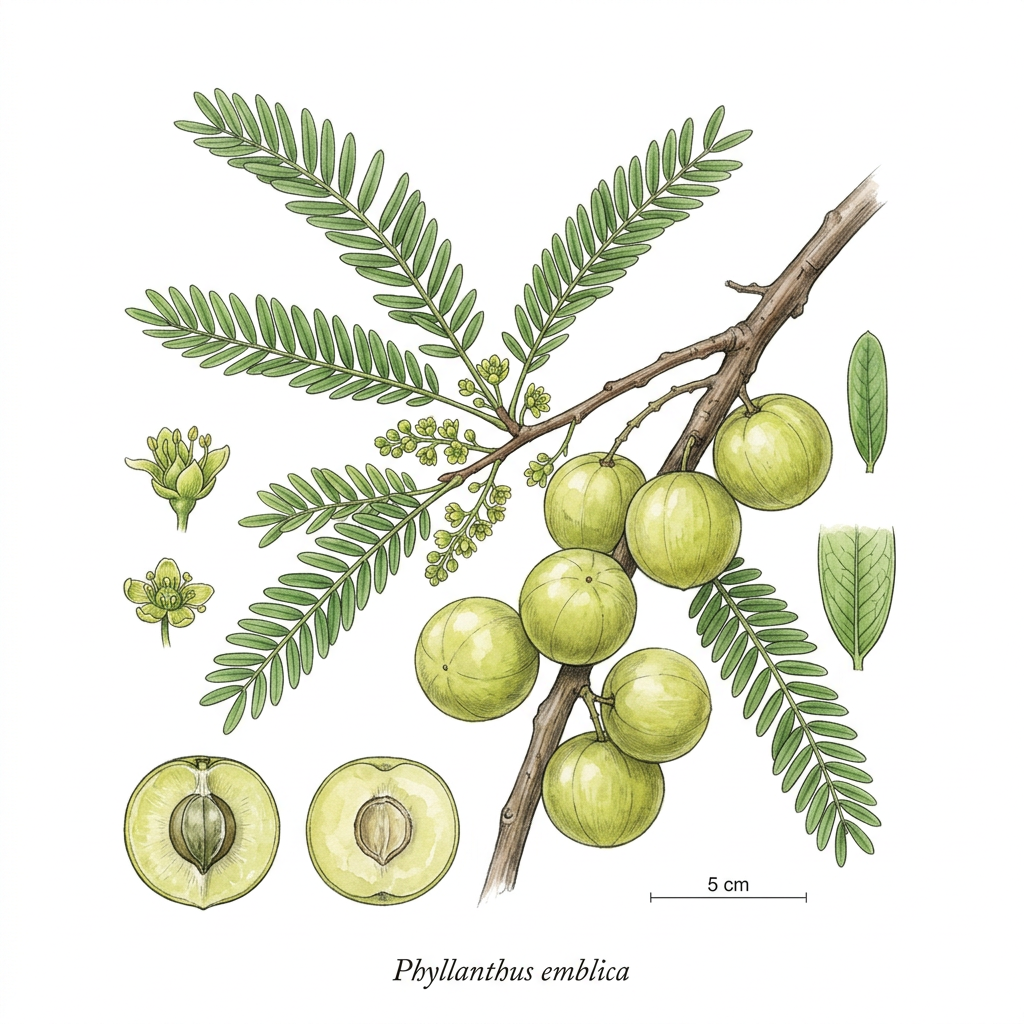
Indian Gooseberry - Amla

Indian Gooseberry - Amla

Phyllanthus emblica
Immune Support
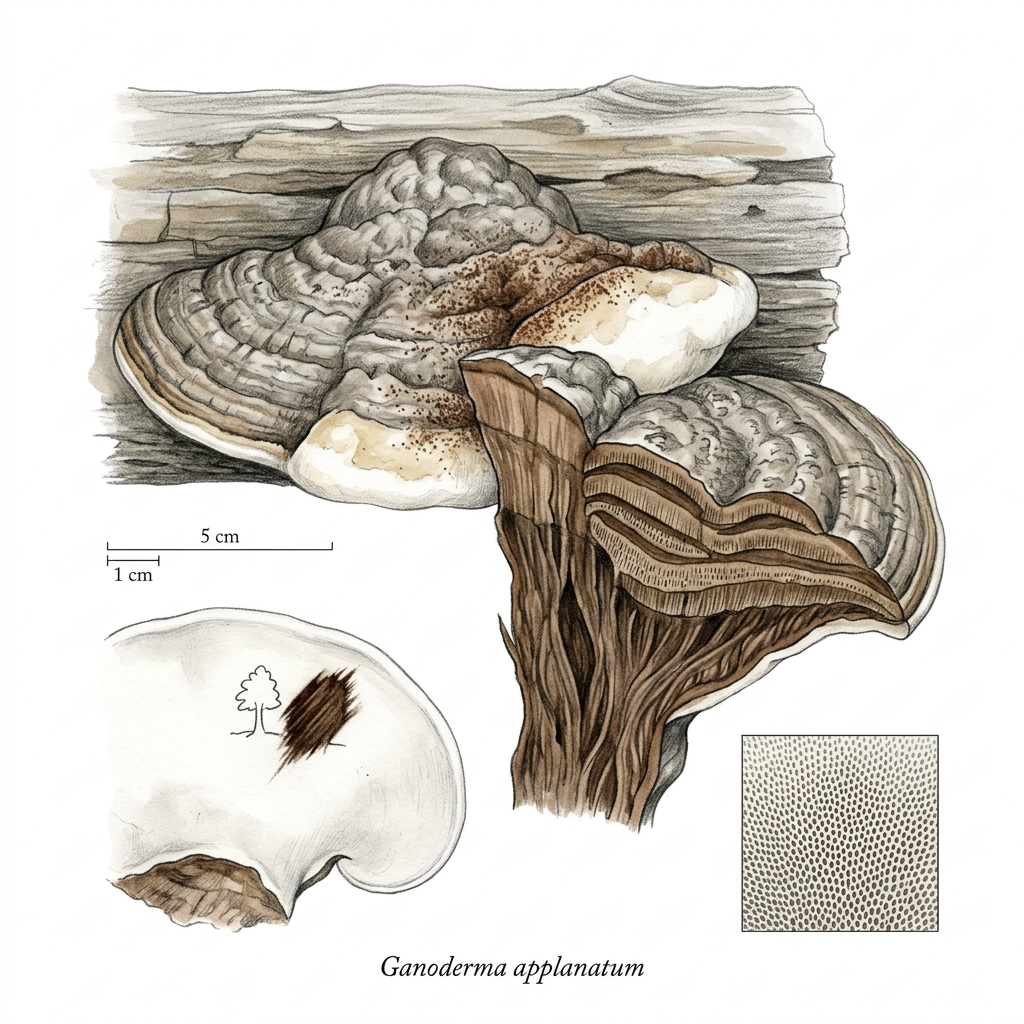
Artist's Conk

Artist's Conk

Ganoderma applanatum

Immune Support
Bayberry

Bayberry

Myrica cerifera

Digestive Aid
Cardamom

Cardamom

Elettaria cardamomum

Digestive Aid