The Wild Sage logo
The Wild Sage Logo

Herbal Medicine at your fingertips

Comprehensive database of herbal remedies with detailed safety information and traditional uses

New to herbal terms? Read the glossary →
ADHD
Abcess
Acid Reflux Relief
Acinetobacter
Acne
Acne Vulgaris
Addisons
Adenomyosis
Adenovirus
Adrenal fatigue
Aging
Aids
Alcaligenes faecalis
Alcoholism
Allergic Rhinitis
Allergies
Allergy
Alopoecia
Alopoecia nervosa
Alzheimer's, Dementia & Cognitive Decline
420 herbs found
Important: This information is for educational purposes only. Always consult with qualified healthcare professionals before using herbal remedies, especially if you have existing health conditions or take medications.
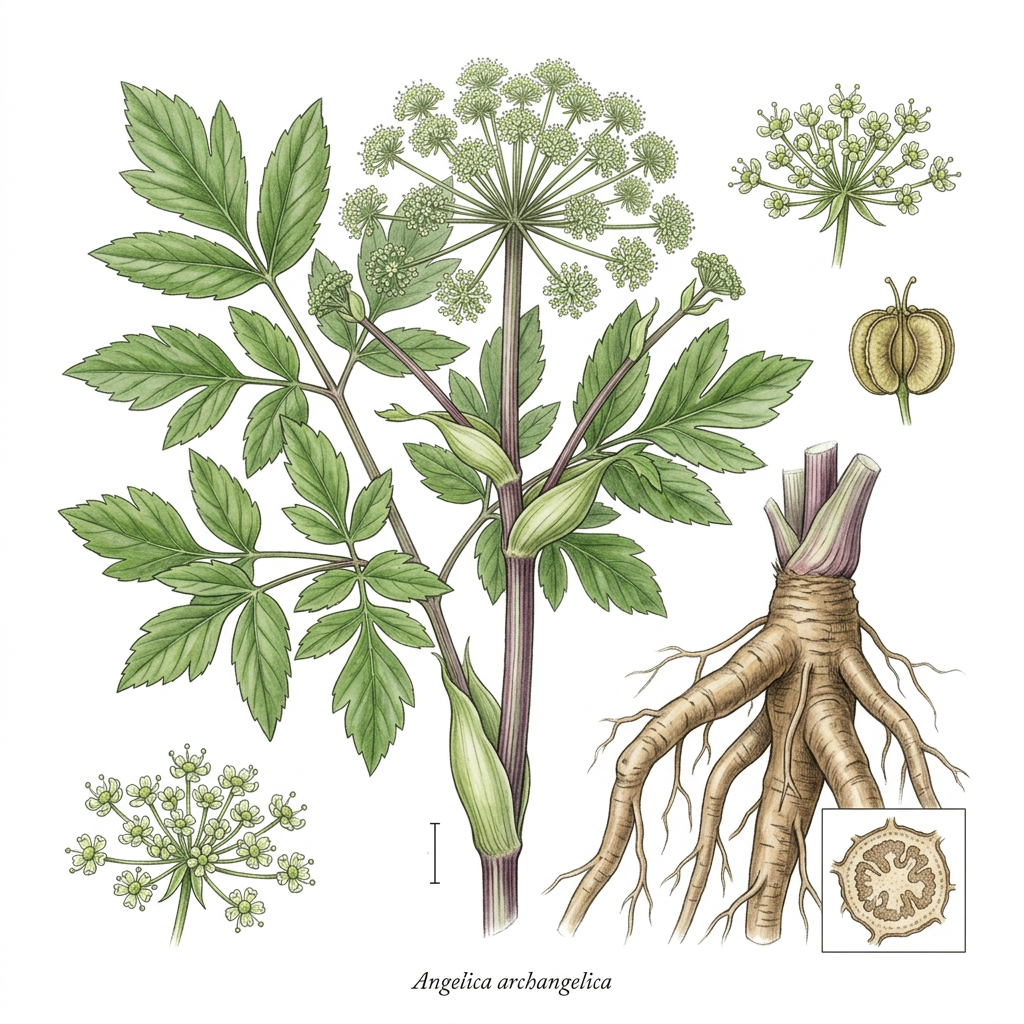
Angelica

Angelica

Angelica archangelica

moderate risk Risk
Apiaceae
Protective herb enhancing intuition and spiritual guidance, connecting earth with the divine.
<p>Angelica, commonly known as archangel or garden angelica, is a prominent herb in the Umbelliferae (Apiaceae) family, renowned for its distinctive aromatic qualities and historical significance in traditional herbal medicine. Originating in the temperate regions of Europe and Asia, Angelica archangelica has been utilized for centuries, with roots tracing back to the Middle Ages, where it was revered as a sacred herb. It was often employed by herbalists to ward off ailments, invoking its protective properties as part of various traditional rituals. The efficacy of Angelica led to its inclusion in the pharmacopoeias of numerous cultures, and it has been celebrated not only for its culinary use—particularly in desserts and as a flavoring in liqueurs—but also for its remarkable therapeutic applications that address both digestive and respiratory health. The therapeutic properties of Angelica are vast, making it a valuable ally in promoting overall health. It is primarily recognized as a warming digestive and respiratory tonic, effectively alleviating conditions such as indigestion, coughs, and colds. Its warming action stimulates circulation and enhances digestive function, which can ease discomfort and promote nutrient absorption. Additionally, Angelica possesses carminative, expectorant, and antimicrobial properties, contributing to its effectiveness against respiratory infections and gastrointestinal disturbances. The essential oils contained within the herb, particularly phthalides and coumarins, support its broad-spectrum activity, aiding in the relaxation of smooth muscles in the digestive tract and fostering the clearance of mucus from the respiratory passages. When consumed, Angelica acts synergistically in the body, stimulating the gastrointestinal system and promoting secretions of digestive juices, which can alleviate bloating and discomfort associated with indigestion. Its expectorant properties facilitate the expulsion of phlegm, thus relieving coughs and congestion during colds. The warming nature of Angelica also enhances blood flow and encourages detoxification processes, contributing to an overall sense of well-being. Whether used in tinctures, teas, or medicinal extracts, Angelica archangelica remains a quintessential herb that embodies the intersection of tradition and modern herbalism, offering holistic benefits rooted in its historical use and biochemical properties.</p>

Uses & Conditions

Circulatory Stimulant
Indigestion
Coughs
Colds
Bronchitis
Anorexia
Rheumatism
Pleurisy
Psoriasis
Cystitis
Urinary Tract Infection
Hypothyroidism
Buerger's Disease
Dyspepsia
Flatulence
Poor Appetite
Raynaud's Disease
Colic
Athlete's Foot
Anaemia

Actions

Warming

Parts Used

Aerial parts
Roots
Whole plant

Native Countries

Europe
Mediterranean
Northern Europe

USDA Hardiness Zones

USDA 3-7

Contraindications

  • Avoid during pregnancy
  • High doses may affect the nervous system
  • Risk of photosensitivity

Potential Side Effects

  • Increased sensitivity to light

Dosages, tincture ratios & research — members only

Unlock Garreth's dosing guidance, tincture ratios, the dosage calculator and the research studies for Angelica.

Your assessment and results stay saved — upgrading only unlocks more of them.

See membership plans

Community Photos

No community photos yet. Sign in to upload photos.

Reviews & Ratings

Sign in to leave a review.

No reviews yet. Be the first!

GF

Garreth Falls — B.Th., Dip. H.M., MNIMH

Content curated and reviewed by Garreth Falls, Consultant Medical Herbalist · The Wild Sage

Medical Disclaimer: This information is for educational purposes only and is not intended as medical advice. Always consult with qualified healthcare professionals before starting any herbal treatment.
Western tradition

Sustainability & quality

Cultivated

Largely grown commercially for the pharmaceutical trade; ensure origin from well-managed farms.

Key constituents

Angelica, Anti-inflammatory, Essential oil, flavonoids, Sterols, Acolamone, Acoric acid, Angelicine, Caryophyllane, limonene, Phellandrene, Pinene, Thujene, Fouranocoumarin

References

  1. ESCOP Monographs 2nd ed. 2003
  2. British Herbal Pharmacopoeia 1983

Reviewed by Garreth, Medical Herbalist (MNIMH) · October 2026

Related conditions

Explore conditions where Angelica is traditionally used.

Related Herbs
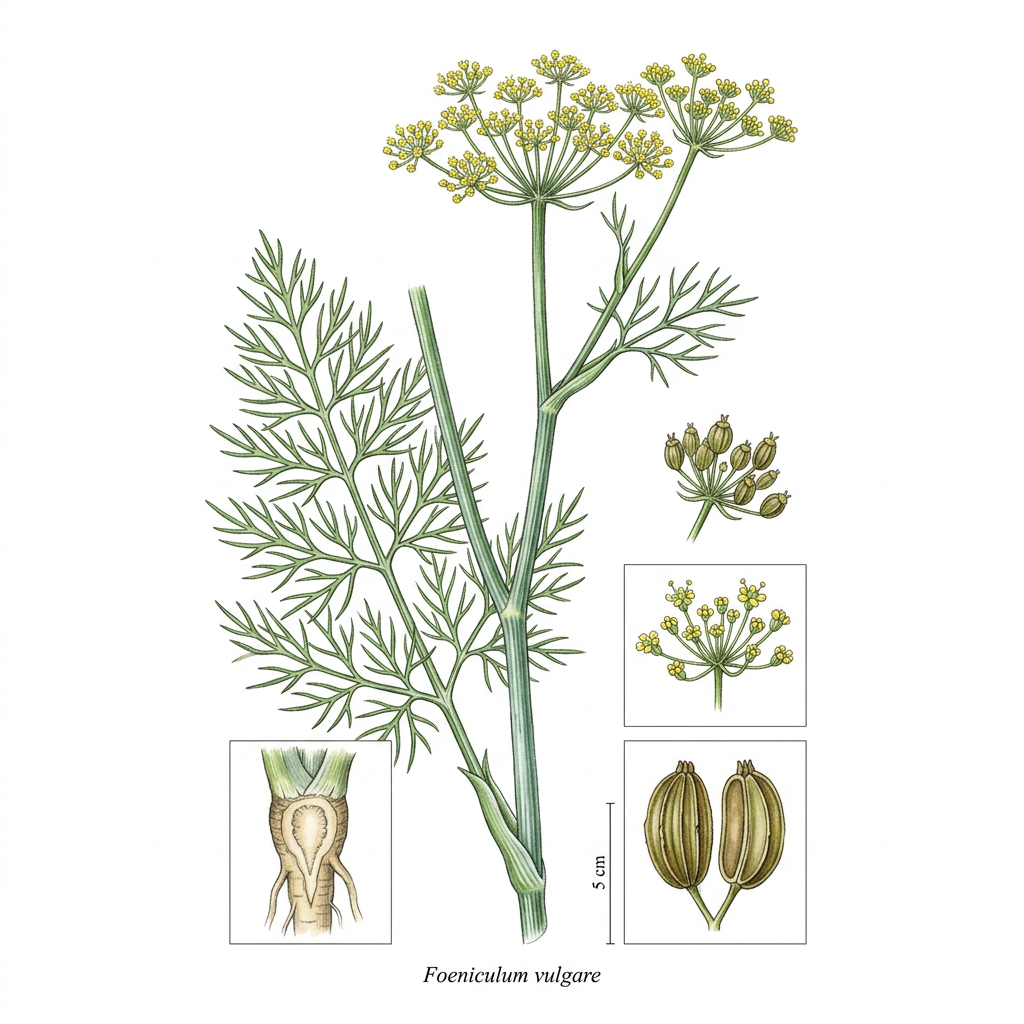
Fennel

Fennel

Foeniculum vulgare

Digestive Aid
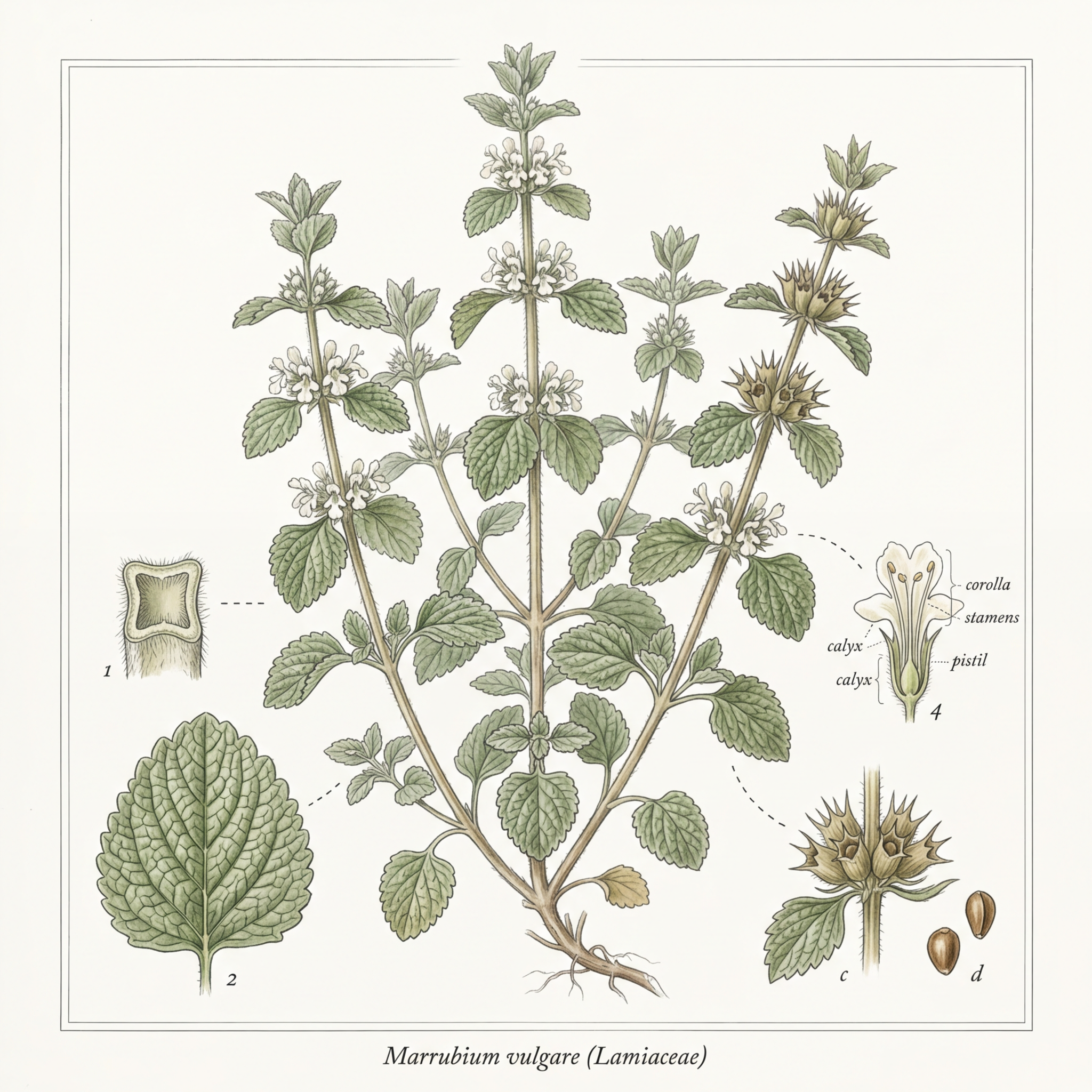
White Horehound

White Horehound

Marrubium vulgare

Digestive aid
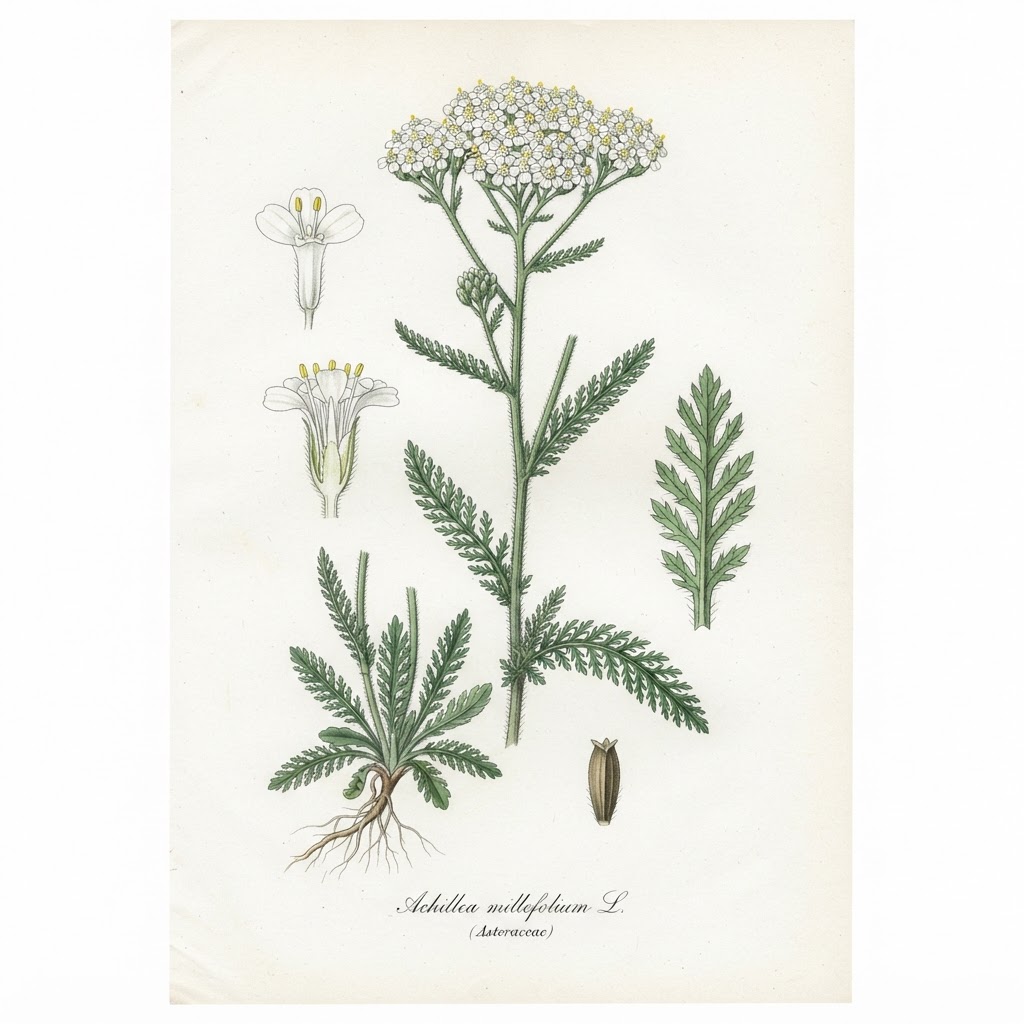
Yarrow

Yarrow

Achillea millefolium

Digestive Tonic
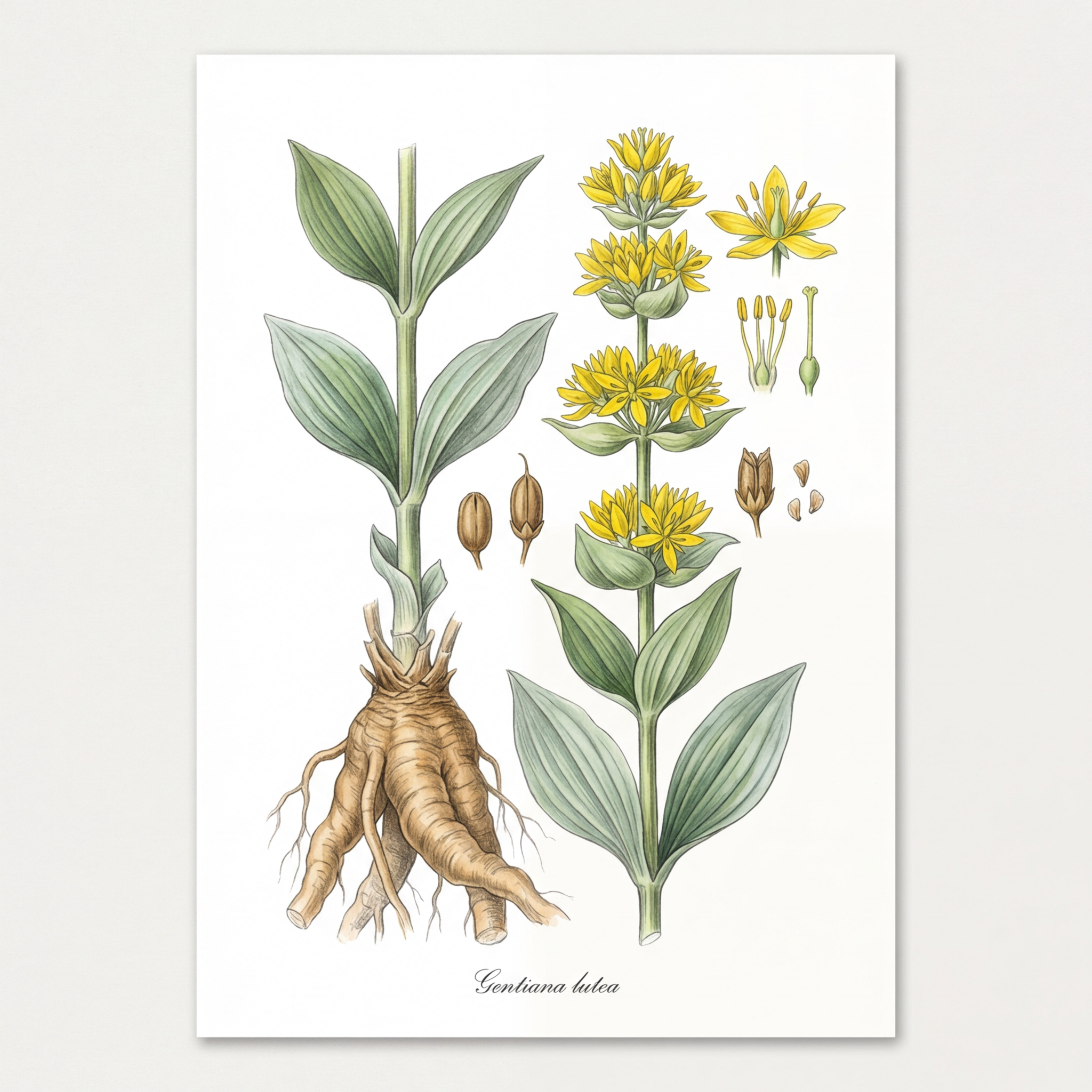
Gentian

Gentian

Gentiana lutea

Convalescence