The Wild Sage logo
The Wild Sage Logo

Herbal Medicine at your fingertips

Comprehensive database of herbal remedies with detailed safety information and traditional uses

New to herbal terms? Read the glossary →
ADHD
Abcess
Acid Reflux Relief
Acinetobacter
Acne
Acne Vulgaris
Addisons
Adenomyosis
Adenovirus
Adrenal fatigue
Aging
Aids
Alcaligenes faecalis
Alcoholism
Allergic Rhinitis
Allergies
Allergy
Alopoecia
Alopoecia nervosa
Alzheimer's, Dementia & Cognitive Decline
420 herbs found
Important: This information is for educational purposes only. Always consult with qualified healthcare professionals before using herbal remedies, especially if you have existing health conditions or take medications.
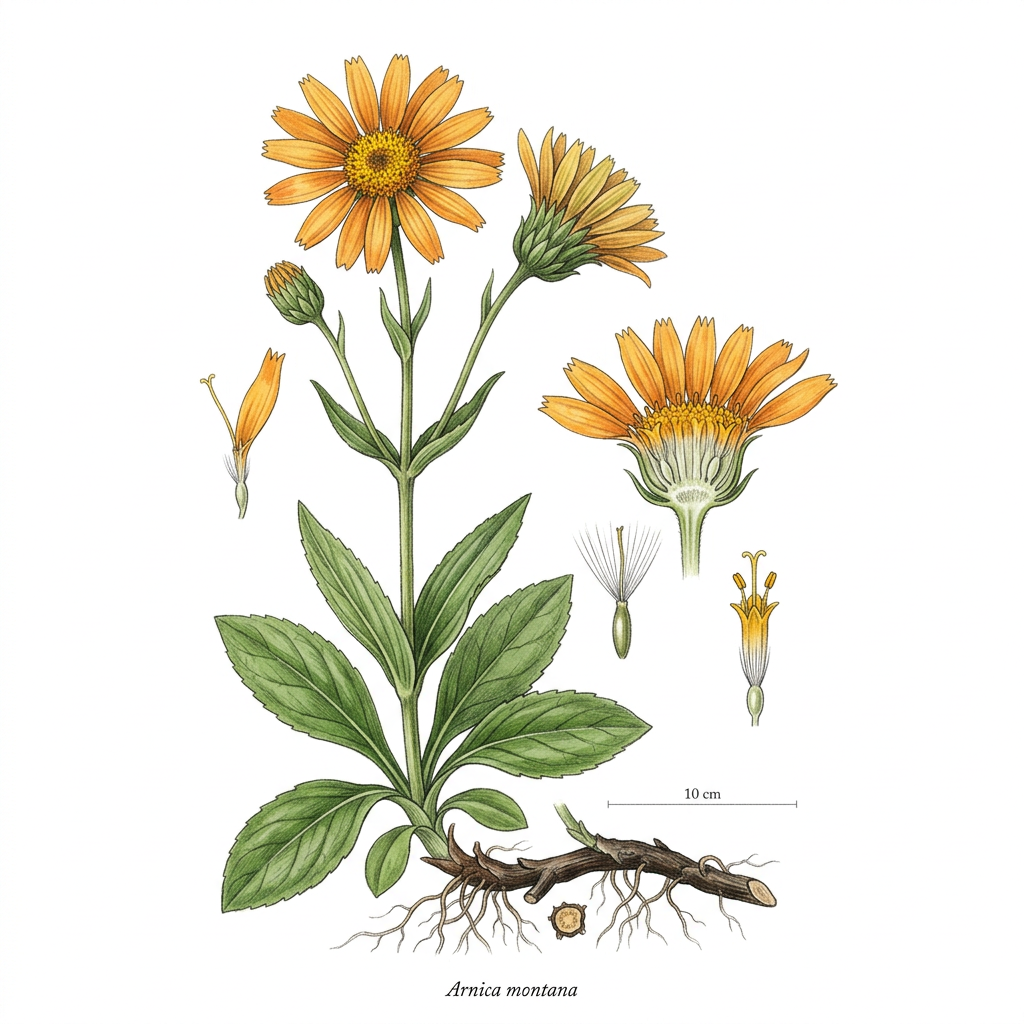
Arnica

Arnica

Arnica montana

high risk Risk
Asteraceae
Known for its energizing and revitalizing properties, Arnica montana is believed to help stimulate circulation and promote healing.
<p>Arnica montana, commonly known as arnica, is a perennial herbaceous plant belonging to the Asteraceae family. Native to the mountainous regions of Europe and North America, this vibrant, yellow-flowered herb has a rich history rooted in traditional medicine. Historically, indigenous peoples in North America and herbalists in Europe have utilized arnica for centuries to treat various ailments, particularly for injuries and inflammatory conditions. The roots and flowers of arnica are often used in topical formulations, where they have been prized for their potent healing properties. Ancient texts reveal that arnica was commonly applied to bruises, sprains, and muscle soreness, underscoring its longstanding reputation as a natural remedy for physical trauma. Arnica exhibits a range of therapeutic properties that contribute to its effectiveness in alleviating pain and promoting healing. Its primary actions include anti-inflammatory, analgesic, and antiseptic effects, which make it a valuable ally in managing both acute and chronic musculoskeletal injuries. The active compounds, such as helenalin and other sesquiterpene lactones, have been shown to inhibit inflammatory pathways, thereby reducing swelling and discomfort. Additionally, arnica enhances local blood circulation, which may expedite the resorption of bruises and expedite tissue healing. When applied topically, arnica is particularly beneficial for conditions like contusions, sprains, and general muscle soreness. However, it is crucial to note that arnica should only be used externally, as internal use can be toxic. The mechanism by which arnica exerts its beneficial effects involves the modulation of immune responses at the site of application. The active compounds present in arnica stimulate the body’s natural healing processes, promoting the release of anti-inflammatory cytokines while inhibiting pro-inflammatory agents. This action not only alleviates pain but also aids in the healing of damaged tissues. Moreover, the topical application of arnica can enhance blood flow to the injured area, ensuring a steady supply of oxygen and nutrients necessary for tissue repair. As a result, arnica montana remains a favored option among practitioners of herbal medicine and those seeking natural solutions for pain relief and recovery from injury.</p>

Uses & Conditions

Tissue Repair
Wound Healing
Alopecia
Arthritis
Boils
Bruising
Dandruff
Haemorrhoids
Insect Bites
Muscular Pain
Osteoarthritis
Repetitive Strain Injury
Sprains
Varicose Veins
Venous Insufficiency

Actions

Analgesic
Anti-inflammatory
Anti-microbial
Circulatory Stimulant
Counter-irritant
TNF Inhibitor

Parts Used

Flowers
Leaves
Whole plant

Native Countries

Europe
Mediterranean
Northern Europe

USDA Hardiness Zones

USDA 3-7

Contraindications

  • Broken skin
  • Allergy to Asteraceae

Interactions

  • Anticoagulants or antiplatelet drugs: theoretically may increase the risk of bruising or bleeding if systemic absorption occurs
  • Topical corticosteroid creams: potential for synergistic or irritant effects upon the skin
  • Asteraceae family herbs: potential for cross-sensitivity reactions in individuals with known allergies
  • Prescription anti-inflammatory medications: use caution when combining topical application with potent pharmaceutical preparations

Dosages, tincture ratios & research — members only

Unlock Garreth's dosing guidance, tincture ratios, the dosage calculator and the research studies for Arnica.

Your assessment and results stay saved — upgrading only unlocks more of them.

See membership plans

Community Photos

No community photos yet. Sign in to upload photos.

Reviews & Ratings

Sign in to leave a review.

No reviews yet. Be the first!

GF

Garreth Falls — B.Th., Dip. H.M., MNIMH

Content curated and reviewed by Garreth Falls, Consultant Medical Herbalist · The Wild Sage

Medical Disclaimer: This information is for educational purposes only and is not intended as medical advice. Always consult with qualified healthcare professionals before starting any herbal treatment.
Western tradition

Sustainability & quality

At risk

Protected in many European countries; wild collection is often restricted, so purchase certified organic cultivated material.

Key constituents

Arnica extract, Anti-inflammatory, Alkaloids, flavonoids, Pyrrolizidine alkaloids, Sesquiterpine lactones, Triterpenoids, Volatile Oils, Quercitrin

References

  1. ESCOP Monographs 2nd ed. 2003
  2. EMA/HMPC Community Herbal Monograph
  3. Mills & Bone "The Essential Guide to Herbal Safety" 2005
  4. Herbal Reality. Herb monographs. herbalreality.com

Reviewed by Garreth, Medical Herbalist (MNIMH) · October 2026

Related conditions

Explore conditions where Arnica is traditionally used.

Related Herbs

Chamomile

Chamomile

Matricaria recutita

Digestive Tonic
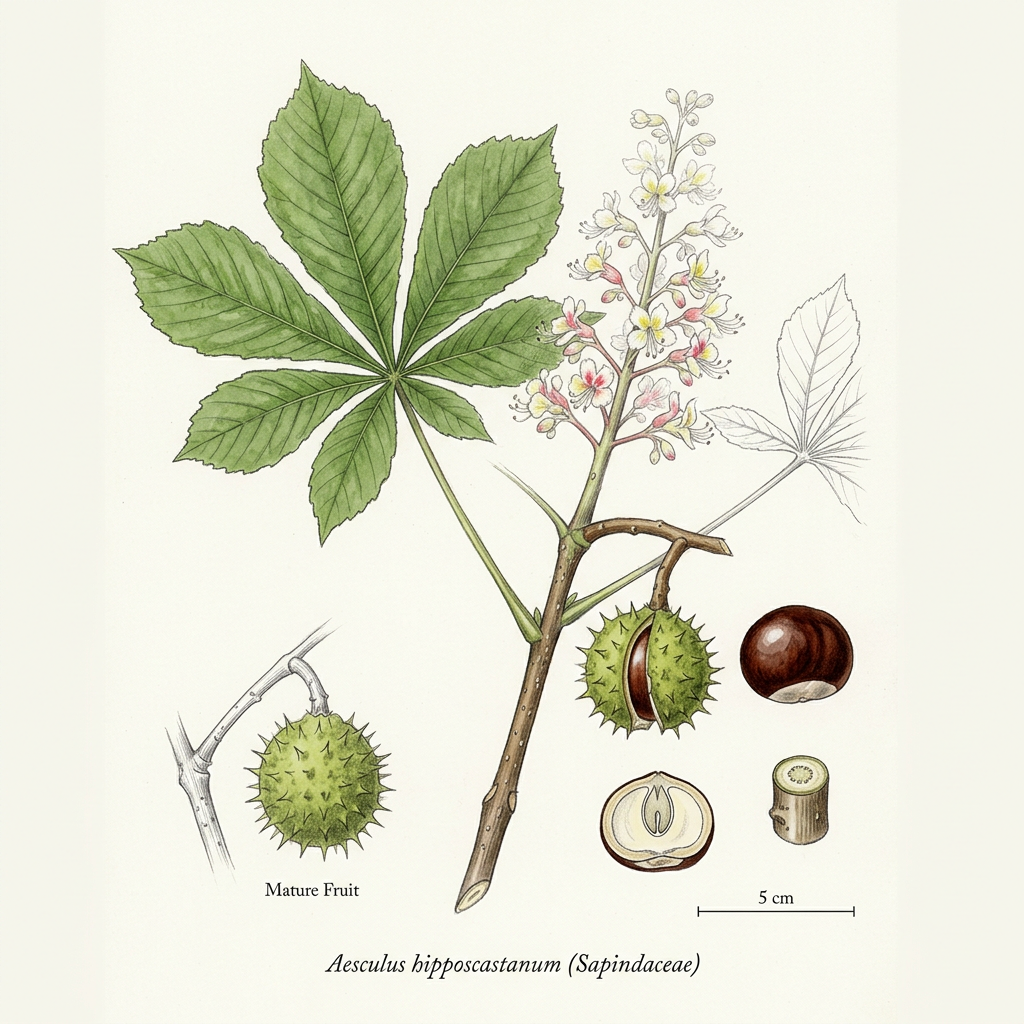
Horse Chestnut

Horse Chestnut

Aesculus hipposcastanum
Blood Tonic
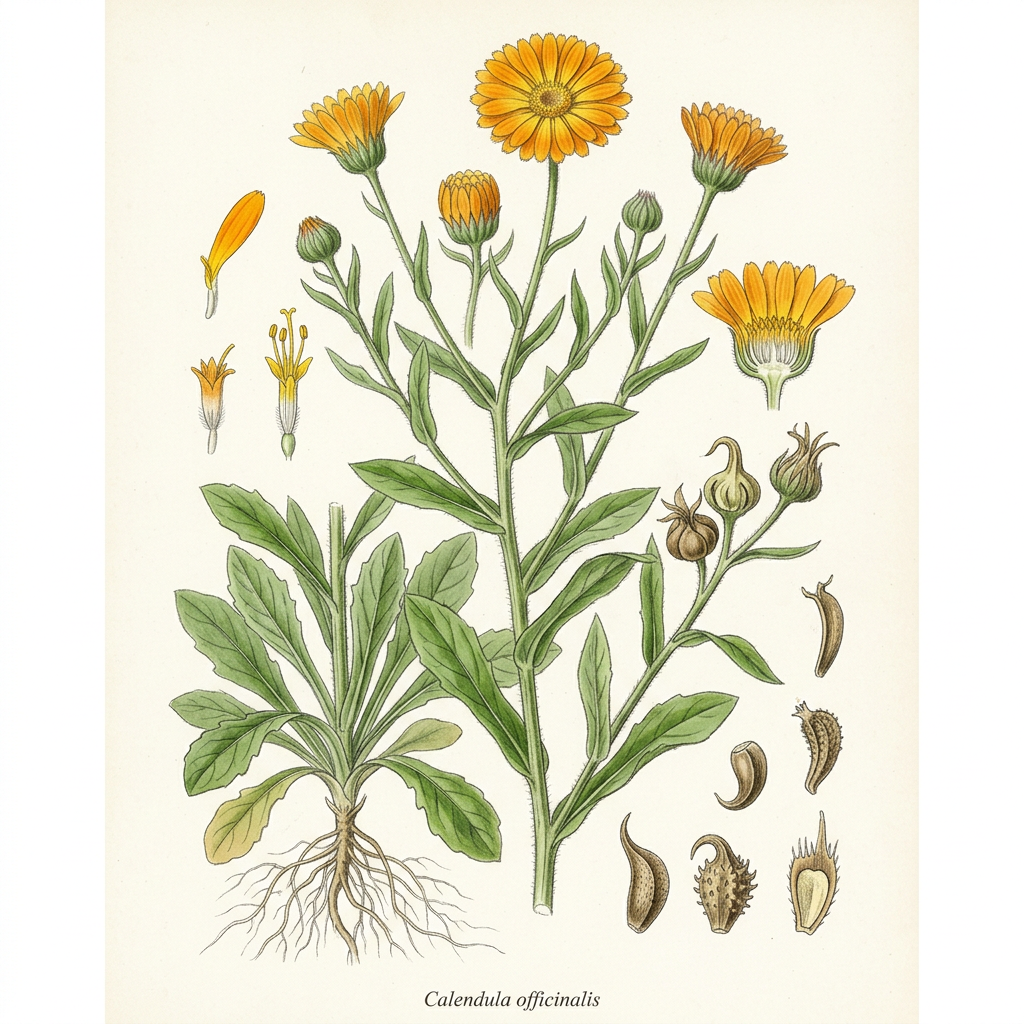
Marigold

Marigold

Calendula officinalis

Lymphatic Support
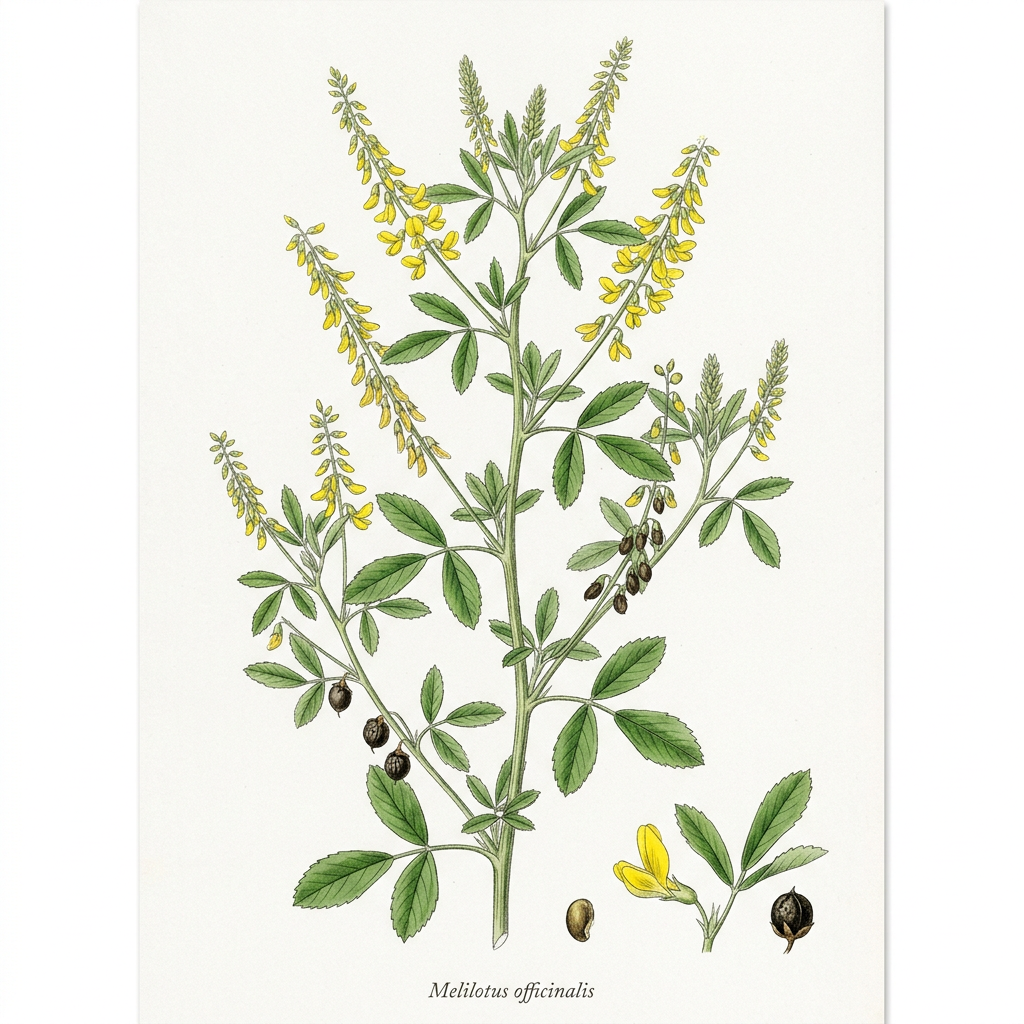
Melilot

Melilot

Melilotus officinalis