The Wild Sage logo
The Wild Sage Logo

Herbal Medicine at your fingertips

Comprehensive database of herbal remedies with detailed safety information and traditional uses

New to herbal terms? Read the glossary →
ADHD
Abcess
Acid Reflux Relief
Acinetobacter
Acne
Acne Vulgaris
Addisons
Adenomyosis
Adenovirus
Adrenal fatigue
Aging
Aids
Alcaligenes faecalis
Alcoholism
Allergic Rhinitis
Allergies
Allergy
Alopoecia
Alopoecia nervosa
Alzheimer's, Dementia & Cognitive Decline
420 herbs found
Important: This information is for educational purposes only. Always consult with qualified healthcare professionals before using herbal remedies, especially if you have existing health conditions or take medications.
Artichoke

Artichoke

Cynara scolymus

low risk Risk
Asteraceae
<p>Artichoke, scientifically known as Cynara scolymus, is a perennial thistle that belongs to the Asteraceae family. This intriguing plant has long been celebrated for its culinary and medicinal properties. Historically, artichoke has roots in the Mediterranean regions, where it has been cultivated since antiquity. Ancient Greeks and Romans recognized its value not only as a sumptuous food but also for its purported health benefits. Traditionally, artichoke was employed for digestive disorders, liver ailments, and to promote overall vitality, reinforcing its position in herbal medicine through the ages. **Therapeutic Properties and Benefits:** The therapeutic profile of artichoke is both diverse and robust. It is renowned primarily for its liver-supportive properties, acting as a hepatotrophic agent that promotes liver cell health and functionality. Artichoke is rich in bioactive compounds such as cynarin and flavonoids, which contribute to its effective cholagogue action, aiding in the production and flow of bile. This mechanism not only supports digestion but also facilitates the elimination of toxins from the body. Additionally, artichoke exhibits hypocholesterolemic effects, helping to lower total and LDL cholesterol levels, which is particularly beneficial for individuals at risk of cardiovascular disease. Its digestive tonic properties can alleviate symptoms of dyspepsia, while its diuretic nature encourages the elimination of excess fluid, promoting overall renal health. **How it Works in the Body:** Artichoke's impressive array of actions can be attributed to its unique phytochemical composition. The bitter compounds present in artichoke stimulate the production of bile, enhancing fat digestion and supporting nutrient absorption. By promoting bile flow, artichoke also assists in the metabolism of cholesterol, helping to regulate its levels in the bloodstream. Furthermore, the plant's depurative qualities contribute to detoxification, ensuring that waste products are efficiently processed by the liver and kidneys. The anti-emetic action of artichoke can help soothe nausea, particularly when digestive distress is present. Overall, artichoke serves as a multifunctional ally for digestive health and liver function, making it a staple in both traditional and modern herbal medicine.</p>

Uses & Conditions

Liver Support
Digestive Aid
Hypocholesterolemic
Dyspepsia
Cholestasis
Gall Stones
Atherosclerosis
Anorexia
Bloating
Colic
Constipation
Cholecystitis

Actions

Hepatoprotective
Choleretic
Cholagogue
Bitter
Depurative
Diuretic
Anti-emetic
Hepatotrophorestorative
Adrenal Tonic

Parts Used

leaf

Native Countries

Mediterranean

USDA Hardiness Zones

8-11

Contraindications

  • Bile duct obstruction

Potential Side Effects

  • Allergic reaction in those sensitive to the Asteraceae family

Interactions

  • Anticoagulants such as warfarin: potential for increased bleeding risk
  • Bile duct obstruction medications: avoid use due to stimulation of bile flow
  • Gallstone treatment: seek medical supervision as increased bile output may cause movement of stones
  • Diuretic medications: potential for additive effects on blood pressure and electrolytes

Dosages, tincture ratios & research — members only

Unlock Garreth's dosing guidance, tincture ratios, the dosage calculator and the research studies for Artichoke.

Your assessment and results stay saved — upgrading only unlocks more of them.

See membership plans

Community Photos

No community photos yet. Sign in to upload photos.

Reviews & Ratings

Sign in to leave a review.

No reviews yet. Be the first!

GF

Garreth Falls — B.Th., Dip. H.M., MNIMH

Content curated and reviewed by Garreth Falls, Consultant Medical Herbalist · The Wild Sage

Medical Disclaimer: This information is for educational purposes only and is not intended as medical advice. Always consult with qualified healthcare professionals before starting any herbal treatment.
Western tradition

Sustainability & quality

Cultivated

Widely farmed for culinary and therapeutic use. Ensure sourcing from organic agricultural production.

Key constituents

Cynara scolymus extract, Cynarin, Sesquiterpine lactones, Caffeic acid, Luteolin

References

  1. Bone & Mills "Principles and Practice of Phytotherapy" 2nd ed. 2013
  2. ESCOP Monographs 2nd ed. 2003
  3. Herbal Reality. Herb monographs. herbalreality.com

Reviewed by Garreth, Medical Herbalist (MNIMH) · October 2026

Related conditions

Explore conditions where Artichoke is traditionally used.

Related Herbs
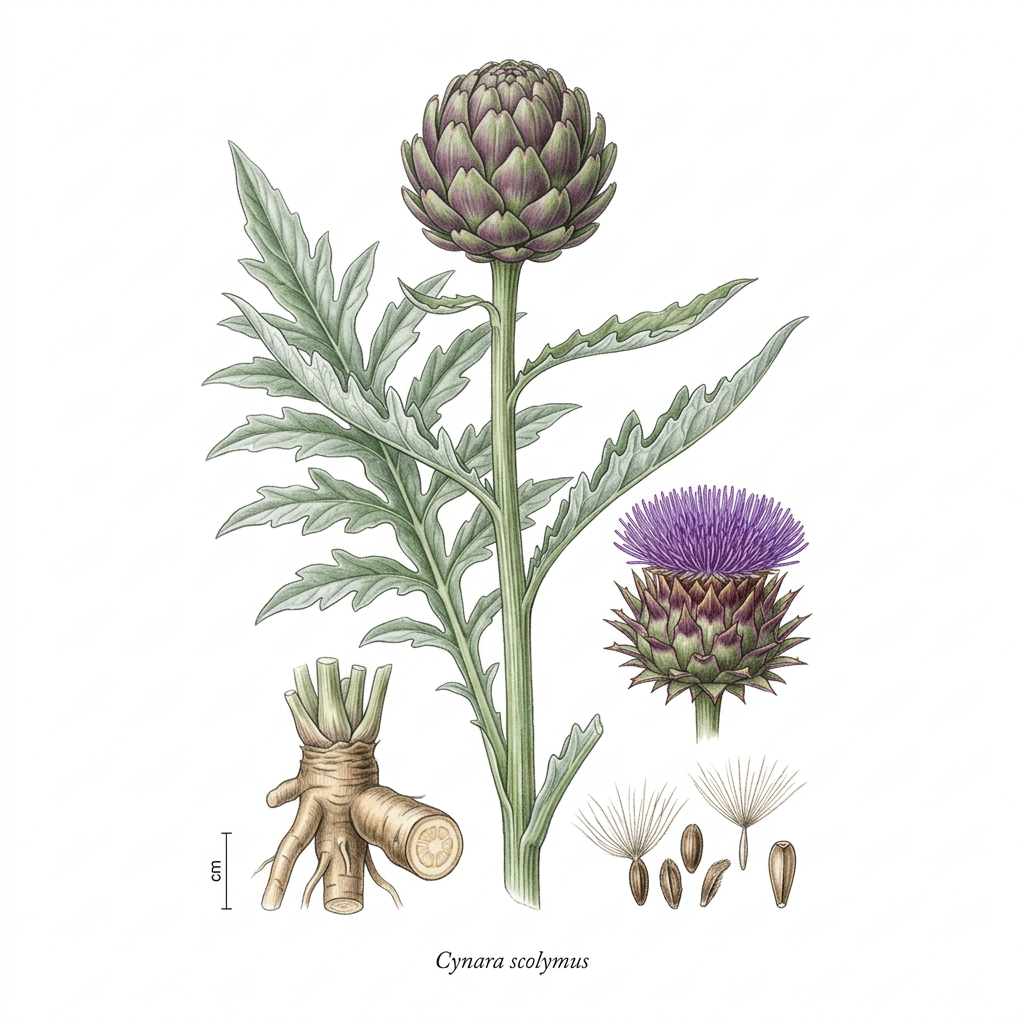
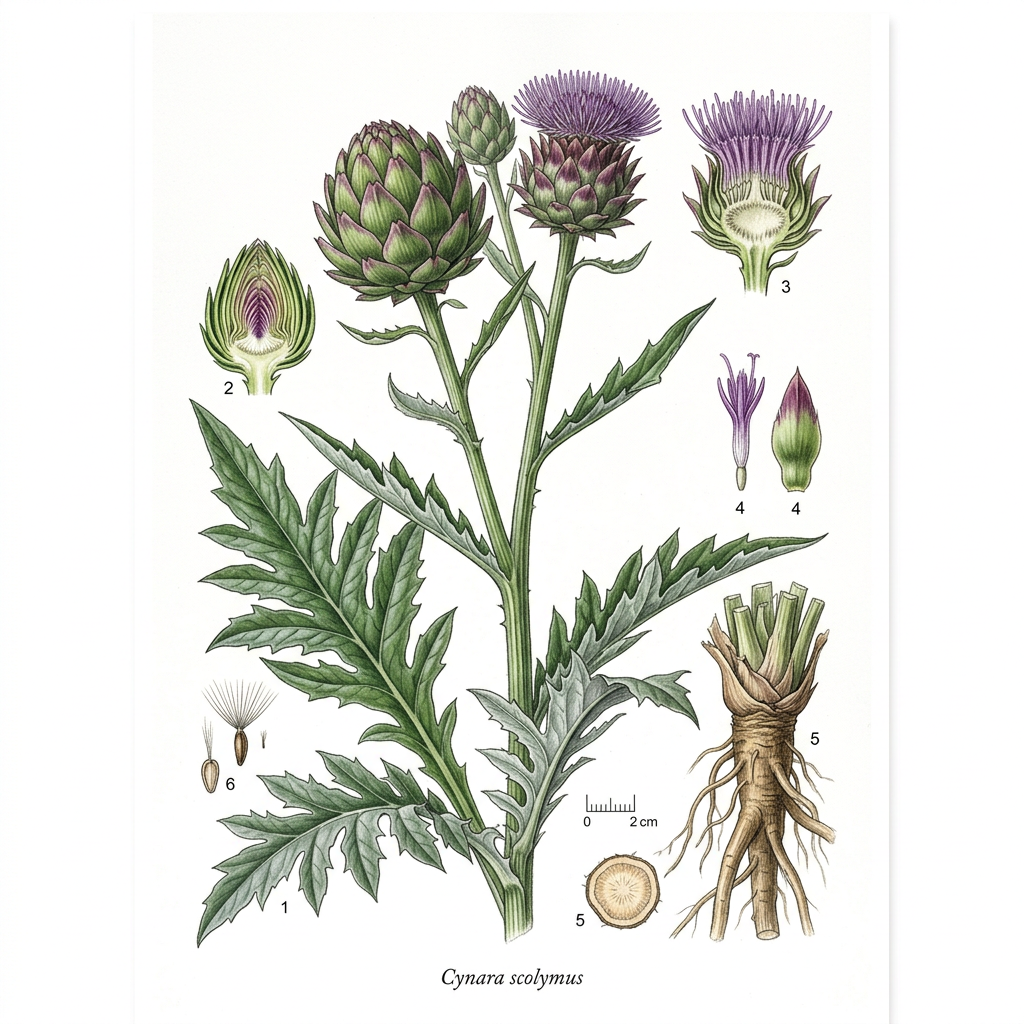
Globe artichoke

Globe artichoke

Cynara scolymus

Liver Support
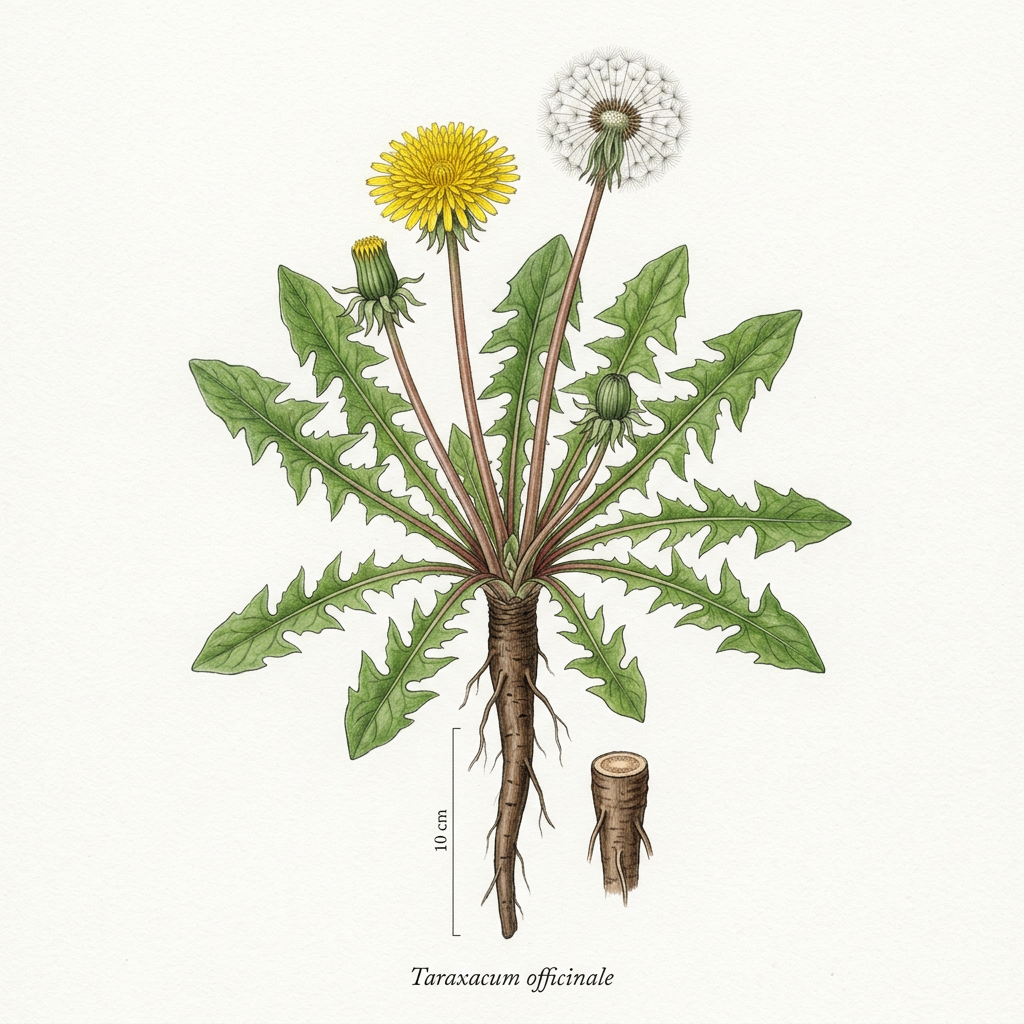
Dandelion

Dandelion

Taraxacum officinale

Detoxification
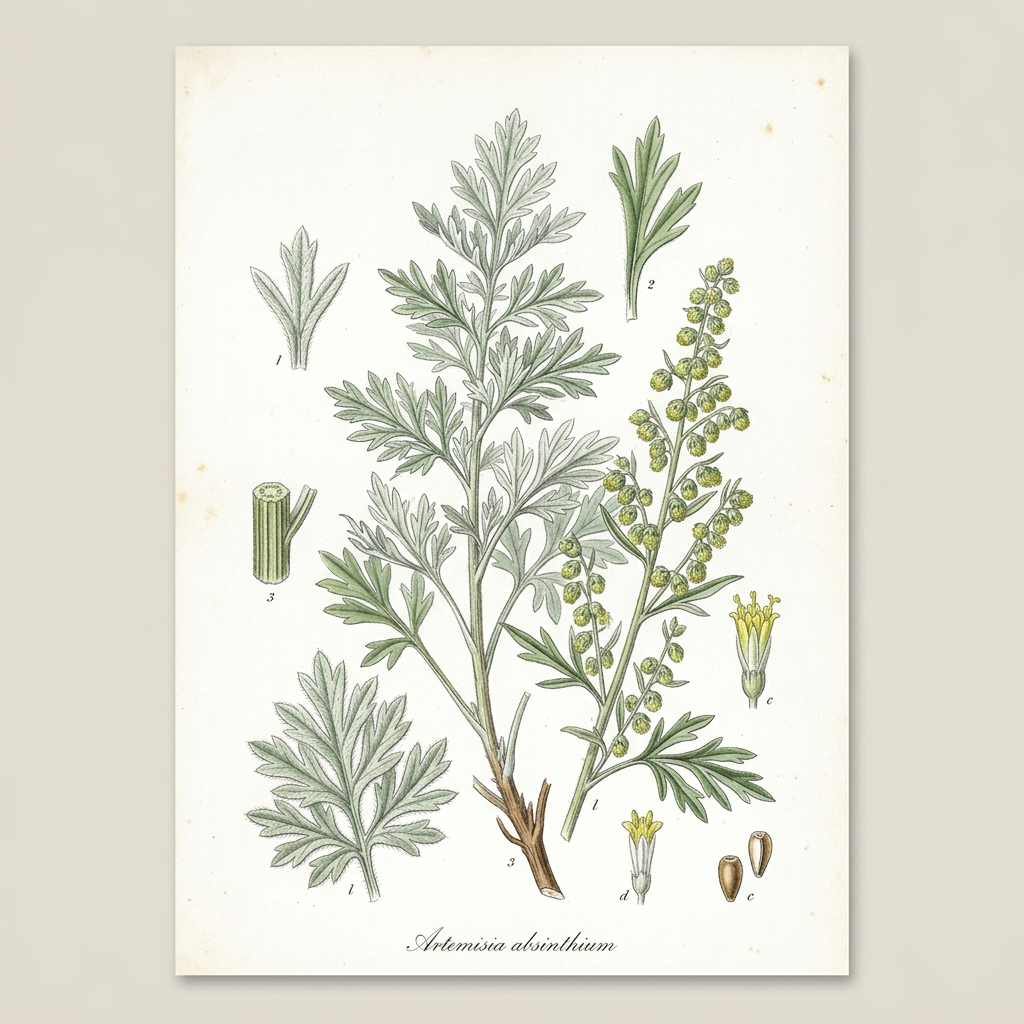
Wormwood

Wormwood

Artemisia absinthium

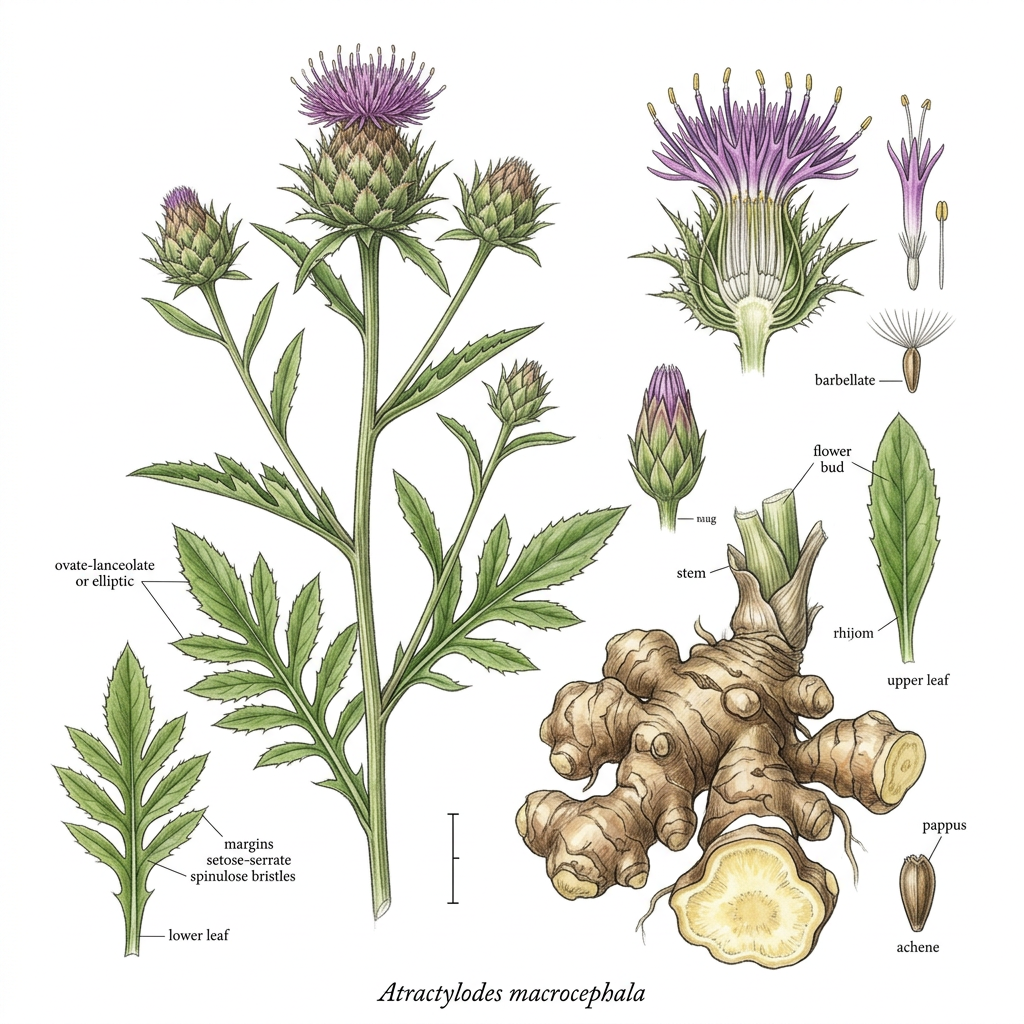
Atractylodes macrocephala

Atractylodes macrocephala

Atractylodes macrocephala

Digestive Tonic