The Wild Sage logo
The Wild Sage Logo

Herbal Medicine at your fingertips

Comprehensive database of herbal remedies with detailed safety information and traditional uses

New to herbal terms? Read the glossary →
ADHD
Abcess
Acid Reflux Relief
Acinetobacter
Acne
Acne Vulgaris
Addisons
Adenomyosis
Adenovirus
Adrenal fatigue
Aging
Aids
Alcaligenes faecalis
Alcoholism
Allergic Rhinitis
Allergies
Allergy
Alopoecia
Alopoecia nervosa
Alzheimer's, Dementia & Cognitive Decline
420 herbs found
Important: This information is for educational purposes only. Always consult with qualified healthcare professionals before using herbal remedies, especially if you have existing health conditions or take medications.
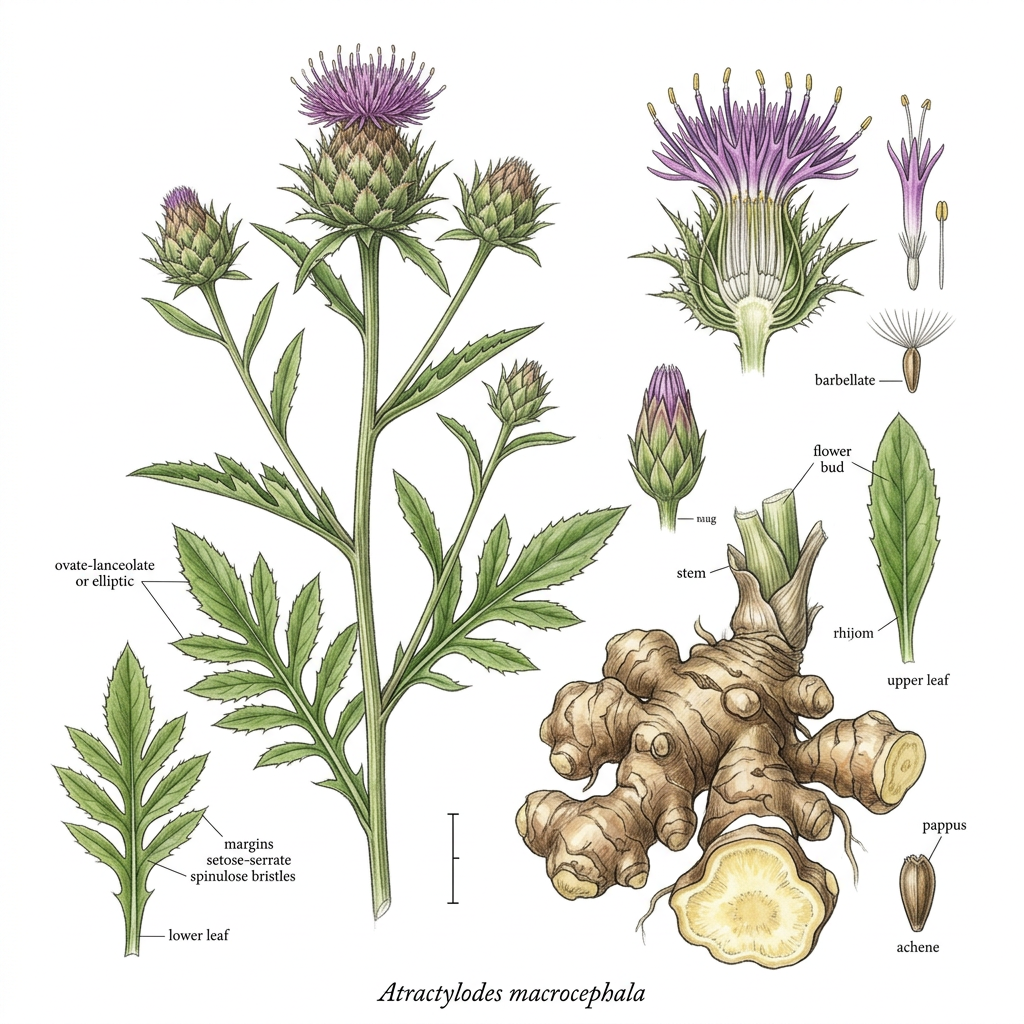
Atractylodes macrocephala

Atractylodes macrocephala

Atractylodes macrocephala

moderate risk Risk
Asteraceae
Bitter, warming, drying
<p>Atractylodes macrocephala, commonly known as Baizhu, is a perennial herbaceous plant belonging to the Asteraceae family. This herb has a rich history in traditional Chinese medicine (TCM), where it has been revered for centuries for its efficacy in promoting digestive health and bolstering overall vitality. Typically, the rhizome of Atractylodes macrocephala is harvested during the autumn months, dried, and used in various formulations. Historically, it has been employed not only for its digestive support but also as a tonic to invigorate Qi (vital energy), enhance immunity, and combat fatigue. It is often included in herbal blends aimed at restoring balance and harmony within the body. The therapeutic properties of Atractylodes macrocephala are vast and multifaceted. This herb is primarily recognized for its digestive attributes, functioning as a carminative to alleviate bloating and flatulence while acting as a digestive tonic to enhance appetite and nutrient absorption. Furthermore, its bitter compounds stimulate bile production, promoting efficient digestion and metabolic processes. Beyond digestive aid, Atractylodes macrocephala exhibits neuroprotective qualities, which are increasingly supported by modern research, indicating potential benefits in preserving cognitive function. Additionally, its anti-oedema and anti-cancer properties have garnered attention, as studies suggest that the herb may help manage fluid retention and exhibit cytotoxic effects against certain cancer cell lines. Mechanistically, Atractylodes macrocephala operates through several biochemical pathways. The active constituents, such as atractylon and other sesquiterpenes, engage with the digestive system, promoting increased gastric secretions and motility. This action aids in the expulsion of gases and enhances digestive efficiency. Furthermore, its neuroprotective benefits are thought to arise from antioxidant properties that combat oxidative stress in neural tissues, potentially reducing neuronal degeneration. The herb's ability to modulate inflammatory responses also contributes to its efficacy in managing oedema and metabolic disorders, making Atractylodes macrocephala a versatile herb in both traditional and modern therapeutic contexts. As such, this esteemed herb continues to be a staple in therapeutic herbal formulations, embodying the essence of holistic healing.</p>

Uses & Conditions

Digestive Tonic
Cognitive Function Support
Energy Levels Improvement
Nutrient Absorption Support
Immunity Enhancement
Osteoporosis
Dyspepsia
Diarrhoea
Gastroparesis
Cancer
Oedema
Anorexia
Bloating

Actions

Digestive Aid
Carminative
Bitter
Neuroprotective
Anti-diarrhoeal
Anti-osteoporotic
Anti-oedematous
Anti-cancer

Parts Used

rhizome

Native Countries

Asia

USDA Hardiness Zones

USDA 3-9

Interactions

  • Diuretic medications: potentially additive effects leading to electrolyte imbalance
  • Immunosuppressant drugs: theoretical risk of counteracting efficacy due to immune-modulating properties
  • Hypoglycaemic agents: monitor blood glucose levels closely
  • Antihypertensive medications: possible synergistic impact on blood pressure levels requiring clinical monitoring

Dosages, tincture ratios & research — members only

Unlock Garreth's dosing guidance, tincture ratios, the dosage calculator and the research studies for Atractylodes macrocephala.

Your assessment and results stay saved — upgrading only unlocks more of them.

See membership plans

Community Photos

No community photos yet. Sign in to upload photos.

Reviews & Ratings

Sign in to leave a review.

No reviews yet. Be the first!

GF

Garreth Falls — B.Th., Dip. H.M., MNIMH

Content curated and reviewed by Garreth Falls, Consultant Medical Herbalist · The Wild Sage

Medical Disclaimer: This information is for educational purposes only and is not intended as medical advice. Always consult with qualified healthcare professionals before starting any herbal treatment.
Chinese tradition

Sustainability & quality

Cultivated

Extensively farmed in China; look for high-grade cultivated root stock that is free from heavy metal contamination.

Key constituents

Atractylodes macrocephala, Bai zhu extract, Bai zhu compounds

References

  1. Bensky "Chinese Herbal Medicine: Materia Medica" 3rd ed. 2004
  2. Herbal Reality. Herb monographs. herbalreality.com

Reviewed by Garreth, Medical Herbalist (MNIMH) · October 2026

Related conditions

Explore conditions where Atractylodes macrocephala is traditionally used.

Related Herbs
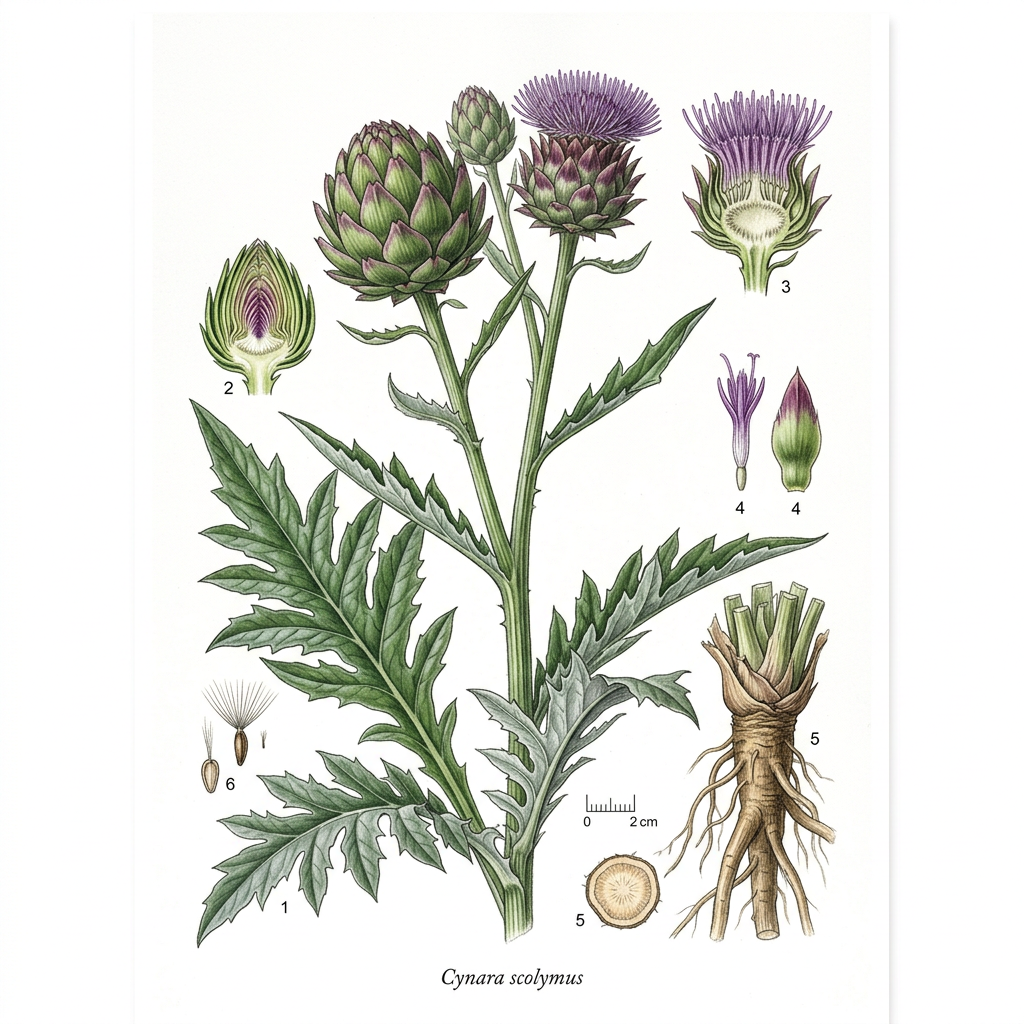
Artichoke

Artichoke

Cynara scolymus

Liver Support
Chamomile

Chamomile

Matricaria recutita

Digestive Tonic
Fennel

Fennel

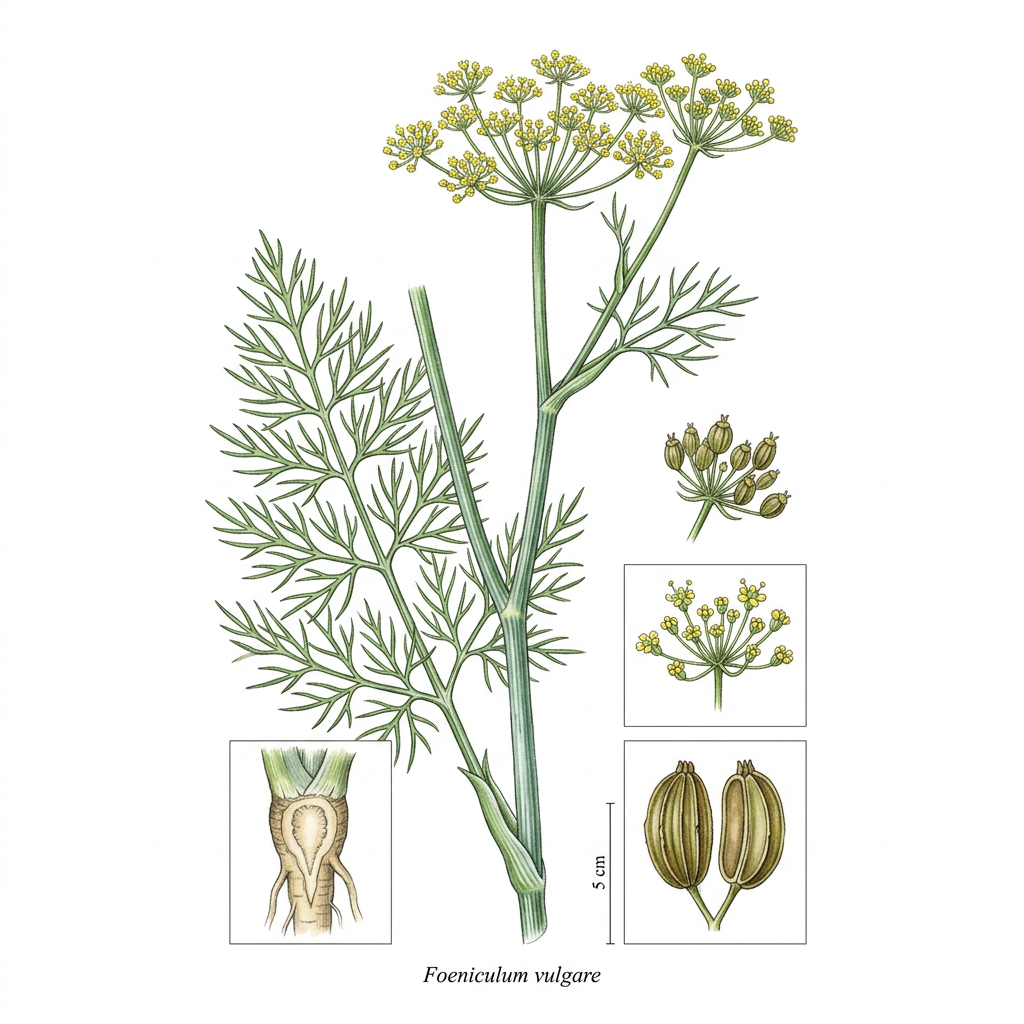
Foeniculum vulgare

Digestive Aid
Wormwood

Wormwood

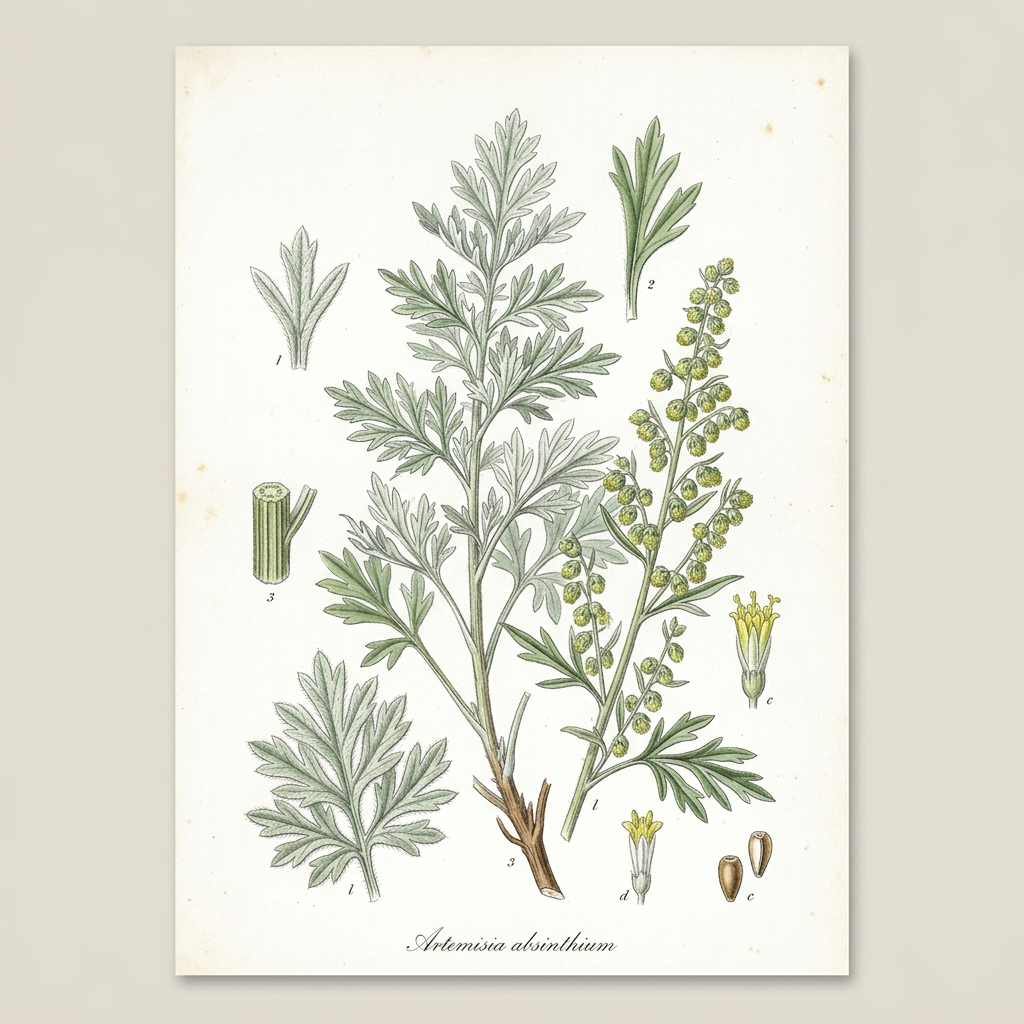
Artemisia absinthium