The Wild Sage logo
The Wild Sage Logo

Herbal Medicine at your fingertips

Comprehensive database of herbal remedies with detailed safety information and traditional uses

New to herbal terms? Read the glossary →
ADHD
Abcess
Acid Reflux Relief
Acinetobacter
Acne
Acne Vulgaris
Addisons
Adenomyosis
Adenovirus
Adrenal fatigue
Aging
Aids
Alcaligenes faecalis
Alcoholism
Allergic Rhinitis
Allergies
Allergy
Alopoecia
Alopoecia nervosa
Alzheimer's, Dementia & Cognitive Decline
420 herbs found
Important: This information is for educational purposes only. Always consult with qualified healthcare professionals before using herbal remedies, especially if you have existing health conditions or take medications.
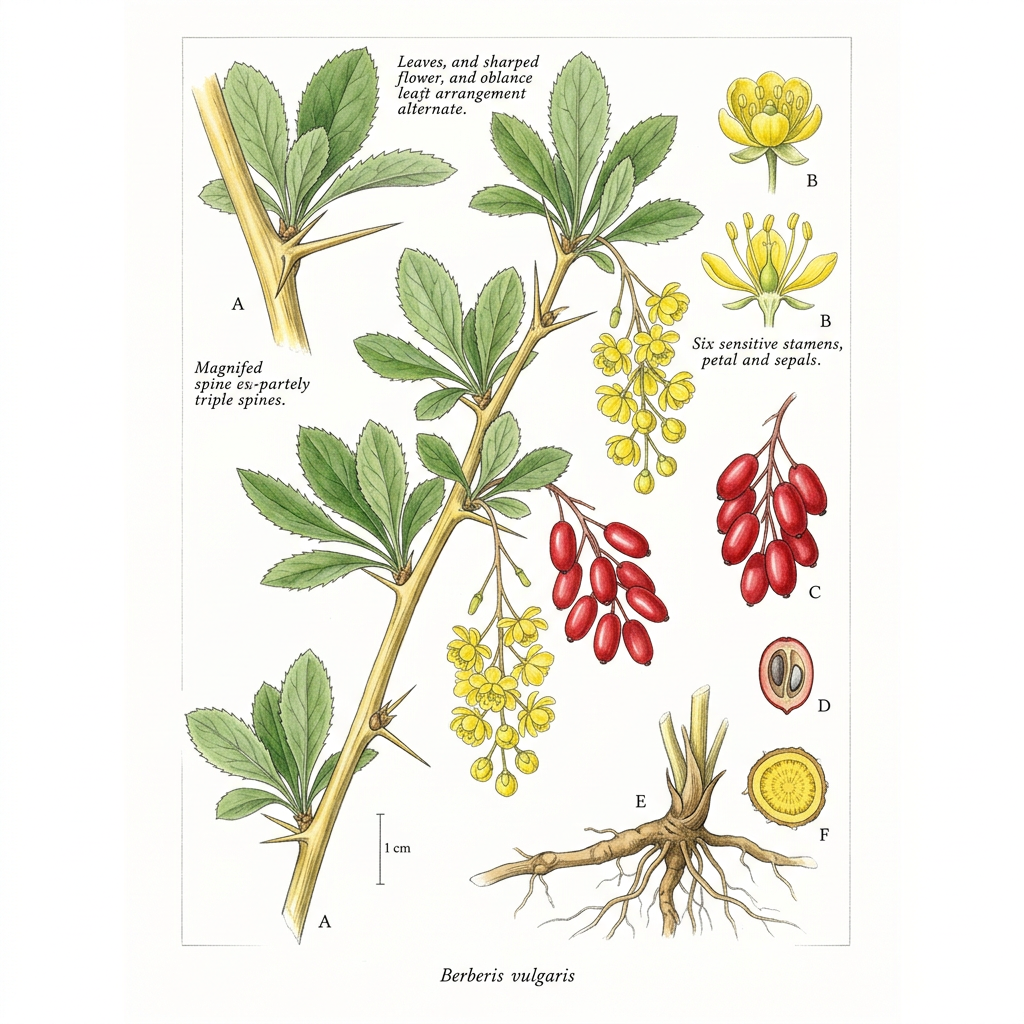
Barberry

Barberry

Berberis vulgaris

moderate risk Risk
Berberidaceae
Known for warming properties, it supports digestion and enhances metabolic function.
<p>Barberry, scientifically known as Berberis vulgaris, is a deciduous shrub native to Europe, North Africa, and parts of Asia. This resilient plant has been revered in traditional herbal medicine for centuries, where various parts—including the root, bark, and fruit—have been utilized for their health benefits. Historical texts indicate that barberry was used by ancient civilizations to treat a range of ailments, from gastrointestinal disorders to fevers and infections, reflecting its diverse therapeutic profile. In traditional Chinese medicine, barberry has been valued for its bitter properties, contributing to its use as a digestive aid and for liver health. The therapeutic benefits of barberry are largely attributed to its active compound, berberine, a potent alkaloid known for its wide-ranging pharmacological actions. This herb boasts remarkable anti-diabetic effects by enhancing insulin sensitivity and regulating glucose metabolism, making it a valuable ally for those seeking to manage blood sugar levels. Additionally, its anti-emetic and anti-fungal properties support digestive health and combat opportunistic infections. Barberry is also recognized for its cholagogue and choleretic actions, promoting bile secretion and supporting liver function, which aids in the digestion of fats and the detoxification process. The herb has demonstrated antimicrobial and anti-parasitic activities, making it beneficial against a spectrum of pathogens while also acting as a soothing mucous membrane tonic. In the body, barberry exerts its effects through several mechanisms. The berberine it contains interacts with various cellular pathways, promoting cardiovascular health by reducing cholesterol levels and improving circulation. Its action as a digestive tonic helps stimulate appetite and relieve gastrointestinal distress by enhancing digestive secretions, further supporting overall gut health. By protecting liver cells from damage (cytoprotective action), barberry facilitates the liver's vital detoxification processes, allowing the body to efficiently eliminate toxins and maintain metabolic balance. This unique combination of effects positions barberry as a multifaceted herb in herbal medicine, offering holistic support for vitality and wellness.</p>

Uses & Conditions

Digestive Aid
Liver Support
Metabolic Support
Acne
Aspergillus Infection
Bacterial Infections
Benign Prostatic Hyperplasia
Boils
Campylobacter Jejuni Infection
Candida Infection
Chlamydia
Cholera
Cholecystitis
Cirrhosis
Clostridium Difficile Infection
Cryptococcus Neoformans Infection
Dengue Virus
Diarrhoea
Dysentery
E. Coli Infection
Enterobacter Aerogenes Infection
Entamoeba Histolytica Infection
Gall Stones
Gastritis
Gastroesophageal Reflux Disease
Giardiasis
Histamine Intolerance
Hyperlipidaemia
Hypertyraminaemia
Irritable Bowel Syndrome
Jaundice
Metabolic Syndrome
Myeloma
NAFLD
Parasites
Peptic Ulcer
Pyuria
Type 2 Diabetes Mellitus
Yellow Fever

Actions

Anti-diabetic
Anti-emetic
Anti-fungal
Anti-microbial
Anti-parasitic
Anti-pyretic
Bitter
Cholagogue
Choleretic
Cytoprotective
Digestive Tonic
Gastrointestinal Tonic
Hepatic
Laxative
Mucous Membrane Tonic

Synonyms

Barberry
Common barberry
Pipperridge bush
Jaundice berry
Sow berry

Parts Used

Berries
Bark

Native Countries

Asia
Europe
North Africa

USDA Hardiness Zones

USDA 3-10

Contraindications

  • Jaundiced neonates
  • Unconjugated hyperbilirubinaemia
  • Septic cholecystitis
  • Liver cancer
  • Severe hepatocellular disease
  • Children with diarrhoea
  • Intestinal spasm

Interactions

  • Medications that displace the protein binding of bilirubin, such as phenylbutazone
  • Cyclosporine: berberine may inhibit the metabolism of this drug, increasing serum levels and bioavailability
  • Ciprofloxacin: may lower oral bioavailability
  • Itraconazole: mutually antagonistic with berberine
  • Anticoagulants such as warfarin: potential for increased bleeding risk or altered metabolism
  • Metformin and hypoglycaemic medications: may enhance the blood-sugar-lowering effect
  • CYP3A4 substrates: concurrent use may alter bioavailability
  • Macrolide antibiotics: potential for synergistic effects or altered absorption rates

Dosages, tincture ratios & research — members only

Unlock Garreth's dosing guidance, tincture ratios, the dosage calculator and the research studies for Barberry.

Your assessment and results stay saved — upgrading only unlocks more of them.

See membership plans

Community Photos

No community photos yet. Sign in to upload photos.

Reviews & Ratings

Sign in to leave a review.

No reviews yet. Be the first!

GF

Garreth Falls — B.Th., Dip. H.M., MNIMH

Content curated and reviewed by Garreth Falls, Consultant Medical Herbalist · The Wild Sage

Medical Disclaimer: This information is for educational purposes only and is not intended as medical advice. Always consult with qualified healthcare professionals before starting any herbal treatment.
Western tradition

Sustainability & quality

Abundant

Widespread shrub; sustainable harvesting of roots and bark is straightforward.

Key constituents

Berberine, Alkaloids, Isoquinoline alkaloids

References

  1. Bone & Mills "Principles and Practice of Phytotherapy" 2nd ed. 2013
  2. ESCOP Monographs 2nd ed. 2003
  3. British Herbal Pharmacopoeia 1983
  4. Herbal Reality. Herb monographs. herbalreality.com

Reviewed by Garreth, Medical Herbalist (MNIMH) · October 2026

Related conditions

Explore conditions where Barberry is traditionally used.

Related Herbs
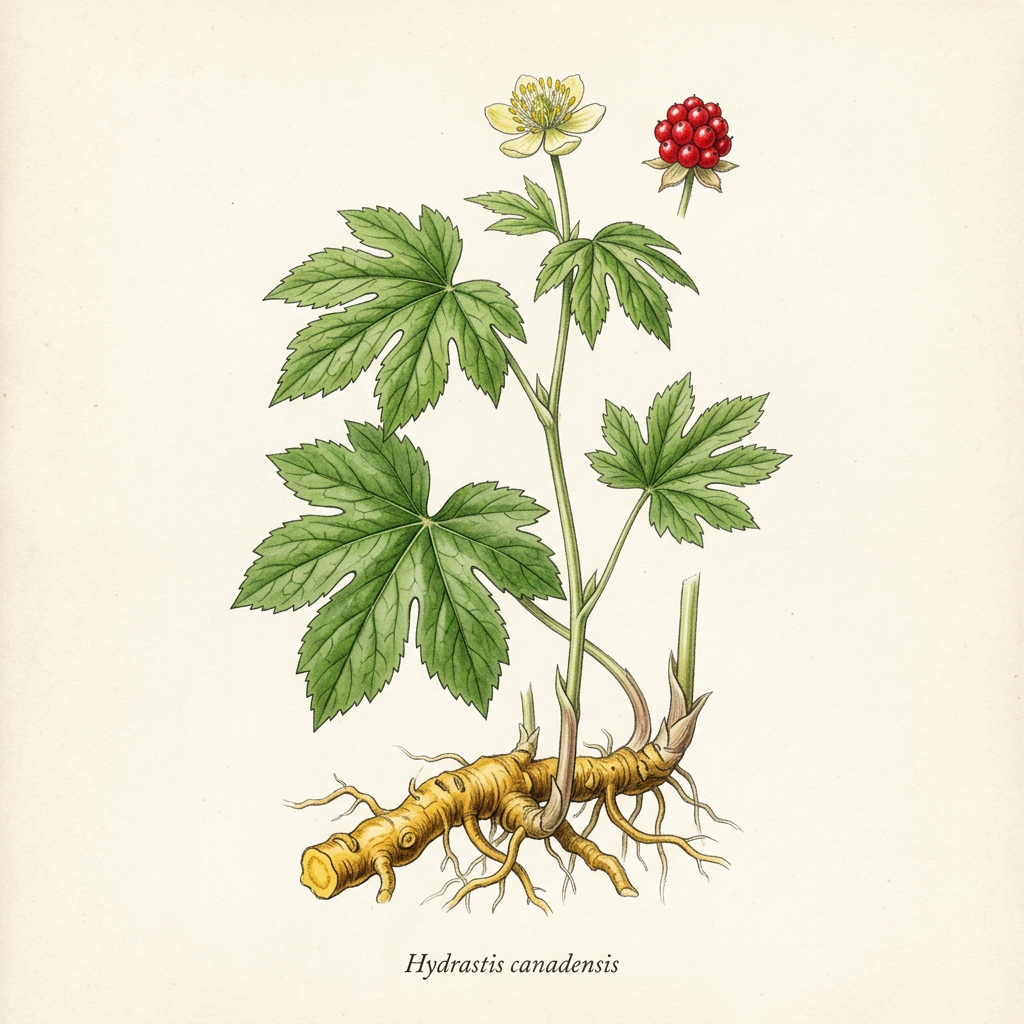
Goldenseal

Goldenseal

Hydrastis canadensis

Convalescence
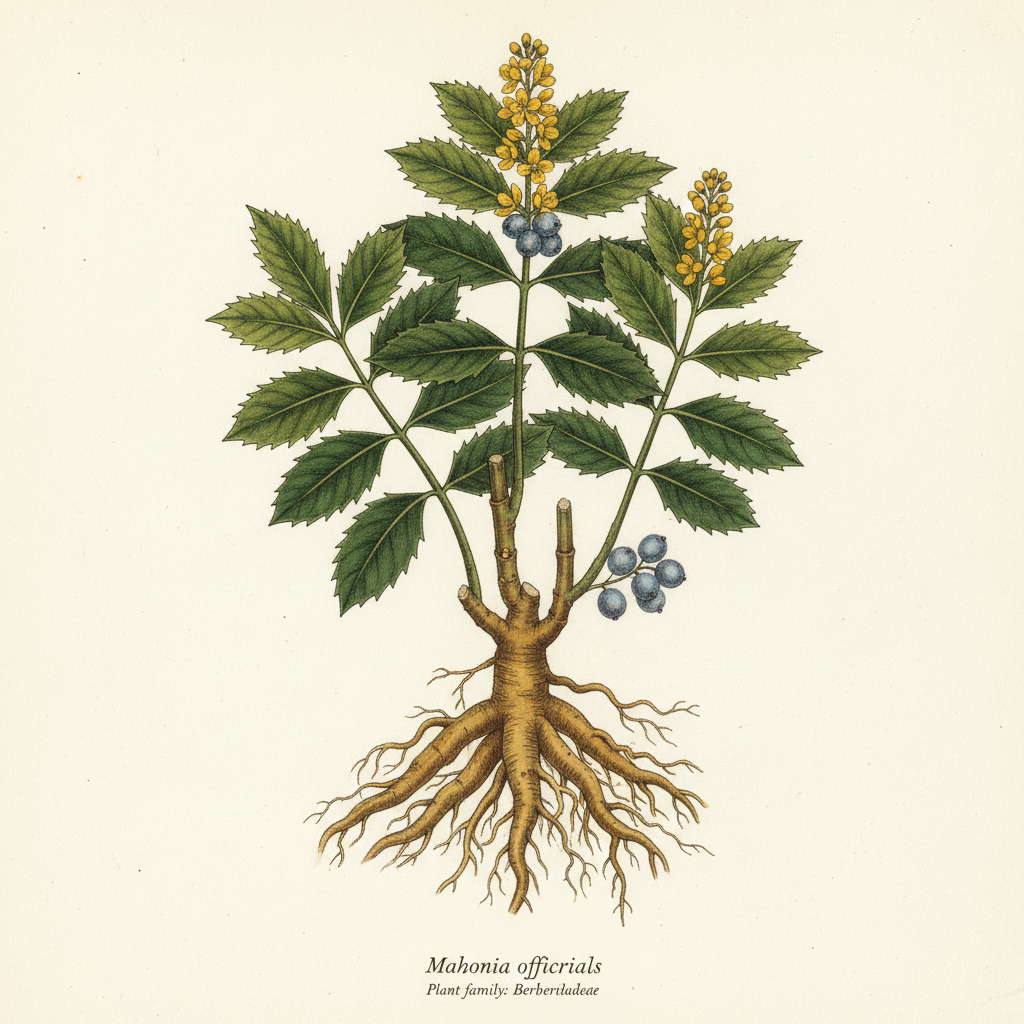
Mahonia

Mahonia

Mahonia aquifolium

Digestive aid
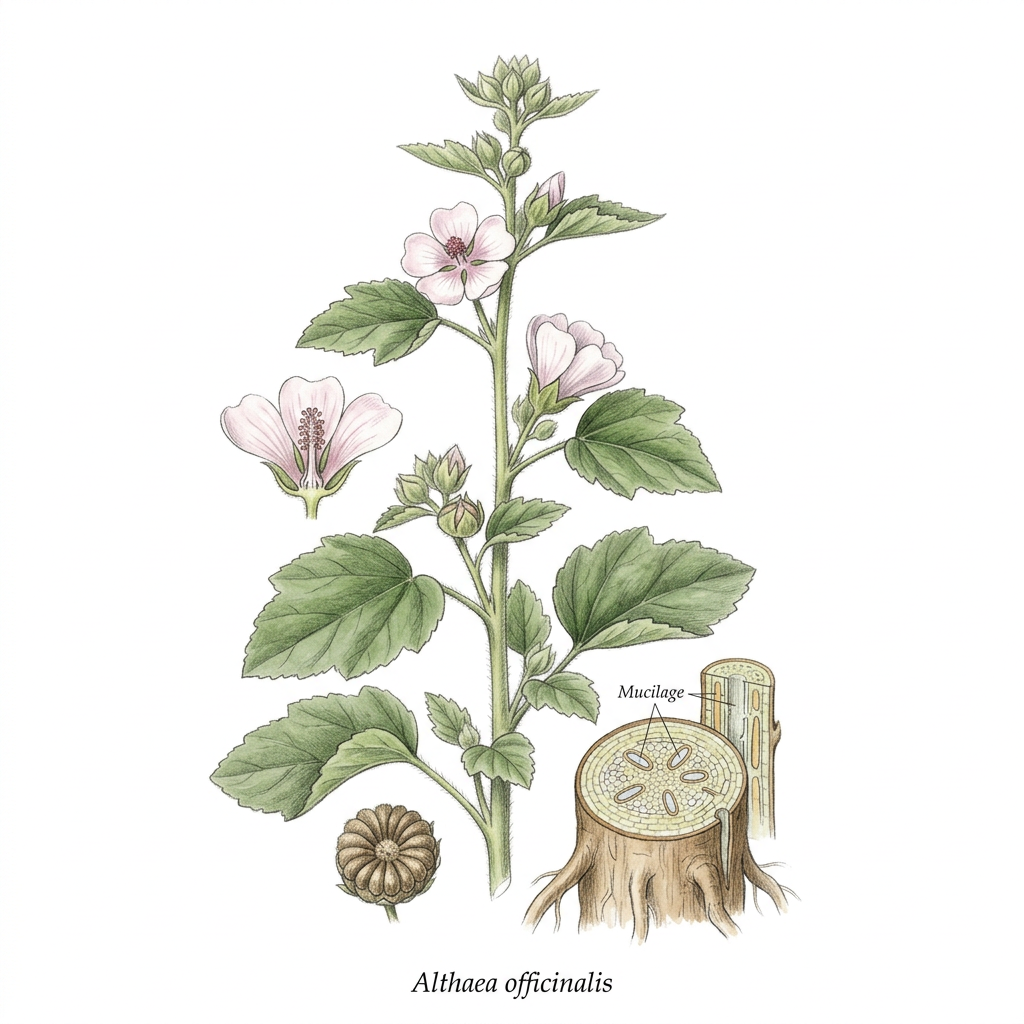
Marshmallow

Marshmallow

Althaea officinalis

Digestive Aid
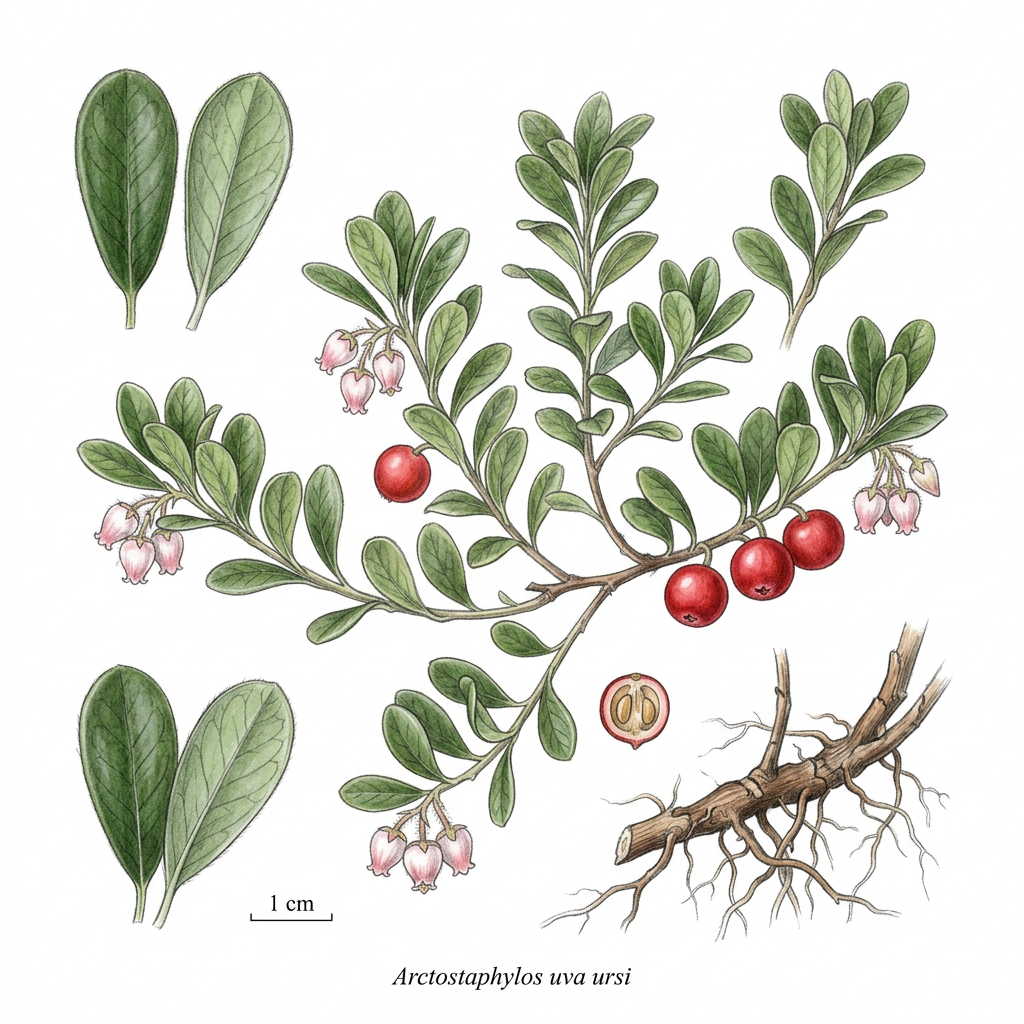
Bearberry

Bearberry

Arctostaphylos uva ursi

Urinary Health