The Wild Sage logo
The Wild Sage Logo

Herbal Medicine at your fingertips

Comprehensive database of herbal remedies with detailed safety information and traditional uses

New to herbal terms? Read the glossary →
ADHD
Abcess
Acid Reflux Relief
Acinetobacter
Acne
Acne Vulgaris
Addisons
Adenomyosis
Adenovirus
Adrenal fatigue
Aging
Aids
Alcaligenes faecalis
Alcoholism
Allergic Rhinitis
Allergies
Allergy
Alopoecia
Alopoecia nervosa
Alzheimer's, Dementia & Cognitive Decline
420 herbs found
Important: This information is for educational purposes only. Always consult with qualified healthcare professionals before using herbal remedies, especially if you have existing health conditions or take medications.
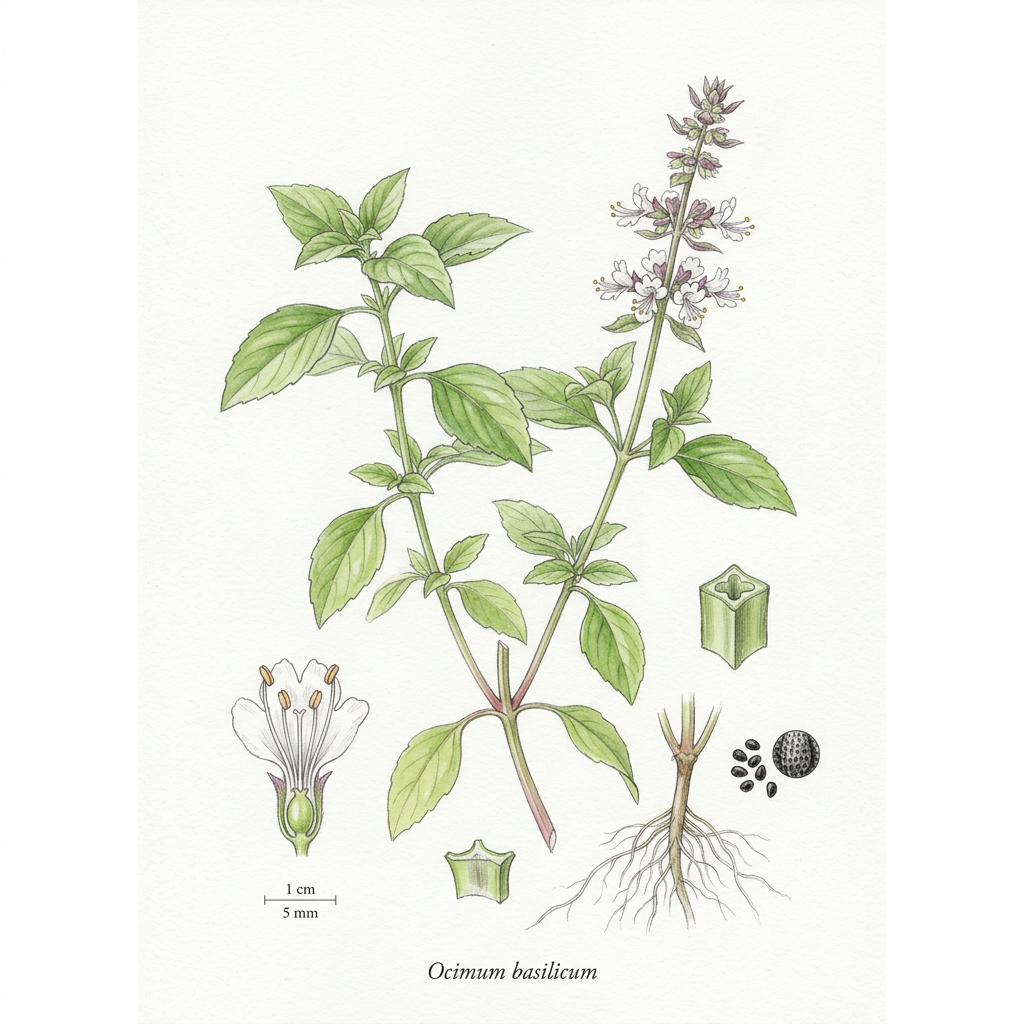
Basil

Basil

Ocimum basilicum

low risk Risk
Lamiaceae
Warming, uplifting, promotes clarity and focus.
<p>Ocimum basilicum, commonly known as basil, is a fragrant herb belonging to the Lamiaceae family. This aromatic plant, native to tropical regions of Central Africa and Southeast Asia, has been cultivated throughout history for both culinary and medicinal purposes. Traditionally, basil has held significant cultural importance, revered in ancient traditions—from being a symbol of love in Indian culture to its use in sacred rituals in various Mediterranean societies. Its culinary applications are vast, making it a staple in numerous cuisines, particularly in Italian and Mediterranean dishes. However, beyond its culinary delights, basil has a rich history as a medicinal herb, often utilized in folk medicine for its restorative properties. The therapeutic potential of Ocimum basilicum is well-documented, showcasing a range of beneficial actions that enhance physical and cognitive health. Known primarily for its anti-inflammatory and antimicrobial properties, basil has been researched for its ability to combat infection and reduce inflammation in the body. The herb contains potent compounds, including eugenol, which not only contributes to its unique flavor profile but also exerts significant analgesic and anti-inflammatory effects. Additionally, basil is recognized for its cognitive-supportive properties; it is believed to enhance mental clarity and alleviate symptoms of stress and anxiety, thus promoting overall mental wellbeing. At a physiological level, Ocimum basilicum functions through various biochemical pathways. The essential oils extracted from the leaves, particularly eugenol, have demonstrated the ability to inhibit the growth of pathogenic bacteria, thereby supporting the immune system. Furthermore, the phytochemicals present in basil are known to modulate inflammatory responses by inhibiting the production of pro-inflammatory cytokines, thereby reducing tissue inflammation. Basil’s adaptogenic qualities are also noteworthy; it helps regulate stress hormones and supports cognitive function through its antioxidant properties, protecting neurons from oxidative damage. This potent herb serves as both a culinary delight and a therapeutic ally, making it a worthy addition to any herbal remedy arsenal.</p>

Uses & Conditions

Convalescence
Cognitive Support
Osteoarthritis
Dyspepsia
Irritable Bowel Syndrome
Anxiety Disorders
Atherosclerosis
Inflammation
Memory
Acne
Arrhythmia
Chronic Fatigue
Colic
Cramps
Cystitis
Depression
Epilepsy
Premature Ejaculation
Gout
Headache

Actions

Anti-inflammatory
Antimicrobial
Cognitive Support
TNF-a Inhibitor
NFkB Inhibitor
Anti-fungal

Parts Used

ariel parts.

Native Countries

India
Africa
Southeast Asia
Mediterranean region
Middle East

USDA Hardiness Zones

10
11

Contraindications

  • Avoid in large doses during pregnancy

Interactions

  • Anticoagulants and antiplatelet drugs: observe caution if taking medications like warfarin or clopidogrel due to potential eugenol content.
  • Antidiabetic medications: use with monitoring as there is some evidence suggesting a potential for herb-drug synergy regarding blood glucose management.
  • Hypotensive agents: monitor blood pressure as excessive use may theoretically potentiate the effect of antihypertensive medication.

Dosages, tincture ratios & research — members only

Unlock Garreth's dosing guidance, tincture ratios, the dosage calculator and the research studies for Basil.

Your assessment and results stay saved — upgrading only unlocks more of them.

See membership plans

Community Photos

No community photos yet. Sign in to upload photos.

Reviews & Ratings

Sign in to leave a review.

No reviews yet. Be the first!

GF

Garreth Falls — B.Th., Dip. H.M., MNIMH

Content curated and reviewed by Garreth Falls, Consultant Medical Herbalist · The Wild Sage

Medical Disclaimer: This information is for educational purposes only and is not intended as medical advice. Always consult with qualified healthcare professionals before starting any herbal treatment.
Western tradition
Ayurvedic tradition

Sustainability & quality

Cultivated

Widely farmed annual; ensure culinary grade is replaced by medicinal grade if specific active constituents are required.

Key constituents

Anti-inflammatory, Antimicrobial, Essential oil, Camphene, Cymene, Monoterpenes, Ocimine, Alpha-pinene, Triterpenes, Sesquiterpine lactones, Linalool, Eugenol, Methyleugenol, Methyl chavicol, ursolic acid

References

  1. British Herbal Pharmacopoeia 1983
  2. Pole "Ayurvedic Medicine" 2006
  3. Herbal Reality. Herb monographs. herbalreality.com

Reviewed by Garreth, Medical Herbalist (MNIMH) · October 2026

Related conditions

Explore conditions where Basil is traditionally used.

Related Herbs
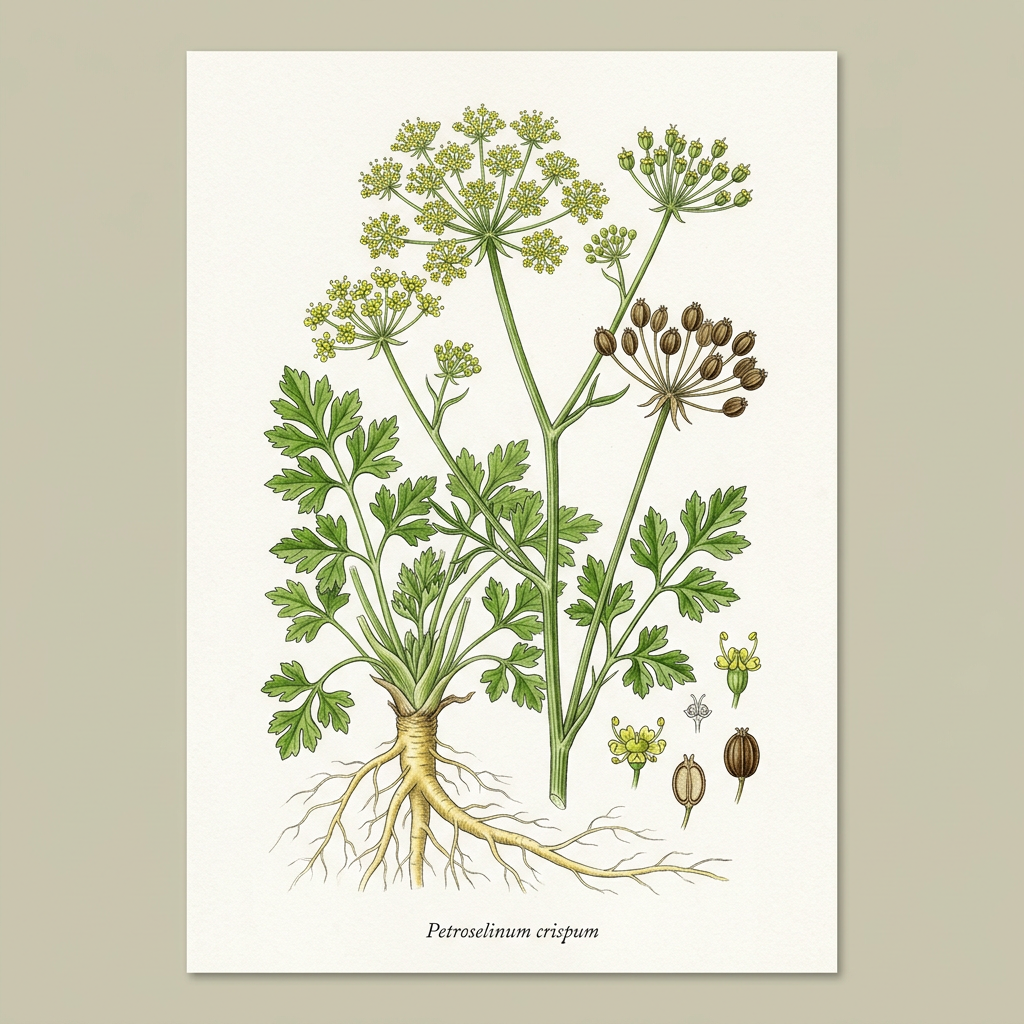
Parsley

Parsley

Petroselinum crispum

Digestive Aid

Stone root

Collinsonia canadensis

Energy Regulation
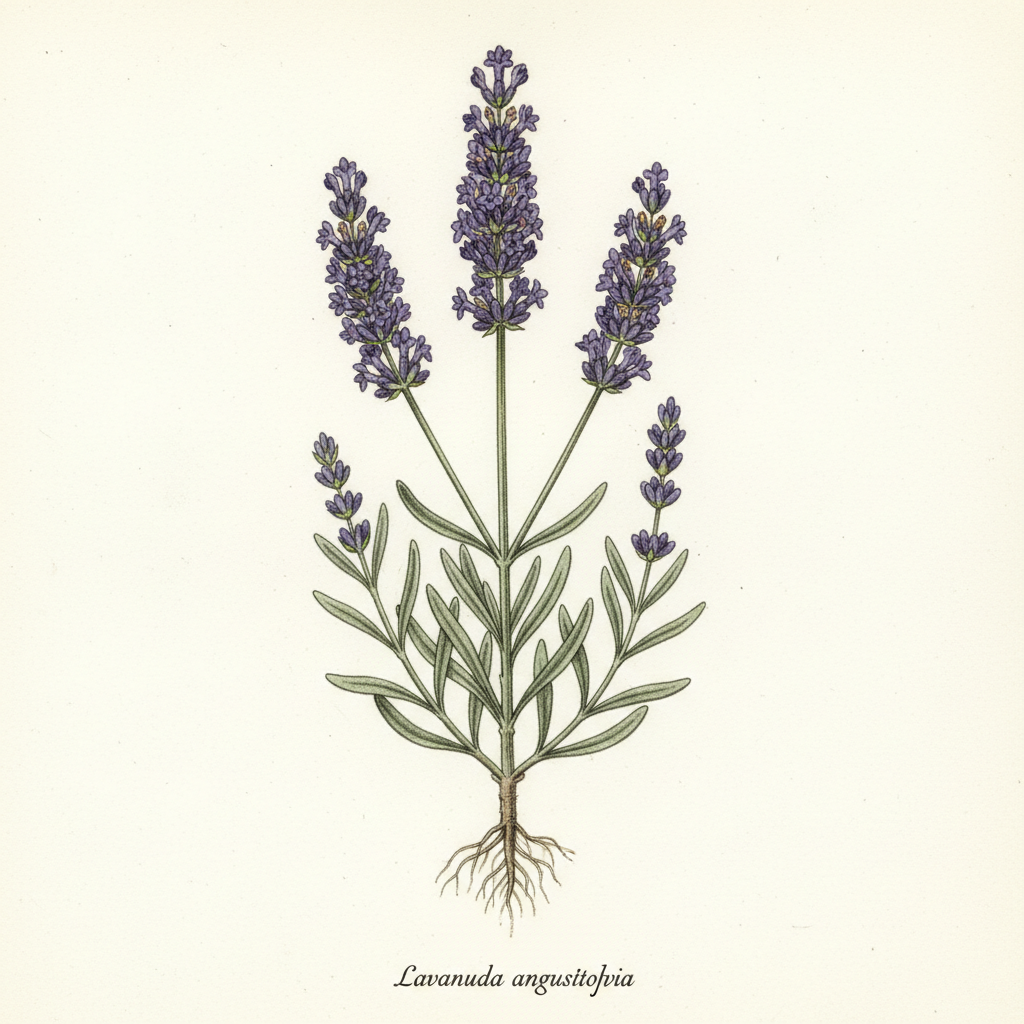
Lavender

Lavender

Lavandula angustifolia

Sleep Aid
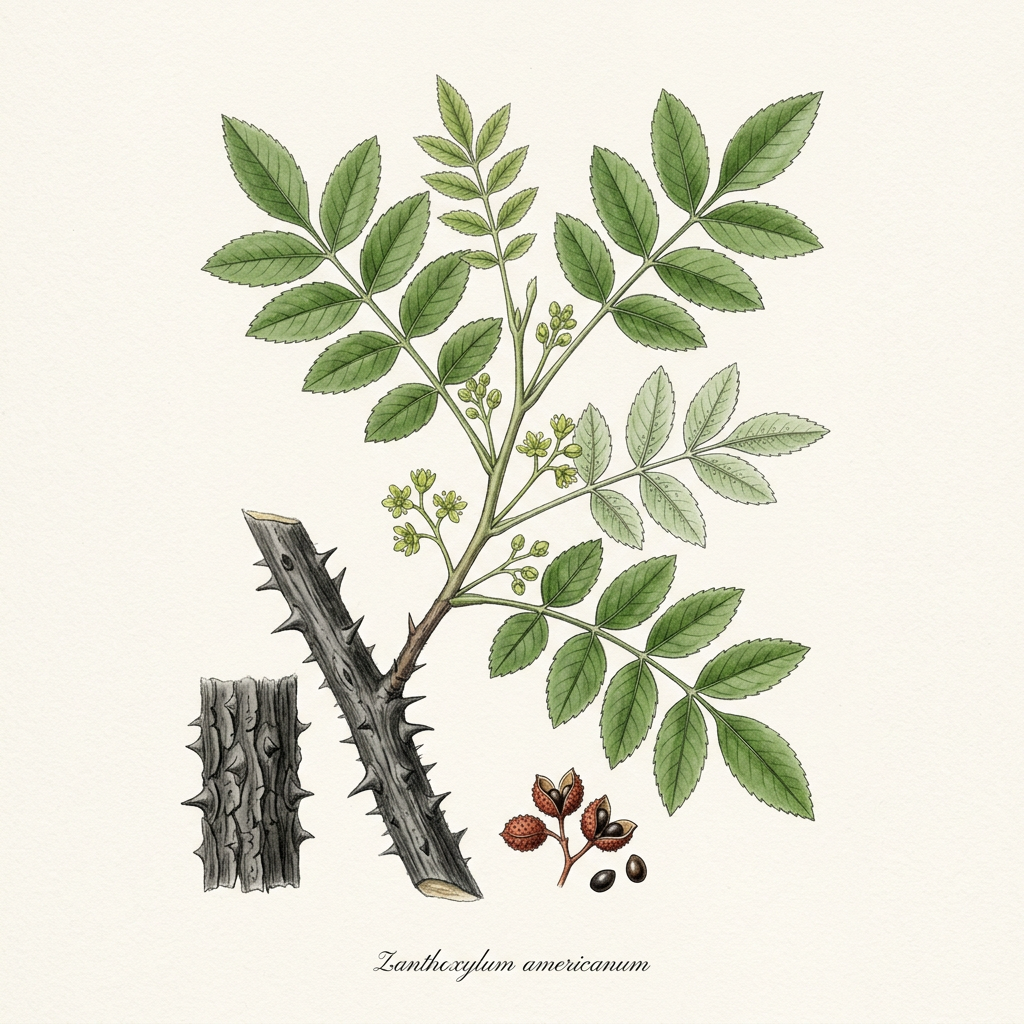
Prickly Ash

Prickly Ash

Zanthoxylum americanum

Convalescence