The Wild Sage logo
The Wild Sage Logo

Herbal Medicine at your fingertips

Comprehensive database of herbal remedies with detailed safety information and traditional uses

New to herbal terms? Read the glossary →
ADHD
Abcess
Acid Reflux Relief
Acinetobacter
Acne
Acne Vulgaris
Addisons
Adenomyosis
Adenovirus
Adrenal fatigue
Aging
Aids
Alcaligenes faecalis
Alcoholism
Allergic Rhinitis
Allergies
Allergy
Alopoecia
Alopoecia nervosa
Alzheimer's, Dementia & Cognitive Decline
420 herbs found
Important: This information is for educational purposes only. Always consult with qualified healthcare professionals before using herbal remedies, especially if you have existing health conditions or take medications.
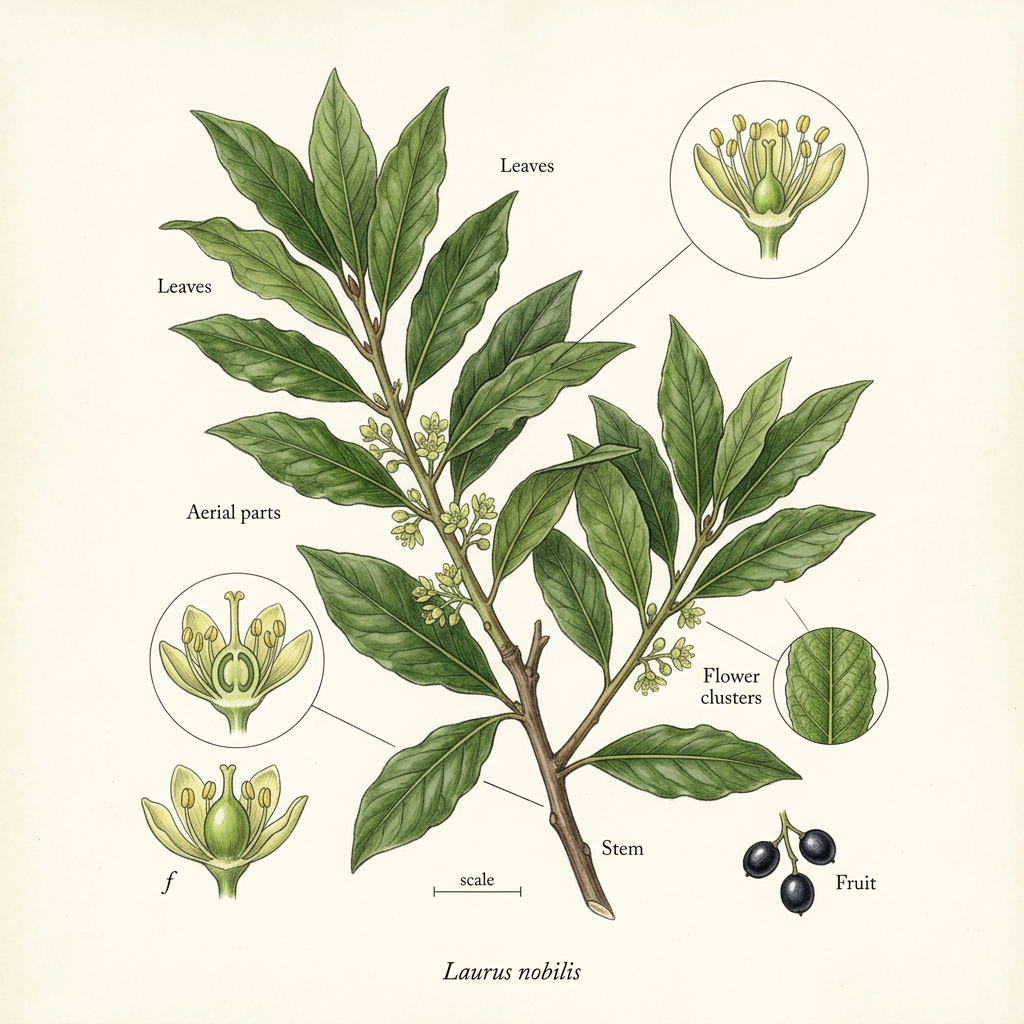
Bay Laurel

Bay Laurel

Laurus nobilis

low risk Risk
Lauraceae
Enhances mental clarity, promotes relaxation, and stimulates the senses.
<p>Bay laurel, scientifically known as Laurus nobilis, is an evergreen tree native to the Mediterranean region, where its aromatic leaves have been prized since antiquity. Historically, the bay laurel has been entwined with culture and tradition, symbolizing victory and wisdom in ancient Greece and Rome. Traditionally, its leaves have been used not only as a culinary seasoning but also in various herbal practices for their medicinal benefits. Ancient texts denote its use in alleviating digestive discomfort, and its leaves were often burnt as incense in temples, reflecting their revered status in both culinary and spiritual contexts. Bay laurel is celebrated for its diverse therapeutic properties, which include its well-documented anti-inflammatory, antimicrobial, and digestive aid characteristics. The essential oils found in its leaves contain compounds like eucalyptol and cineole, which confer potent antimicrobial properties, making it effective against certain bacteria and fungi. Moreover, bay laurel has been traditionally employed to support healthy digestion by soothing gastrointestinal disturbances, such as bloating and gas, and promoting the digestive process. Its antioxidant-rich profile also supports overall health by combating oxidative stress and contributing to the body’s defenses. In the body, bay laurel works by facilitating the secretion of digestive enzymes, thus enhancing the breakdown and absorption of nutrients. Its anti-inflammatory properties help mitigate the discomfort associated with various digestive disorders, while its antimicrobial activity contributes to maintaining a balanced gut microbiome. Additionally, the aromatic compounds in bay laurel can stimulate the production of saliva and gastric juices, further aiding digestion. Together, these actions make bay laurel not just a flavorful culinary herb, but a valuable ally in promoting digestive health and overall well-being.</p>

Uses & Conditions

Digestive Aid
Cognitive Support
Digestive Disorders
Dyspepsia
Enterocolitis
Irritable Bowel Syndrome
Poor Appetite
Respiratory Issues
Poor Circulation
Osteoarthritis
Chronic Inflammation
Skin Infections
Bacterial Infections
Fungal Infections

Actions

Anti-inflammatory
Antimicrobial
Antibacterial
Antifungal
Cytokine Modulation

Parts Used

Leaves
Aerial parts
Flowers.

Native Countries

Mediterranean

USDA Hardiness Zones

USDA 8-10

Contraindications

  • Avoid high doses
  • Avoid in pregnancy
  • Avoid in small children

Potential Side Effects

  • Skin sensitivity in some individuals

Interactions

  • Anticoagulants and antiplatelet drugs: theoretically may increase bleeding risk due to potential mild antiplatelet activity
  • Sedatives and CNS depressants: potential additive effects may occur
  • Antidiabetic medications: may alter blood glucose levels; monitoring is advised

Dosages, tincture ratios & research — members only

Unlock Garreth's dosing guidance, tincture ratios, the dosage calculator and the research studies for Bay Laurel.

Your assessment and results stay saved — upgrading only unlocks more of them.

See membership plans

Community Photos

No community photos yet. Sign in to upload photos.

Reviews & Ratings

Sign in to leave a review.

No reviews yet. Be the first!

GF

Garreth Falls — B.Th., Dip. H.M., MNIMH

Content curated and reviewed by Garreth Falls, Consultant Medical Herbalist · The Wild Sage

Medical Disclaimer: This information is for educational purposes only and is not intended as medical advice. Always consult with qualified healthcare professionals before starting any herbal treatment.
Western tradition

Sustainability & quality

Abundant

Commonly grown as an evergreen ornamental shrub. Easy to harvest sustainably from one's own garden.

Key constituents

Antimicrobial, Anti-inflammatory, Digestive enzymes, Acetate, Artemorine, Bornyl acetate, Borneol monoterpenoid alcohol, Caryophylene, Costunolide lactone, Elemene, Eugenol, Geraniol monoterpene, Geranyl acetate, isobuty, Isovalerate, Linalol, Linalyl acetate, Pinene, Terpines, Terpenyl Formiate, Thujanol, Sabinene

References

  1. British Herbal Pharmacopoeia 1983
  2. Herbal Reality. Herb monographs. herbalreality.com

Reviewed by Garreth, Medical Herbalist (MNIMH) · October 2026

Related conditions

Explore conditions where Bay Laurel is traditionally used.

Related Herbs
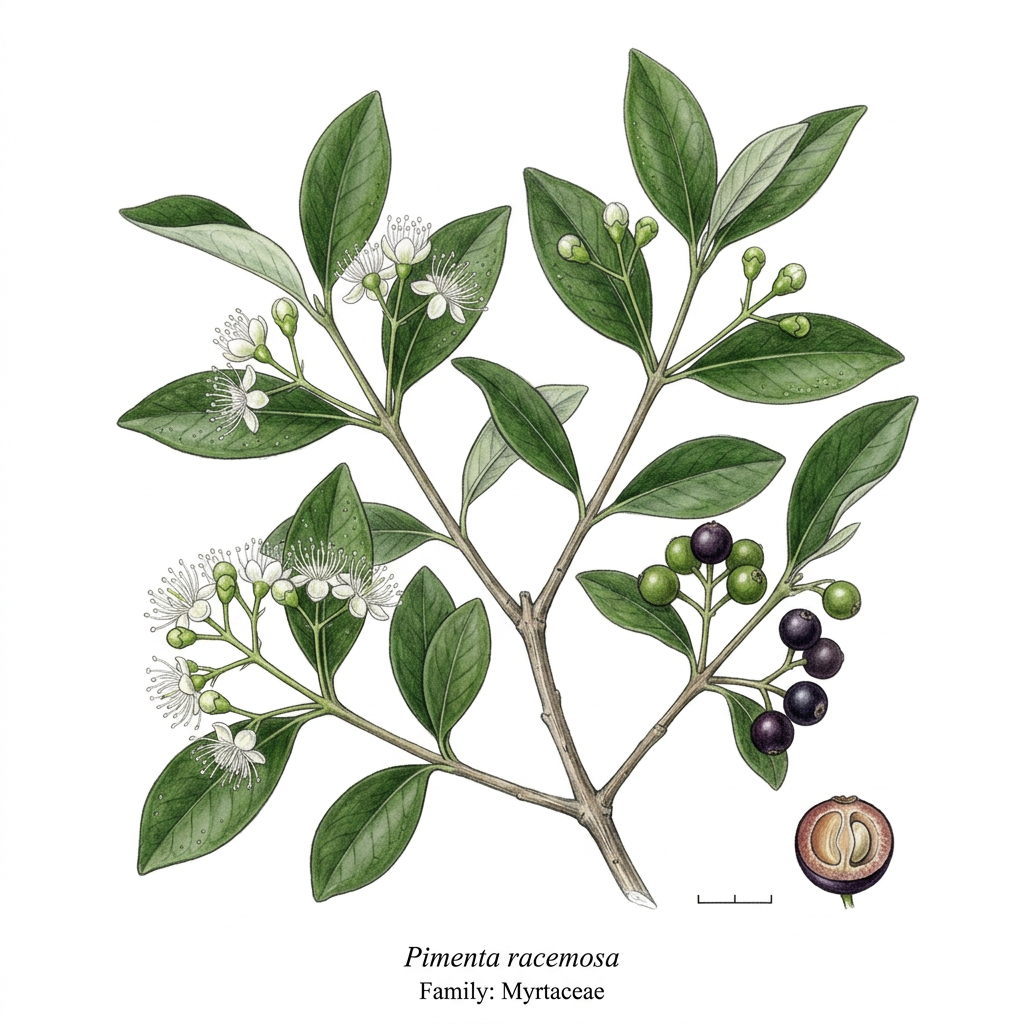
Bay rum

Bay rum

Pimenta racemosa

Appetite stimulation
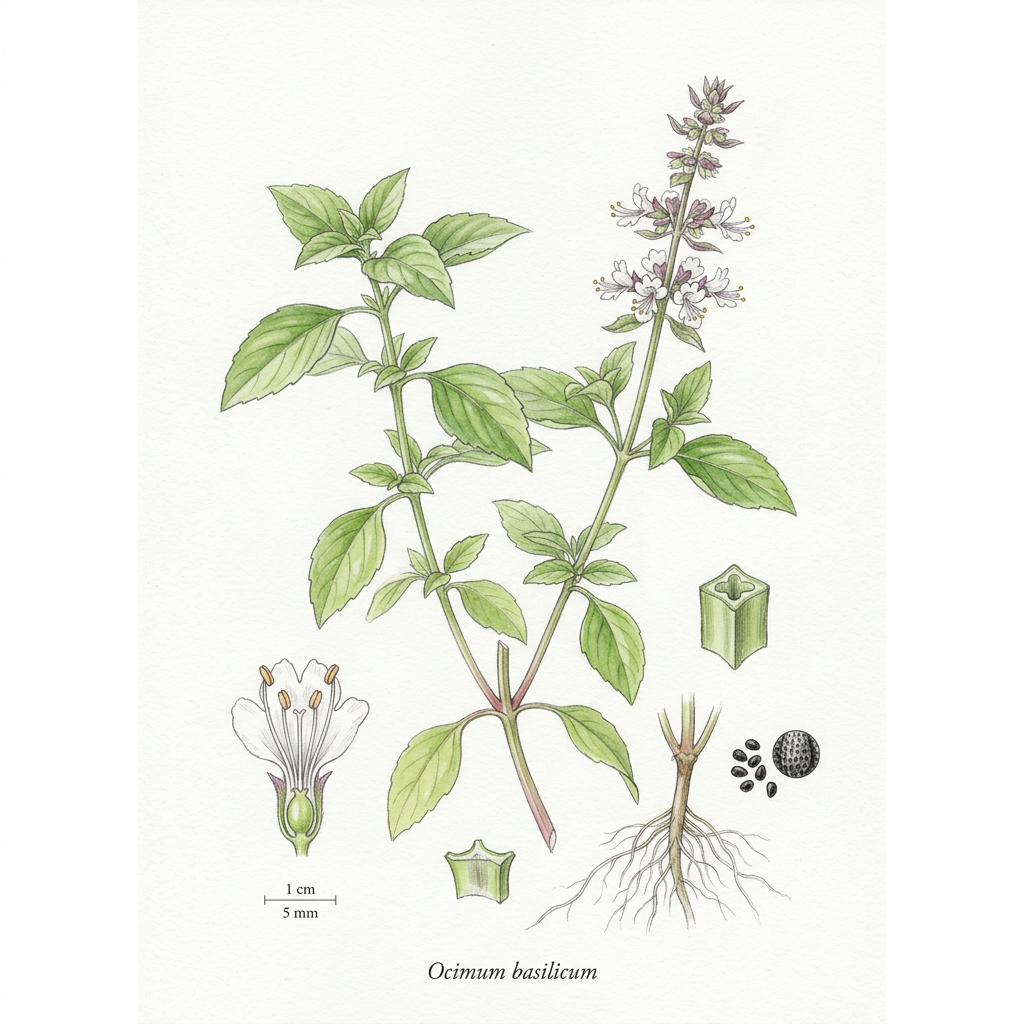
Basil

Basil

Ocimum basilicum

Convalescence
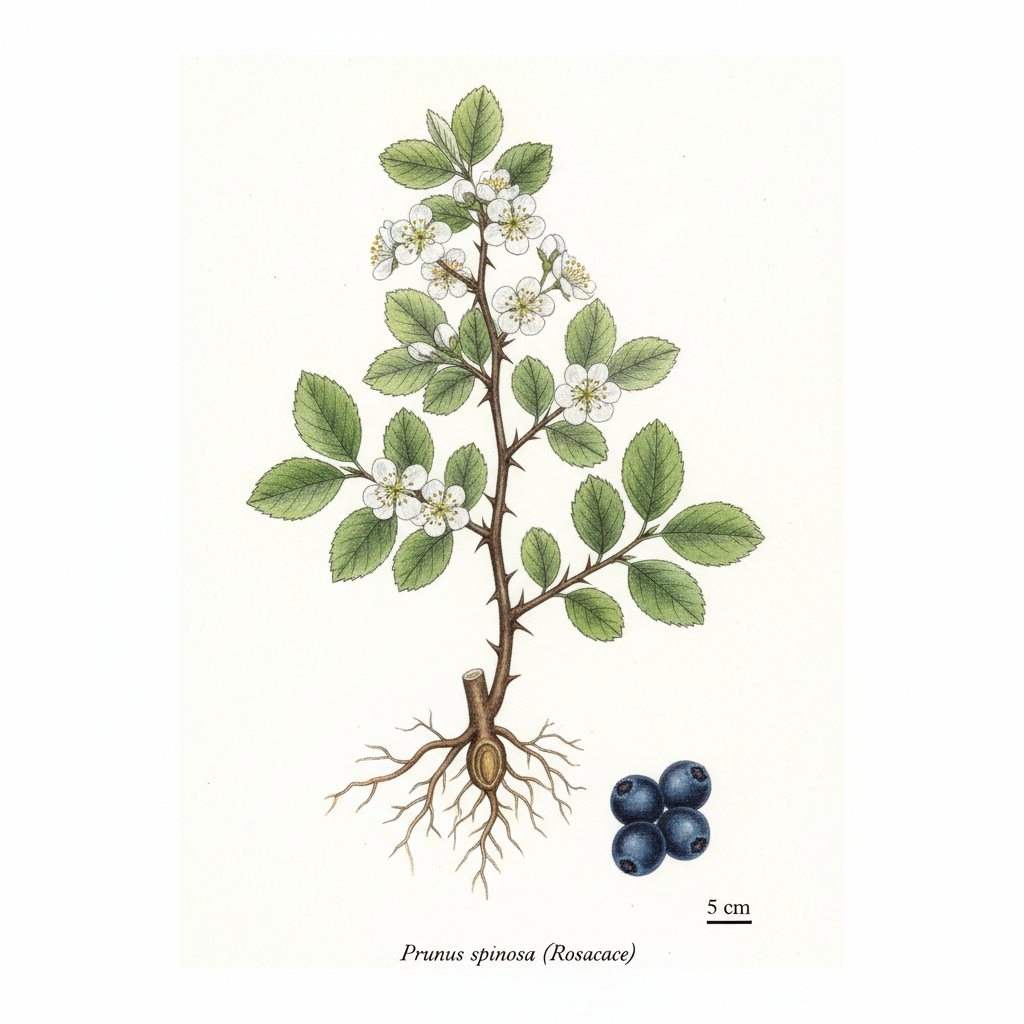
Blackthorn

Blackthorn

Prunus spinosa

Digestive health
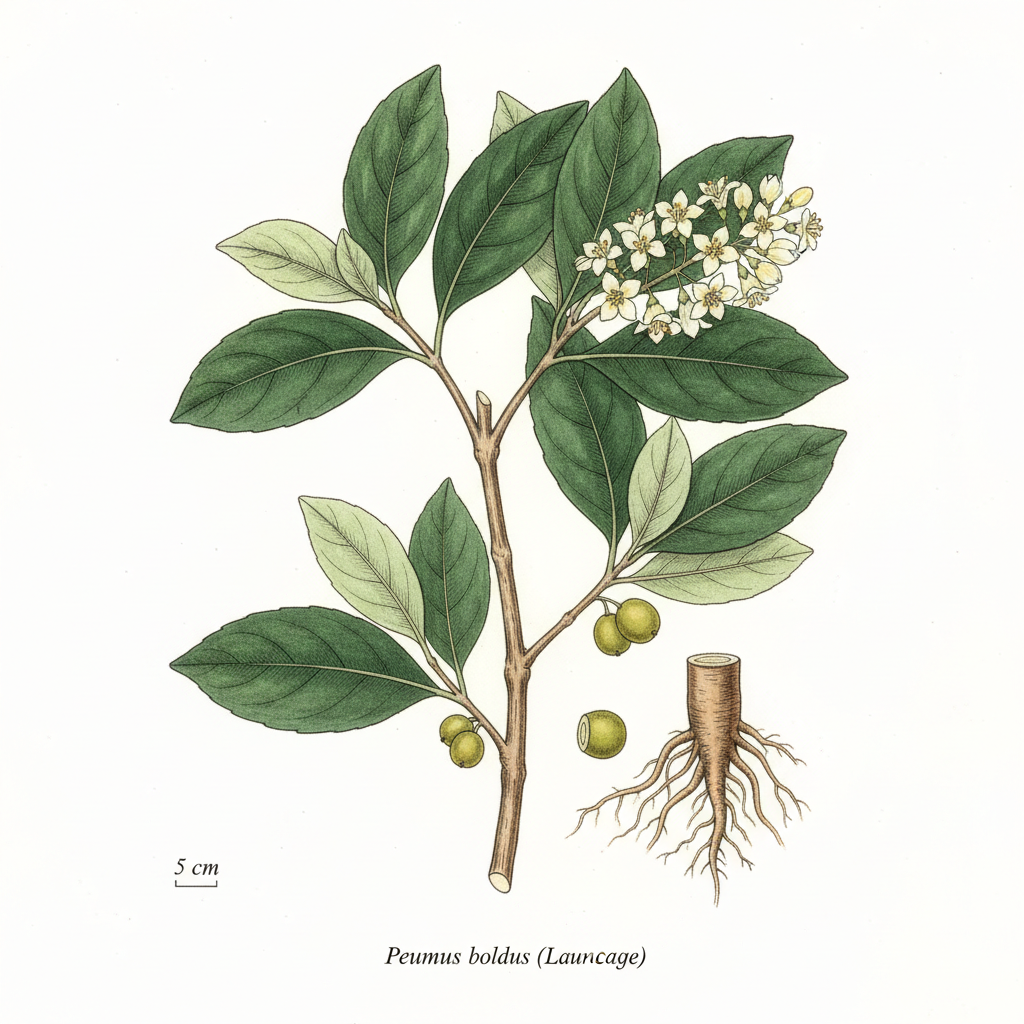
Boldo

Boldo

Peumus boldus

Digestive Aid