The Wild Sage logo
The Wild Sage Logo

Herbal Medicine at your fingertips

Comprehensive database of herbal remedies with detailed safety information and traditional uses

New to herbal terms? Read the glossary →
ADHD
Abcess
Acid Reflux Relief
Acinetobacter
Acne
Acne Vulgaris
Addisons
Adenomyosis
Adenovirus
Adrenal fatigue
Aging
Aids
Alcaligenes faecalis
Alcoholism
Allergic Rhinitis
Allergies
Allergy
Alopoecia
Alopoecia nervosa
Alzheimer's, Dementia & Cognitive Decline
420 herbs found
Important: This information is for educational purposes only. Always consult with qualified healthcare professionals before using herbal remedies, especially if you have existing health conditions or take medications.
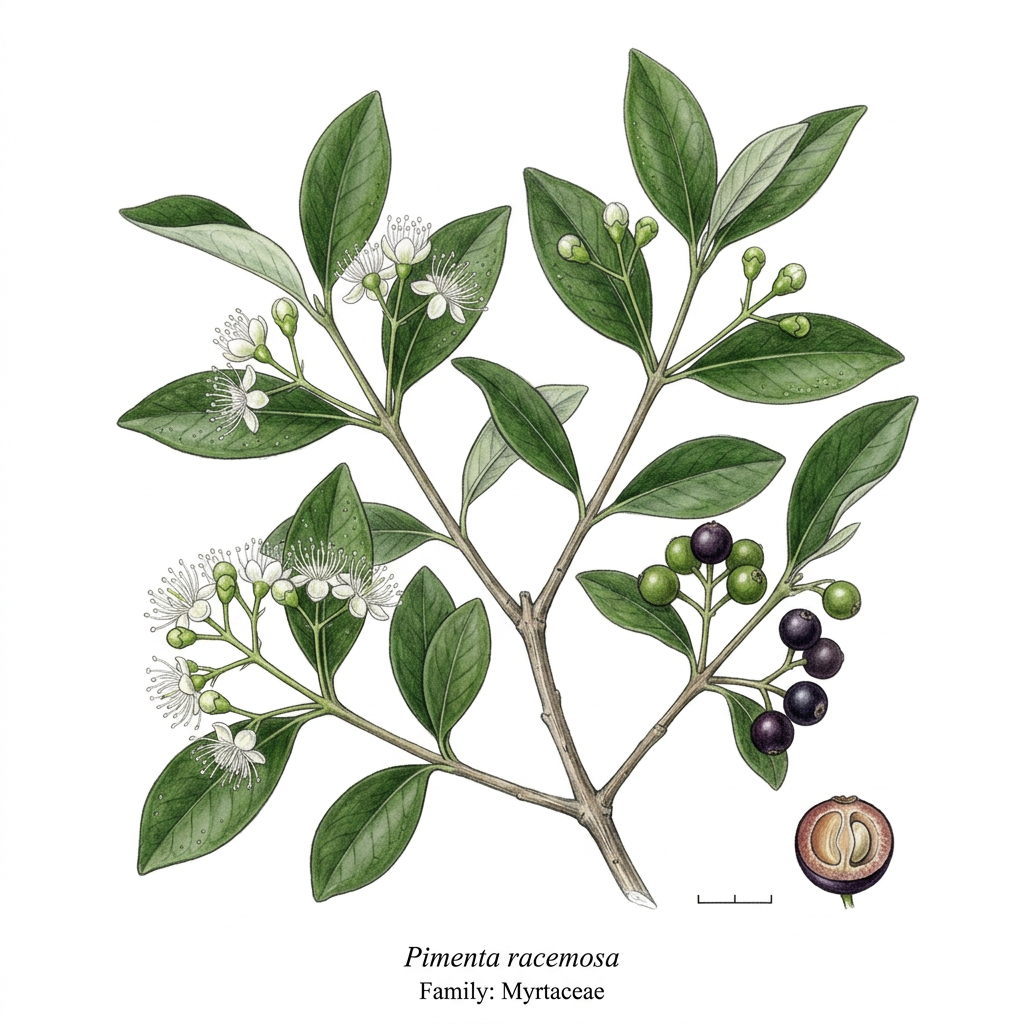
Bay rum

Bay rum

Pimenta racemosa

moderate risk Risk
Myrtaceae
• Cutting Negative Energy: • Cleansing and Protection: • Road-Opening and Prosperity:
<p>Pimenta racemosa, commonly known as bay rum or West Indian bay, is a perennial herb native to the Caribbean and parts of Central and South America. Traditionally valued for its aromatic leaves, Pimenta racemosa has a rich history of use among indigenous cultures and in colonial herbal practices. Historically, the leaves were utilized to create bay rum, a fragrant steam-distilled essence prized not only for its scent but also for its perceived medicinal properties. Through the ages, it has been integrated into various traditional remedies, particularly for ailments related to the skin and respiratory system, showcasing a unique intersection of culinary and therapeutic applications. The herb is celebrated for its diverse array of therapeutic properties, functioning primarily as a COX-2 inhibitor, which plays a crucial role in reducing inflammation and alleviating pain associated with inflammatory conditions. Additionally, Pimenta racemosa exhibits anti-fungal and anti-bacterial activities, making it an effective ally in combating infections and promoting skin health. Anxiolytic properties further enhance its appeal, supporting mental well-being by mitigating anxiety and promoting a sense of calm. Its chemical constituents, including eugenol and other volatile oils, are believed to contribute significantly to these therapeutic effects. In terms of mechanism, Pimenta racemosa exerts its influence on the body through several biochemical pathways. By inhibiting the COX-2 enzyme, it reduces the synthesis of pro-inflammatory prostaglandins, thus diminishing inflammation and pain. The herb's anti-fungal and anti-bacterial actions are attributed to its ability to disrupt microbial membranes, effectively inhibiting growth and promoting healing. Furthermore, the anxiolytic effects are associated with its compounds interacting with neurotransmitter systems in the brain, fostering relaxation and alleviating stress. This multifaceted herb not only embodies a rich cultural heritage but also serves as a promising candidate for contemporary herbal medicine, warranting further exploration into its potential benefits and applications.</p>

Uses & Conditions

Appetite stimulation
Digestive health
Mental well-being
Culinary use
Healing support
Inflammation
Pain
Skin infections
Respiratory issues
Anxiety
Fungal infections
Bacterial infections
Poor circulation
Dandruff

Actions

COX-2 inhibitor
TNF-alpha reduction
Anti-fungal
Anti-bacterial
Anxiolytic

Parts Used

Leaf

Native Countries

Caribbean
Central America
South America

USDA Hardiness Zones

10
11

Contraindications

  • Pregnancy
  • Anticoagulant medication users
  • Pre-surgical patients
  • Liver disease

Potential Side Effects

  • Stomach upset
  • Digestive tract irritation

Interactions

  • Anticoagulants and antiplatelet agents such as warfarin or aspirin: potential for increased bleeding risk due to the presence of eugenol
  • NSAIDs: potential additive effect on COX-2 pathways
  • CNS depressants: possible additive sedative effects
  • High-dose prescription medicines: caution advised

Dosages, tincture ratios & research — members only

Unlock Garreth's dosing guidance, tincture ratios, the dosage calculator and the research studies for Bay rum.

Your assessment and results stay saved — upgrading only unlocks more of them.

See membership plans

Community Photos

No community photos yet. Sign in to upload photos.

Reviews & Ratings

Sign in to leave a review.

No reviews yet. Be the first!

GF

Garreth Falls — B.Th., Dip. H.M., MNIMH

Content curated and reviewed by Garreth Falls, Consultant Medical Herbalist · The Wild Sage

Medical Disclaimer: This information is for educational purposes only and is not intended as medical advice. Always consult with qualified healthcare professionals before starting any herbal treatment.
Western tradition

Sustainability & quality

Abundant

Widely available as a byproduct of the spice trade; quality varies by essential oil content.

Key constituents

Chavicol, Eugenol, Linalool, limonene, Mycerene

References

  1. Herbal Reality. Herb monographs. herbalreality.com

Reviewed by Garreth, Medical Herbalist (MNIMH) · October 2026

Related conditions

Explore conditions where Bay rum is traditionally used.

Related Herbs
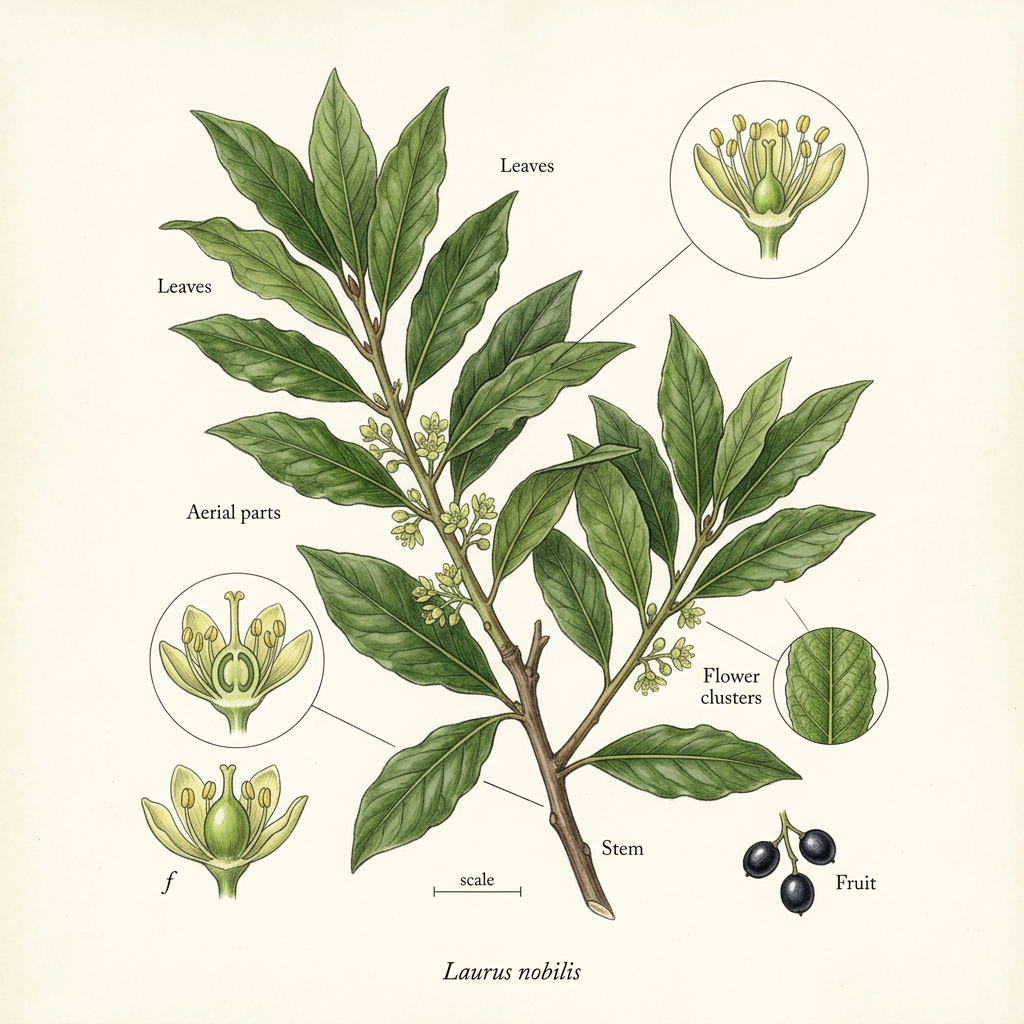
Bay Laurel

Bay Laurel

Laurus nobilis

Digestive Aid
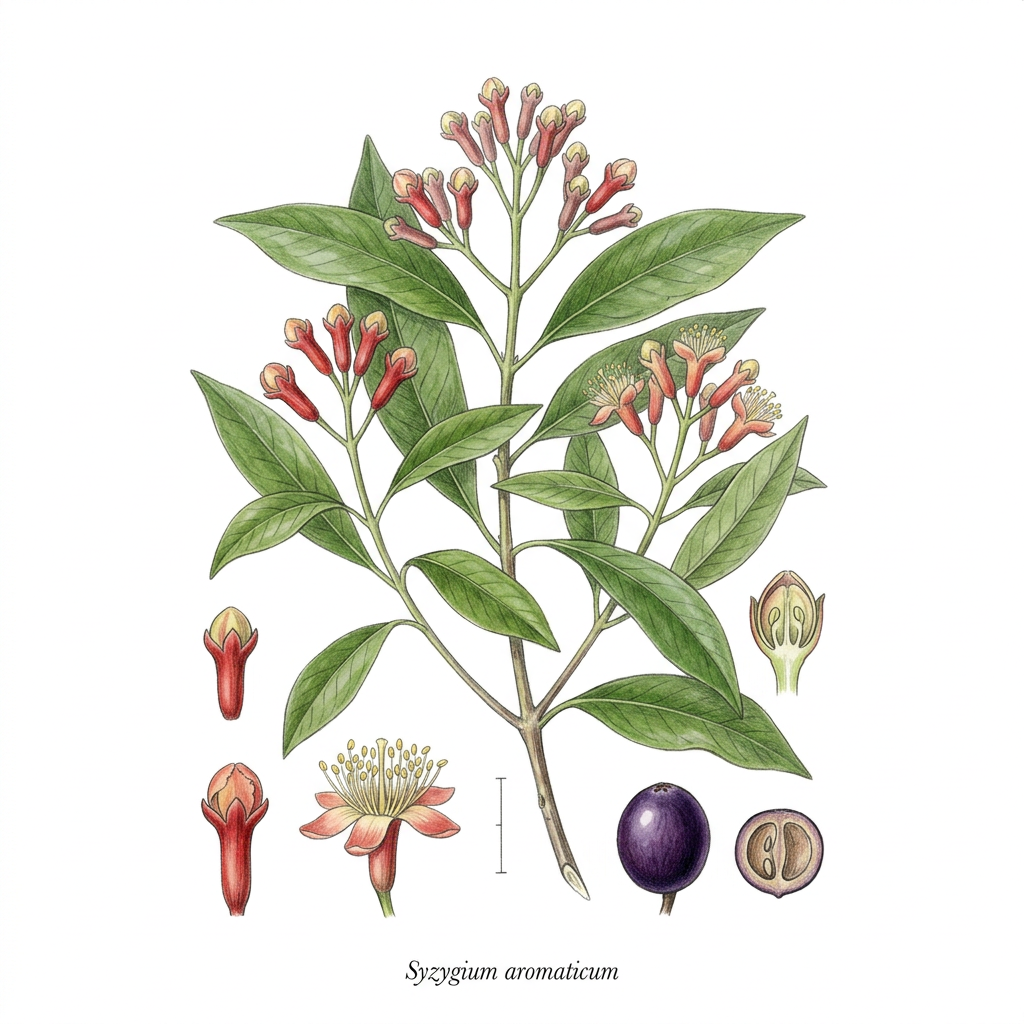
Clove

Clove

Syzygium aromaticum

Immune System Support
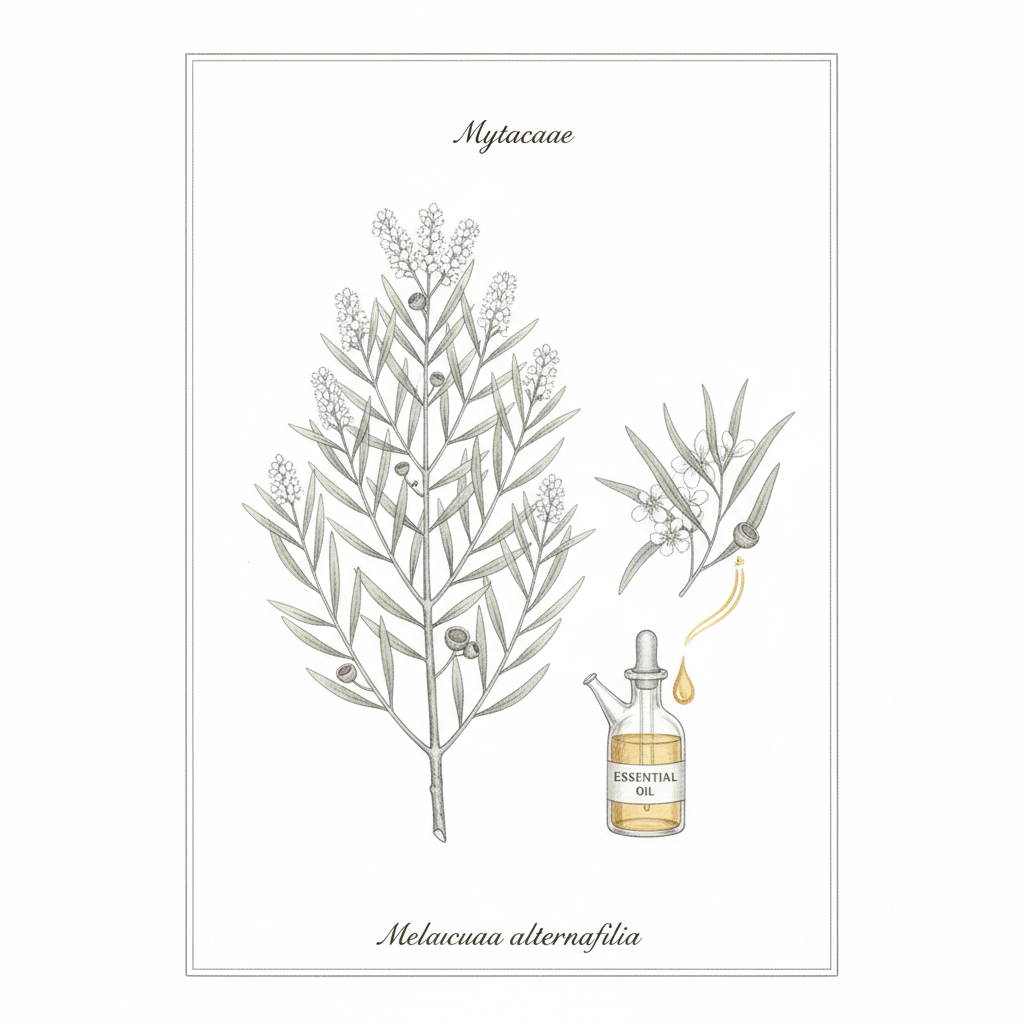
Tea Tree

Tea Tree

Melaleuca alternifolia

Respiratory Health
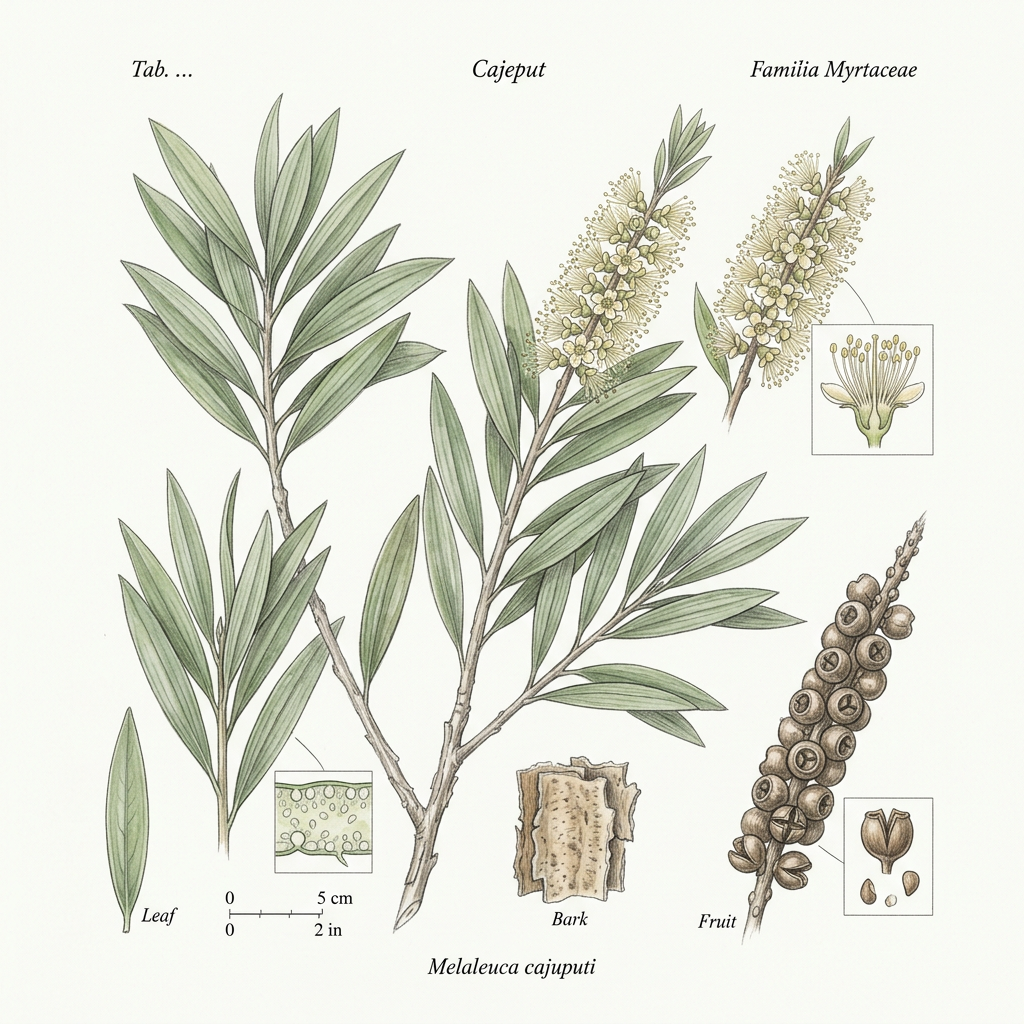
Cajeput

Cajeput

Melaleuca leucadendra

Aromatherapy