The Wild Sage logo
The Wild Sage Logo

Herbal Medicine at your fingertips

Comprehensive database of herbal remedies with detailed safety information and traditional uses

New to herbal terms? Read the glossary →
ADHD
Abcess
Acid Reflux Relief
Acinetobacter
Acne
Acne Vulgaris
Addisons
Adenomyosis
Adenovirus
Adrenal fatigue
Aging
Aids
Alcaligenes faecalis
Alcoholism
Allergic Rhinitis
Allergies
Allergy
Alopoecia
Alopoecia nervosa
Alzheimer's, Dementia & Cognitive Decline
420 herbs found
Important: This information is for educational purposes only. Always consult with qualified healthcare professionals before using herbal remedies, especially if you have existing health conditions or take medications.
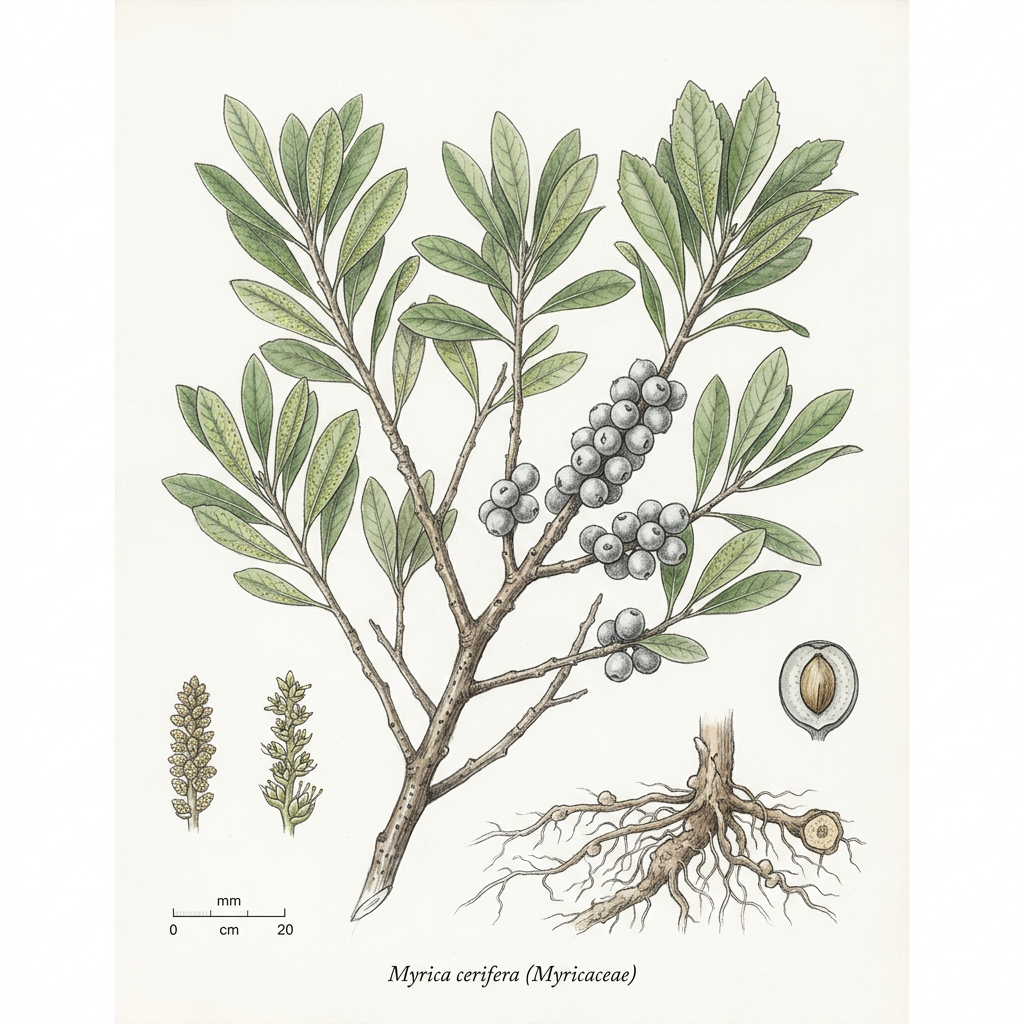
Bayberry

Bayberry

Myrica cerifera

low risk Risk
Myristicaceae
Cool, moist, astrigent, slightly bitter
<p>Bayberry, known scientifically as Myrica cerifera, is a versatile and potent herb native to the eastern United States and parts of Canada. Traditionally, bayberry has been valued for its myriad health benefits and has long been incorporated into both folkloric and herbal medicine practices by Indigenous peoples. Historically, the berries and bark of the bayberry shrub were used in various forms, including tinctures and teas, to treat ailments ranging from respiratory issues to gastrointestinal disturbances. Its use dates back centuries, where it was prized not just for its medicinal properties, but also for its ability to produce wax, which was utilized in candle-making and other crafts. Exploring its therapeutic properties, bayberry is distinguished by its astringent and antibacterial qualities, making it particularly beneficial for conditions involving mucous membranes. The herb's primary actions include serving as an anti-diarrheal, providing relief to those suffering from gastrointestinal upset, and helping to reduce inflammation in sore throats. Furthermore, bayberry's astringent nature promotes a tightening effect on tissues, making it effective in alleviating excessive secretions and stimulating circulation. In addition to its digestive benefits, the plant contains compounds that contribute to its emetic and narcotic properties, which can assist in calming nausea and promoting overall digestive health. Bayberry’s efficacy in the body can be attributed to its rich phytochemical profile, which includes tannins, flavonoids, and essential oils. These compounds work synergistically to stimulate blood flow, enhance immune response, and provide a protective barrier against infections. By promoting better circulation, bayberry may also support the overall health of the digestive system, aiding the assimilation of nutrients and elimination of toxins. The herb's multi-faceted action extends beyond just immediate relief, fostering a holistic approach to health that resonates with the principles of traditional herbalism. Whether used in the form of an infusion, tincture, or capsule, bayberry continues to be a valuable ally in natural medicine, offering a blend of historical significance and modern therapeutic utility.</p>

Uses & Conditions

Digestive Aid
Hepatic Support
Immune Support
Tissue Tightening
Stimulation of Circulation
Diarrhoea
Bacterial Infections
Viral Infections
Inflammatory Conditions
Digestive Disorders
Hepatic Disorders
Colds
Dysentery
Nausea
Catarrh
Severe Gastrointestinal Discomfort

Actions

Anti-diarrhoeal
Astringent
Antibacterial
Emetic
Narcotic
Hepatic
TNF-a Reduction
NFkB Inhibitor
Antiviral

Parts Used

Berries

Native Countries

North America

USDA Hardiness Zones

USDA 3-9

Contraindications

  • Emetic in large doses

Potential Side Effects

  • Emetic in high doses

Interactions

  • Anticoagulants and antiplatelet drugs: use caution alongside medications like warfarin or clopidogrel due to potential tannins
  • Iron supplements: high tannin content may reduce absorption if taken simultaneously
  • Medications requiring specific gastric pH: astringent nature may alter absorption of sensitive drugs

Dosages, tincture ratios & research — members only

Unlock Garreth's dosing guidance, tincture ratios, the dosage calculator and the research studies for Bayberry.

Your assessment and results stay saved — upgrading only unlocks more of them.

See membership plans

Community Photos

No community photos yet. Sign in to upload photos.

Reviews & Ratings

Sign in to leave a review.

No reviews yet. Be the first!

GF

Garreth Falls — B.Th., Dip. H.M., MNIMH

Content curated and reviewed by Garreth Falls, Consultant Medical Herbalist · The Wild Sage

Medical Disclaimer: This information is for educational purposes only and is not intended as medical advice. Always consult with qualified healthcare professionals before starting any herbal treatment.
Western tradition

Sustainability & quality

Abundant

Naturally prolific in its native habitat. Generally considered sustainable to harvest provided local environmental protections are observed.

Key constituents

Anti-inflammatory, Antioxidant, Digestive enzymes, flavonoids, Gums, acetogenins, Tannin, Triterpenes

References

  1. British Herbal Pharmacopoeia 1983
  2. Herbal Reality. Herb monographs. herbalreality.com

Reviewed by Garreth, Medical Herbalist (MNIMH) · October 2026

Related conditions

Explore conditions where Bayberry is traditionally used.

Related Herbs
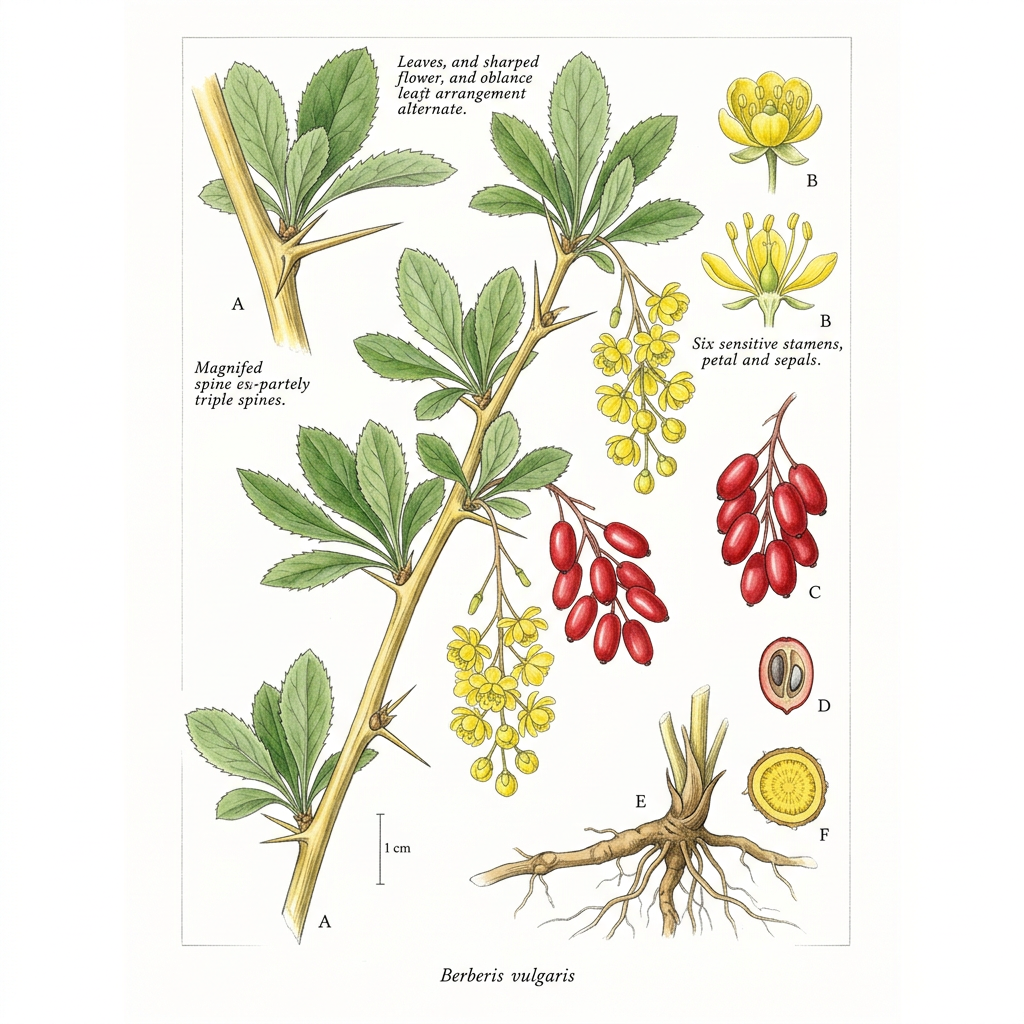
Barberry

Barberry

Berberis vulgaris

Digestive Aid
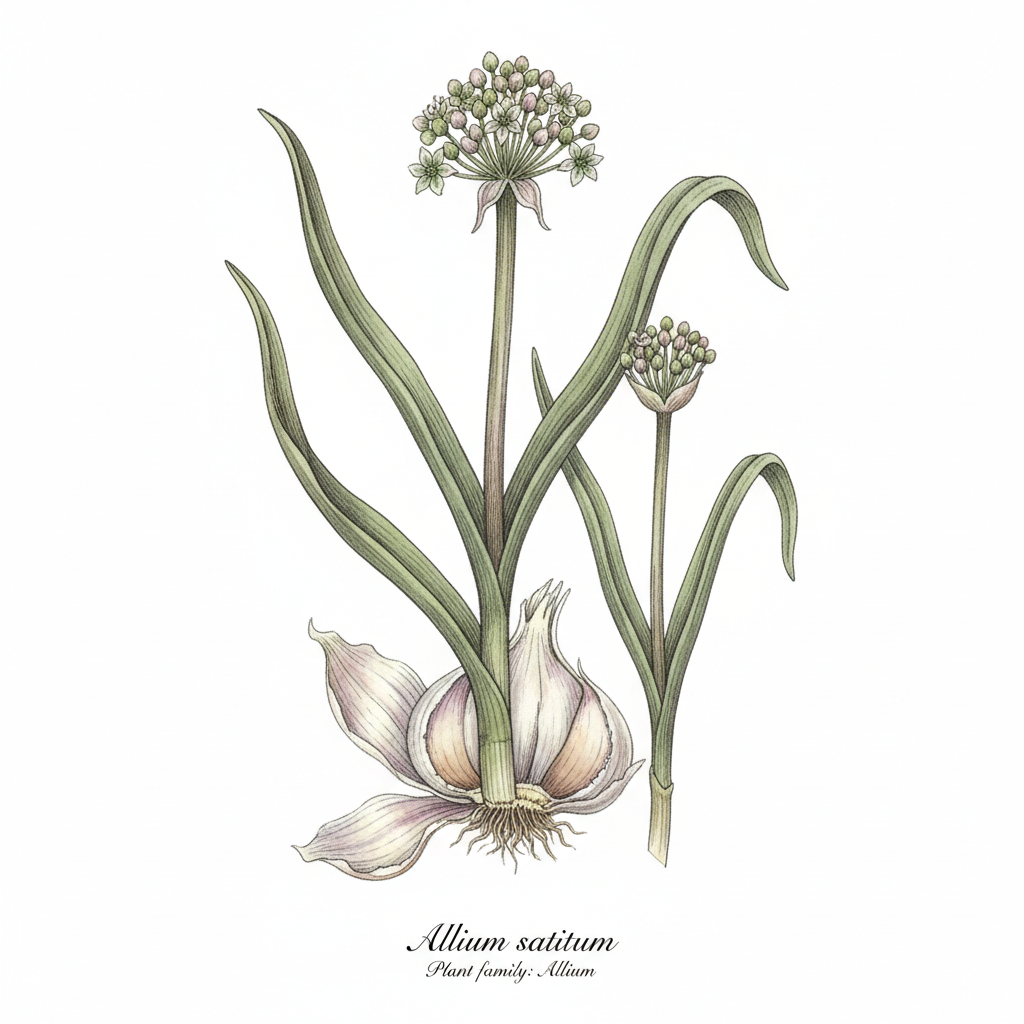
Garlic

Garlic

Allium sativum

Immune Support
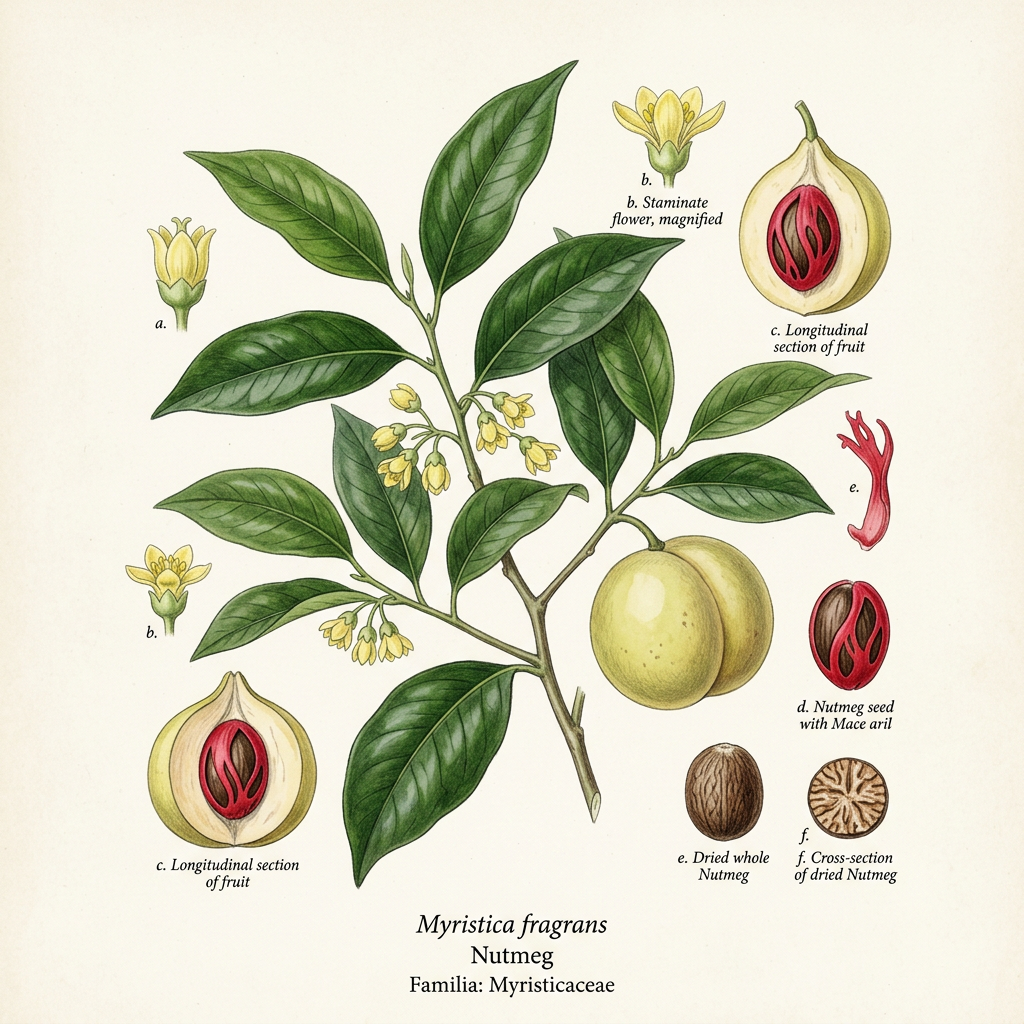
Nutmeg

Nutmeg

Myristica fragrans

Digestive Aid
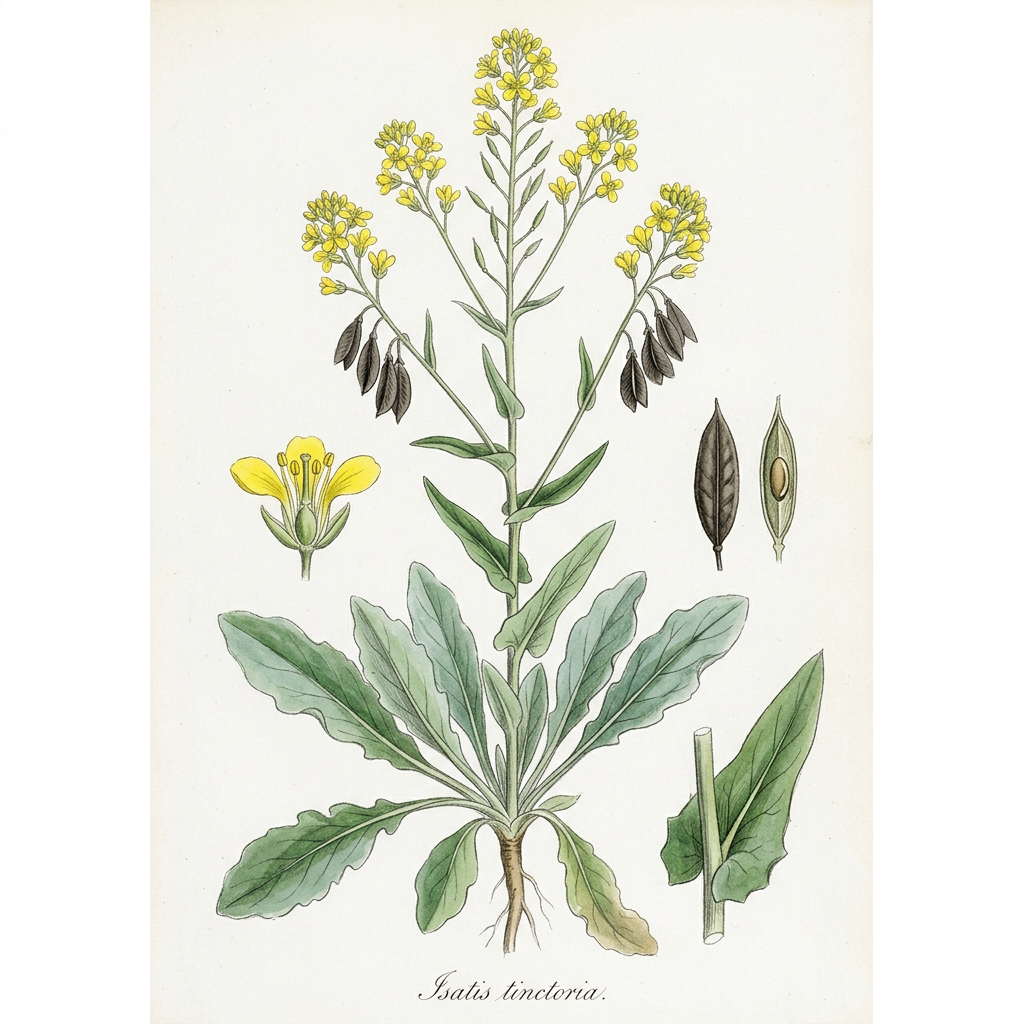
Woad

Woad

Isatis tinctoria

Immune Support