The Wild Sage logo
The Wild Sage Logo

Herbal Medicine at your fingertips

Comprehensive database of herbal remedies with detailed safety information and traditional uses

New to herbal terms? Read the glossary →
ADHD
Abcess
Acid Reflux Relief
Acinetobacter
Acne
Acne Vulgaris
Addisons
Adenomyosis
Adenovirus
Adrenal fatigue
Aging
Aids
Alcaligenes faecalis
Alcoholism
Allergic Rhinitis
Allergies
Allergy
Alopoecia
Alopoecia nervosa
Alzheimer's, Dementia & Cognitive Decline
420 herbs found
Important: This information is for educational purposes only. Always consult with qualified healthcare professionals before using herbal remedies, especially if you have existing health conditions or take medications.
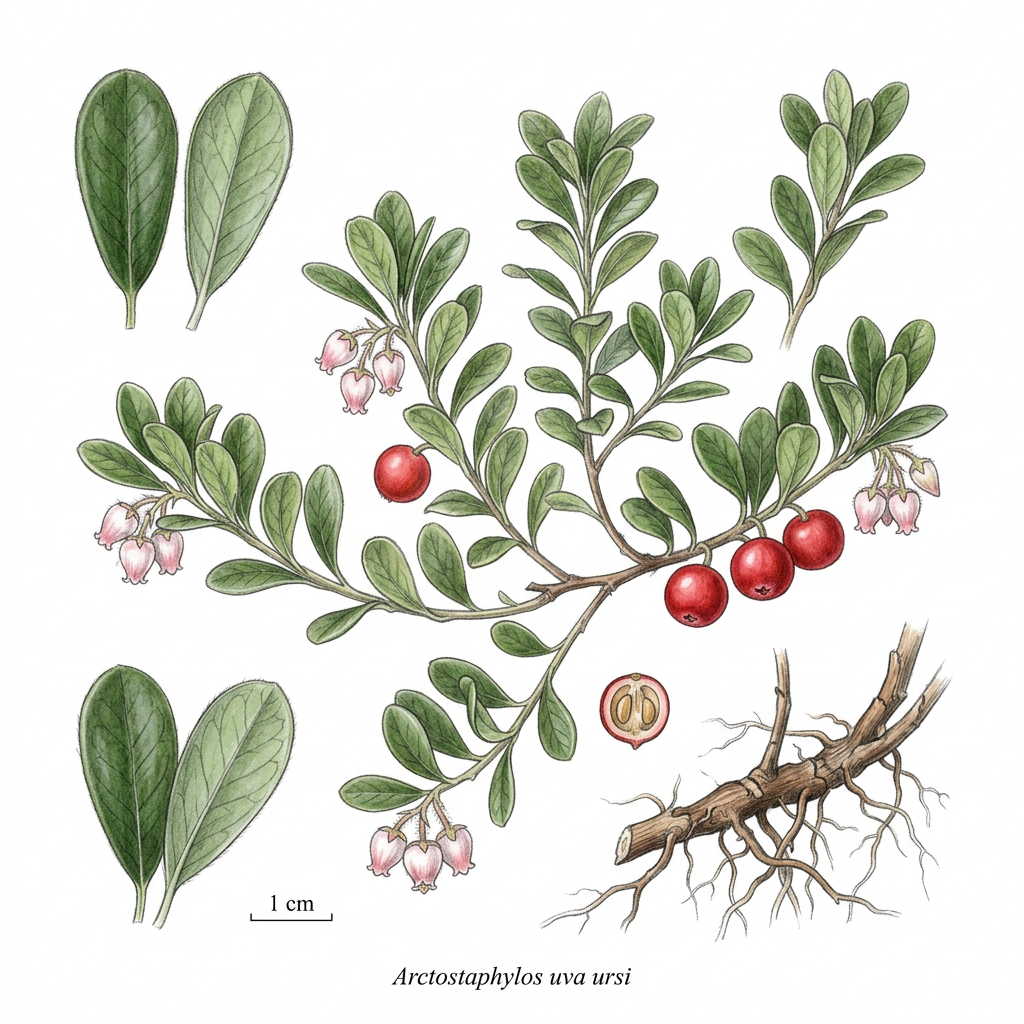
Bearberry

Bearberry

Arctostaphylos uva ursi

moderate risk Risk
Ericaceae
Steady and secure.
<p>Arctostaphylos uva ursi, commonly known as bearberry, is a low-growing evergreen shrub native to various regions in North America, Europe, and Asia. Traditionally utilized by Indigenous peoples and herbalists for its medicinal properties, bearberry has a rich history of use, particularly in the management of urinary tract conditions. The leaves of this remarkable plant are harvested for their therapeutic compounds and have been included in herbal remedies for centuries, celebrated for their astringent and antiseptic qualities. The name "uva ursi" is derived from Latin, meaning "bear's grape," which harkens back to its use as a food source for bears and reflects the plant's close association with natural ecosystems. The leaves of Arctostaphylos uva ursi are prized for their multifaceted therapeutic properties. They boast a remarkable profile rich in tannins, flavonoids, and glycosides, contributing to their effectiveness as a haemostatic agent and antioxidant. The astringent properties make bearberry particularly beneficial for conditions characterized by localized inflammation and irritation. Furthermore, its diuretic and urinary antiseptic actions support urinary health by promoting increased urine flow and offering a protective effect against microbial infections. Bearberry is also recognized for its potential anti-inflammatory and antilithic effects, rendering it useful in the prevention and management of kidney stones. In the body, Arctostaphylos uva ursi's active compounds exert their effects on the urinary system, where they function by soothing irritation, reducing inflammation, and inhibiting the growth of pathogens. The tannins present in the leaves create a protective barrier on mucous membranes, while the antiseptic actions help to cleanse the urinary tract of harmful bacteria. The herb’s demulcent properties also provide a coating effect, alleviating discomfort associated with urinary disorders. Overall, bearberry serves as a powerful ally in promoting urinary tract health, showcasing the profound connection between traditional herbal wisdom and contemporary herbal medicine.</p>

Uses & Conditions

Urinary Health
Urinary Antiseptic
Pyuria
Renal Calculus
Kidney Inflammation
Renal Congestion
Pyelitis
Irritable Bowel Syndrome
Benign Prostatic Hyperplasia
Water Retention
Urinary Tract Infection
Ulcerative Colitis
Pyelonephritis
Urethritis
Peptic Ulcer
Prostatitis
Gall Stones
Crohn's Disease
Dermatitis
Dysuria
Bladder Stones

Actions

Antimicrobial
Demulcent
Diuretic
Astringent
Anti-inflammatory
Antilithic
Tonic
Antiseptic
Haemostatic
Antioxidant

Synonyms

Uva Ursi

Parts Used

Leaf

Native Countries

North America

USDA Hardiness Zones

USDA 3-10

Contraindications

  • Pregnancy
  • Children under 12 years
  • Anaemic patients with related kidney disease
  • Constipation
  • Malnourishment

Potential Side Effects

  • Gastrointestinal tract inflammation
  • Gastrointestinal ulceration

Interactions

  • Diuretics: may potentiate effects leading to electrolyte imbalances
  • NSAIDs and corticosteroids: may increase risk of gastric irritation
  • Lithium: may alter excretion and serum levels
  • Iron supplements: high tannin levels may inhibit absorption
  • Alkalinising agents: acidic urine may render the herb less effective

Dosages, tincture ratios & research — members only

Unlock Garreth's dosing guidance, tincture ratios, the dosage calculator and the research studies for Bearberry.

Your assessment and results stay saved — upgrading only unlocks more of them.

See membership plans

Community Photos

No community photos yet. Sign in to upload photos.

Reviews & Ratings

Sign in to leave a review.

No reviews yet. Be the first!

GF

Garreth Falls — B.Th., Dip. H.M., MNIMH

Content curated and reviewed by Garreth Falls, Consultant Medical Herbalist · The Wild Sage

Medical Disclaimer: This information is for educational purposes only and is not intended as medical advice. Always consult with qualified healthcare professionals before starting any herbal treatment.
Western tradition

Sustainability & quality

At risk

Wild Uva-ursi is prone to some local over-harvesting; support ethical wild-crafters who use selective pruning or prioritize cultivated stock. It is not generally seen as at risk globally.

Key constituents

Arctostaphylos uva-ursi, Arbutin, flavonoids, Iridoid monoterpene, Terpenoids, Myricetin, 27-deoxyactein, Quercitrin, Isoquercetin

References

  1. ESCOP Monographs 2nd ed. 2003
  2. EMA/HMPC Community Herbal Monograph
  3. British Herbal Pharmacopoeia 1983
  4. Herbal Reality. Herb monographs. herbalreality.com

Reviewed by Garreth, Medical Herbalist (MNIMH) · October 2026

Related conditions

Explore conditions where Bearberry is traditionally used.

Related Herbs
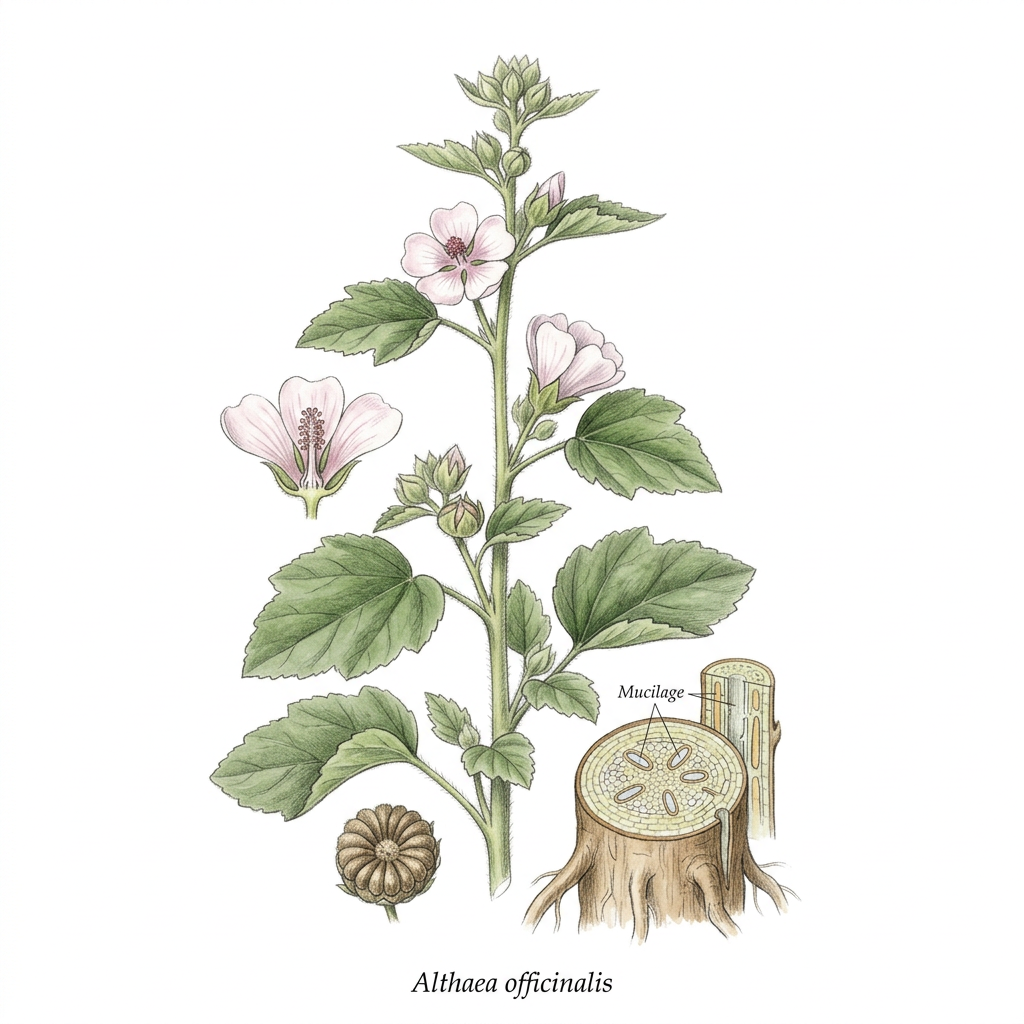
Marshmallow

Marshmallow

Althaea officinalis

Digestive Aid
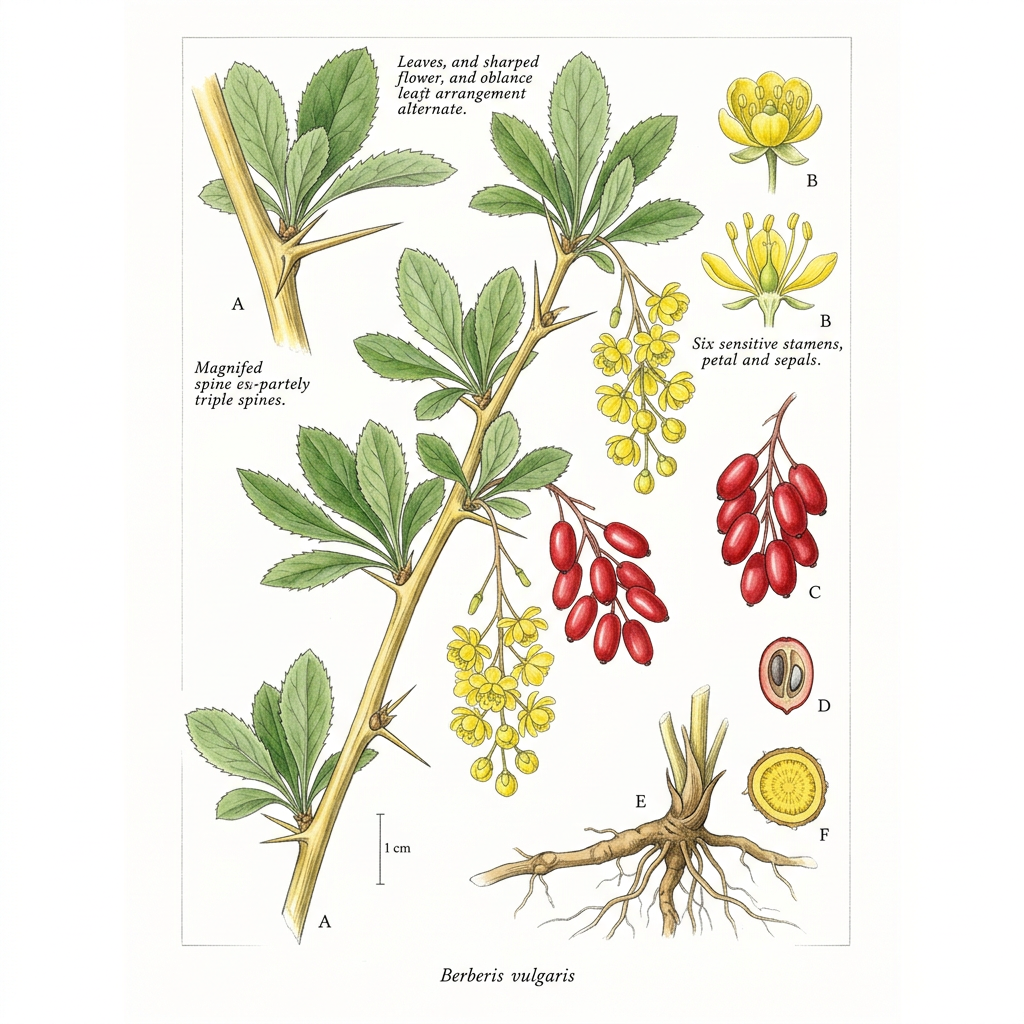
Barberry

Barberry

Berberis vulgaris

Digestive Aid
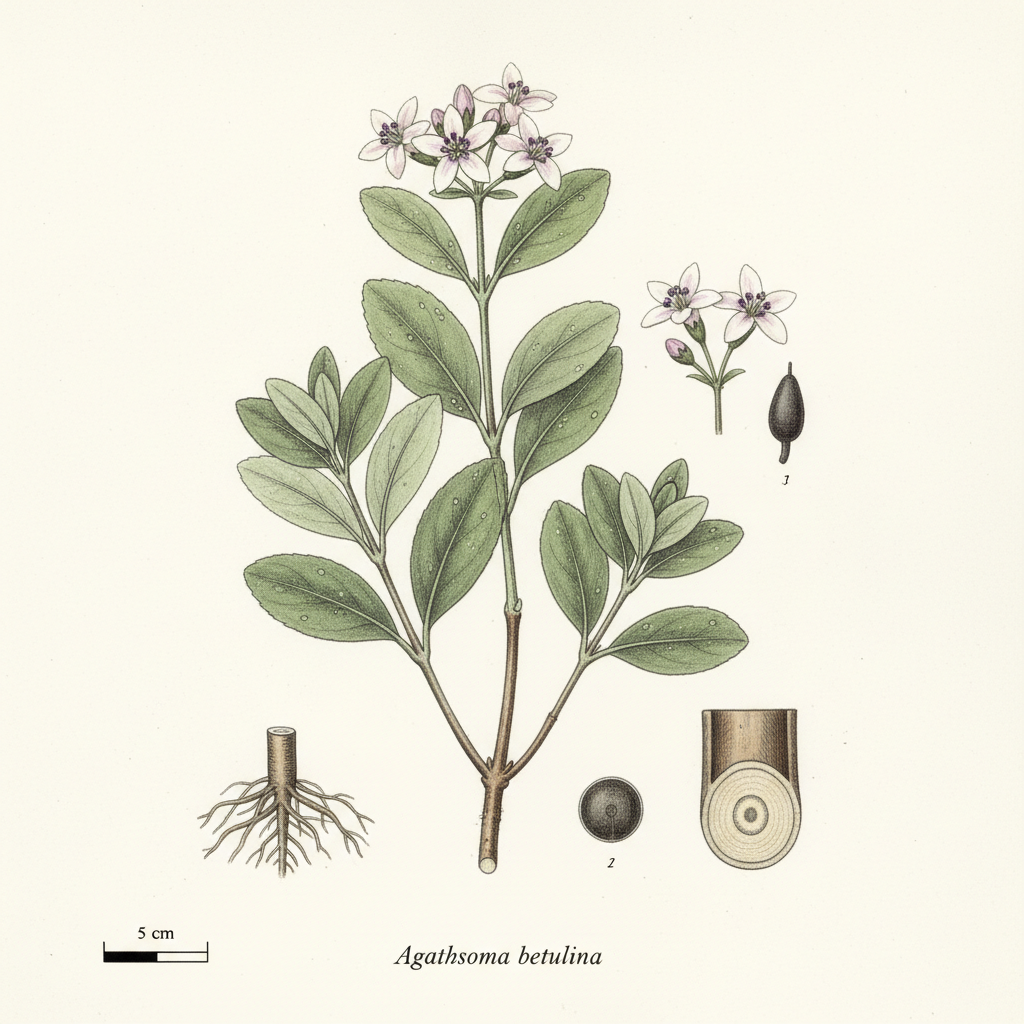
Buchu

Buchu

Agathosma betulina

Urinary Health Support
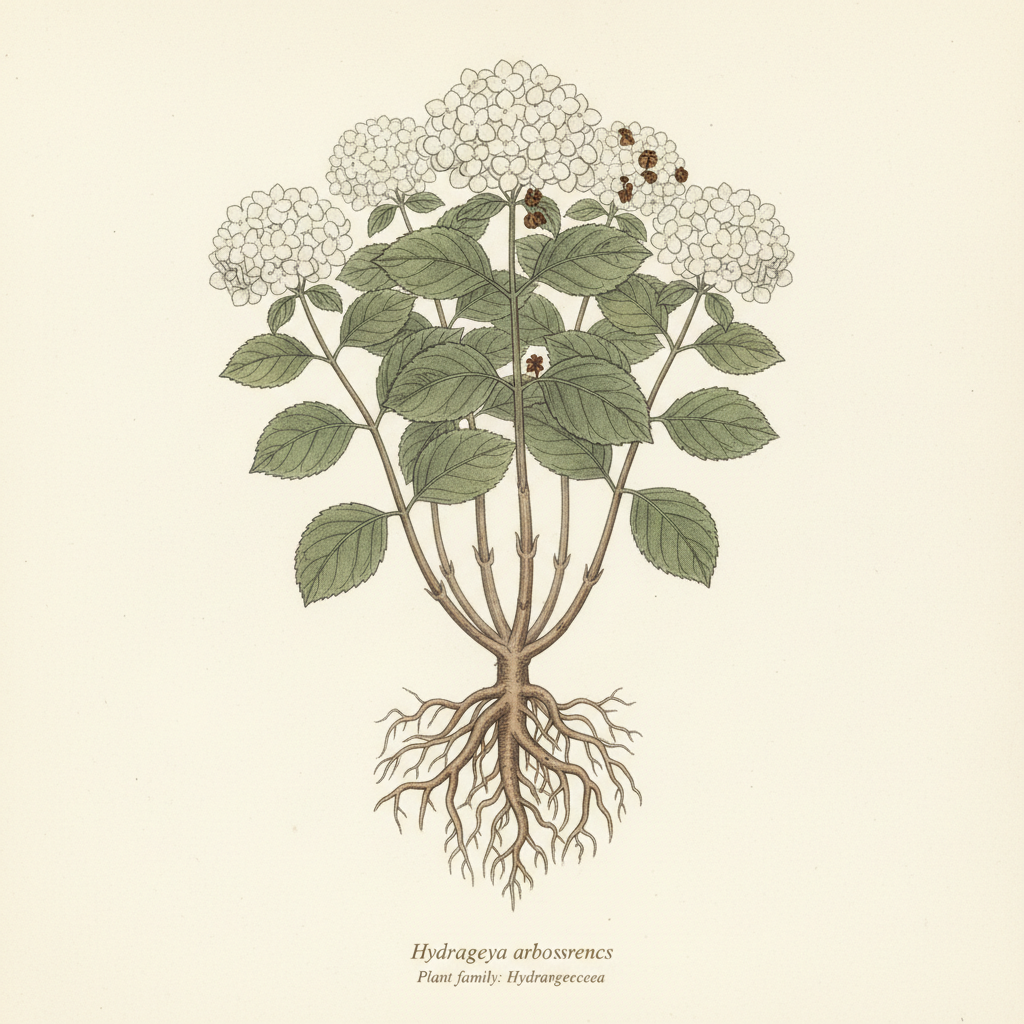
Hydrangea

Hydrangea

Hydrangea arborescens

Adrenal Tonic