The Wild Sage logo
The Wild Sage Logo

Herbal Medicine at your fingertips

Comprehensive database of herbal remedies with detailed safety information and traditional uses

New to herbal terms? Read the glossary →
ADHD
Abcess
Acid Reflux Relief
Acinetobacter
Acne
Acne Vulgaris
Addisons
Adenomyosis
Adenovirus
Adrenal fatigue
Aging
Aids
Alcaligenes faecalis
Alcoholism
Allergic Rhinitis
Allergies
Allergy
Alopoecia
Alopoecia nervosa
Alzheimer's, Dementia & Cognitive Decline
420 herbs found
Important: This information is for educational purposes only. Always consult with qualified healthcare professionals before using herbal remedies, especially if you have existing health conditions or take medications.
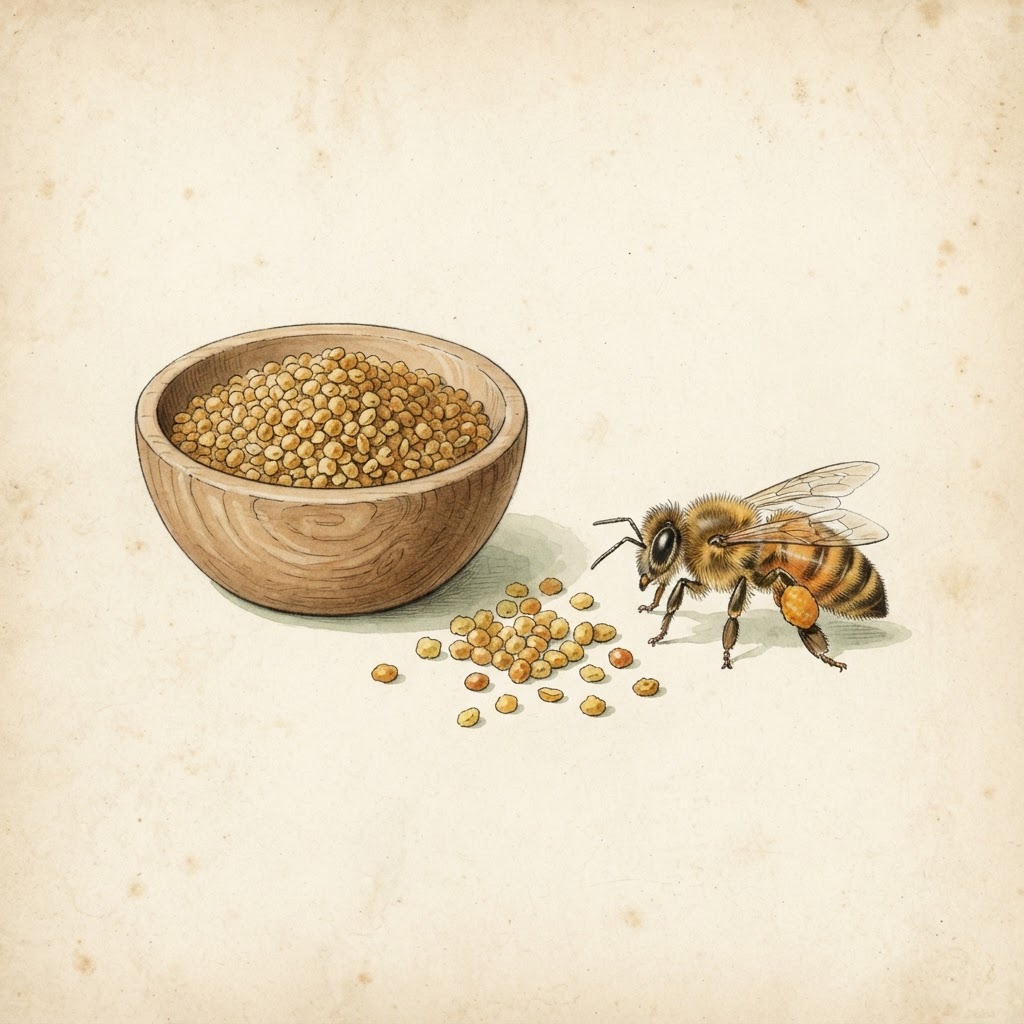
Bee pollen

Bee pollen

Bee pollen

low risk Risk
Enhances vitality and supports immune function while providing nourishment and boosting energy.
<p>Bee Pollen: Nature’s Multivitamin Bee pollen is a complex, nutrient-dense substance gathered by worker honeybees from the stamens of flowering plants, where it is mixed with nectar and bee secretions to form tiny, golden granules. Revered since antiquity, bee pollen has been utilised across diverse cultures—from the ancient Egyptians, who considered it a "life-giving" food, to traditional Chinese medicine practitioners who have long valued its ability to nourish the body and promote longevity. Often referred to as "nature’s multivitamin," it serves as the primary protein source for the hive, containing a sophisticated profile of free amino acids, lipids, vitamins, minerals, enzymes, and bioactive polyphenols that mirror the diversity of the local flora from which it is harvested. From a therapeutic perspective, bee pollen is highly regarded for its adaptogenic and immune-modulating properties. It is frequently employed to bolster systemic resilience, particularly in managing seasonal allergic rhinitis, where its clinical potential in desensitising the immune response to airborne allergens has been a subject of significant interest. Beyond its use in respiratory health and asthma management, it is prized for its ergogenic benefits, helping to combat fatigue, improve recovery from exercise-induced stress, and support metabolic health by assisting in the regulation of blood glucose levels. Rich in flavonoids and phenolic acids, it acts as a potent antioxidant, neutralising oxidative stress and inflammation throughout the body. The biological efficacy of bee pollen stems from its synergistic biochemical composition, which allows it to exert a multi-systemic influence on human physiology. By modulating the inflammatory cascade, it can help stabilise mast cells and reduce the hypersensitivity associated with allergic reactions. Simultaneously, its dense concentration of micronutrients and bioactive enzymes supports cellular energy production and endocrine function. Through these mechanisms, bee pollen serves not merely as a supplement for symptom management, but as a holistic tonic that enhances metabolic markers, reinforces the integrity of the immune system, and promotes sustained vitality in the face of chronic fatigue or environmental stressors.</p><p><br></p><p>Bee pollen should be avoided by those with known severe bee sting or pollen allergies, as it may trigger anaphylaxis in sensitive individuals.</p>

Uses & Conditions

Nutritional Supplement
Energy Booster
Antioxidant
Allergic Rhinitis
Asthma
Fatigue
Diabetes Mellitus
Respiratory Infection
Chronic Fatigue Syndrome
Chronic Obstructive Pulmonary Disease
Skin Irritation

Actions

Nutritional Supplement
Energy Booster
Antioxidant
Respiratory Support

Parts Used

Pollen

Native Countries

United States
Canada
Mexico
Europe
Australia

USDA Hardiness Zones

3
4
5
6
7

Contraindications

  • Allergy to bee stings
  • Severe hayfever

Potential Side Effects

  • Allergic reaction

Interactions

  • Warfarin and other anticoagulants: potential for increased bleeding risk
  • Bee venom or severe pollen allergies: high risk of anaphylaxis or hypersensitivity
  • Diabetes medication: potential for additive hypoglycaemic effects
  • Hormone replacement therapy: theoretical interaction due to potential phytoestrogenic activity

Dosages, tincture ratios & research — members only

Unlock Garreth's dosing guidance, tincture ratios, the dosage calculator and the research studies for Bee pollen.

Your assessment and results stay saved — upgrading only unlocks more of them.

See membership plans

Community Photos

No community photos yet. Sign in to upload photos.

Reviews & Ratings

Sign in to leave a review.

No reviews yet. Be the first!

GF

Garreth Falls — B.Th., Dip. H.M., MNIMH

Content curated and reviewed by Garreth Falls, Consultant Medical Herbalist · The Wild Sage

Medical Disclaimer: This information is for educational purposes only and is not intended as medical advice. Always consult with qualified healthcare professionals before starting any herbal treatment.
Western tradition

Sustainability & quality

Abundant

Bee-collected product. Sourcing should be from ethical beekeepers who manage the collection without harming the long-term vitality of the hive.

Key constituents

bee pollen extract, bee pollen compounds, bee pollen saponins

References

  1. Herbal Reality. Herb monographs. herbalreality.com

Reviewed by Garreth, Medical Herbalist (MNIMH) · October 2026

Related conditions

Explore conditions where Bee pollen is traditionally used.

Related Herbs
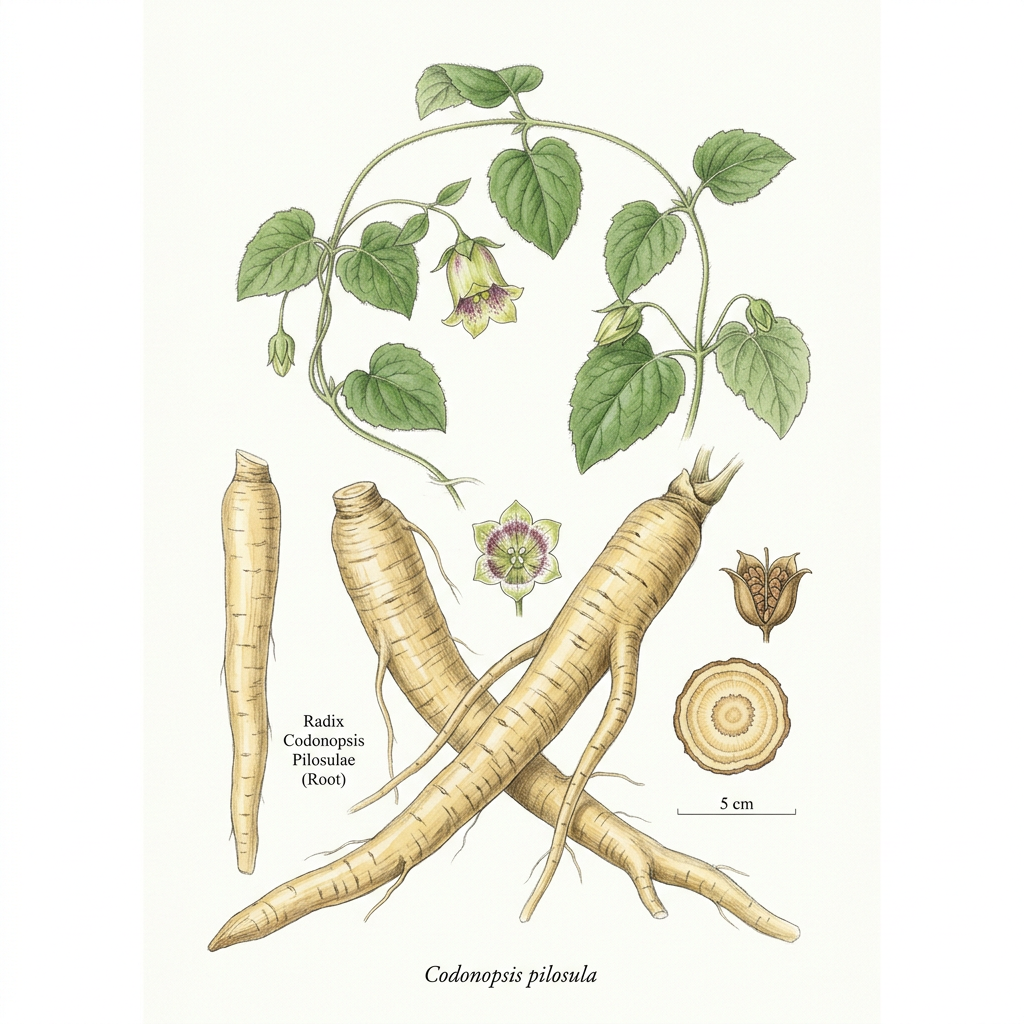
Codonopsis

Codonopsis

Codonopsis pilosula

Adaptogen
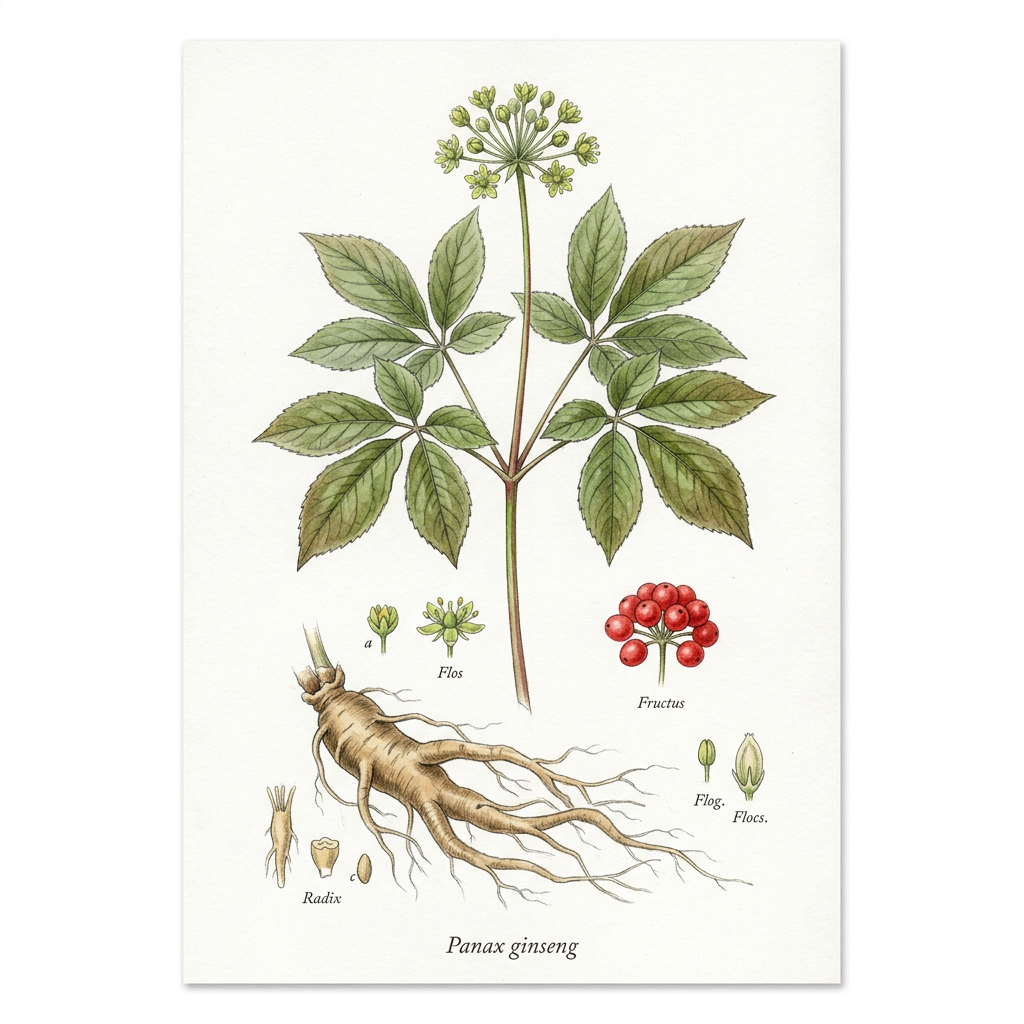
Ginseng

Ginseng

Panax ginseng

Energy Booster
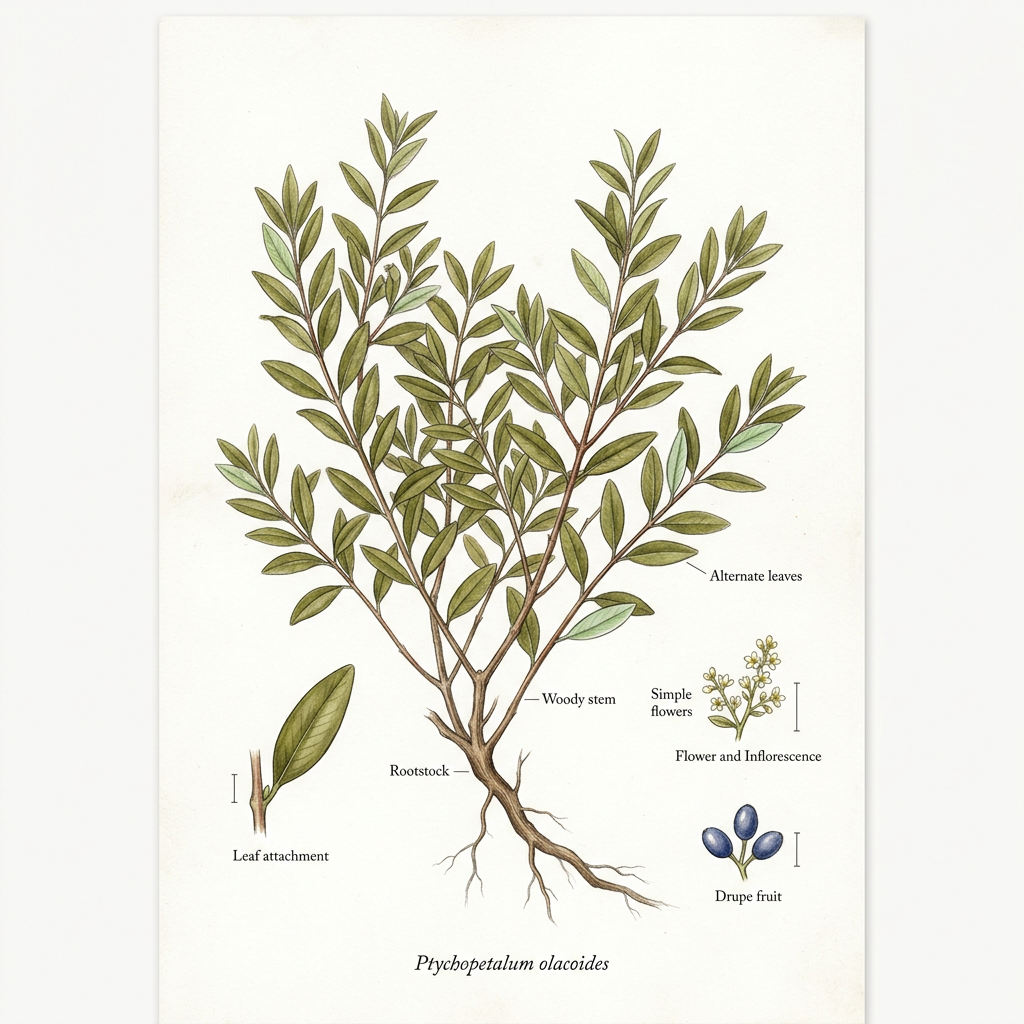
Muira puama

Muira puama

Ptychopetalum olacoides

Cognitive Function
Panax ginseng

Panax ginseng

Panax ginseng

Energy Booster