The Wild Sage logo
The Wild Sage Logo

Herbal Medicine at your fingertips

Comprehensive database of herbal remedies with detailed safety information and traditional uses

New to herbal terms? Read the glossary →
ADHD
Abcess
Acid Reflux Relief
Acinetobacter
Acne
Acne Vulgaris
Addisons
Adenomyosis
Adenovirus
Adrenal fatigue
Aging
Aids
Alcaligenes faecalis
Alcoholism
Allergic Rhinitis
Allergies
Allergy
Alopoecia
Alopoecia nervosa
Alzheimer's, Dementia & Cognitive Decline
420 herbs found
Important: This information is for educational purposes only. Always consult with qualified healthcare professionals before using herbal remedies, especially if you have existing health conditions or take medications.
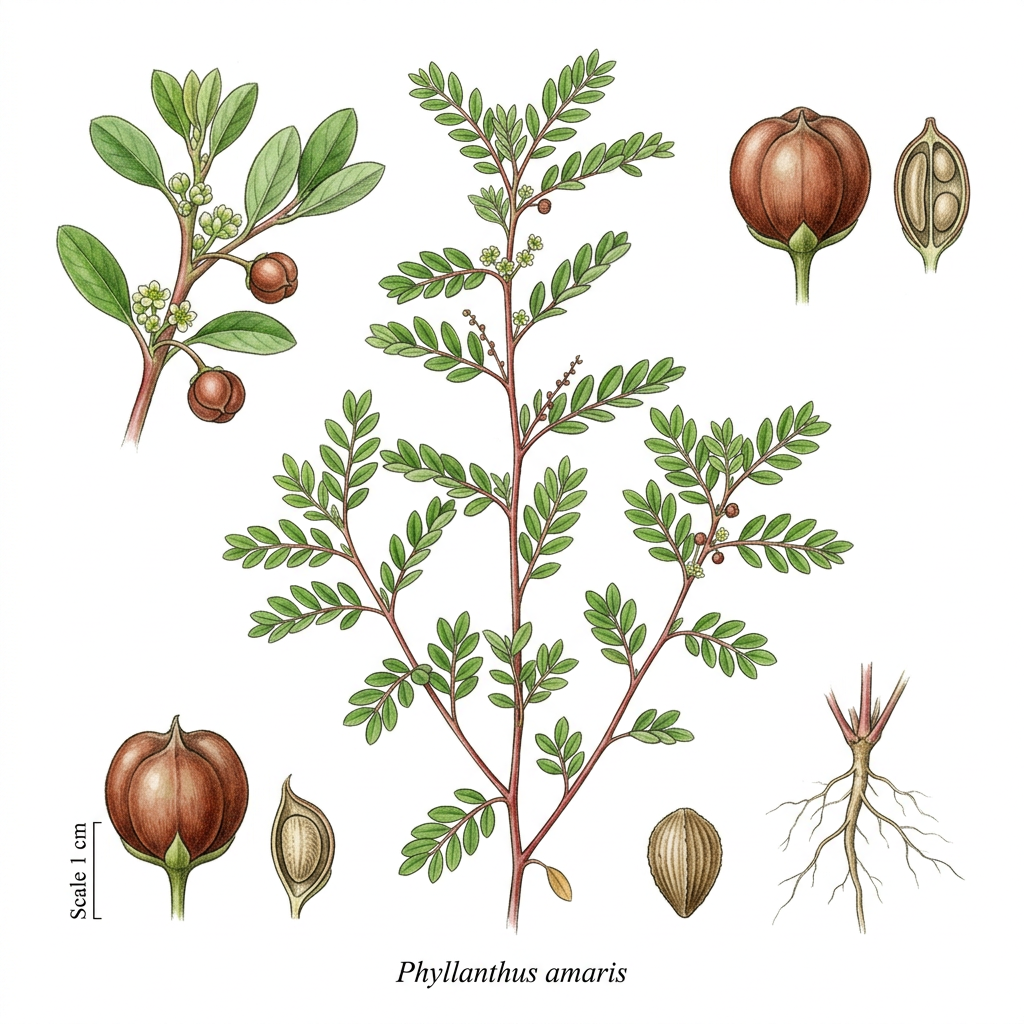
Bhumi amla

Bhumi amla

Phyllanthus amarus

low risk Risk
Euphorbiaceae
Cooling, Detoxifying.
<p>Phyllanthus amaris, commonly known as the “Bhumi Amla” or “Stonebreaker,” is a perennial herb native to tropical and subtropical regions worldwide, particularly across India, Western Africa, and parts of Southeast Asia. This herb has a rich tradition in Ayurvedic and folk medicine, where it is celebrated for its multifaceted health benefits and integral role in detoxification practices. Historical accounts suggest its use in traditional therapies aimed at addressing a variety of ailments, such as liver dysfunction, biliary disorders, and lithiasis (the formation of stones in the kidney and gallbladder). The leaves, flowers, and fruits of Phyllanthus amaris are often used in decoctions, while extracts have become popular in modern herbalism due to their potent health-promoting properties. Phyllanthus amaris exhibits a range of therapeutic properties that contribute to its efficacy in promoting holistic well-being. Its actions as a COX-2 inhibitor and TNF-α reducer highlight its potential in managing inflammation and relieving pain, making it a valuable ally in conditions characterized by chronic inflammation. Furthermore, its antibacterial and antiviral actions lend support in the prevention and treatment of infectious diseases, while its choleretic properties enhance bile production, subsequently improving digestion and liver function. The herb's hypoglycaemic effects provide a critical mechanism for managing blood sugar levels, making it beneficial for those with diabetes or at risk of insulin resistance. At a biochemical level, Phyllanthus amaris exerts its effects through several mechanisms of action. The phytochemicals present in this plant, such as flavonoids, tannins, and alkaloids, perform antioxidant functions that neutralize free radicals and reduce oxidative stress within the body. These compounds work synergistically to inhibit inflammatory pathways, thereby diminishing the production of pro-inflammatory cytokines like TNF-α and prostaglandins associated with COX-2 activity. Additionally, its efficacy in supporting liver health through enhanced bile flow not only aids in digestion but also enhances the detoxification processes, crucial for sustaining metabolic balance. Overall, Phyllanthus amaris presents an impressive profile of therapeutic properties, making it a pertinent herb in both traditional and contemporary herbal medicine practices.</p>

Uses & Conditions

Detoxification
Metabolic balance
Digestive support
Liver dysfunction
Biliary disorders
Lithiasis
Chronic inflammation
Infectious diseases
Diabetes
Gall stones
Kidney stones

Actions

COX-2 Inhibitor
TNF-α Reducer
Antibacterial
Antiviral
Choleretic
Hypoglycaemic

Synonyms

Bhumi Amla
Amla
or Stonebreaker

Parts Used

Whole plant is used.

Native Countries

India
China
Sri Lanka
Bangladesh
Malaysia

USDA Hardiness Zones

10
11

Contraindications

  • Pregnancy
  • Presence of gall stones

Interactions

  • Antidiabetic medications: May enhance hypoglycaemic effects; monitor blood glucose.
  • Antihypertensive drugs: Potential additive blood-pressure-lowering effects.
  • Hepatotoxic drugs: Potential interactions with medications metabolised by the liver.
  • Immunosuppressants: Potential for unpredictable immune modulation.

Dosages, tincture ratios & research — members only

Unlock Garreth's dosing guidance, tincture ratios, the dosage calculator and the research studies for Bhumi amla.

Your assessment and results stay saved — upgrading only unlocks more of them.

See membership plans

Community Photos

No community photos yet. Sign in to upload photos.

Reviews & Ratings

Sign in to leave a review.

No reviews yet. Be the first!

GF

Garreth Falls — B.Th., Dip. H.M., MNIMH

Content curated and reviewed by Garreth Falls, Consultant Medical Herbalist · The Wild Sage

Medical Disclaimer: This information is for educational purposes only and is not intended as medical advice. Always consult with qualified healthcare professionals before starting any herbal treatment.
Ayurvedic tradition

Sustainability & quality

Abundant

Fast-growing weedy species; generally stable supply available from ethical agricultural sources.

Key constituents

lignans, alkaloids, tannins, phyllanthin and hypophyllanthin

References

  1. Pole "Ayurvedic Medicine" 2006
  2. Herbal Reality. Herb monographs. herbalreality.com

Reviewed by Garreth, Medical Herbalist (MNIMH) · October 2026

Related conditions

Explore conditions where Bhumi amla is traditionally used.

Related Herbs
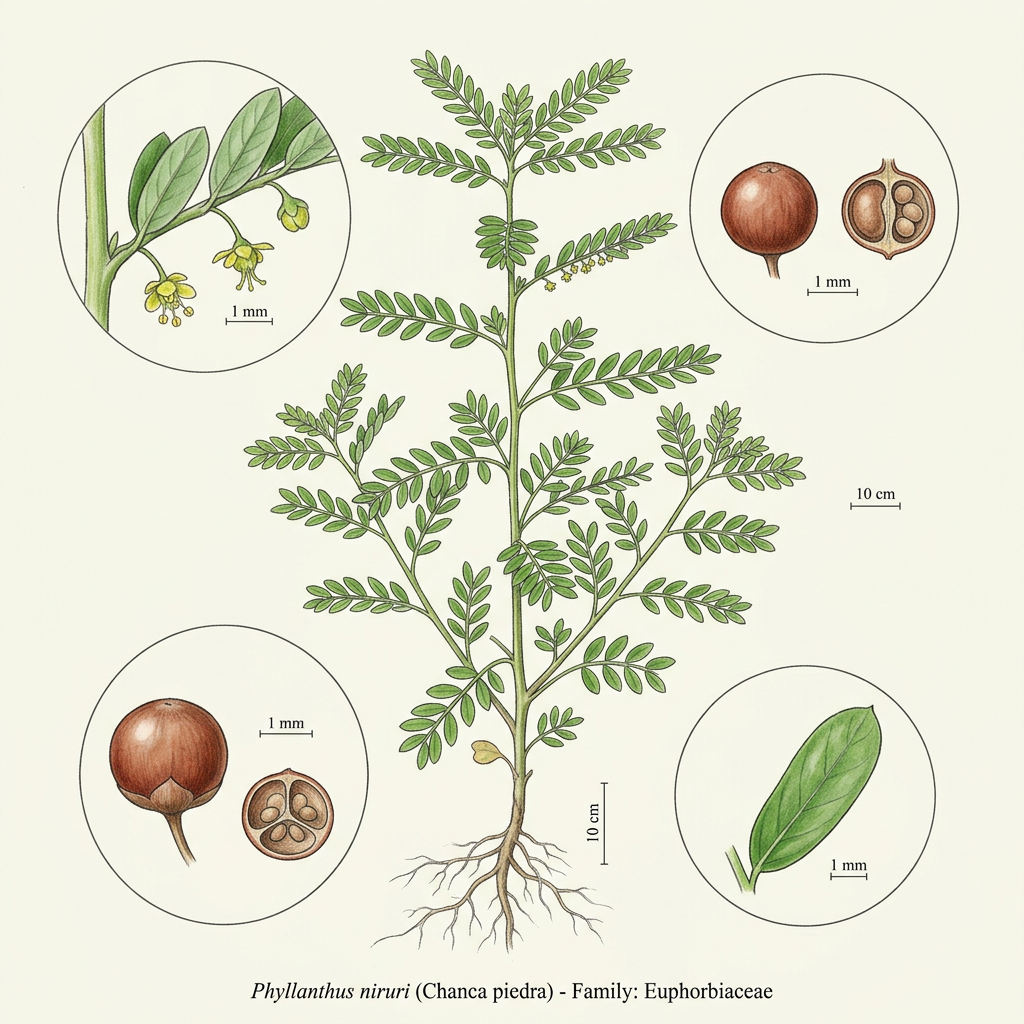
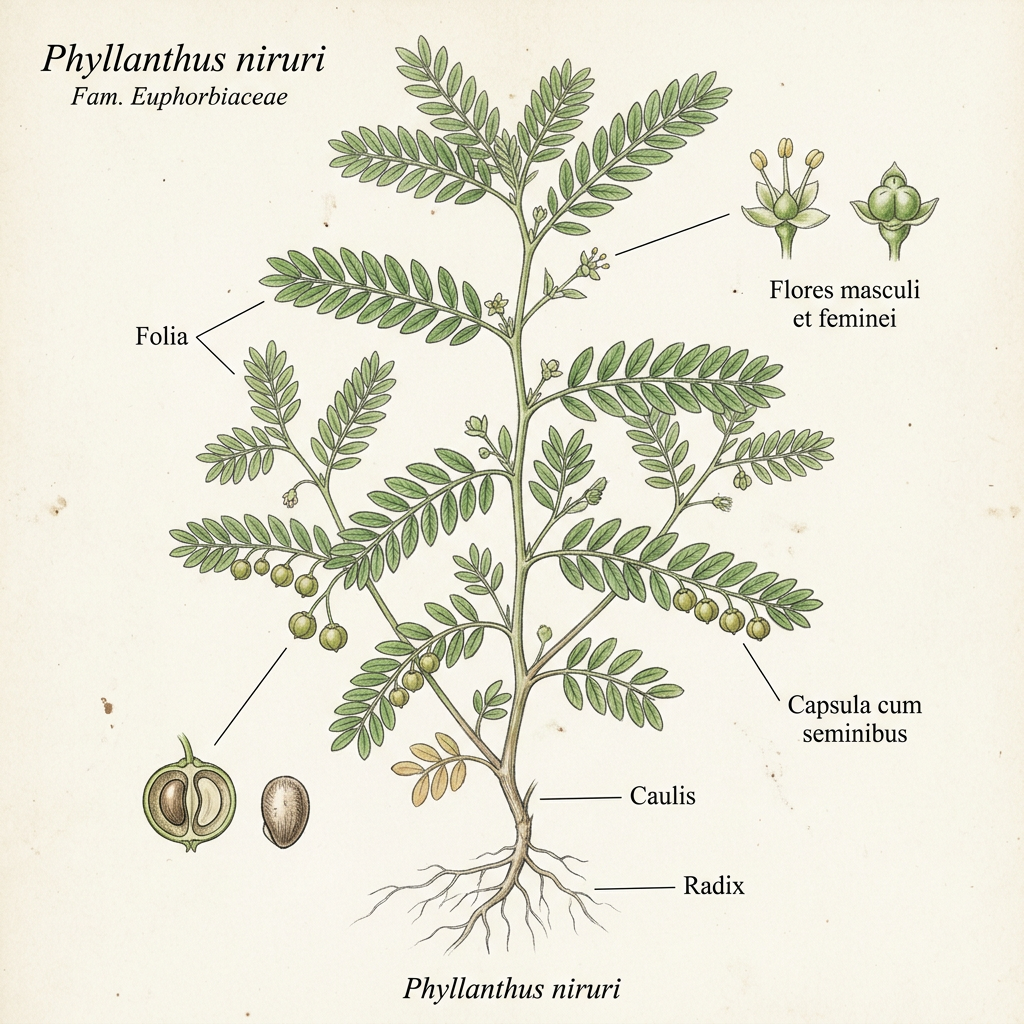
Chanca piedra

Chanca piedra

Phyllanthus niruri

Detoxification Support
Stone breaker

Stone breaker

Phyllanthus niruri

Renal function improvement
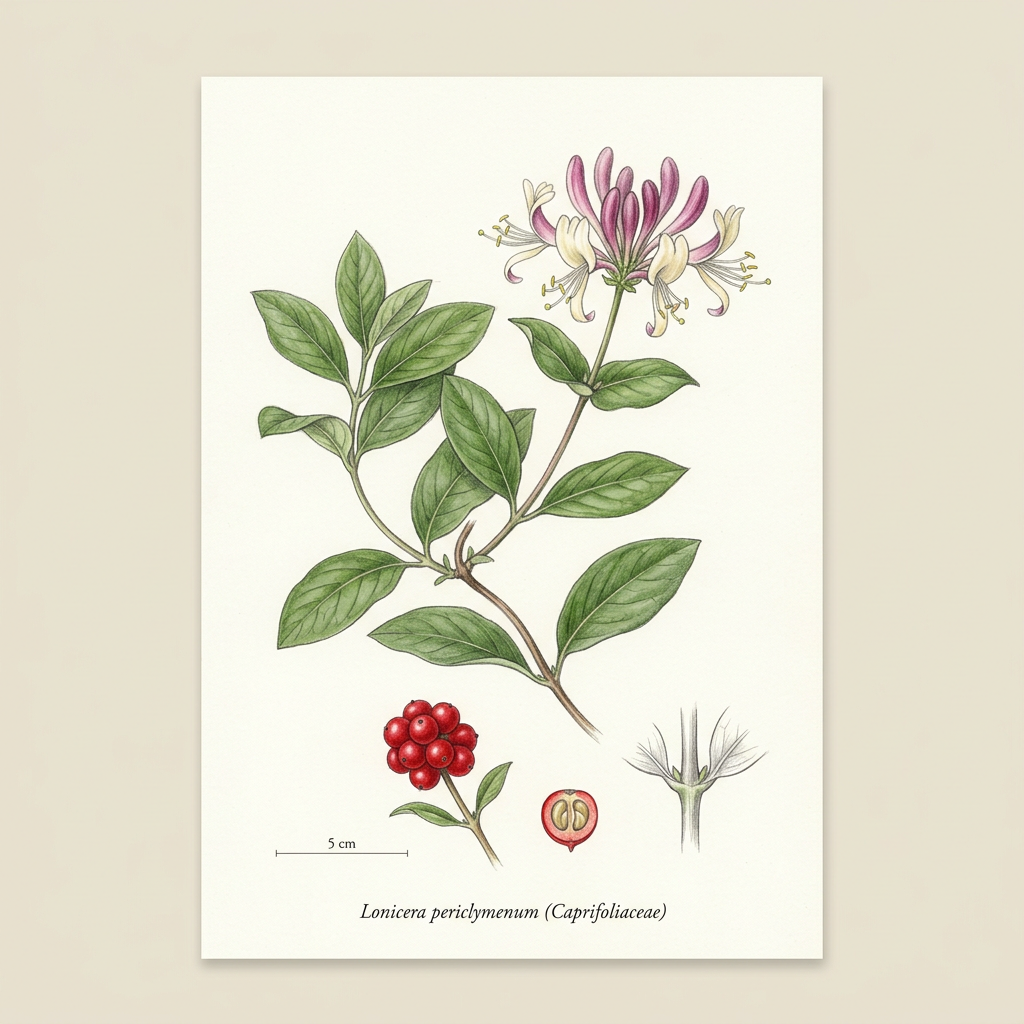
Honeysuckle

Honeysuckle

Lonicera periclymenum

Detoxification
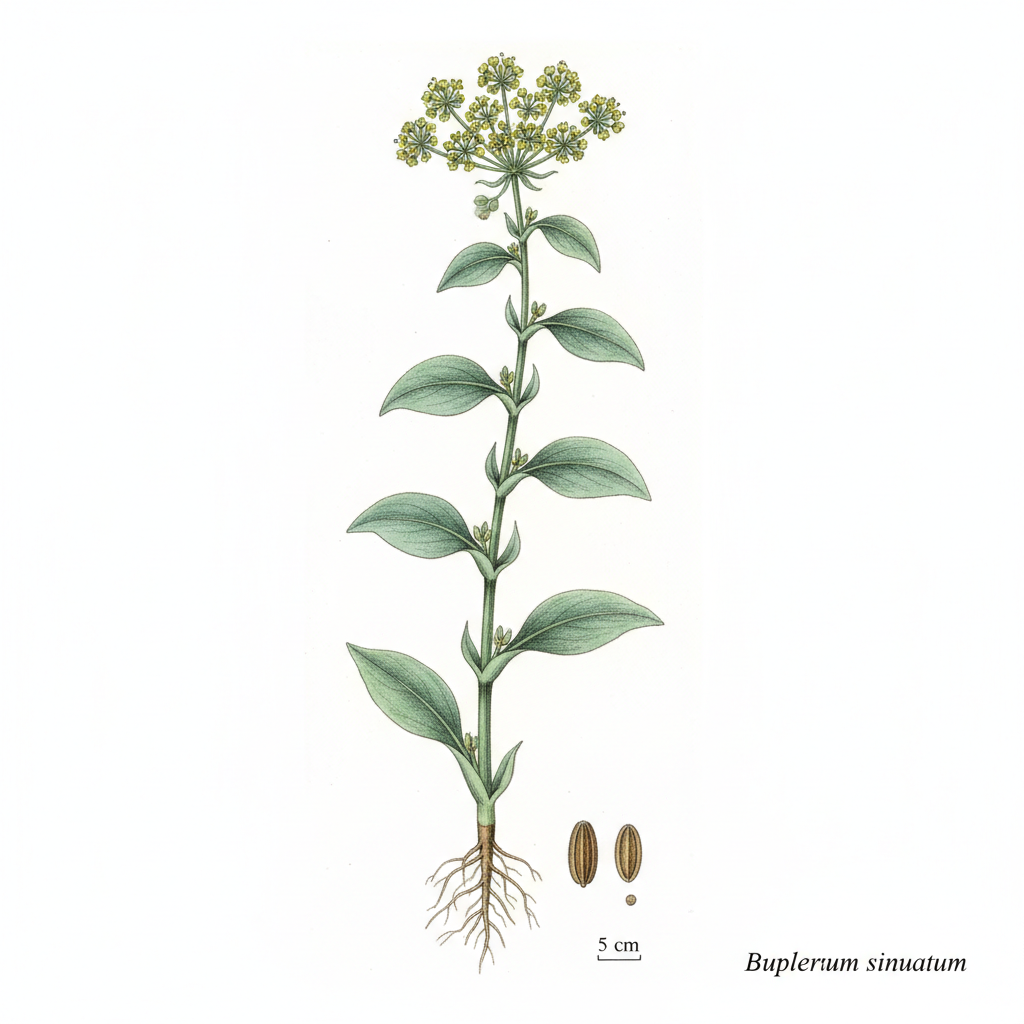
Bupleurum

Bupleurum

Bupleurum

Detoxification