The Wild Sage logo
The Wild Sage Logo

Herbal Medicine at your fingertips

Comprehensive database of herbal remedies with detailed safety information and traditional uses

New to herbal terms? Read the glossary →
ADHD
Abcess
Acid Reflux Relief
Acinetobacter
Acne
Acne Vulgaris
Addisons
Adenomyosis
Adenovirus
Adrenal fatigue
Aging
Aids
Alcaligenes faecalis
Alcoholism
Allergic Rhinitis
Allergies
Allergy
Alopoecia
Alopoecia nervosa
Alzheimer's, Dementia & Cognitive Decline
420 herbs found
Important: This information is for educational purposes only. Always consult with qualified healthcare professionals before using herbal remedies, especially if you have existing health conditions or take medications.
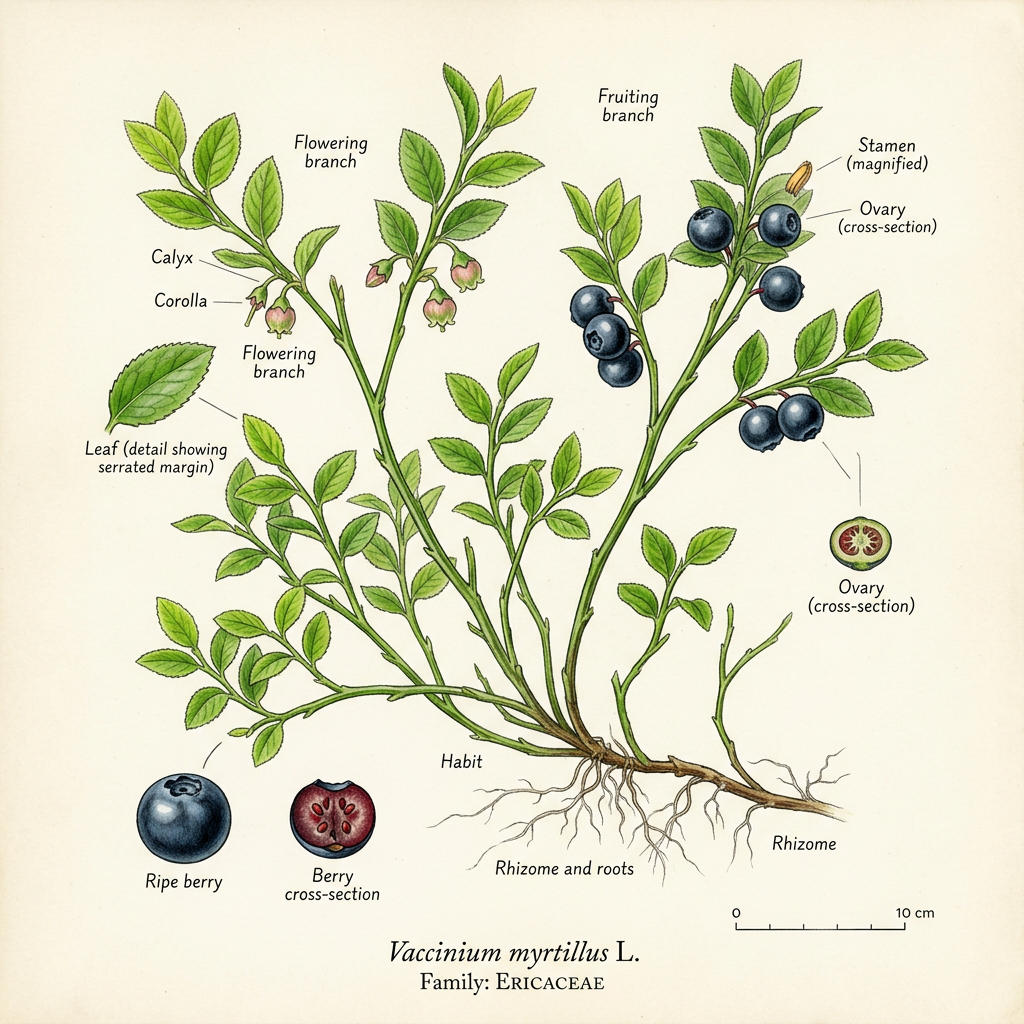
Bilberry

Bilberry

Vaccinium myrtillus

moderate risk Risk
Ericaceae
Cool and moist
<p>Bilberry, a small perennial shrub belonging to the family Ericaceae, is native to Europe and North America. Its notable berries have been utilized for centuries in traditional medicine, particularly in European herbal practices. Historical accounts suggest that Bilberries were employed by medieval herbalists to enhance night vision, a notion that gained traction during World War II when pilots reported improved eyesight after consuming these berries. Beyond folklore, indigenous cultures across Europe have cherished Bilberries for their culinary and medicinal properties, often using them to treat various ailments from digestive issues to inflammatory conditions. The therapeutic potential of Bilberry is attributed primarily to its rich phytochemical profile, particularly the presence of anthocyanins, powerful antioxidants that contribute not only to the fruit's deep purple hue but also to its numerous health benefits. Research indicates that Bilberry's antioxidant properties can support vascular health by enhancing blood circulation, strengthening capillaries, and reducing inflammation throughout the body. This makes it particularly beneficial for individuals with chronic venous insufficiency and diabetic retinopathy. Additionally, the anthocyanins are thought to promote ocular health by protecting the retina from oxidative stress, thereby potentially improving visual acuity and night vision. Bilberry’s mechanism of action in the body involves its ability to scavenge free radicals, thereby reducing oxidative damage at the cellular level. It also modulates various signaling pathways that influence inflammatory responses and vascular permeability, promoting overall cardiovascular health. The bioactive compounds found in Bilberry can facilitate improved blood flow to the eyes and other tissues, offering a multifaceted approach to enhancing both vision and general circulatory health. Whether consumed as fresh berries, dried fruit, or in supplemental form, Bilberry remains a revered herb in the realm of natural health, balancing traditional wisdom with modern research to support wellness.</p>

Uses & Conditions

Ocular Health
Cardiovascular Health
Blood Circulation
Aging
Brain Fog
Hypertension
Inflammatory Conditions
Digestive Disorders
Macular Degeneration
Bruising
Cardiac Insufficiency
Cataracts
Disc Prolapse
Chronic Venous Insufficiency
Diabetic Retinopathy
Bladder Cancer
Eosinophilic Esophagitis
Vasculitis
Cardiac Failure
Capillary Fragility
Dysmenorrhoea

Actions

Antioxidant
Anti-inflammatory
NFkB Inhibitor
TNF-a Reduction
Cytoprotective
Glutathione Peroxide Recycling Promoter
Cardiometabolic
Hypotensive

Parts Used

Berries

Native Countries

Europe

USDA Hardiness Zones

3-8

Contraindications

  • Warfarin use
  • Anti-platelet medication use
  • Haemorrhagic conditions

Interactions

  • Anticoagulants and antiplatelet drugs: Theoretical risk of increased bleeding.
  • Antidiabetic medications: May enhance blood glucose lowering effects, necessitating monitoring for hypoglycaemia.
  • NSAIDs: Potential for additive effects on bleeding risk with long-term concomitant use.

Dosages, tincture ratios & research — members only

Unlock Garreth's dosing guidance, tincture ratios, the dosage calculator and the research studies for Bilberry.

Your assessment and results stay saved — upgrading only unlocks more of them.

See membership plans

Community Photos

No community photos yet. Sign in to upload photos.

Reviews & Ratings

Sign in to leave a review.

No reviews yet. Be the first!

GF

Garreth Falls — B.Th., Dip. H.M., MNIMH

Content curated and reviewed by Garreth Falls, Consultant Medical Herbalist · The Wild Sage

Medical Disclaimer: This information is for educational purposes only and is not intended as medical advice. Always consult with qualified healthcare professionals before starting any herbal treatment.
Western tradition

Sustainability & quality

Abundant

Available from wild-harvested sources in mountainous regions. Ensure suppliers test for authentic Vaccinium species.

Key constituents

Antioxidant, Anti-inflammatory, flavonoids, Anthocyanins, Tannin

References

  1. ESCOP Monographs 2nd ed. 2003
  2. EMA/HMPC Community Herbal Monograph
  3. Herbal Reality. Herb monographs. herbalreality.com

Reviewed by Garreth, Medical Herbalist (MNIMH) · October 2026

Related conditions

Explore conditions where Bilberry is traditionally used.

Related Herbs
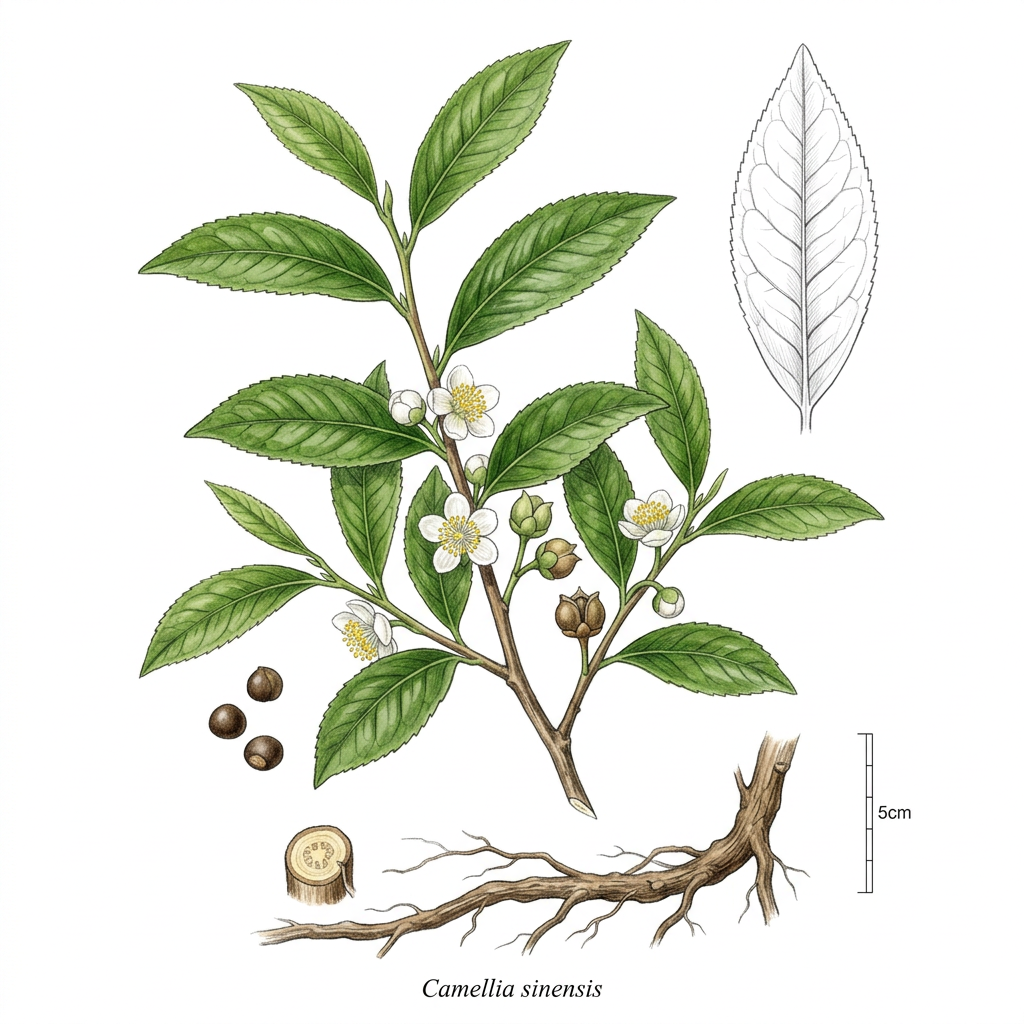
Green Tea

Green Tea

Camellia sinensis

Hypertension
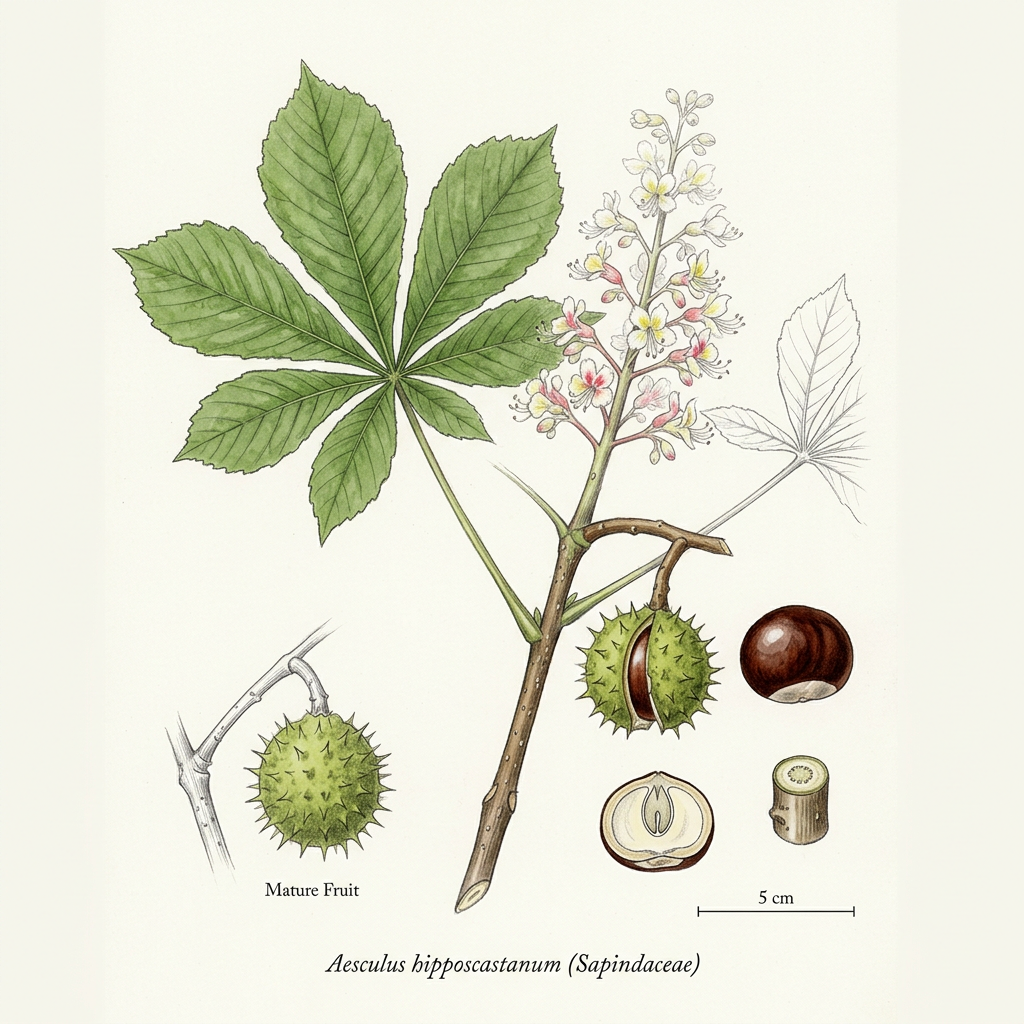
Horse Chestnut

Horse Chestnut

Aesculus hipposcastanum
Blood Tonic
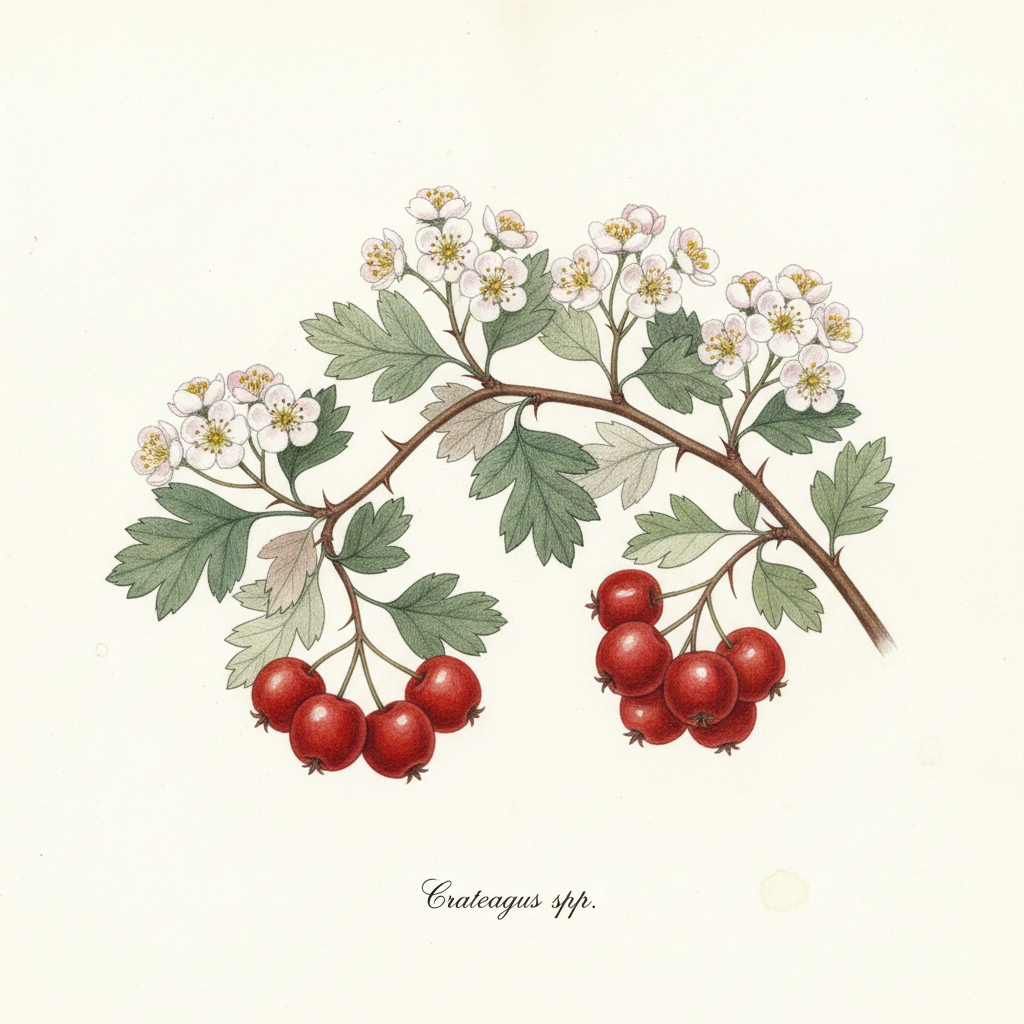
Hawthorn

Hawthorn

Crataegus spp

Cardiovascular Health
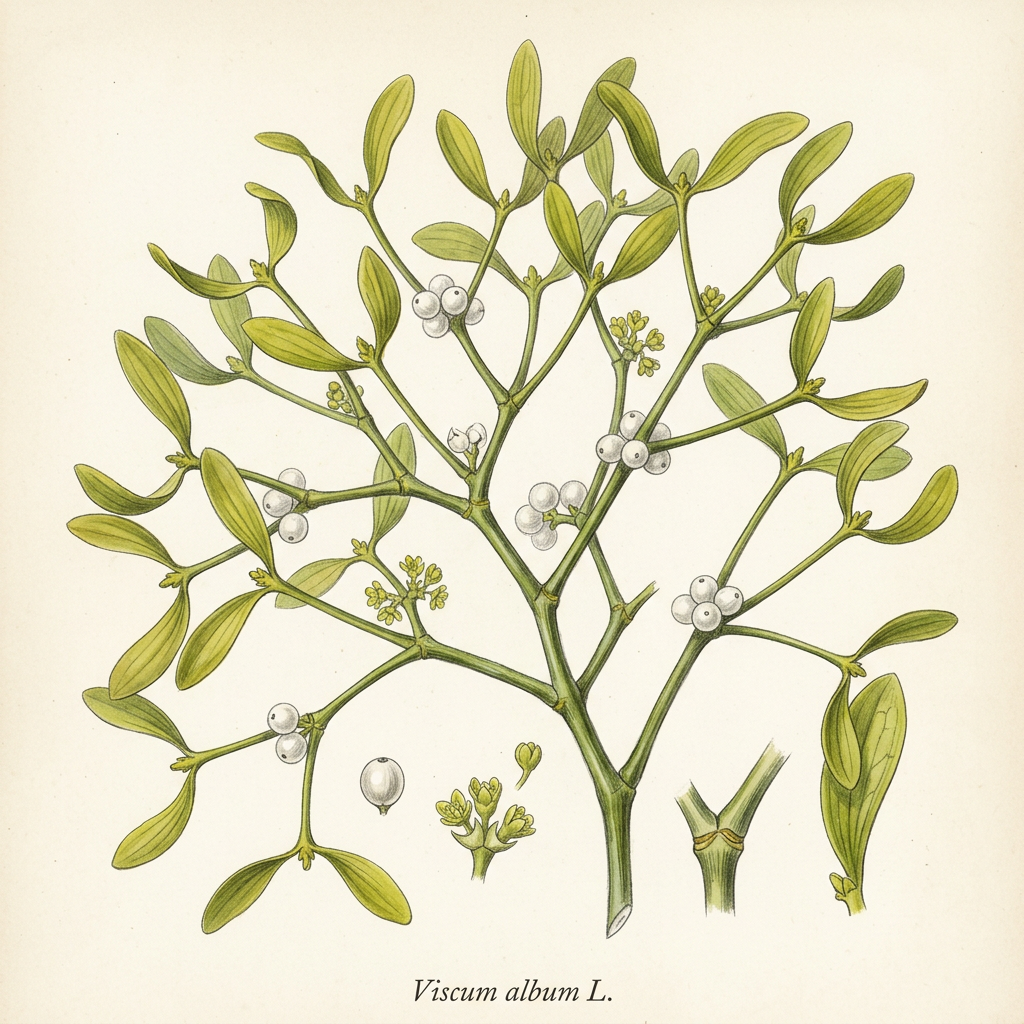
Mistletoe

Mistletoe

Viscum album

Immune Support