The Wild Sage logo
The Wild Sage Logo

Herbal Medicine at your fingertips

Comprehensive database of herbal remedies with detailed safety information and traditional uses

New to herbal terms? Read the glossary →
ADHD
Abcess
Acid Reflux Relief
Acinetobacter
Acne
Acne Vulgaris
Addisons
Adenomyosis
Adenovirus
Adrenal fatigue
Aging
Aids
Alcaligenes faecalis
Alcoholism
Allergic Rhinitis
Allergies
Allergy
Alopoecia
Alopoecia nervosa
Alzheimer's, Dementia & Cognitive Decline
420 herbs found
Important: This information is for educational purposes only. Always consult with qualified healthcare professionals before using herbal remedies, especially if you have existing health conditions or take medications.
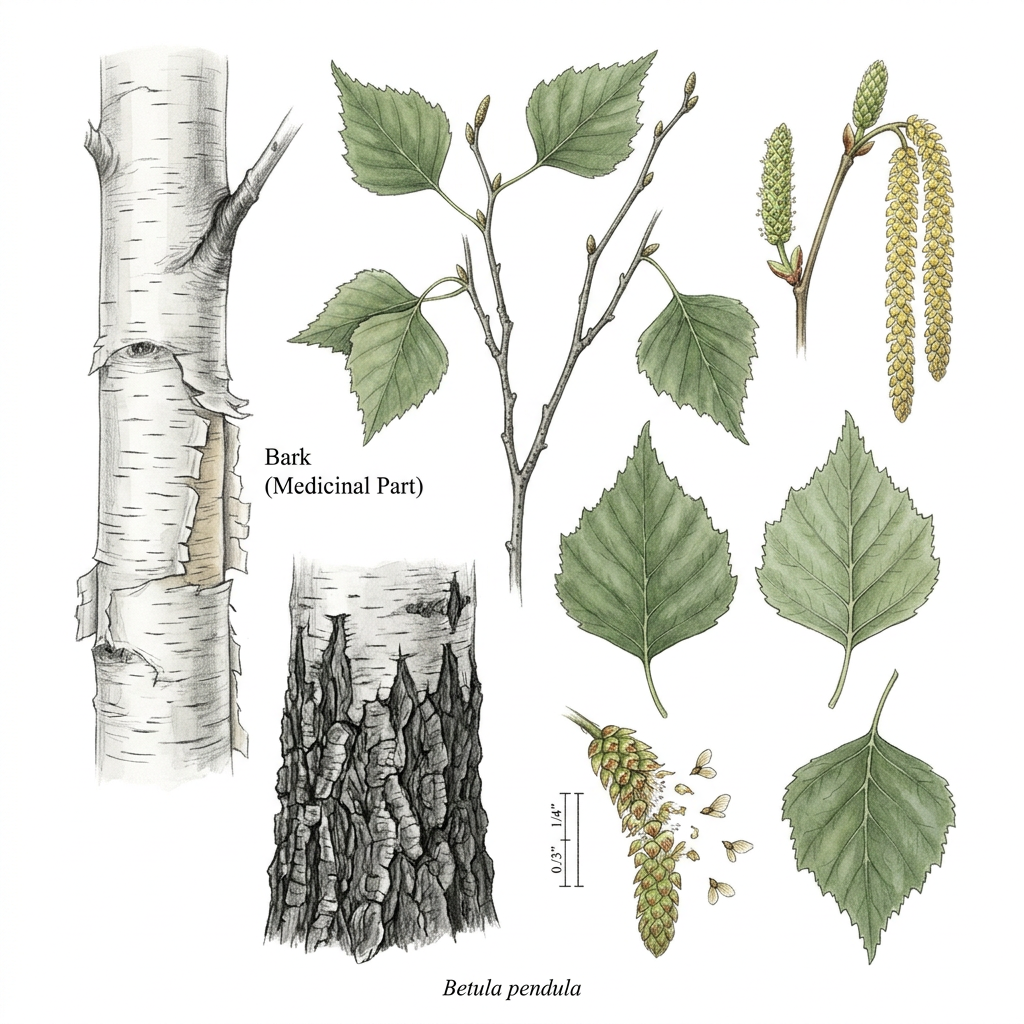
Birch

Birch

Betula pendula

moderate risk Risk
Betulaceae
Detoxifying, Birch promotes mental clarity and purifies the body, sweeping away the old for renewal.
<p>Birch, scientifically known as Betula pendula, is a deciduous tree native to Europe and parts of Asia, valued not only for its striking white bark and delicate foliage but also for its rich historical applications in herbal medicine. Traditionally, the leaves, bark, and sap of the birch tree have been utilized by various cultures for centuries. Indigenous peoples in northern climates have harnessed birch's healing properties, employing it in traditional remedies to address a variety of ailments, particularly related to the urinary system and inflammatory conditions. The birch tree has also been symbolically significant, representing renewal and resilience, which resonates with its therapeutic properties. This remarkable herb boasts an impressive array of therapeutic properties, making it a versatile ally in herbal medicine. As a powerful diuretic, birch promotes increased urine production, thus aiding in the elimination of toxins and excess fluid from the body. This function is particularly beneficial for individuals suffering from urinary tract disorders and for those looking to support kidney function and overall health. Birch exhibits notable anti-inflammatory and anti-rheumatic qualities, providing relief from conditions such as arthritis and gout by reducing swelling and pain in affected joints. Additionally, its cholagogue action stimulates bile flow, enhancing digestion and promoting liver health. Birch has also gained recognition in dermatological applications, as its anti-inflammatory and detoxifying properties can be beneficial for skin conditions such as eczema and psoriasis. The mechanisms by which birch exerts its effects are multifaceted. The bioactive compounds present in birch, including flavonoids, saponins, and tannins, contribute to its anti-inflammatory and diuretic actions. These compounds work synergistically to reduce inflammation at the cellular level, inhibit the production of inflammatory mediators, and promote healthy kidney function by increasing glomerular filtration rate. Furthermore, birch's diuretic effects are bolstered by its ability to stimulate renal blood flow, facilitating more efficient excretion of waste products. This dual action not only aids in detoxification but also provides a holistic approach to managing inflammatory conditions and supporting urinary health, making birch a valued component of both traditional and contemporary herbal practices.</p>

Uses & Conditions

Kidney Support
Liver Health
Osteoarthritis
Rheumatoid Arthritis
Gout
Urinary Tract Infections
Cystitis
Renal Congestion
Psoriasis
Dandruff
Oedema
Inflammation

Actions

Anti-inflammatory
Diuretic
Cholagogue
Anti-rheumatic
Adaptogen
Blood Cleansing
Alterative
NFkB Inhibitor
TNF-a Reduction
IL6 Inhibitor
Antimicrobial
Cardiometabolic
Anxiolytic
Cytoprotective

Synonyms

Silver birch
Downy birch
Bed wen

Parts Used

Bark
Leaves
Whole plant

Native Countries

Asia
Europe
Northern Europe

USDA Hardiness Zones

USDA 3-9

Contraindications

  • Hypersensitivity to birch pollen or leaf
  • Patients requiring restricted fluid intake
  • Kidney disease
  • Heart disease
  • Salicylate allergy

Dosages, tincture ratios & research — members only

Unlock Garreth's dosing guidance, tincture ratios, the dosage calculator and the research studies for Birch.

Your assessment and results stay saved — upgrading only unlocks more of them.

See membership plans

Community Photos

No community photos yet. Sign in to upload photos.

Reviews & Ratings

Sign in to leave a review.

No reviews yet. Be the first!

GF

Garreth Falls — B.Th., Dip. H.M., MNIMH

Content curated and reviewed by Garreth Falls, Consultant Medical Herbalist · The Wild Sage

Medical Disclaimer: This information is for educational purposes only and is not intended as medical advice. Always consult with qualified healthcare professionals before starting any herbal treatment.
Western tradition

Sustainability & quality

Abundant

Readily available native tree; harvest bark with care for tree health, otherwise it may be easily killed.

Key constituents

Betulaceae compounds, Anti-inflammatory, flavonoids, Phenolic compounds, Minerals, Methyl salicylate, Hypericide, Quercitrin, Myricetin, Kaempferol

References

  1. ESCOP Monographs 2nd ed. 2003
  2. EMA/HMPC Community Herbal Monograph

Reviewed by Garreth, Medical Herbalist (MNIMH) · October 2026

Related conditions

Explore conditions where Birch is traditionally used.

Related Herbs
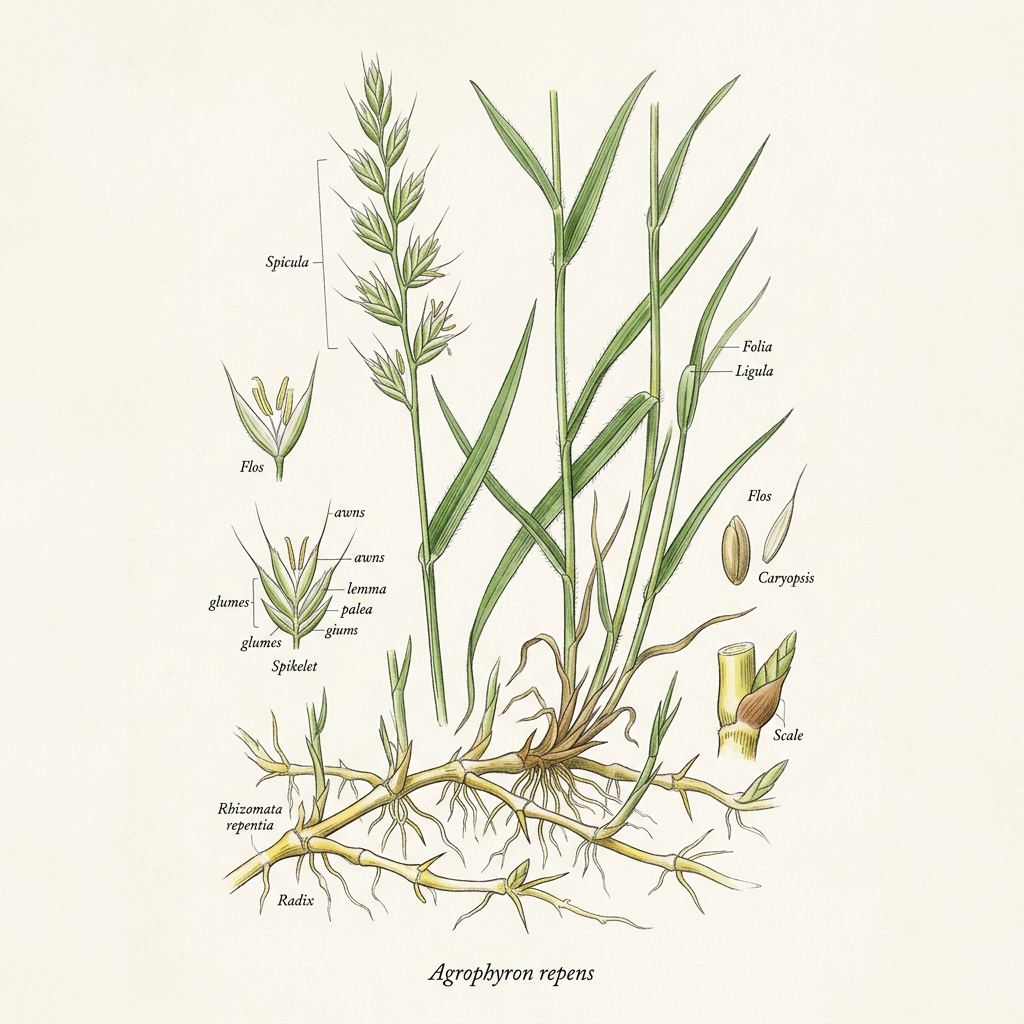
Couch Grass

Couch Grass

Elymus repens

Urinary Function Improvement
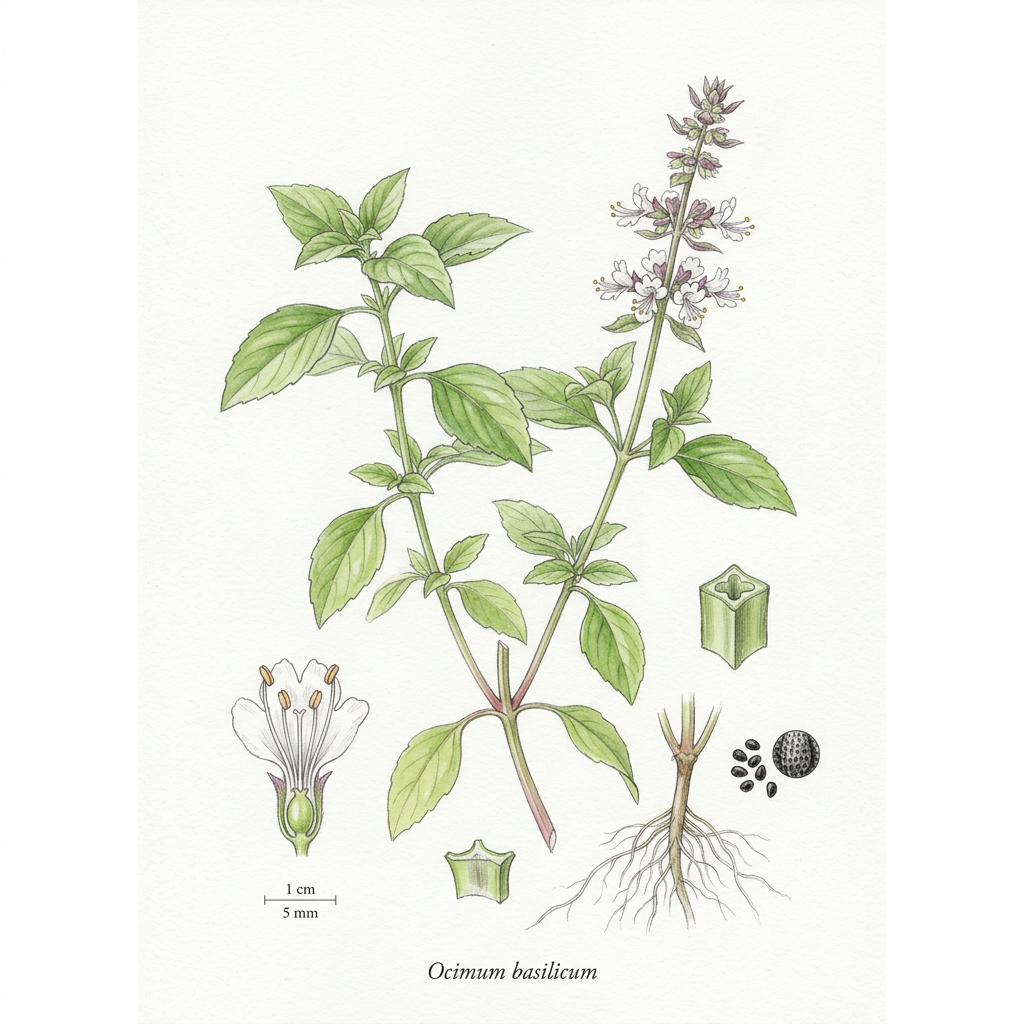
Basil

Basil

Ocimum basilicum

Convalescence
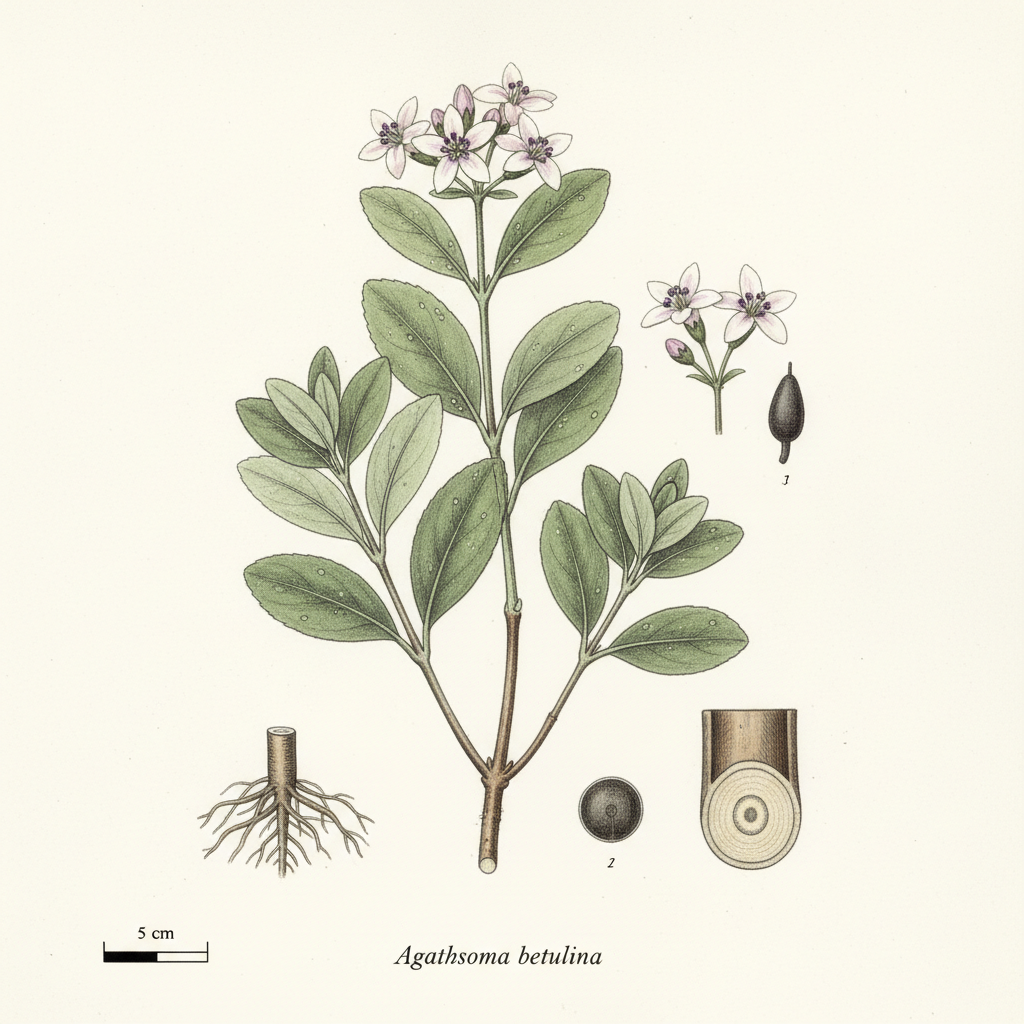
Buchu

Buchu

Agathosma betulina

Urinary Health Support
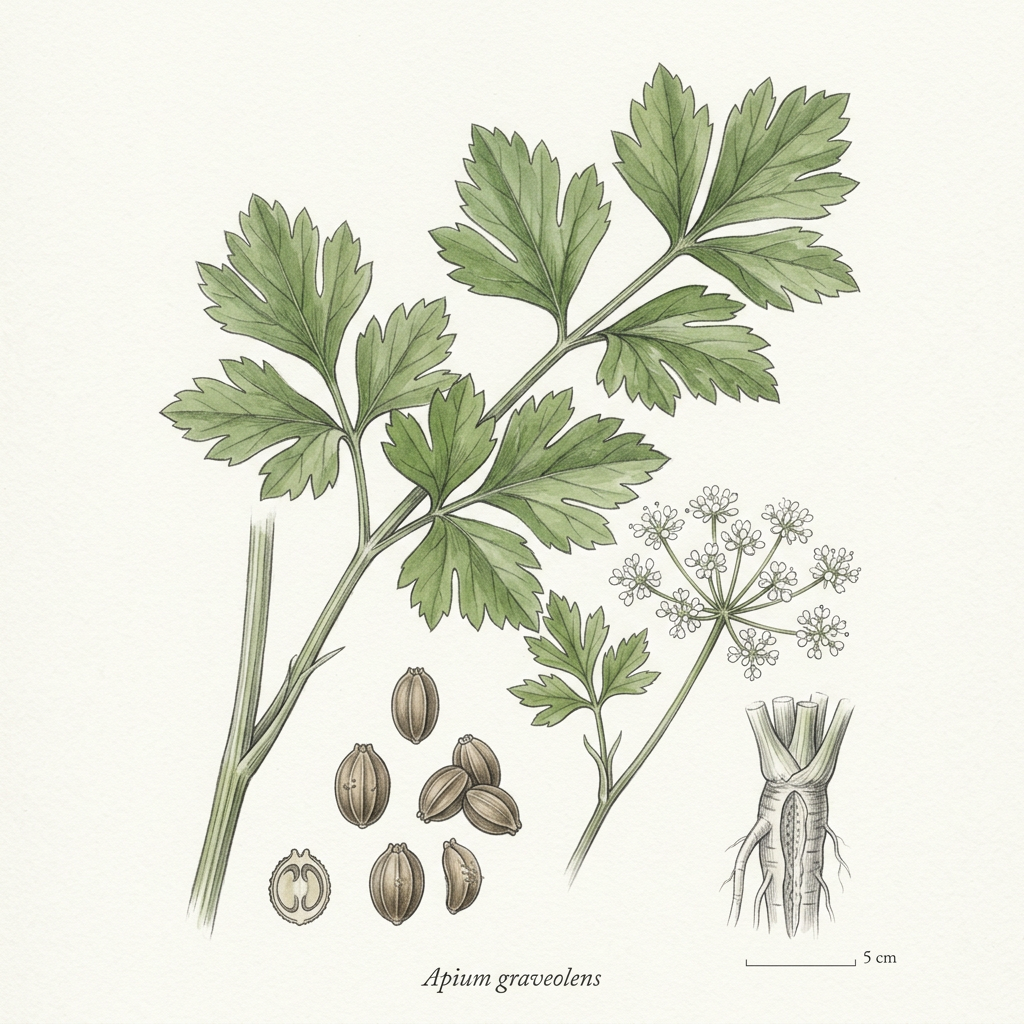
Celery Seed

Celery Seed

Apium graveolens

Digestive Aid