The Wild Sage logo
The Wild Sage Logo

Herbal Medicine at your fingertips

Comprehensive database of herbal remedies with detailed safety information and traditional uses

New to herbal terms? Read the glossary →
ADHD
Abcess
Acid Reflux Relief
Acinetobacter
Acne
Acne Vulgaris
Addisons
Adenomyosis
Adenovirus
Adrenal fatigue
Aging
Aids
Alcaligenes faecalis
Alcoholism
Allergic Rhinitis
Allergies
Allergy
Alopoecia
Alopoecia nervosa
Alzheimer's, Dementia & Cognitive Decline
420 herbs found
Important: This information is for educational purposes only. Always consult with qualified healthcare professionals before using herbal remedies, especially if you have existing health conditions or take medications.
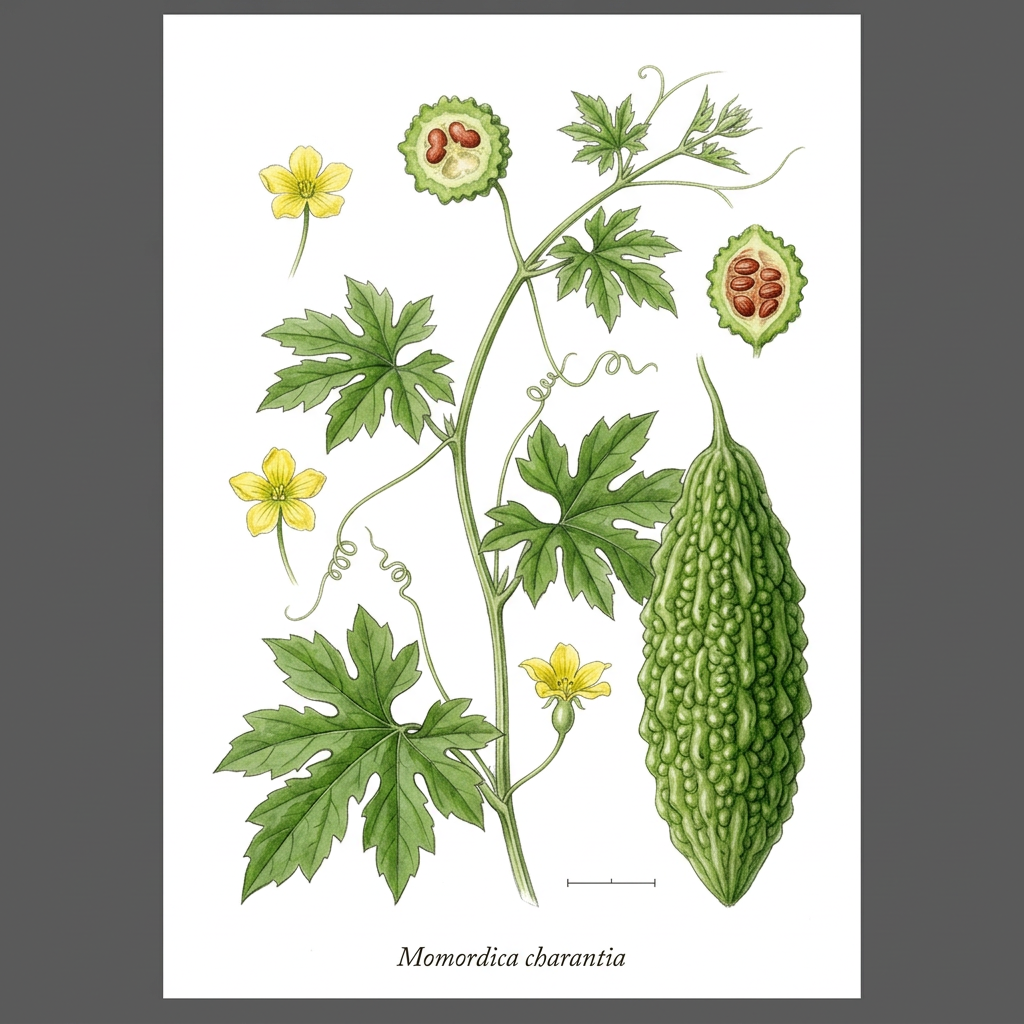
Bitter Melon

Bitter Melon

Momordica charantia

moderate risk Risk
Cucurbitaceae
Bitter, cooling and drying.
<p>Bitter melon, scientifically known as Momordica charantia, is a tropical and subtropical vine belonging to the Cucurbitaceae family. It is extensively cultivated in Asia, Africa, and the Caribbean for both its culinary and medicinal properties. Traditionally, this herb has been a staple remedy in various cultures, particularly in Asian herbal medicine, where it has been used for centuries to support overall health and wellness. In addition to its unique flavor as a vegetable, bitter melon has gained prominence as a natural treatment for managing blood sugar levels, making it an invaluable asset in the fight against diabetes. The therapeutic properties of bitter melon are multifaceted. Primarily known for its anti-diabetic effects, considerable evidence suggests that compounds found in bitter melon, such as charantin and polypeptide-p, contribute to enhanced insulin sensitivity and glucose uptake in the cells. Additionally, its anti-inflammatory properties help to mitigate chronic inflammation, a common complication associated with diabetes. Beyond its use in blood sugar regulation, bitter melon supports digestive health and acts as an antioxidant, helping to protect cells from oxidative stress. The cumulative benefits of these actions promote a balanced metabolism and overall well-being, making bitter melon a vital herb for both diabetic patients and those seeking to maintain healthy blood sugar levels. The mechanisms by which bitter melon exerts its effects in the body are complex yet fascinating. The active components of bitter melon have been shown to mimic insulin, potentially improving glucose tolerance and reducing blood sugar levels post-meal. This insulin-like action, combined with its ability to stimulate the liver to take up glucose, underscores its role as a natural blood sugar regulator. Additionally, the presence of bioactive phytochemicals in bitter melon not only supports pancreatic function but also aids in the inhibition of carbohydrate-digesting enzymes, further contributing to its hypoglycemic properties. Through these interrelated actions, bitter melon serves as a potent ally in managing blood sugar levels and fostering metabolic health, thereby solidifying its place in both traditional and contemporary herbal practices.</p>

Uses & Conditions

Blood Sugar Support
Weight Management
Digestive Function Support
Oxidative Stress Protection
Diabetes Mellitus
Dyslipidemia
Obesity
Metabolic Syndrome
Inflammatory Diseases
Irritable Bowel Syndrome
Peptic Ulcer
Crohn’s Disease

Actions

Anti-diabetic
Anti-inflammatory
Cooling
Bitter
TNF-a Inhibitor
Antimicrobial
NFkB Inhibitor
Cardiometabolic
Hypocholesterolaemic
Neuroprotective

Parts Used

Fruit
Leaves
Whole plant

Native Countries

Asia
Tropical Africa

USDA Hardiness Zones

USDA 9-11

Contraindications

  • Pregnancy as it may induce uterine contractions and cause bleeding
  • Individuals with epilepsy

Potential Side Effects

  • Hypoglycaemia
  • Seizures secondary to hypoglycaemia

Interactions

  • Hypoglycaemic agents: may potentiate the effects of insulin or oral anti-diabetic drugs
  • Cytochrome P450 substrates: potential for metabolic interaction
  • Warfarin and antiplatelet drugs: theoretical risk of increased bleeding due to potential antiplatelet activity

Dosages, tincture ratios & research — members only

Unlock Garreth's dosing guidance, tincture ratios, the dosage calculator and the research studies for Bitter Melon.

Your assessment and results stay saved — upgrading only unlocks more of them.

See membership plans

Community Photos

No community photos yet. Sign in to upload photos.

Reviews & Ratings

Sign in to leave a review.

No reviews yet. Be the first!

GF

Garreth Falls — B.Th., Dip. H.M., MNIMH

Content curated and reviewed by Garreth Falls, Consultant Medical Herbalist · The Wild Sage

Medical Disclaimer: This information is for educational purposes only and is not intended as medical advice. Always consult with qualified healthcare professionals before starting any herbal treatment.
Ayurvedic tradition
Chinese tradition

Sustainability & quality

Cultivated

Commonly farmed food crop. Sourcing from certified organic agricultural origins is recommended to avoid contaminants.

Key constituents

Alkaloids, Triterpenoids, Charantin, insulin like peptide, Curcurbutanoids, momordicin, oleanolic acids, momordin, Iron, Beta carotene, Potassium, Phosphorus, Vitamin A, Vitamin C

References

  1. Bensky "Chinese Herbal Medicine: Materia Medica" 3rd ed. 2004
  2. Pole "Ayurvedic Medicine" 2006
  3. Herbal Reality. Herb monographs. herbalreality.com

Reviewed by Garreth, Medical Herbalist (MNIMH) · October 2026

Related conditions

Explore conditions where Bitter Melon is traditionally used.

Related Herbs
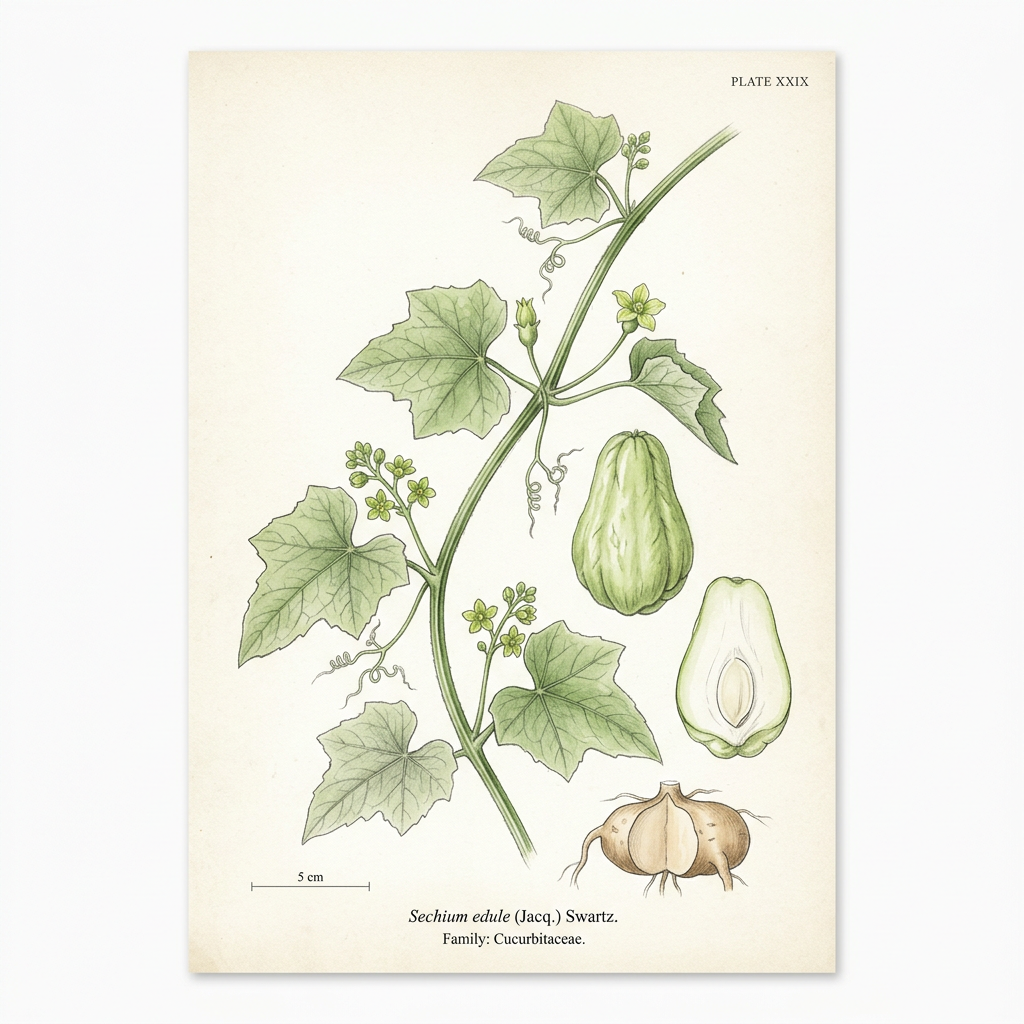
Chayote

Chayote

Sechium edule

Weight Management
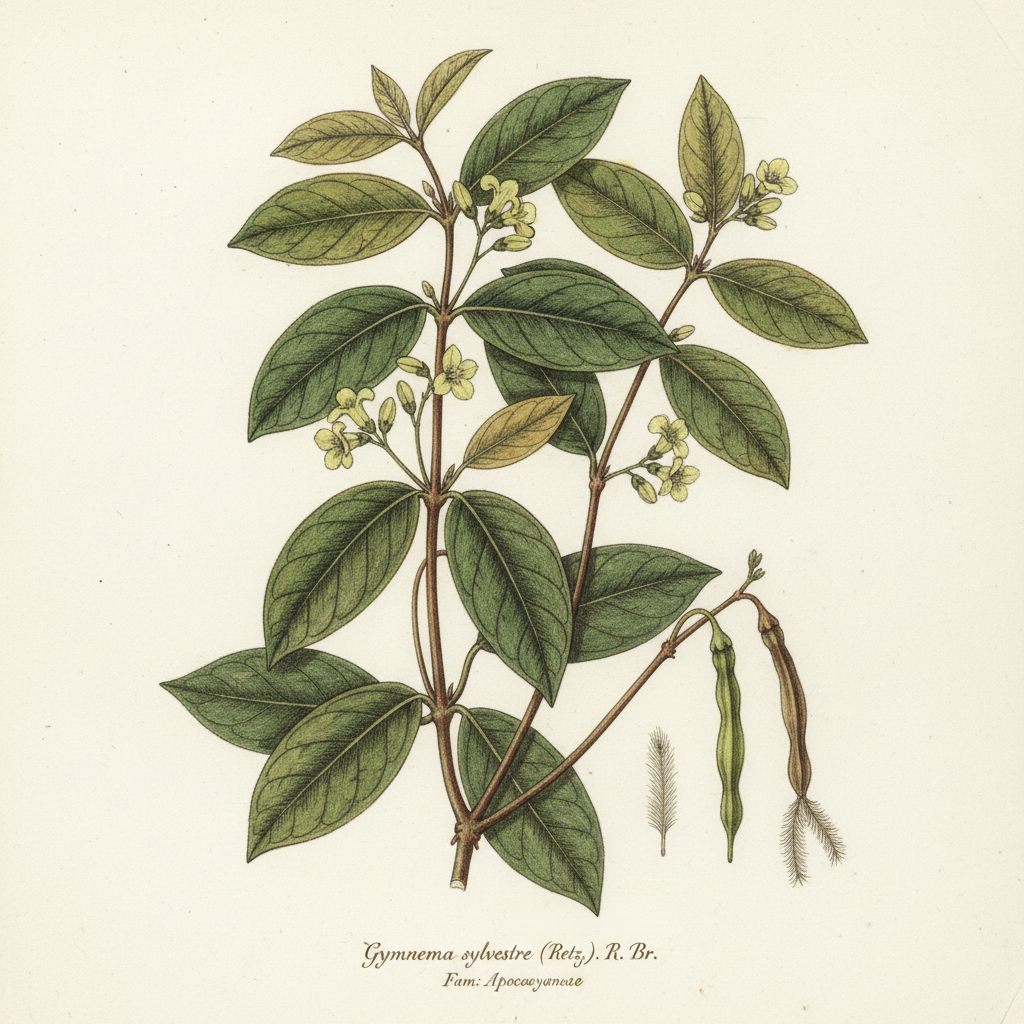
Gymnema

Gymnema

Gymnema sylvestre

Sugar Intake Reduction
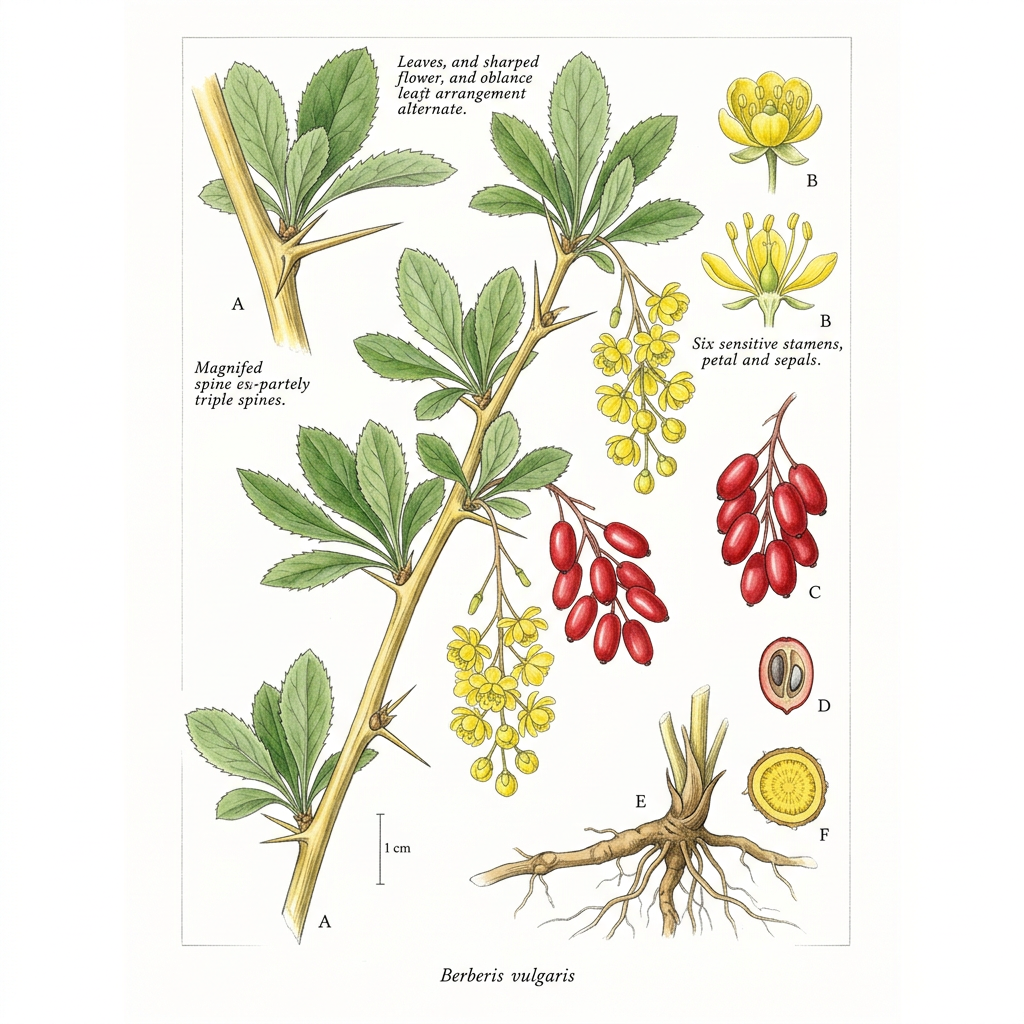
Barberry

Barberry

Berberis vulgaris

Digestive Aid
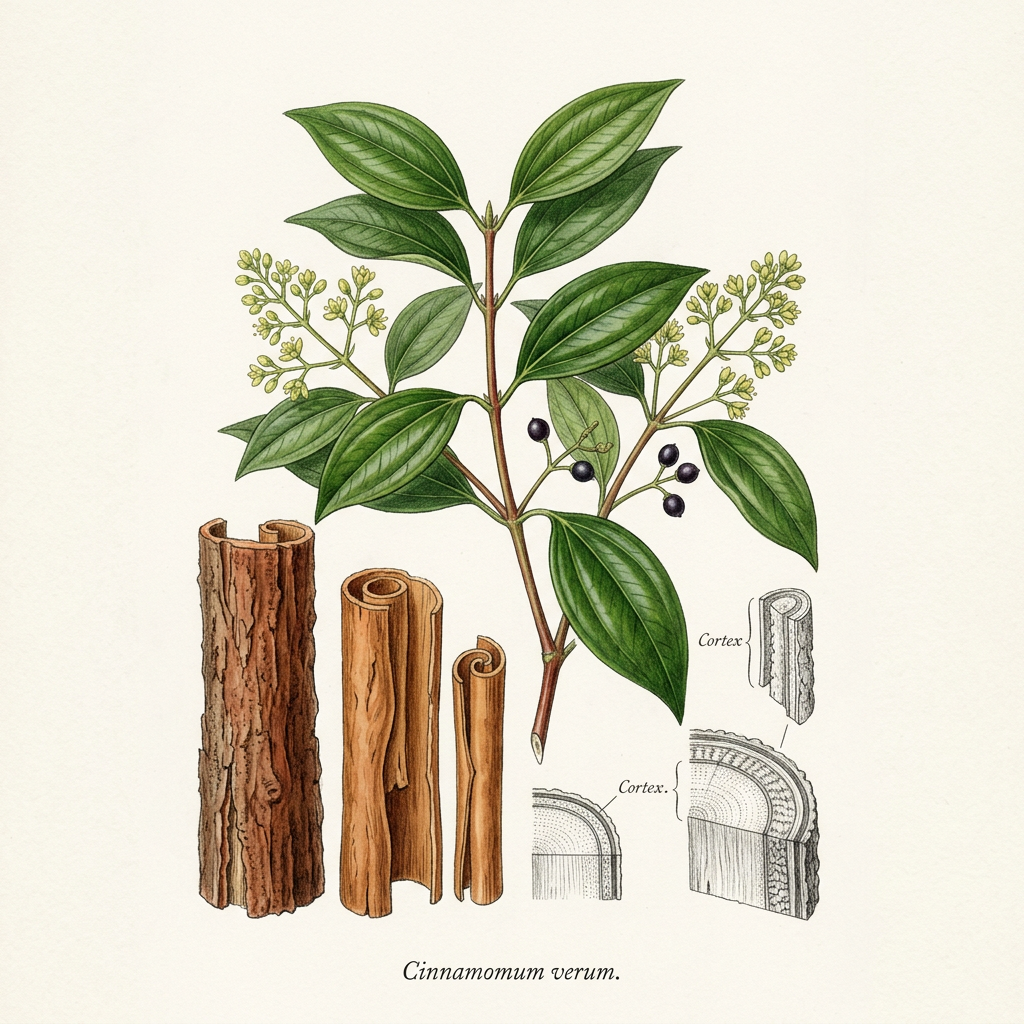
Cinnamomum verum

Cinnamomum verum

Cinnamomum verum

Digestive Support