The Wild Sage logo
The Wild Sage Logo

Herbal Medicine at your fingertips

Comprehensive database of herbal remedies with detailed safety information and traditional uses

New to herbal terms? Read the glossary →
ADHD
Abcess
Acid Reflux Relief
Acinetobacter
Acne
Acne Vulgaris
Addisons
Adenomyosis
Adenovirus
Adrenal fatigue
Aging
Aids
Alcaligenes faecalis
Alcoholism
Allergic Rhinitis
Allergies
Allergy
Alopoecia
Alopoecia nervosa
Alzheimer's, Dementia & Cognitive Decline
420 herbs found
Important: This information is for educational purposes only. Always consult with qualified healthcare professionals before using herbal remedies, especially if you have existing health conditions or take medications.
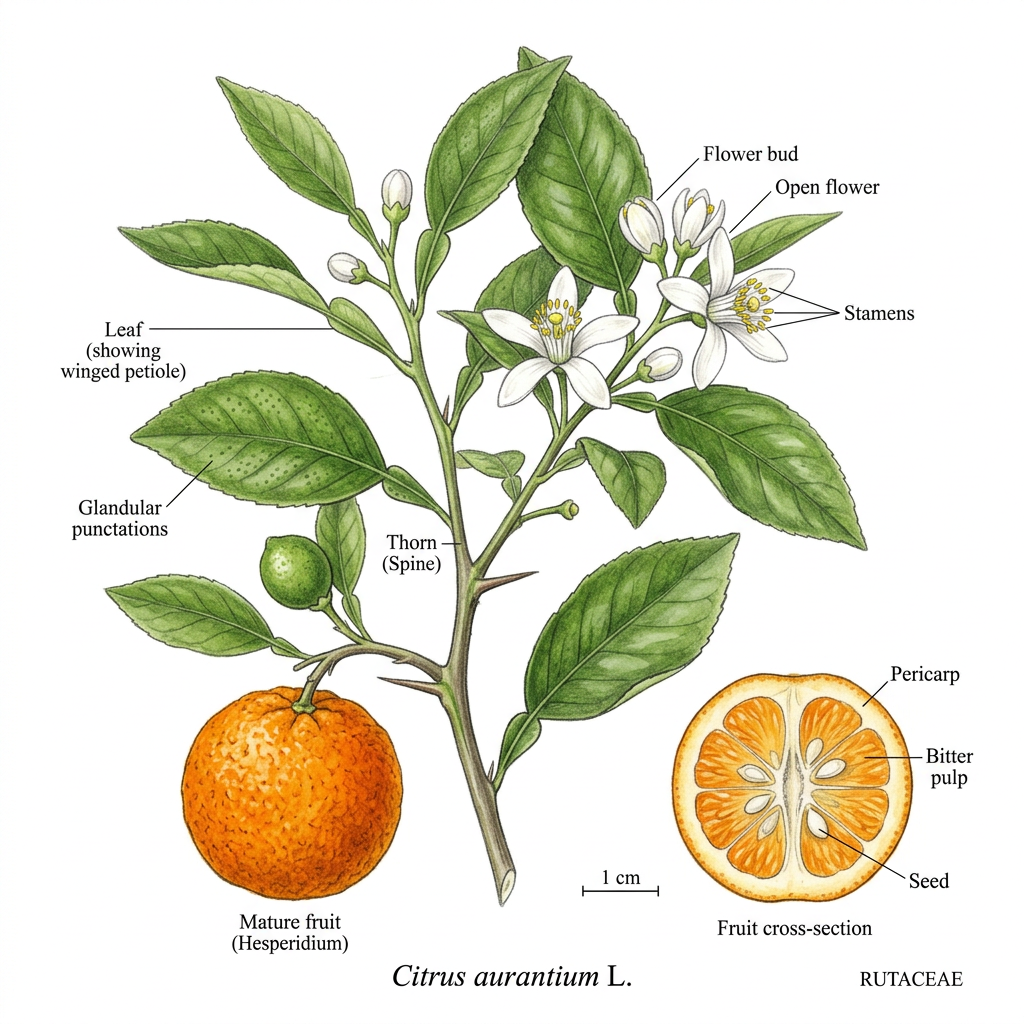
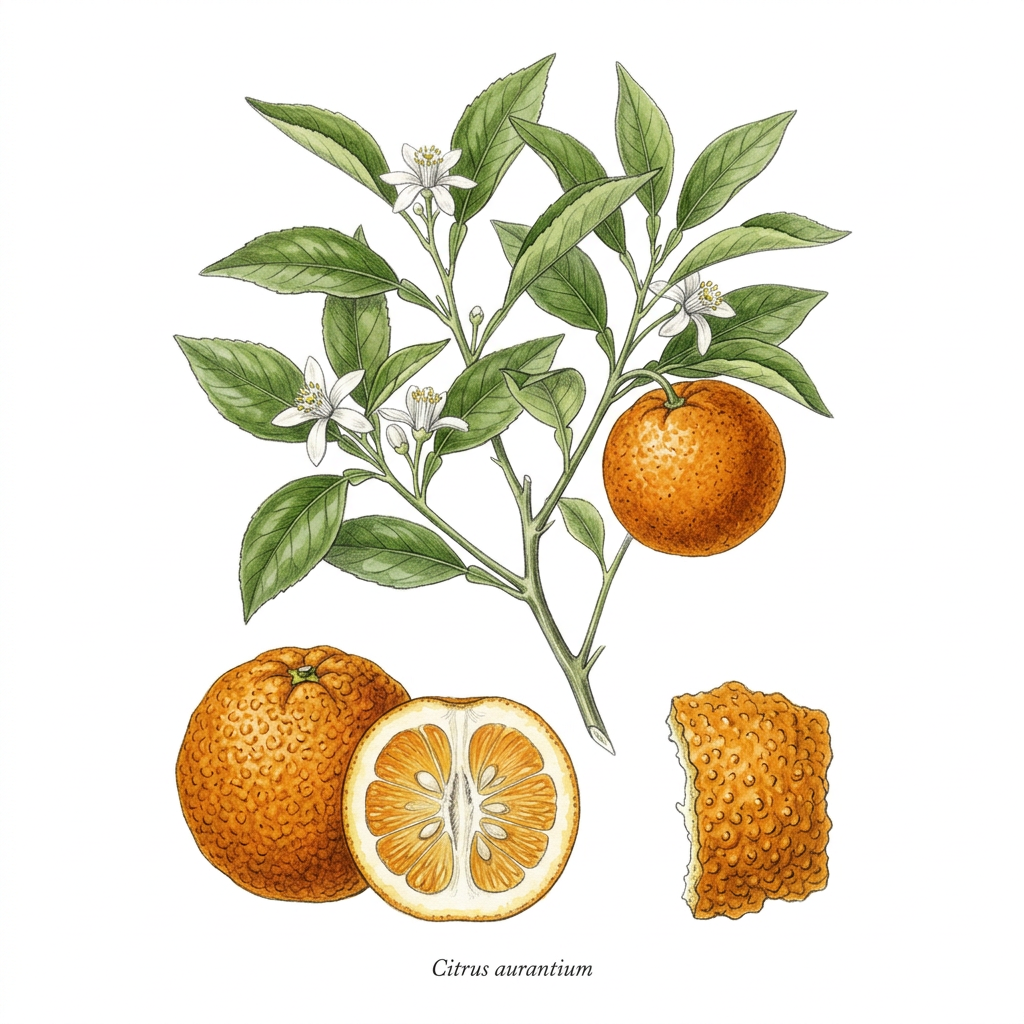
Bitter Orange

Bitter Orange

Citrus aurantium

low risk Risk
Rutaceae
Uplifting, invigorating, and refreshing; promotes a sense of clarity and alertness.
<p>Citrus aurantium, commonly known as Bitter Orange, is a versatile and historically significant herb that originates from East Asia but has since spread throughout the world, particularly in Mediterranean regions. This aromatic fruit has been used for centuries in traditional medicine systems, such as Traditional Chinese Medicine and European herbalism, primarily as a remedy for digestive ailments and as a tonic for the circulatory system. In ancient times, the peel was thought to possess magical properties, with its presence in culinary practices and folklore underscoring its cultural significance. Today, the tree itself, adorned with fragrant blossoms and vibrant fruit, serves not only as a source of culinary delight but also as a valuable asset in herbal medicine. Citrus aurantium boasts a rich profile of therapeutic properties, making it a favored choice among herbalists and practitioners. Renowned for its immune-supportive action, it helps the body fend off various pathogens, aided by its antimicrobial and antiviral properties. Furthermore, Bitter Orange is classified as an alterative, promoting overall health by facilitating the body’s natural detoxification processes. Its nervine qualities provide support for the nervous system, helping to alleviate stress and anxiety, thus serving as a gentle anti-depressant. The warming attributes of this herb enhance circulation, fostering a sense of vitality and well-being. Notably, the inclusion of bitter compounds in its fruit contributes to digestive health by stimulating appetite and improving digestive function. Mechanistically, Citrus aurantium operates on multiple levels within the body. Its active constituents, such as flavonoids and essential oils, have shown to modulate neurotransmitter levels, thus promoting a balanced mood and reducing anxiety symptoms. The herb's warming and diffusive properties enhance blood flow and nutrient delivery, supporting both immune and digestive systems. This multifunctional profile not only assists in detoxification but also reinforces the body's resilience to stressors, making Citrus aurantium an invaluable ally in contemporary herbal practice. Whether utilized in tinctures, teas, or essential oils, Bitter Orange embodies a harmonious blend of tradition and modern therapeutic value, inviting further exploration and integration into holistic health regimens.</p>

Uses & Conditions

Digestive Health
Circulatory Tonic
Vitality Enhancement
Nervous System Support
Mood Balancing
Gastroparesis
Halitosis
Uterine Prolapse
HSV (Cold Sores)
Leucorrhoea
Salmonella
Varicose Veins
Glossitis
Gonorrhoea
Colic
Depression
Cystitis
Fever
Atherosclerosis
Acne

Actions

Alterative
Nervine
Diffusive
Antidepressant
Warming
Antimicrobial
Antiviral

Parts Used

Dried fruit peel

Native Countries

China
India
Mediterranean region
Southeast Asia
North Africa

USDA Hardiness Zones

9
10
11

Contraindications

  • Pregnancy

Interactions

  • CYP3A4 substrates: May increase blood levels of statins, benzodiazepines, or calcium channel blockers.
  • Sympathomimetic drugs: May have additive effects with stimulants like caffeine or ephedrine increasing heart rate and blood pressure.
  • Antihypertensive medication: Potential for additive effects leading to hypotension.
  • Monoamine oxidase inhibitors (MAOIs): Use is contraindicated due to the risk of hypertensive crisis.

Dosages, tincture ratios & research — members only

Unlock Garreth's dosing guidance, tincture ratios, the dosage calculator and the research studies for Bitter Orange.

Your assessment and results stay saved — upgrading only unlocks more of them.

See membership plans

Community Photos

No community photos yet. Sign in to upload photos.

Reviews & Ratings

Sign in to leave a review.

No reviews yet. Be the first!

GF

Garreth Falls — B.Th., Dip. H.M., MNIMH

Content curated and reviewed by Garreth Falls, Consultant Medical Herbalist · The Wild Sage

Medical Disclaimer: This information is for educational purposes only and is not intended as medical advice. Always consult with qualified healthcare professionals before starting any herbal treatment.
Western tradition

Sustainability & quality

Cultivated

Reliable supply from the food industry; ensure organic certification to avoid residues in the peel.

Key constituents

Terpenes, Farnesol, Geraniol monoterpene, Linalol, Linalyl acetate, limonene, Methyl Antranilate, Menthylacetate, Nerol, Neryl acetate, phenylacetic acid, Terpineol

References

  1. Bone & Mills "Principles and Practice of Phytotherapy" 2nd ed. 2013
  2. ESCOP Monographs 2nd ed. 2003
  3. EMA/HMPC Community Herbal Monograph
  4. Herbal Reality. Herb monographs. herbalreality.com

Reviewed by Garreth, Medical Herbalist (MNIMH) · October 2026

Related conditions

Explore conditions where Bitter Orange is traditionally used.

Related Herbs
Orange Bitter

Orange Bitter

Citrus aurantium

Immune Support
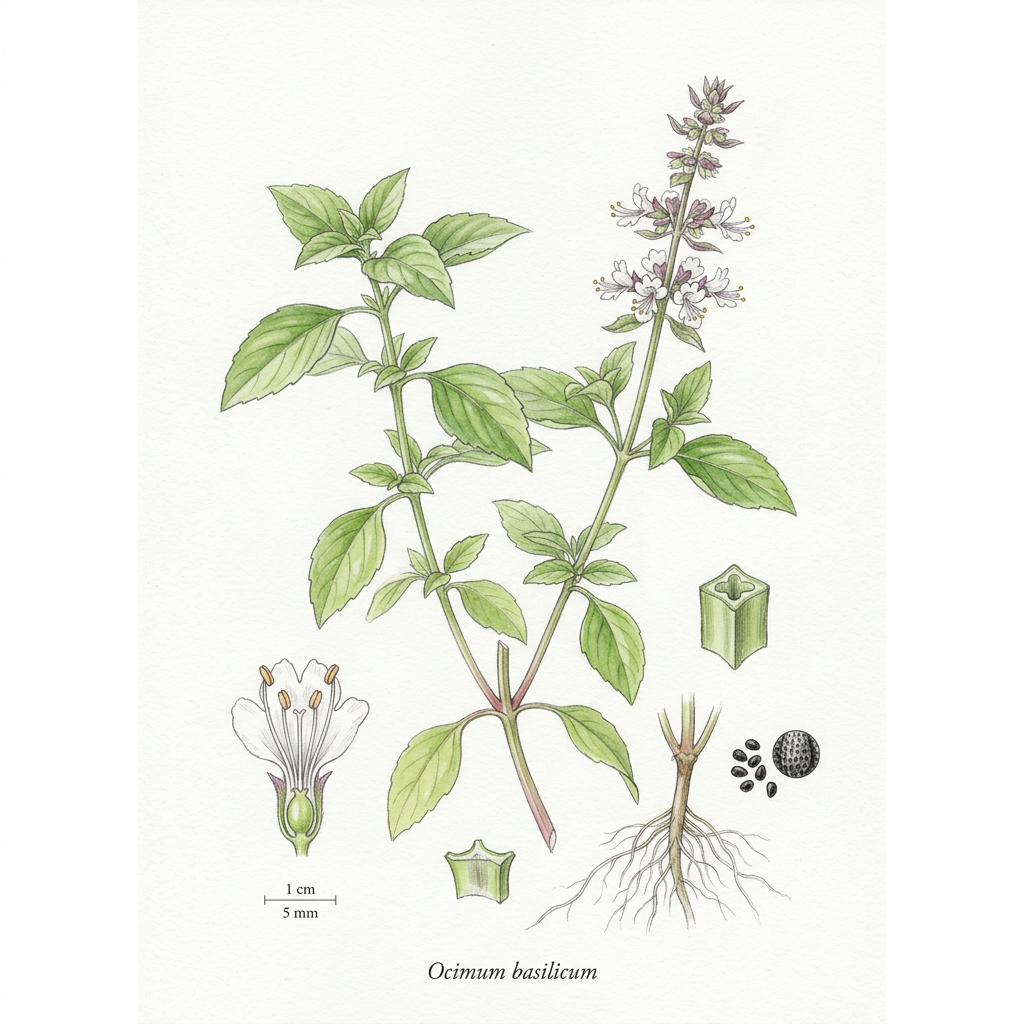
Basil

Basil

Ocimum basilicum

Convalescence
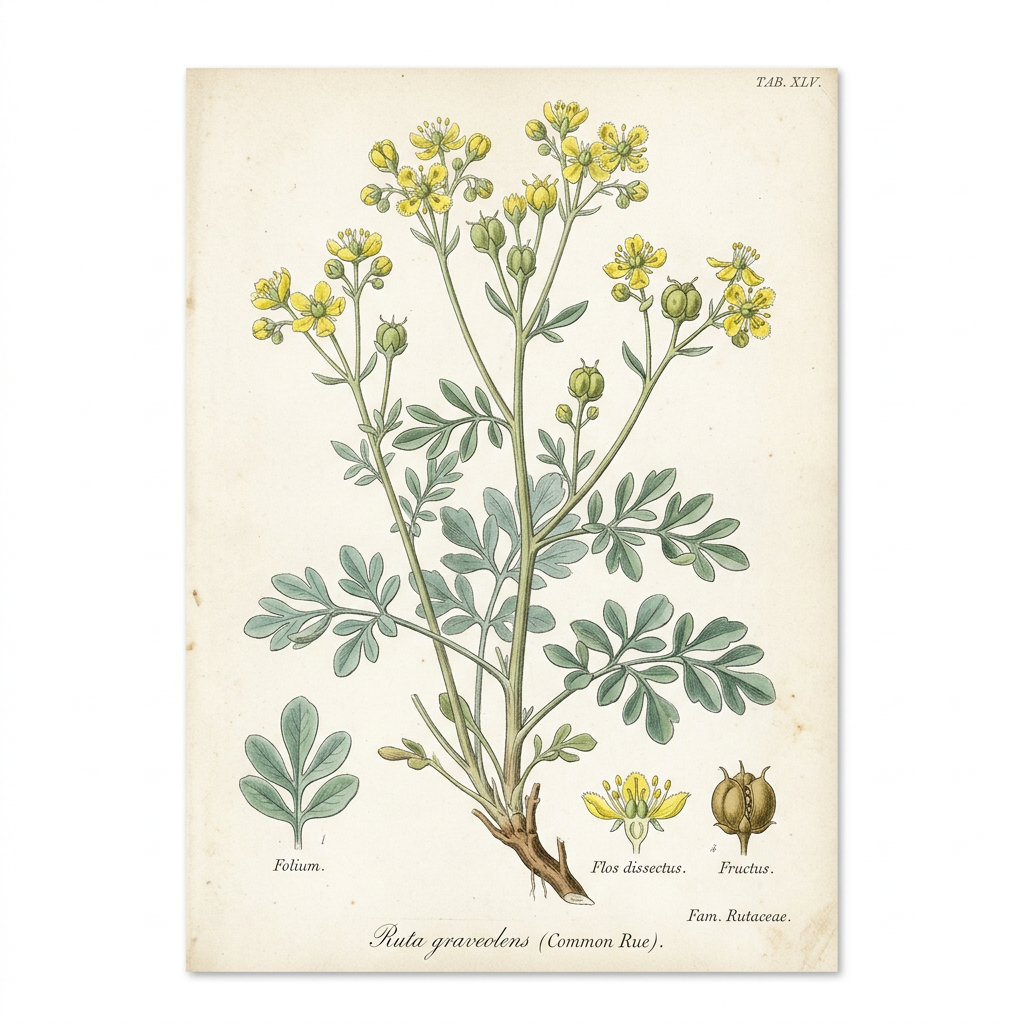
Rue

Rue

Ruta graveolens

Mood Enhancement
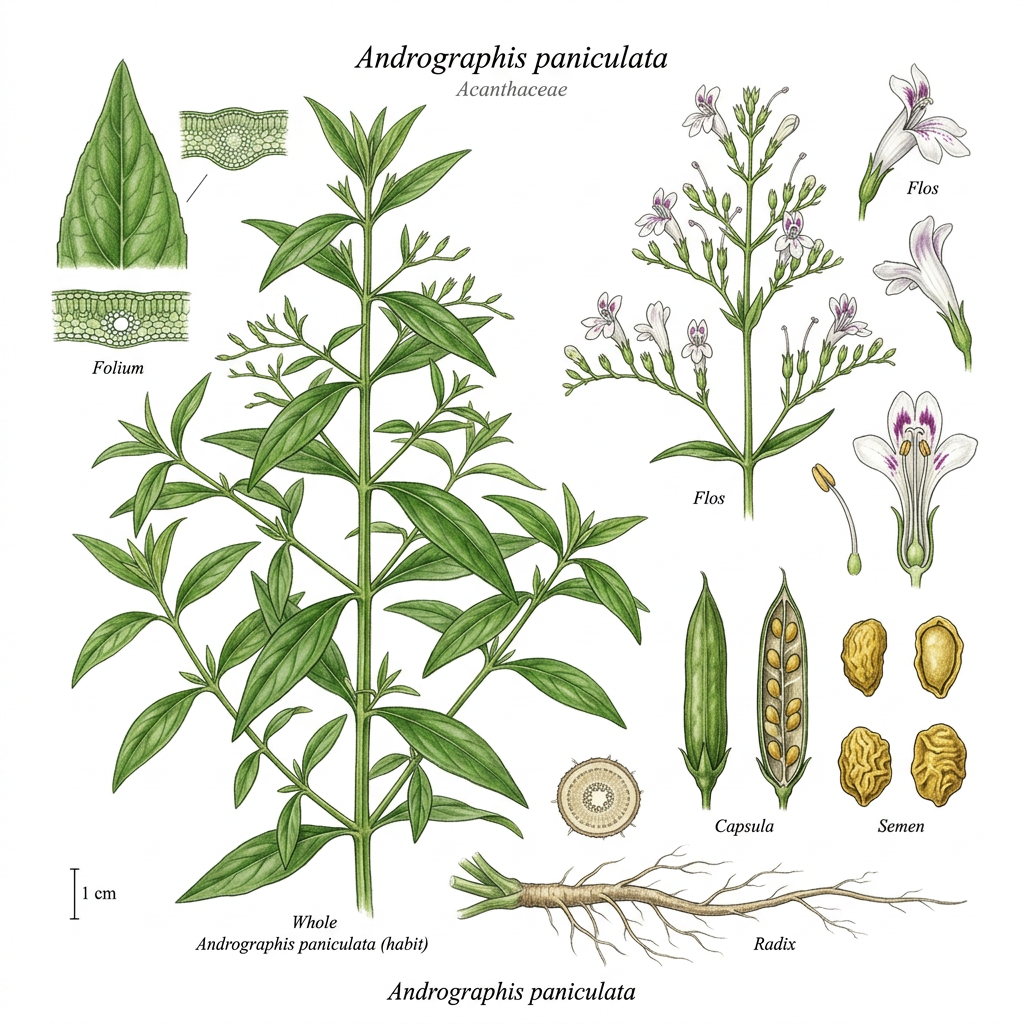
Andrographis

Andrographis

Andrographis paniculata

Immune Support