The Wild Sage logo
The Wild Sage Logo

Herbal Medicine at your fingertips

Comprehensive database of herbal remedies with detailed safety information and traditional uses

New to herbal terms? Read the glossary →
ADHD
Abcess
Acid Reflux Relief
Acinetobacter
Acne
Acne Vulgaris
Addisons
Adenomyosis
Adenovirus
Adrenal fatigue
Aging
Aids
Alcaligenes faecalis
Alcoholism
Allergic Rhinitis
Allergies
Allergy
Alopoecia
Alopoecia nervosa
Alzheimer's, Dementia & Cognitive Decline
420 herbs found
Important: This information is for educational purposes only. Always consult with qualified healthcare professionals before using herbal remedies, especially if you have existing health conditions or take medications.
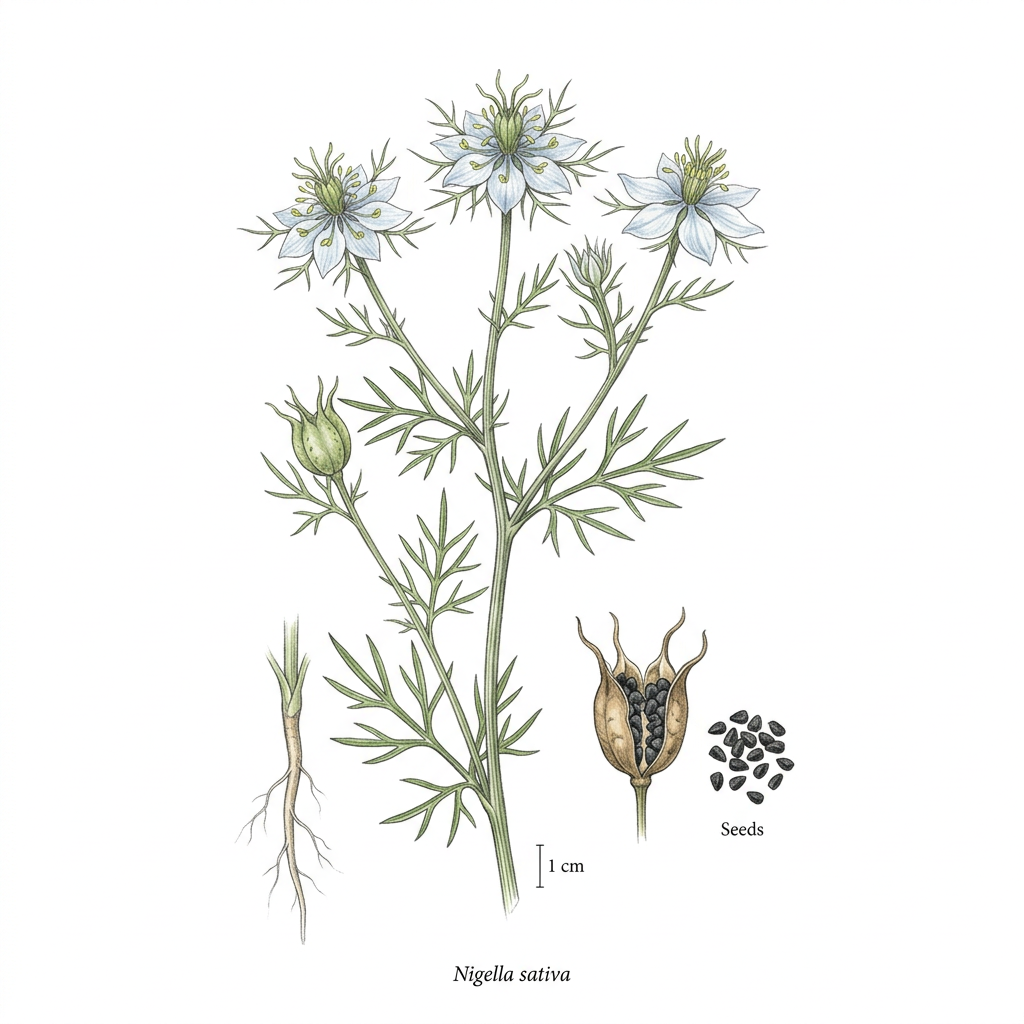
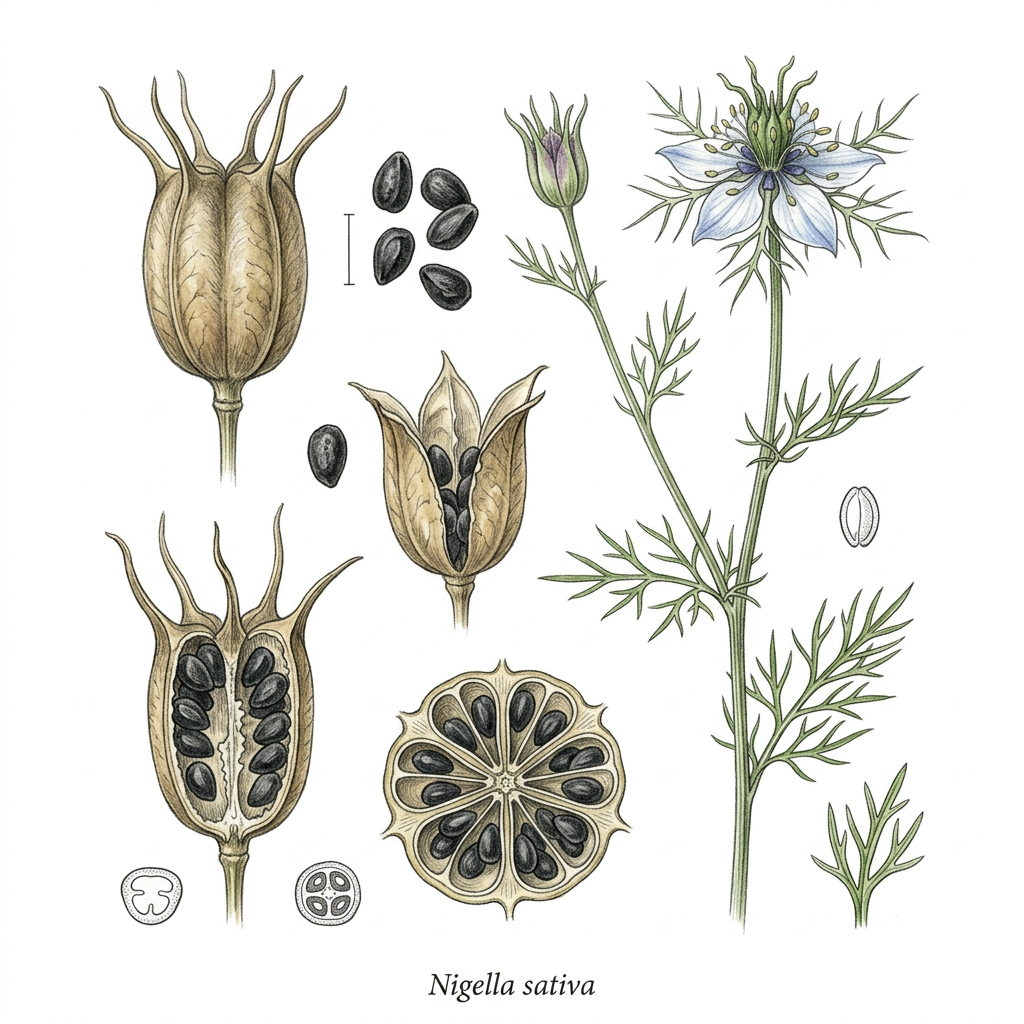
Black Cumin Seed

Black Cumin Seed

Nigella sativa

low risk Risk
Ranunculaceae
Warming and stimulating, enhances vitality and promotes balance, with dry and earthy characteristics.
<p>Black cumin seed, scientifically known as Nigella sativa, is a revered herb with a rich history spanning over three millennia. Originating from the eastern Mediterranean regions and parts of Asia, this plant has been traditionally employed in various cultures for its myriad health benefits. In ancient Egypt, black cumin seeds were considered a remedy for all conditions except death, and their use has been documented in ancient texts, including the Bible and the Quran. In Ayurvedic and traditional Persian medicine, black cumin has been utilized for its digestive, respiratory, and skin health properties, attesting to its long-standing status as a treasured therapeutic agent. The key therapeutic properties of black cumin seed are particularly notable, with robust actions as an antimicrobial, antioxidant, and immune support agent. Research indicates that its active compounds, including thymoquinone, support healthy immune function and exhibit potent antimicrobial properties, effectively combating a wide range of pathogens. Furthermore, the antioxidant effects of black cumin seed help to neutralize free radicals, thereby reducing oxidative stress and supporting overall cell health. Clinically, black cumin has shown promise in alleviating conditions such as asthma, allergies, and inflammation, making it a versatile ally in both wellness and medicinal contexts. The efficacy of black cumin seed in the body largely stems from its ability to modulate various biological pathways. Thymoquinone, the primary active ingredient, has been shown to enhance immune response by stimulating macrophage activity and promoting the production of beneficial cytokines. Additionally, its antimicrobial effects disrupt the cellular integrity of harmful bacteria and fungi, fostering an environment conducive to healing. Its antioxidant properties also aid in reducing inflammation by inhibiting pro-inflammatory mediators, thus supporting a balanced immune system. Whether consumed as oil, powder, or whole seeds, black cumin seed offers a holistic approach to health and wellness, bridging ancient wisdom with modern scientific understanding.</p>

Uses & Conditions

Antioxidant Support
Immune Support
Cardiometabolic Support
Type 2 Diabetes Mellitus
Hypertension
Asthma
Allergic Rhinitis
Cancer
Digestive Disorders
Microbial Infection
Viral Infection
Hypothyroidism
Immune Deficiency
Anxiety
Psoriasis
Eczema
Obesity
Oxidant Stress
Autoimmune
Male Fertility
Myeloma
Low Mood
Premature Ejaculation
Anorexia
Allergy

Actions

Antimicrobial
Antioxidant
TNF-a Inhibitor
NFkB Inhibitor
Antifungal
Hepatic
Blood Sugar Modulator
Anxiolytic
Neuroprotective
Analgesic

Parts Used

Seeds

Native Countries

Asia
North Africa

USDA Hardiness Zones

USDA 9-11

Contraindications

  • Avoid high doses during pregnancy

Interactions

  • Anticoagulant or antiplatelet medications: potential for additive effects which may increase bleeding risk
  • Hypoglycaemic agents: may potentiate blood-sugar-lowering medication requiring monitoring for hypoglycaemia
  • Antihypertensive medications: potential for additive blood pressure reduction which may lead to hypotension
  • Sedative or hypnotic medications: potential for additive CNS depressant effects

Dosages, tincture ratios & research — members only

Unlock Garreth's dosing guidance, tincture ratios, the dosage calculator and the research studies for Black Cumin Seed.

Your assessment and results stay saved — upgrading only unlocks more of them.

See membership plans

Community Photos

No community photos yet. Sign in to upload photos.

Reviews & Ratings

Sign in to leave a review.

No reviews yet. Be the first!

GF

Garreth Falls — B.Th., Dip. H.M., MNIMH

Content curated and reviewed by Garreth Falls, Consultant Medical Herbalist · The Wild Sage

Medical Disclaimer: This information is for educational purposes only and is not intended as medical advice. Always consult with qualified healthcare professionals before starting any herbal treatment.
Ayurvedic tradition
Chinese tradition
Western tradition

Sustainability & quality

Cultivated

Widely available and cultivated; look for high oil content in fresh seed stock.

Key constituents

polyphenols, tocopherols, Thymoquinone, Alkaloids, Saponins, Fatty acids

References

  1. Pole "Ayurvedic Medicine" 2006
  2. Herbal Reality. Herb monographs. herbalreality.com

Reviewed by Garreth, Medical Herbalist (MNIMH) · October 2026

Related conditions

Explore conditions where Black Cumin Seed is traditionally used.

Related Herbs
Black Seed

Black Seed

Nigella sativa

Immune Support
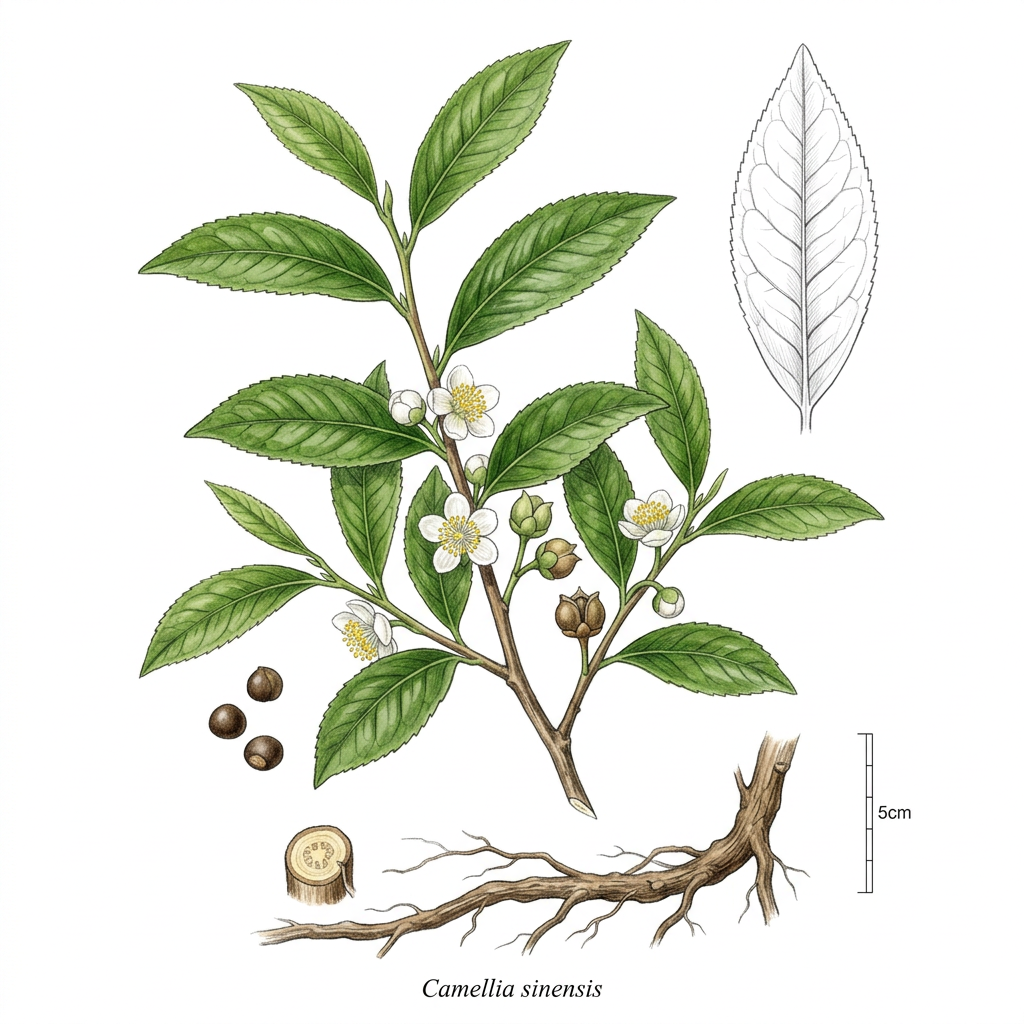
Green Tea

Green Tea

Camellia sinensis

Hypertension
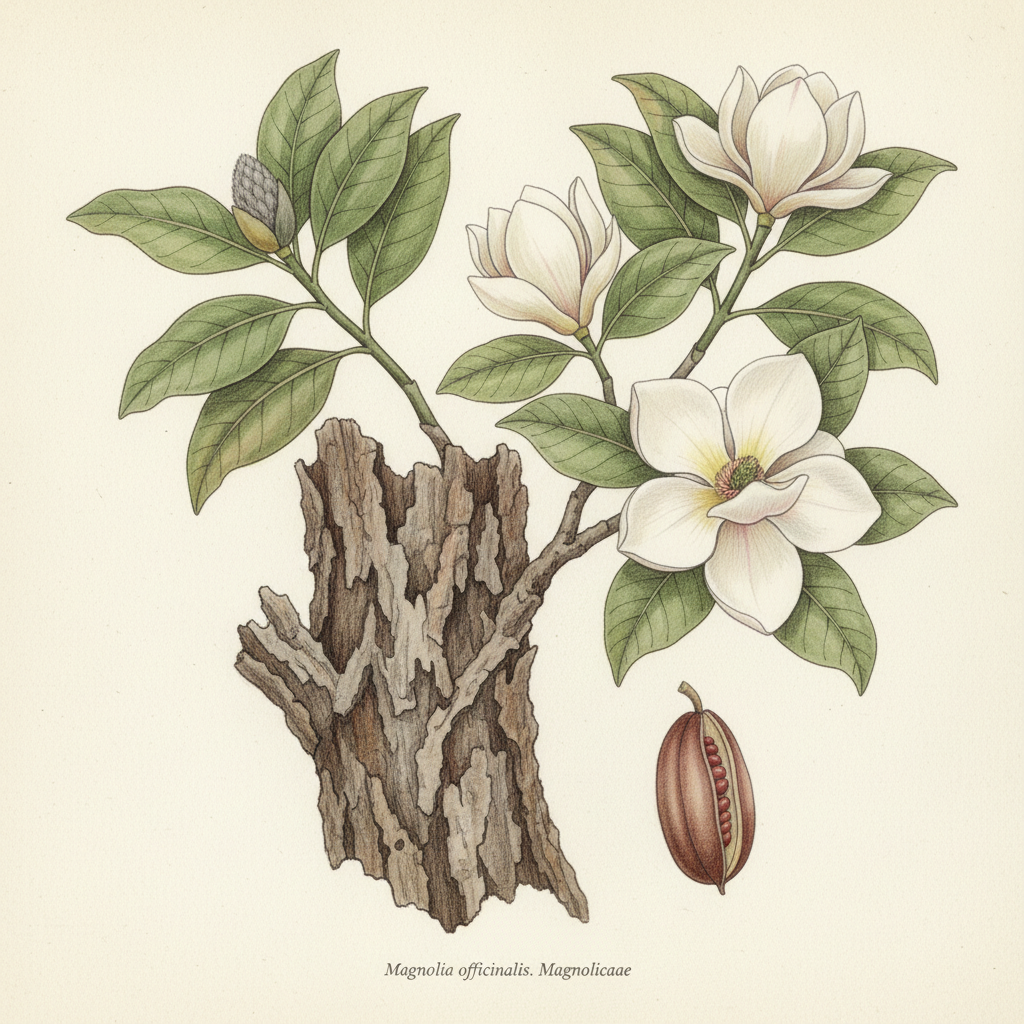
Magnolia

Magnolia

Magnolia officinalis

Stress Relief
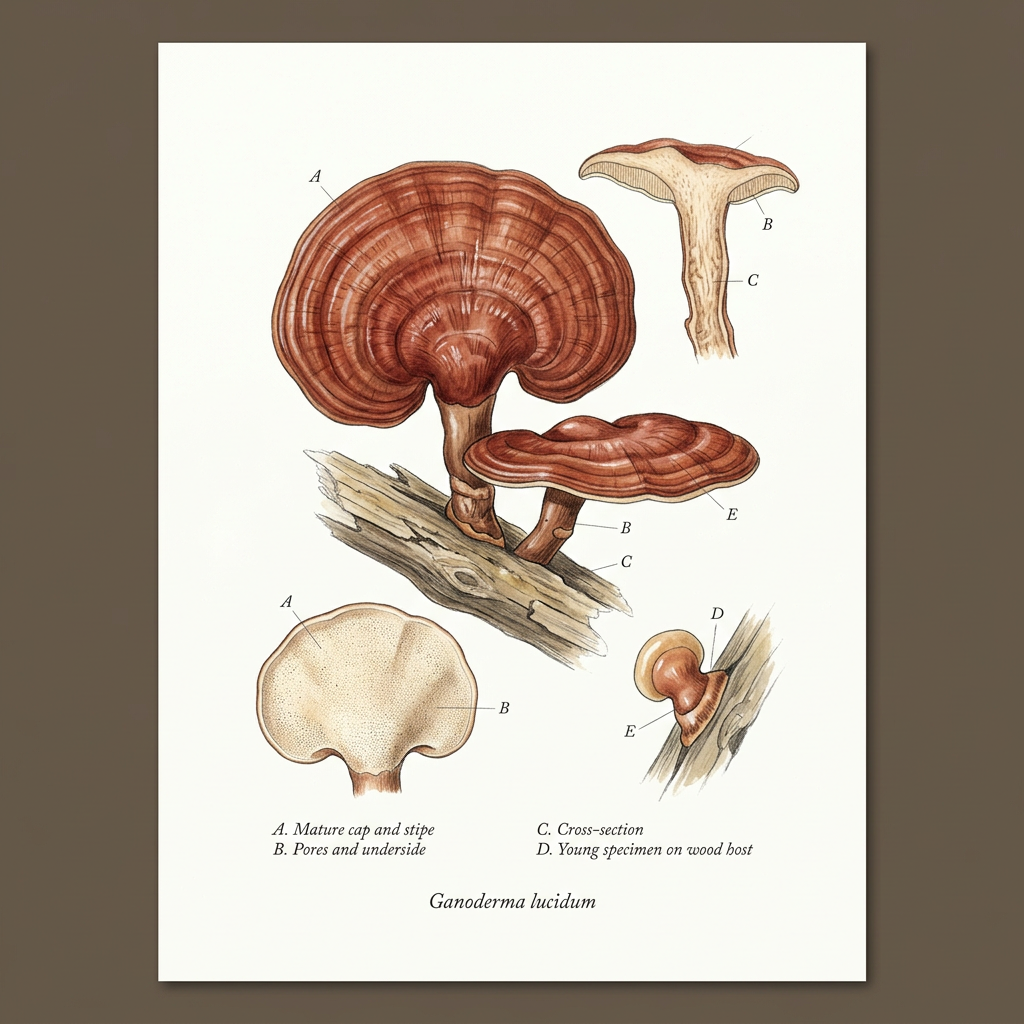
Reishi

Reishi

Ganoderma lucidum

Immune Support