The Wild Sage logo
The Wild Sage Logo

Herbal Medicine at your fingertips

Comprehensive database of herbal remedies with detailed safety information and traditional uses

New to herbal terms? Read the glossary →
ADHD
Abcess
Acid Reflux Relief
Acinetobacter
Acne
Acne Vulgaris
Addisons
Adenomyosis
Adenovirus
Adrenal fatigue
Aging
Aids
Alcaligenes faecalis
Alcoholism
Allergic Rhinitis
Allergies
Allergy
Alopoecia
Alopoecia nervosa
Alzheimer's, Dementia & Cognitive Decline
420 herbs found
Important: This information is for educational purposes only. Always consult with qualified healthcare professionals before using herbal remedies, especially if you have existing health conditions or take medications.
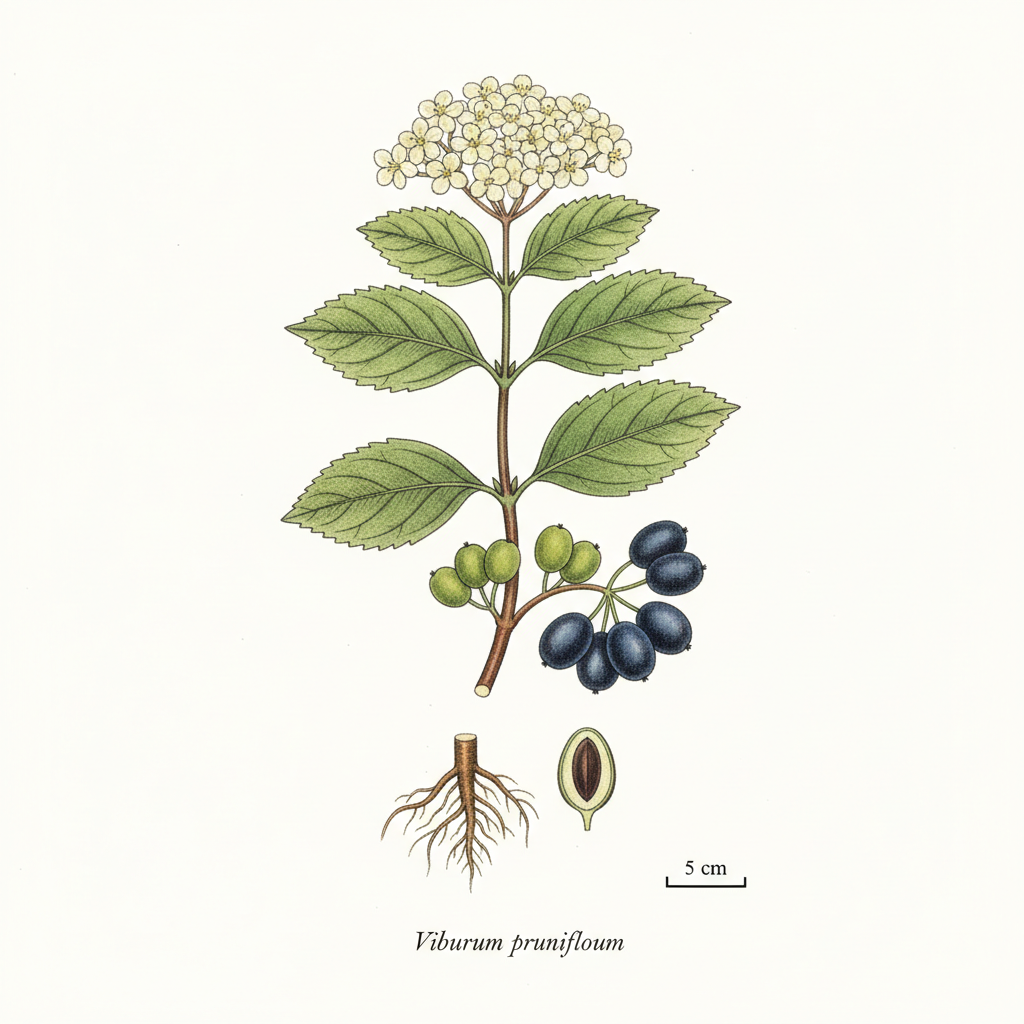
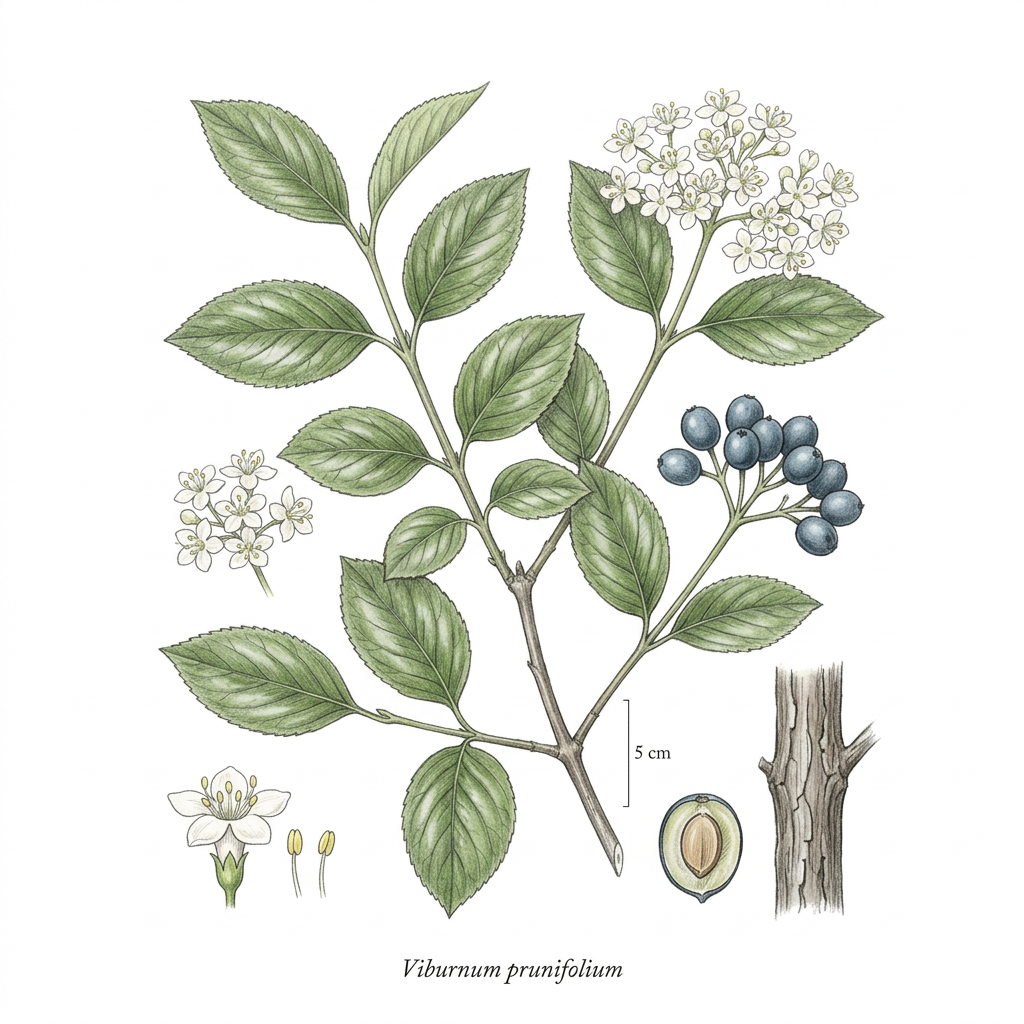
Black Haw

Black Haw

Viburnum prunifolium

low risk Risk
Adoxaceae
Cooling, drying and bitter.
<p>Black Haw, scientifically known as Viburnum prunifolium, is a deciduous shrub native to the eastern United States, valued both for its striking appearance and its medicinal properties. Traditionally used by Indigenous peoples and early herbalists, Black Haw has a rich history as a uterine relaxant and muscle antispasmodic. Its bark has been utilized in various forms, including teas and tinctures, to address women's reproductive health, particularly in the context of menstrual discomfort and pregnancy support. The herb's longstanding use in traditional medicine embodies a holistic approach to health, recognizing the intricate connection between physical well-being and menstrual cycles. The therapeutic properties of Black Haw are primarily attributed to its active components, including flavonoids and other phytochemicals that contribute to its antispasmodic and relaxing effects on the uterus. Clinically, Black Haw is employed to alleviate menstrual cramps, regulate uterine health, and support conditions such as endometriosis. Its ability to modulate hormonal balance makes it particularly beneficial for easing the physiological symptoms associated with the menstrual cycle. Additionally, it has been noted for its calming properties, helping to alleviate anxiety and tension that may accompany menstrual and reproductive challenges. At the physiological level, Black Haw works by interacting with the smooth muscle tissue of the uterus. Its antispasmodic action helps to relax the uterine muscle, thereby reducing cramping and discomfort during menstruation. Furthermore, by promoting better blood flow and mitigating excessive uterine contractions, Black Haw supports overall uterine health and may play a role in preventing miscarriages in those at risk. This multifaceted approach underlines the importance of Black Haw in herbal medicine as a supportive ally in women's health, promoting both comfort and balance during critical periods of the reproductive cycle.</p>

Uses & Conditions

Reproductive Support
Hormonal Modulation
Dysmenorrhoea
Menorrhagia
Endometriosis
Muscle Spasms
Asthma

Actions

Antispasmodic
Relaxant
Anti-inflammatory
NFkB Inhibitor
TNF-a Reduction

Parts Used

Leaves
Fruit
Flowers

Native Countries

North America

USDA Hardiness Zones

USDA 3-9

Contraindications

  • Salicylate sensitivity
  • Pregnancy
  • Lactation

Dosages, tincture ratios & research — members only

Unlock Garreth's dosing guidance, tincture ratios, the dosage calculator and the research studies for Black Haw.

Your assessment and results stay saved — upgrading only unlocks more of them.

See membership plans

Community Photos

No community photos yet. Sign in to upload photos.

Reviews & Ratings

Sign in to leave a review.

No reviews yet. Be the first!

GF

Garreth Falls — B.Th., Dip. H.M., MNIMH

Content curated and reviewed by Garreth Falls, Consultant Medical Herbalist · The Wild Sage

Medical Disclaimer: This information is for educational purposes only and is not intended as medical advice. Always consult with qualified healthcare professionals before starting any herbal treatment.
Western tradition

Sustainability & quality

Abundant

Available in the wild; however, harvesting bark is damaging. Cultivated supplies or selective branch pruning are preferred.

Key constituents

• Coumarins: Scopoletin, aesculetin (contributing to smooth muscle relaxation) • Iridoid Glucosides: Specific compounds like 2′-O-acetyldihydropenstemide • Flavonoids & Phenolics: Amentoflavone, quercetin, salicin, and tannins

References

  1. British Herbal Pharmacopoeia 1983

Reviewed by Garreth, Medical Herbalist (MNIMH) · October 2026

Related conditions

Explore conditions where Black Haw is traditionally used.

Related Herbs
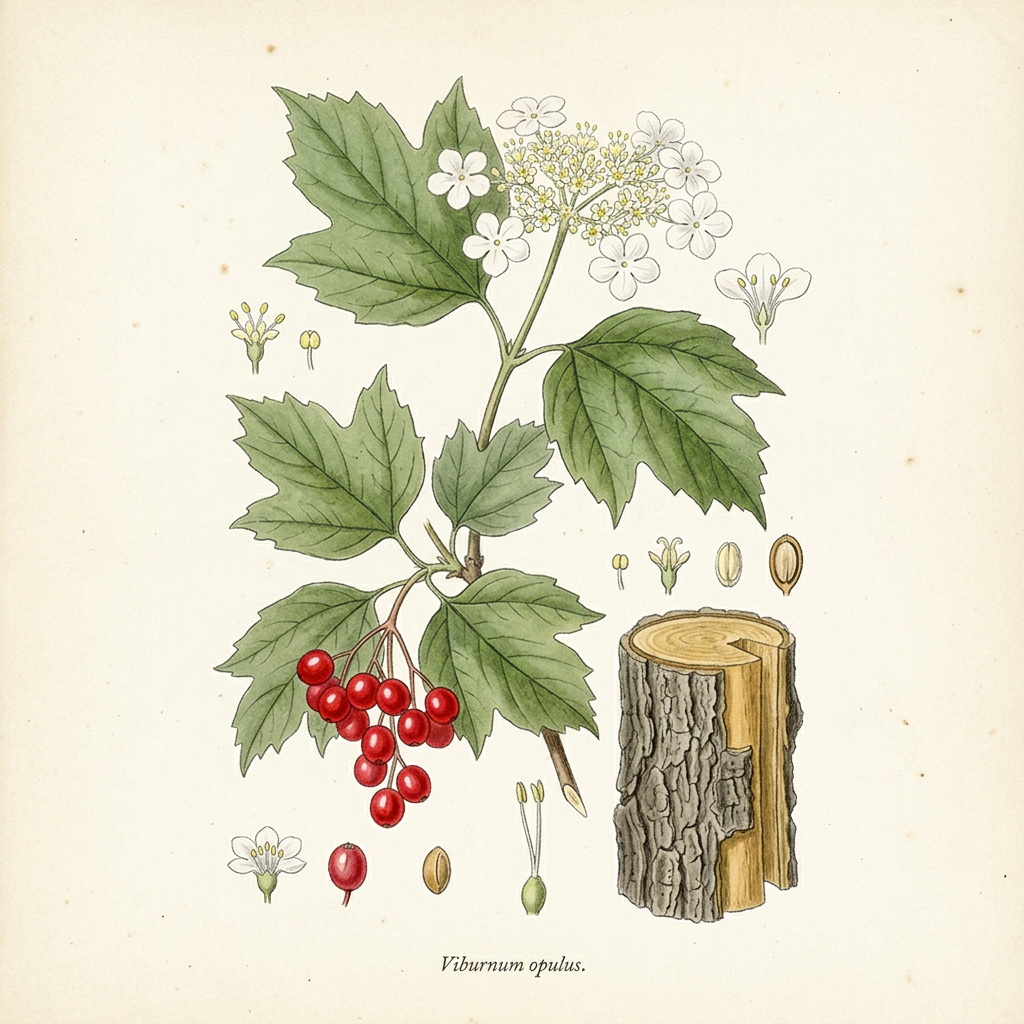
Cramp Bark

Cramp Bark

Viburnum opulus

Muscle relaxation
Black haw

Black haw

Viburnum prunifolium

Menstrual Support
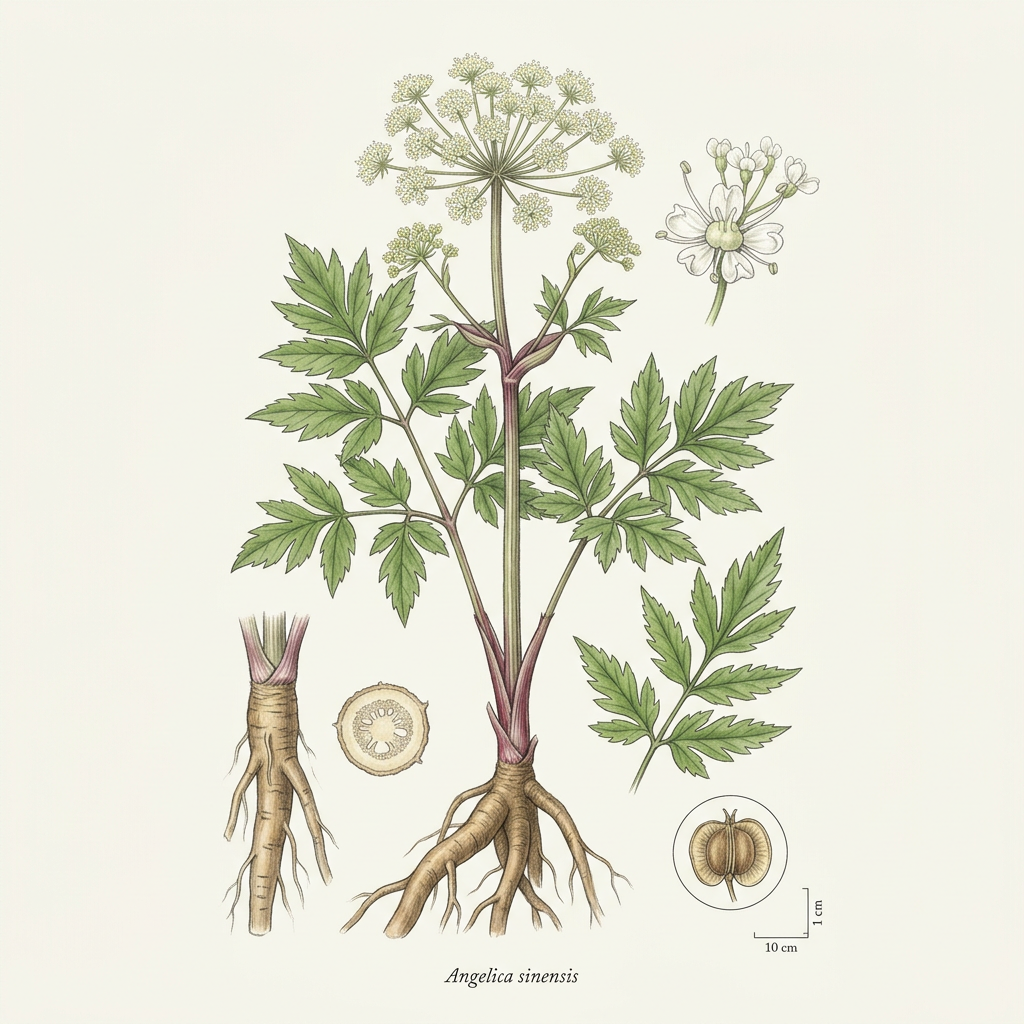
Chinese angelica

Chinese angelica

Angelica sinensis

Blood Tonic
Elder

Elder

Sambucus nigra

Immune Support