The Wild Sage logo
The Wild Sage Logo

Herbal Medicine at your fingertips

Comprehensive database of herbal remedies with detailed safety information and traditional uses

New to herbal terms? Read the glossary →
ADHD
Abcess
Acid Reflux Relief
Acinetobacter
Acne
Acne Vulgaris
Addisons
Adenomyosis
Adenovirus
Adrenal fatigue
Aging
Aids
Alcaligenes faecalis
Alcoholism
Allergic Rhinitis
Allergies
Allergy
Alopoecia
Alopoecia nervosa
Alzheimer's, Dementia & Cognitive Decline
420 herbs found
Important: This information is for educational purposes only. Always consult with qualified healthcare professionals before using herbal remedies, especially if you have existing health conditions or take medications.
Black Horehound

Black Horehound

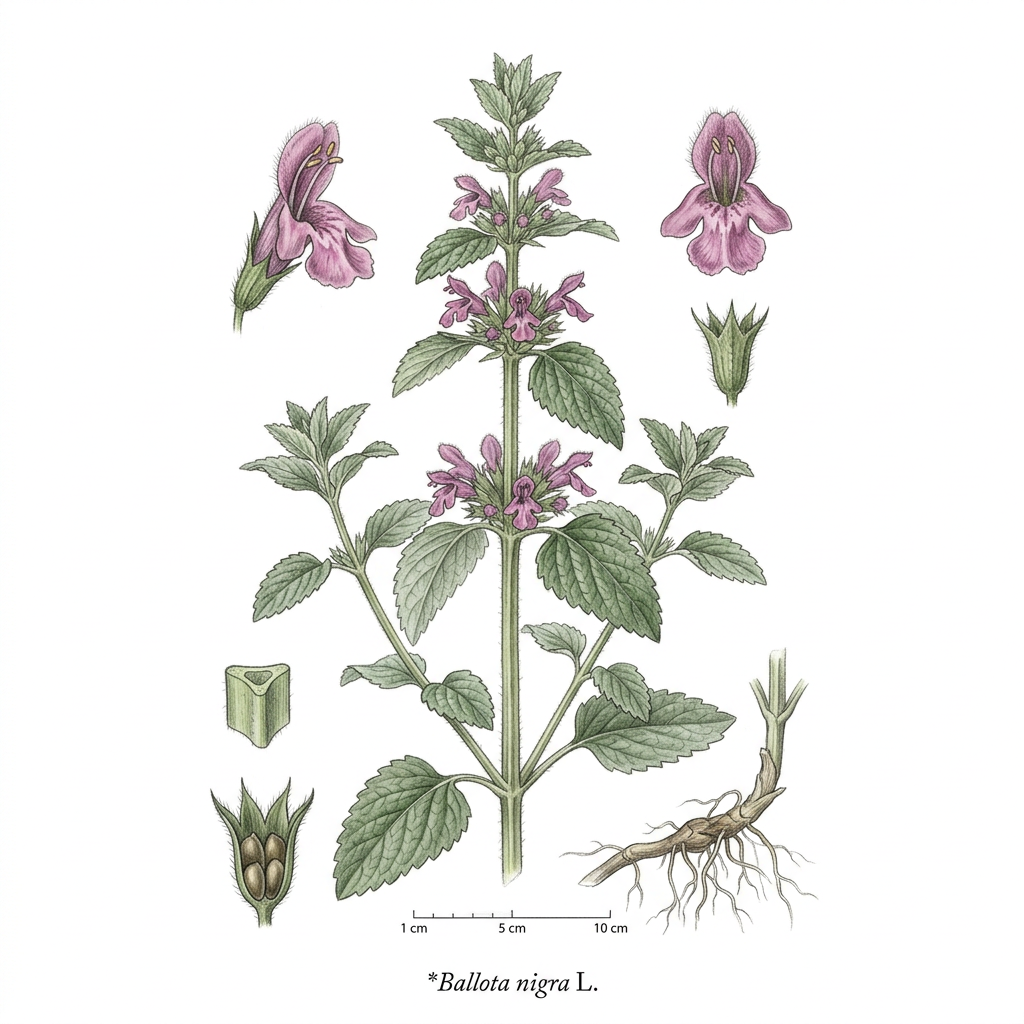
Ballota nigra

low risk Risk
Lamiaceae
Bitter, astringent and warming.
<p>Ballota nigra, commonly known as black horehound, is a perennial herbaceous plant belonging to the Lamiaceae family. With its origins tracing back to Europe, particularly in Mediterranean regions, this herb has been employed in traditional medicine for centuries. Historically, Ballota nigra was valued for its ability to treat a range of ailments, including respiratory disorders and digestive issues. In folk medicine, it has been used as a remedy for coughs, nervous conditions, and even as a therapeutic agent for fevers. Its use in traditional herbalism often involved preparing infusions, tinctures, or syrups for safe and effective application. The therapeutic properties of Ballota nigra are diverse and impactful, making it a versatile addition to herbal medicine. This herb is renowned for its digestive aid abilities, providing relief from gastrointestinal discomfort while promoting healthy digestion. Its sedative and anxiolytic properties make it particularly useful for addressing anxiety and promoting relaxation, making it beneficial for individuals experiencing stress-related disorders. Additionally, Ballota nigra exhibits hypoglycaemic effects, suggesting a role in regulating blood sugar levels, which could be advantageous for those managing diabetes. The herb also features spasmolytic and anti-emetic properties, providing relief from muscle spasms and nausea, respectively, while its anti-bacterial properties contribute to the overall immune support. The way Ballota nigra works in the body is linked to its bioactive compounds, which include flavonoids, tannins, and essential oils. These constituents interact with various neurotransmitter pathways, primarily influencing gamma-aminobutyric acid (GABA) receptors, thereby promoting relaxation and reducing anxiety levels. The flavonoids found in the herb also demonstrate antioxidant activity, which aids in neutralizing harmful free radicals, thus promoting general health. Moreover, the digestive benefits are attributed to its ability to stimulate bile flow and enhance digestive processes, ensuring better nutrient absorption and overall gastrointestinal health. With its multifaceted approach to health, Ballota nigra stands out as a beneficial herb in both traditional and modern herbal practices.</p>

Uses & Conditions

Digestive Aid
Relaxation
Blood Sugar Regulation
Bile Flow Stimulation
Nutrient Absorption
Antioxidant Activity
Immune Support
Whooping Cough
Restless Legs
Muscle Spasms
Stress
Nausea
IBS
Insomnia
Anxiety
Fever

Actions

Sedative
Hypoglycaemic
Anxiolytic
Spasmolytic
Anti-bacterial
Anti-emetic

Parts Used

Aerial parts.

Native Countries

Europe and North Africa

USDA Hardiness Zones

5-10

Contraindications

  • Pregnancy: avoid due to potential uterine stimulant activity.
  • Breastfeeding: not recommended due to insufficient safety data.
  • Known hypersensitivity: do not use if allergic to the Lamiaceae family.
  • Parkinson's disease: use with caution due to potential dopaminergic interaction.

Potential Side Effects

  • Nausea or gastric discomfort if taken on an empty stomach.
  • Mild lethargy or dizziness in sensitive individuals.

Interactions

  • Sedative medications: potential additive effects increasing drowsiness.
  • Antiemetic medications: may mask the effects of prescription drugs.
  • Hypoglycaemic agents: may have an additive effect on insulin or oral medications.
  • Use caution with concurrent prescription medicines.

Dosages, tincture ratios & research — members only

Unlock Garreth's dosing guidance, tincture ratios, the dosage calculator and the research studies for Black Horehound.

Your assessment and results stay saved — upgrading only unlocks more of them.

See membership plans

Community Photos

No community photos yet. Sign in to upload photos.

Reviews & Ratings

Sign in to leave a review.

No reviews yet. Be the first!

GF

Garreth Falls — B.Th., Dip. H.M., MNIMH

Content curated and reviewed by Garreth Falls, Consultant Medical Herbalist · The Wild Sage

Medical Disclaimer: This information is for educational purposes only and is not intended as medical advice. Always consult with qualified healthcare professionals before starting any herbal treatment.
Western tradition

Sustainability & quality

Abundant

Considered a common plant; ensure harvesting occurs away from roadsides to minimise pollutant accumulation.

Key constituents

Horehound compounds, Diterpenes, flavonoids, Volatile Oils, Luteolin, Lactate, Glucosyl lactate

References

  1. British Herbal Pharmacopoeia 1983
  2. Herbal Reality. Herb monographs. herbalreality.com

Reviewed by Garreth, Medical Herbalist (MNIMH) · October 2026

Related conditions

Explore conditions where Black Horehound is traditionally used.

Related Herbs
Holy Basil (Tulsi)

Holy Basil (Tulsi)

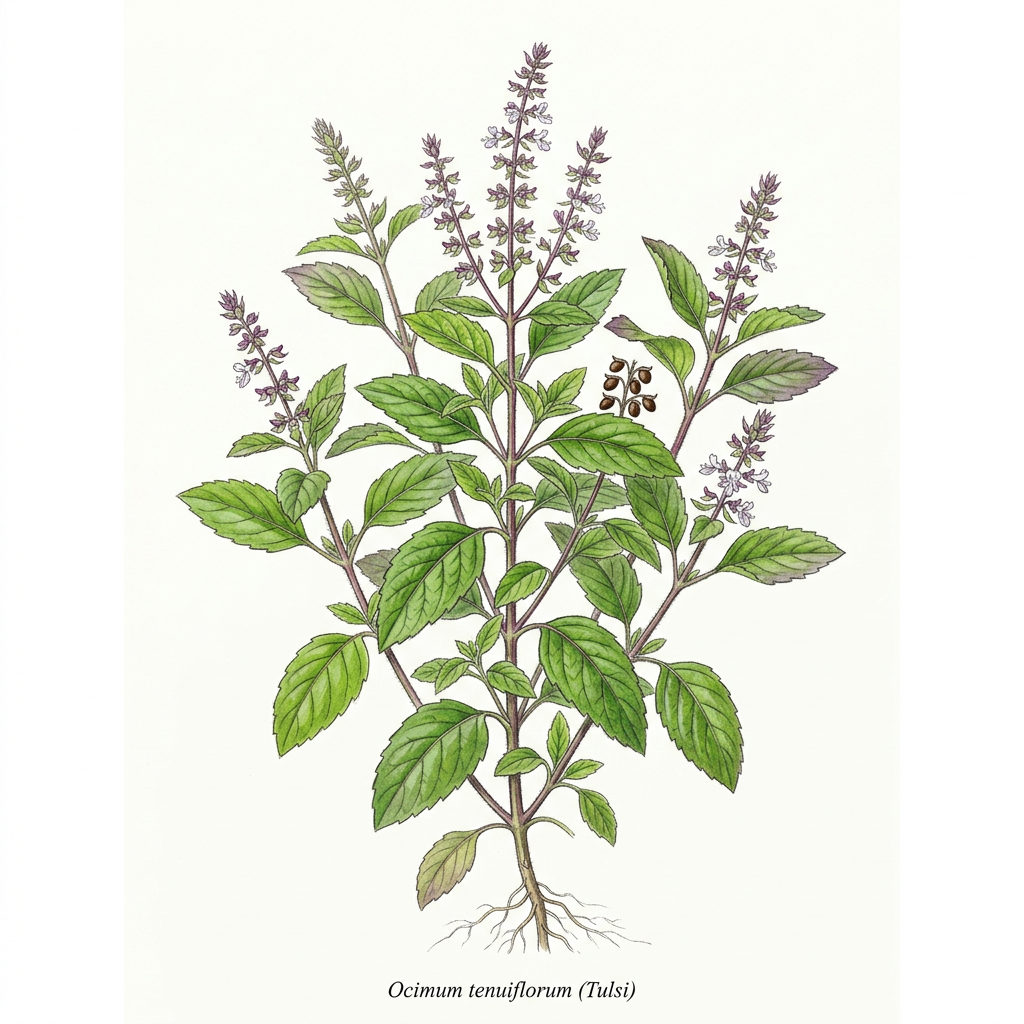
Ocimum tenuiflorum
Adaptogen
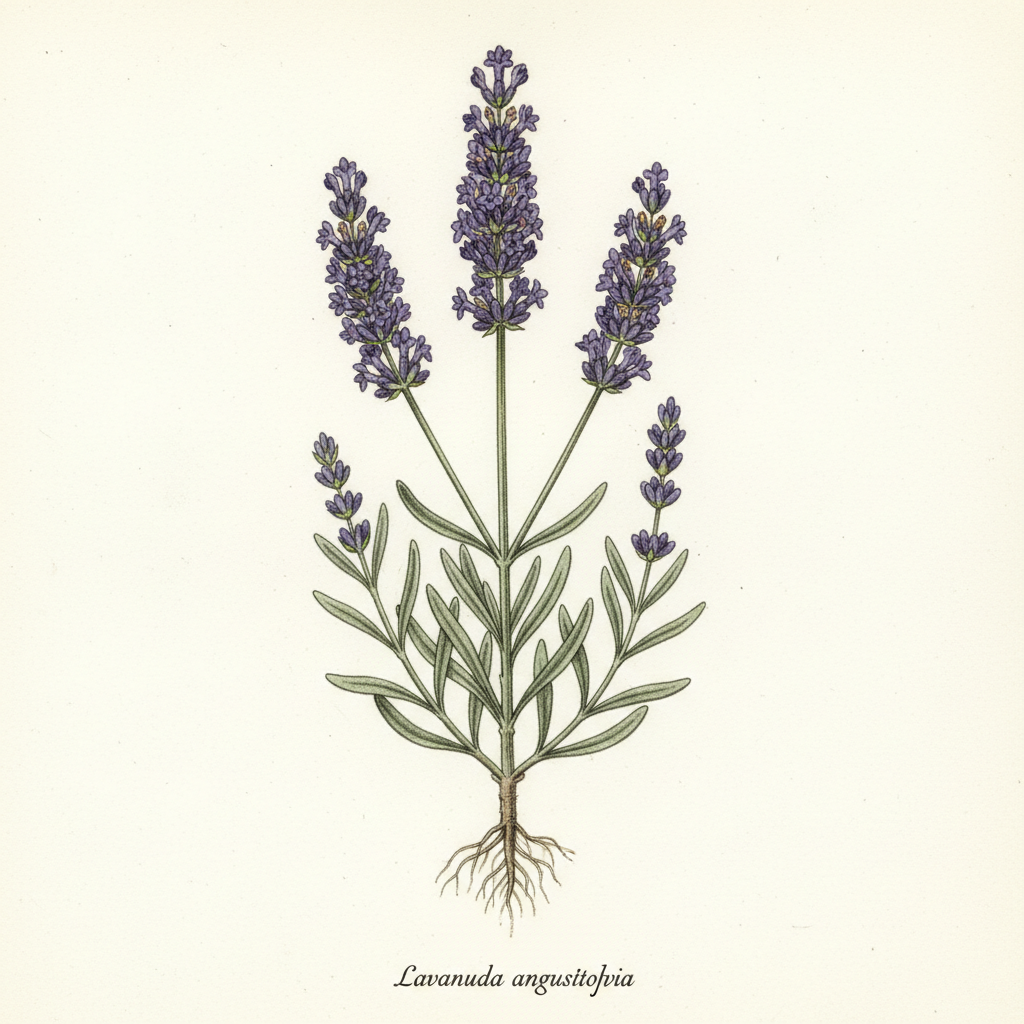
Lavender

Lavender

Lavandula angustifolia

Sleep Aid
Lemon Balm

Lemon Balm

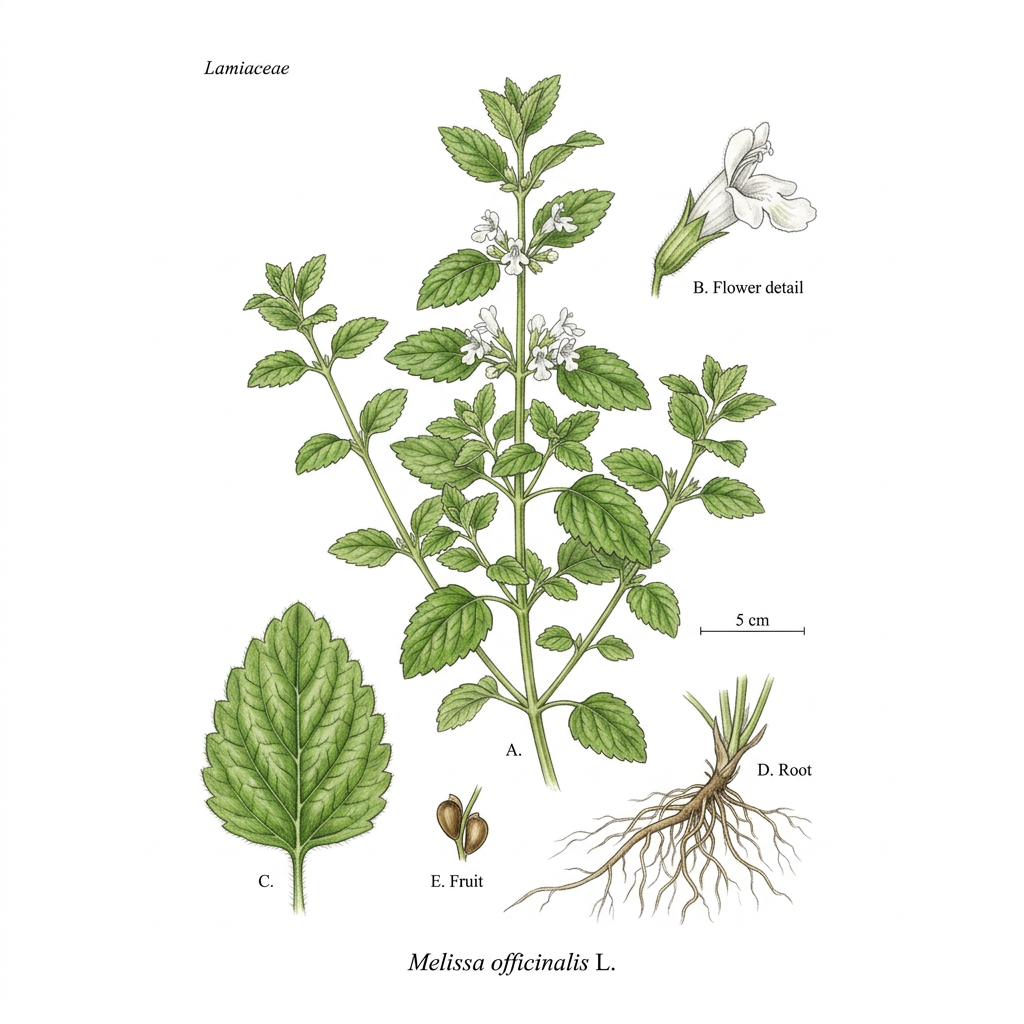
Melissa officinalis

Mood Improvement
Nutmeg

Nutmeg

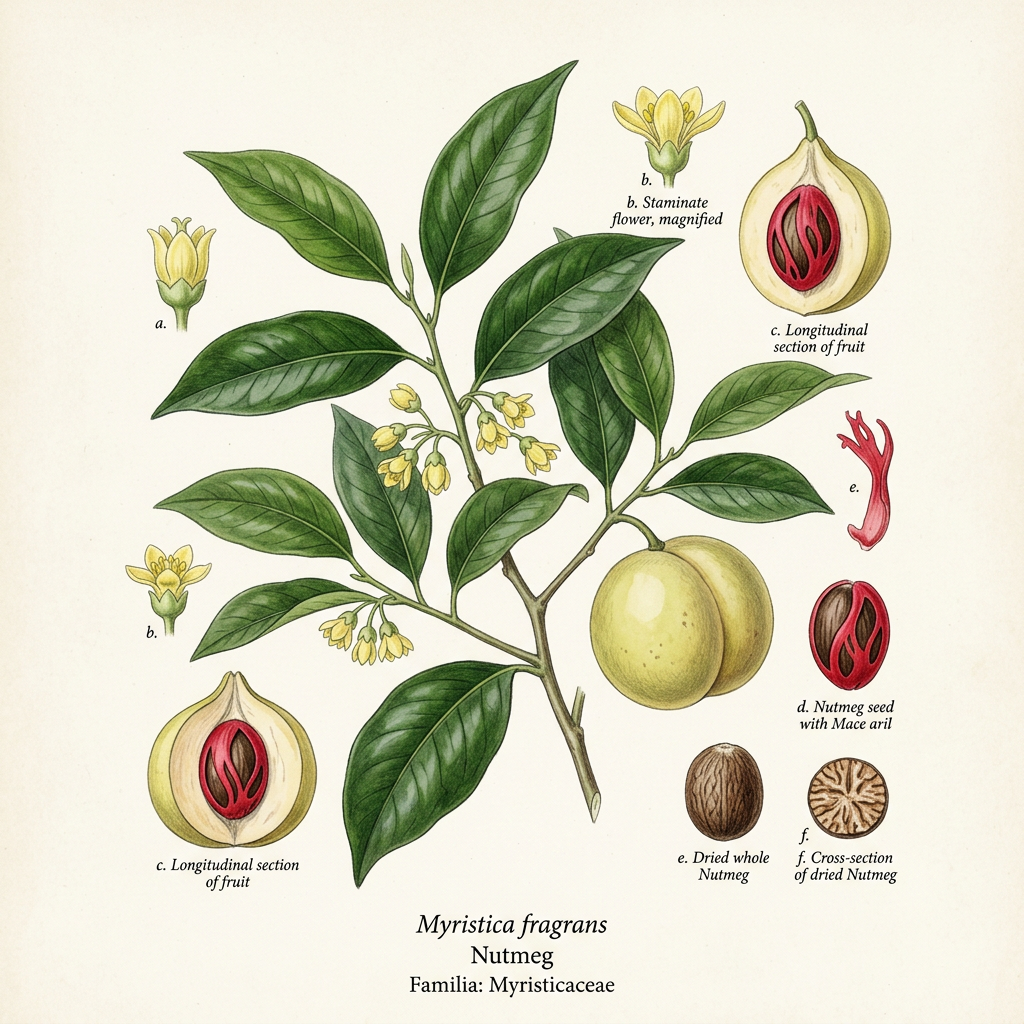
Myristica fragrans

Digestive Aid