

Herbal Medicine at your fingertips
Comprehensive database of herbal remedies with detailed safety information and traditional uses
New to herbal terms? Read the glossary →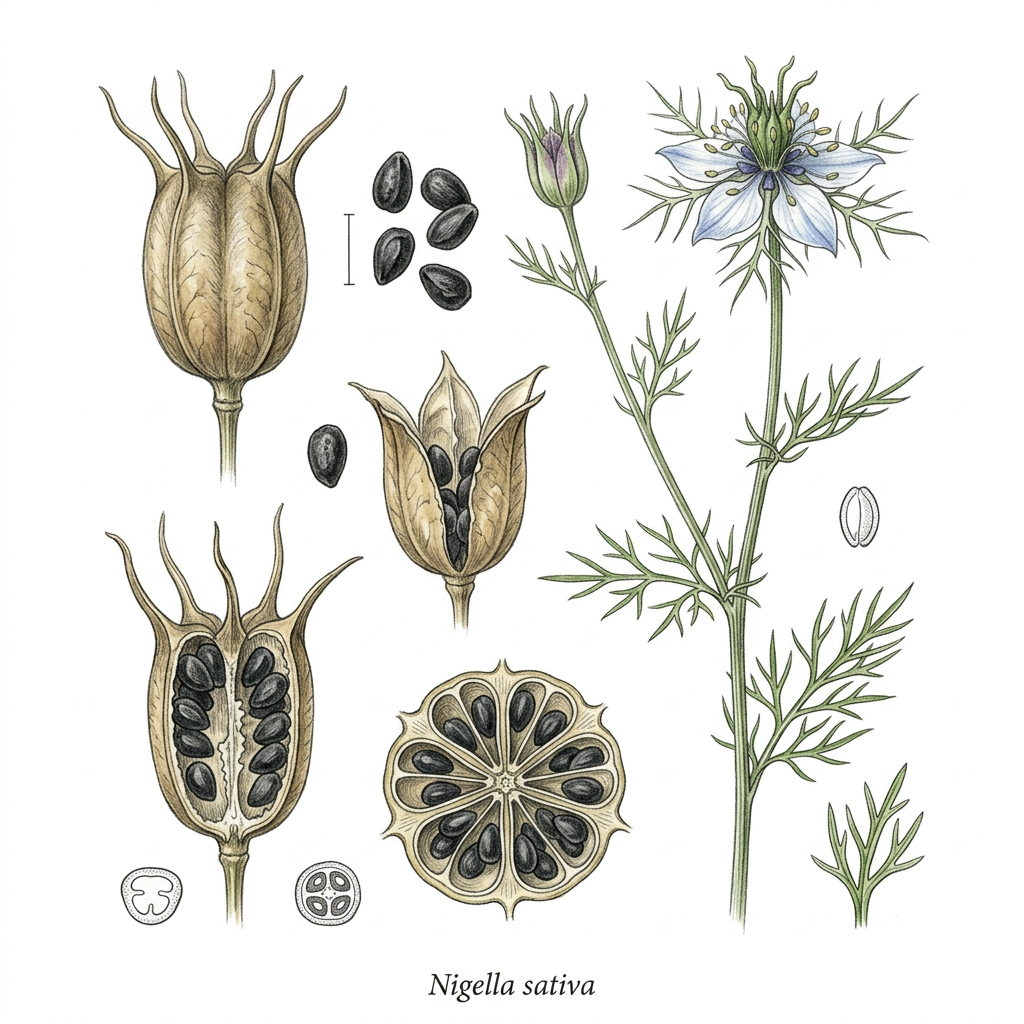
Black Seed
Nigella sativa
Black Seed, also known as Nigella sativa, is a remarkable herb that has captivated herbalists and health practitioners for centuries, frequently praised for its myriad of therapeutic applications. Traditionally utilized in ancient Egyptian, Greek, and Arabic medicine, the seeds of this flowering plant, native to the Mediterranean region, have been referred to as a cure-all, with historical anecdotes describing their use in treating everything from respiratory ailments to digestive disorders. The famed physician Avicenna even extolled their virtues, declaring Black Seed to be a remedy for various afflictions, showcasing its deep roots in the traditions of holistic health and wellness.
The primary therapeutic properties of Black Seed stem from its rich composition of bioactive compounds, particularly thymoquinone, which is known for its powerful antioxidant, anti-inflammatory, and immune-modulating effects. These properties lend Black Seed its wide-ranging applications, making it a sought-after remedy for conditions such as allergies, inflammatory disorders, and overall immune support. By enhancing the body’s natural defenses, Black Seed plays a crucial role in managing immune responses, helping to alleviate allergy symptoms while also exhibiting significant anti-inflammatory effects that can benefit those suffering from chronic inflammatory diseases. Additionally, its potential to support respiratory health is noteworthy, as it may assist in easing conditions such as asthma and bronchitis.
At the biochemical level, Black Seed interacts with various cellular pathways in the body, helping to maintain homeostasis and promote healing. Thymoquinone, the principal active ingredient, exhibits a multifaceted mechanism of action, including the modulation of inflammatory mediators and the suppression of oxidative stress. This herb enhances the activity of immune cells, thereby fostering a balanced immune response, which is vital for overall health. By reducing inflammation and improving immune function, Black Seed not only helps to address acute conditions but also supports long-term health sustainability, making it a valuable addition to any herbal regimen. Its versatility and profound effects place Nigella sativa at the forefront of natural therapeutics, celebrated for its ability to harmonize and rejuvenate the body.
Uses & Conditions
Actions
Parts Used
Native Countries
USDA Hardiness Zones
Contraindications
- Pregnancy: avoid high or therapeutic doses due to potential uterine stimulating effects.
- Breastfeeding: avoid therapeutic use due to lack of robust safety data.
- Scheduled surgery: discontinue use at least two weeks prior to surgery.
- Known allergy: avoid if sensitivity to the Ranunculaceae family is present.
- Severe hypoglycaemia: use with extreme caution.
Potential Side Effects
- Gastrointestinal upset including nausea, bloating, or mild abdominal discomfort.
- Allergic contact dermatitis upon topical application.
- Mild, transient dizziness in those sensitive to blood pressure changes.
Interactions
- Anticoagulants and antiplatelet drugs: may increase the risk of bruising or bleeding.
- Hypoglycaemic agents: potential for additive effects in lowering blood glucose.
- Antihypertensive drugs: may potentiate blood pressure lowering effects.
- Diuretics: potential risk of electrolyte imbalance or enhanced drug action.
Dosages, tincture ratios & research — members only
Unlock Garreth's dosing guidance, tincture ratios, the dosage calculator and the research studies for Black Seed.
Your assessment and results stay saved — upgrading only unlocks more of them.
See membership plansCommunity Photos
No community photos yet. Sign in to upload photos.
Reviews & Ratings
Sign in to leave a review.
No reviews yet. Be the first!
Garreth Falls — B.Th., Dip. H.M., MNIMH
Content curated and reviewed by Garreth Falls, Consultant Medical Herbalist · The Wild Sage
Sustainability & quality
AbundantWidely cultivated. Ensure quality by checking for purity, as adulteration with other seeds can occur in commercial lots.
Key constituents
polyphenols, tocopherols, Thymoquinone, Alkaloids, Saponins, Fatty acids
References
- Pole "Ayurvedic Medicine" 2006
- Herbal Reality. Herb monographs. herbalreality.com
Reviewed by Garreth, Medical Herbalist (MNIMH) · October 2026
Related conditions
Explore conditions where Black Seed is traditionally used.
Related Herbs
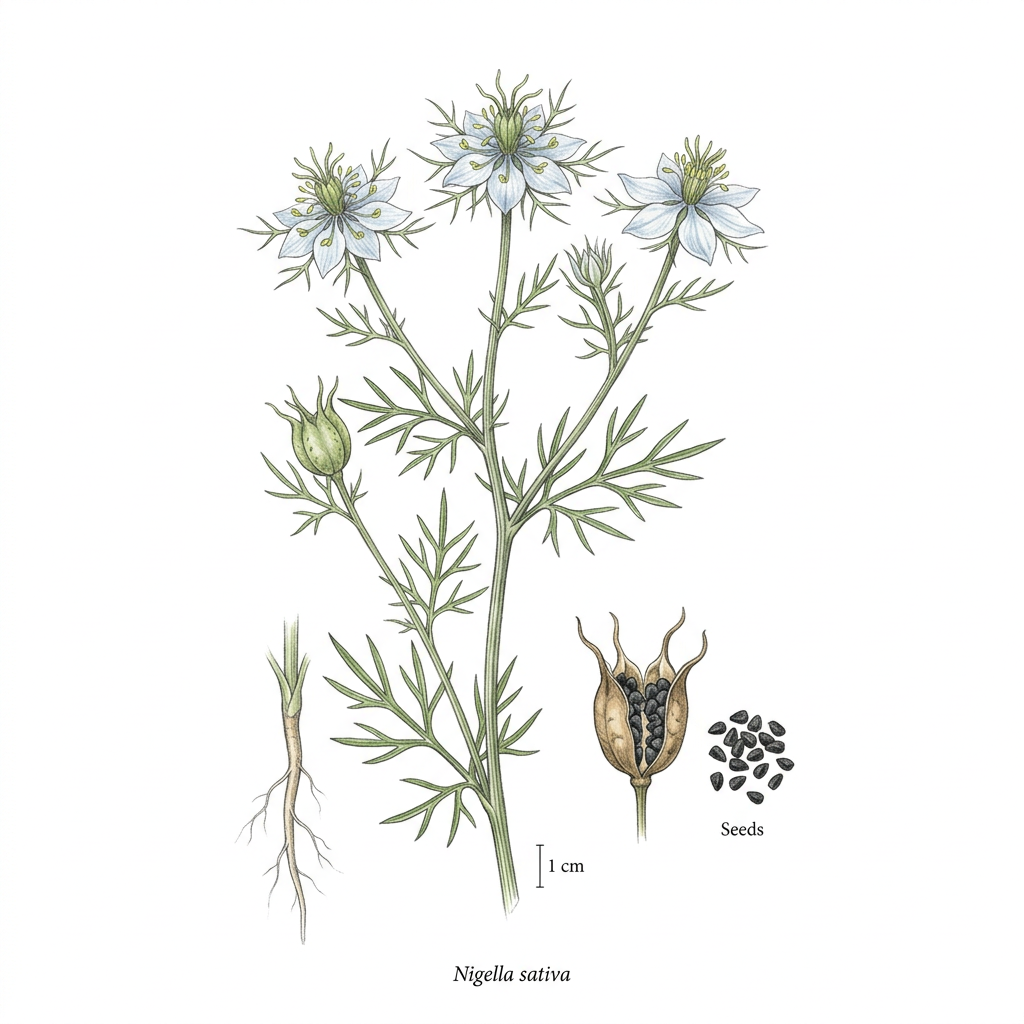
Black Cumin Seed
Nigella sativa
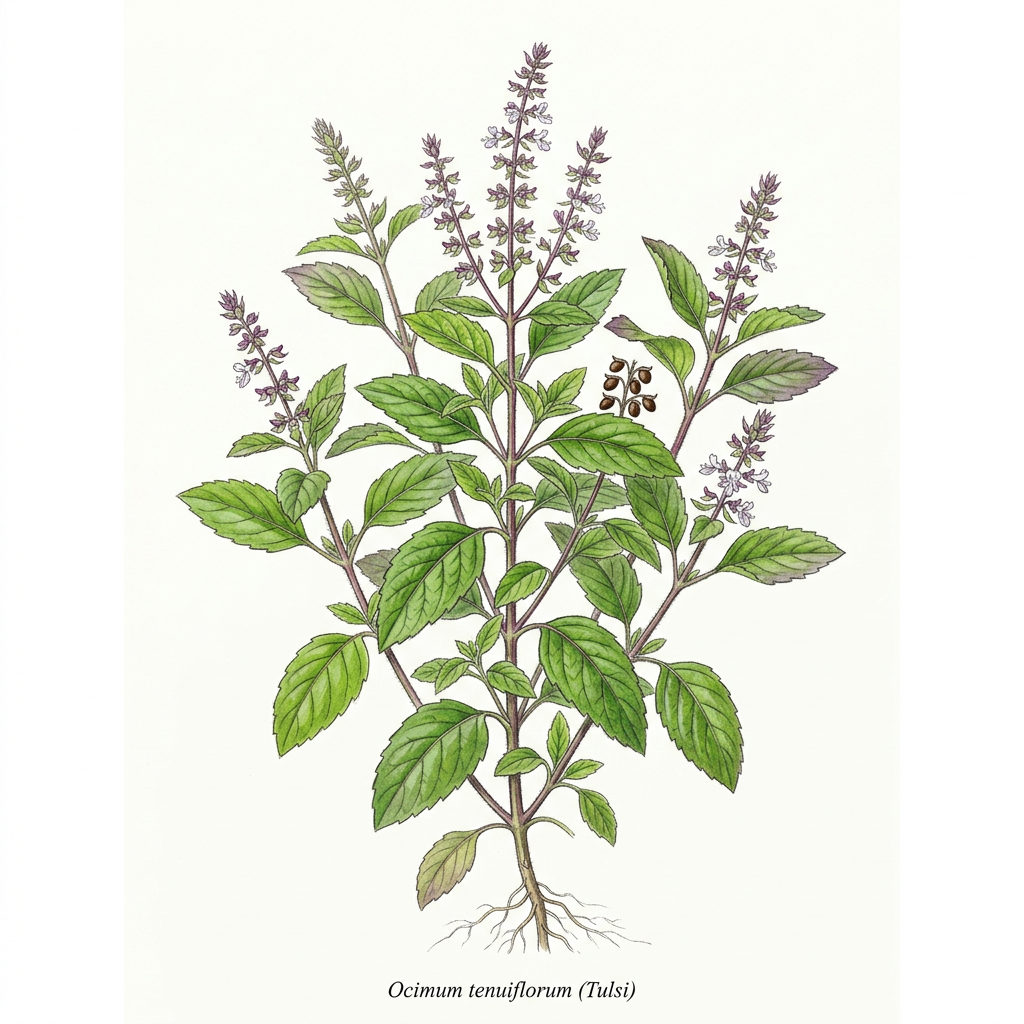
Holy Basil (Tulsi)
Ocimum tenuiflorum
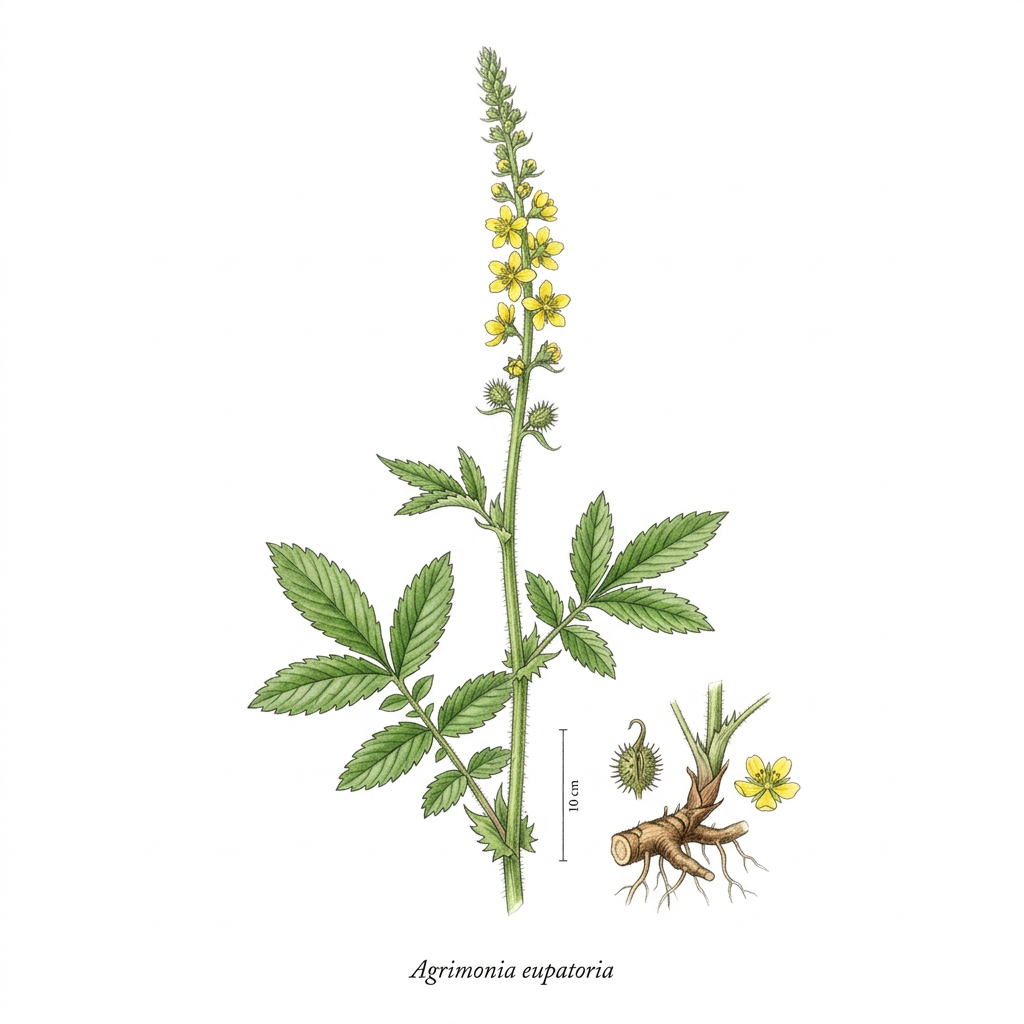
Agrimony
Agrimonia eupatoria
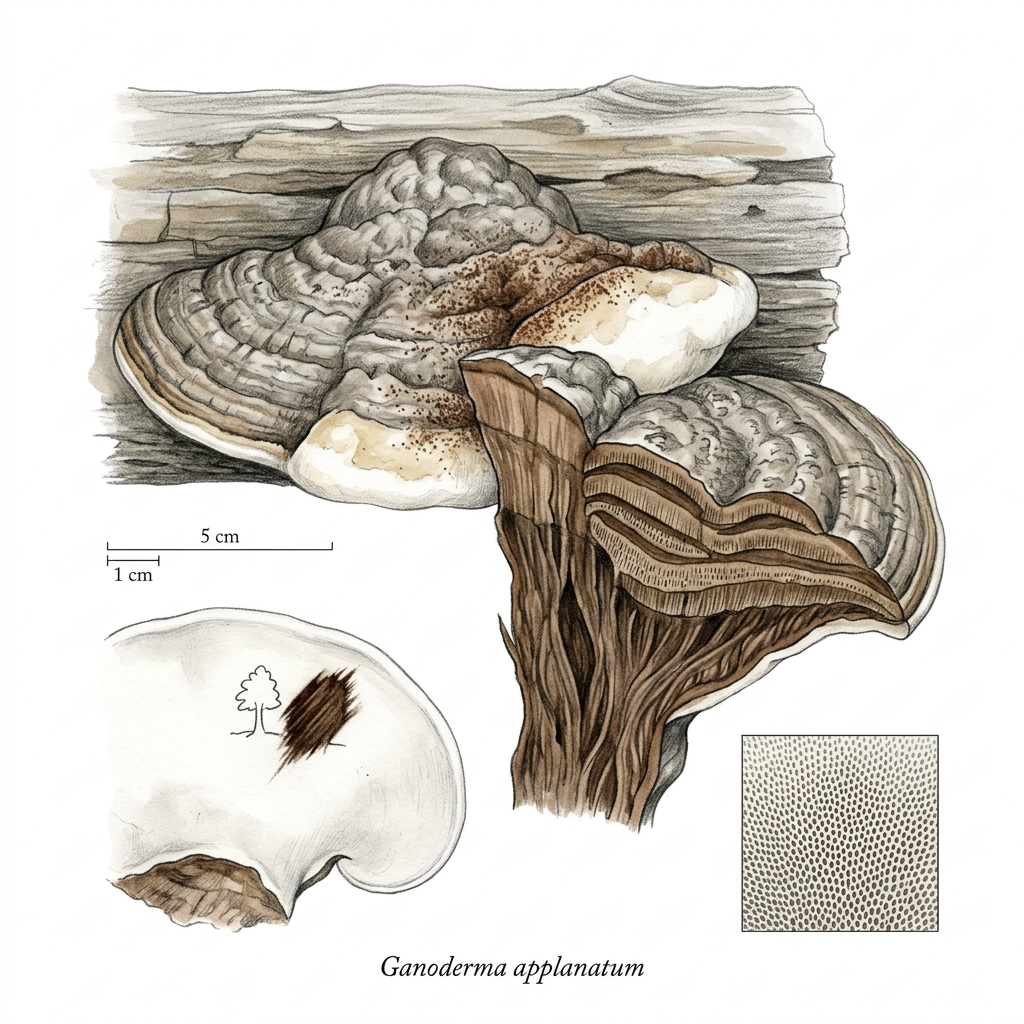
Artist's Conk
Ganoderma applanatum