The Wild Sage logo
The Wild Sage Logo

Herbal Medicine at your fingertips

Comprehensive database of herbal remedies with detailed safety information and traditional uses

New to herbal terms? Read the glossary →
ADHD
Abcess
Acid Reflux Relief
Acinetobacter
Acne
Acne Vulgaris
Addisons
Adenomyosis
Adenovirus
Adrenal fatigue
Aging
Aids
Alcaligenes faecalis
Alcoholism
Allergic Rhinitis
Allergies
Allergy
Alopoecia
Alopoecia nervosa
Alzheimer's, Dementia & Cognitive Decline
420 herbs found
Important: This information is for educational purposes only. Always consult with qualified healthcare professionals before using herbal remedies, especially if you have existing health conditions or take medications.
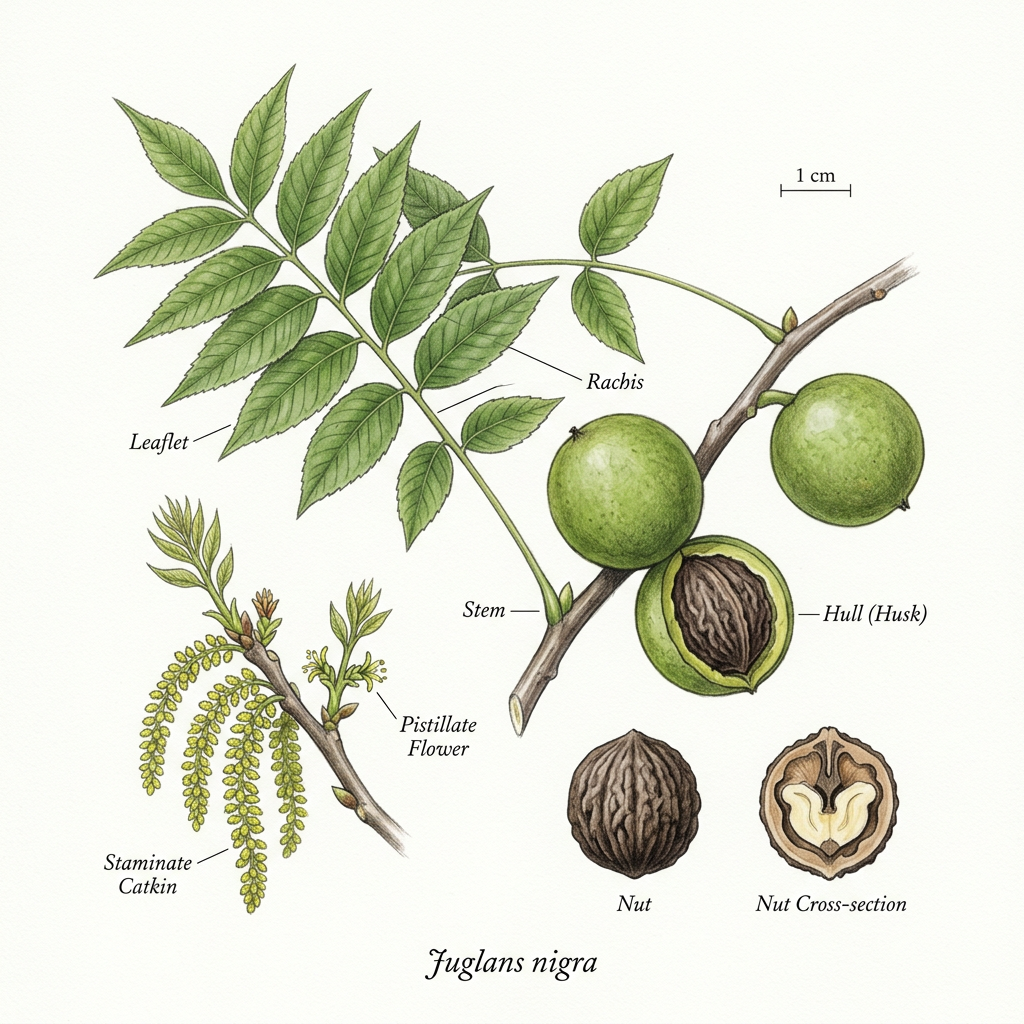
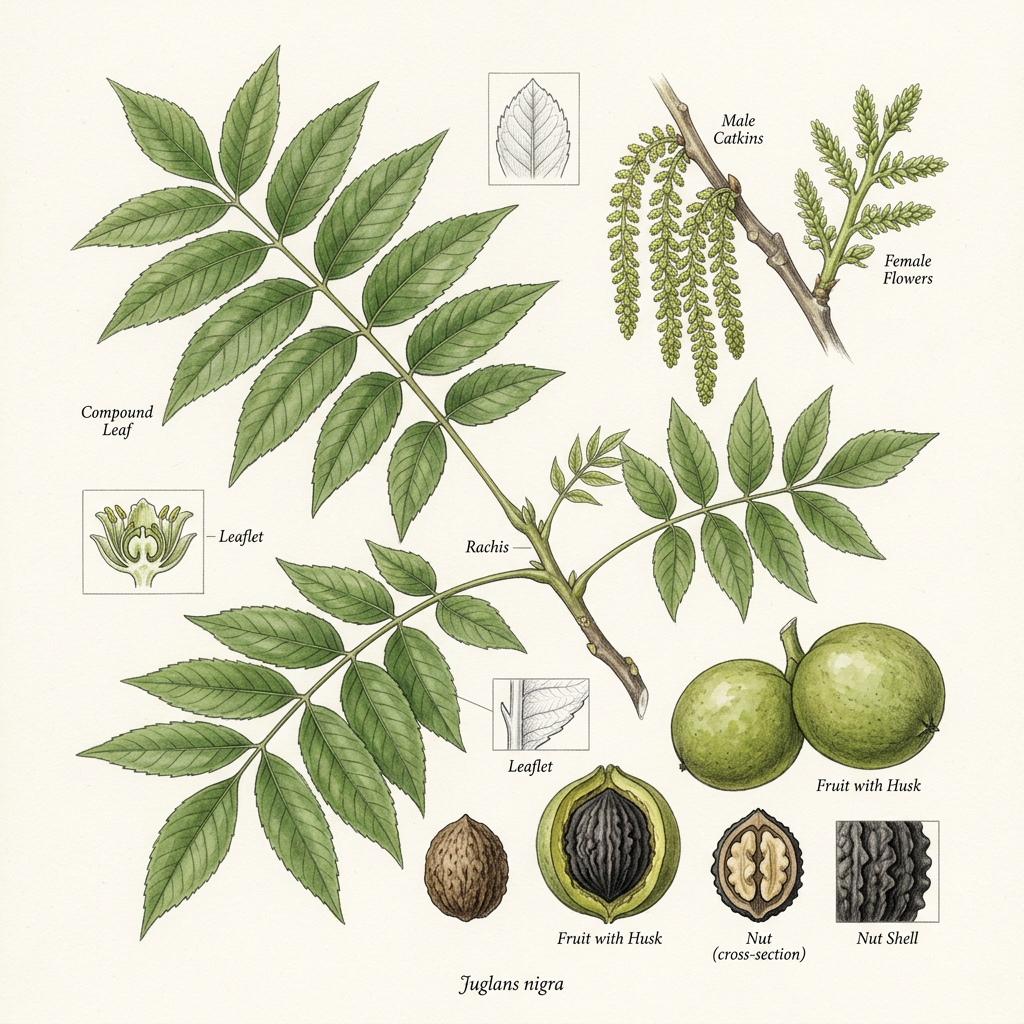
Black Walnut

Black Walnut

Juglans nigra

moderate risk Risk
Juglandaceae
Barrier buildnig, cleansing & expulsion
<p>Black Walnut, scientifically known as Juglans nigra, is a deciduous tree native to North America, recognized not only for its hard, rich timber but also for its medicinal properties. Traditionally, Indigenous peoples have utilized both the bark and the green hulls of the Black Walnut for centuries. Its use spans various applications, including the treatment of skin ailments, gastrointestinal discomforts, and, notably, parasitic infections. In folk medicine, the inner hulls have often been employed as a powerful remedy against tape and other intestinal parasites, making it a staple in many herbal traditions. **Therapeutic Properties and Benefits:** Black Walnut is renowned for its robust anti-parasitic and antifungal properties, primarily attributed to the presence of juglone, a compound found in its hulls. This potent phytochemical exhibits inhibitory effects against a variety of pathogens, including fungi and parasites, making it an invaluable ally in holistic health. In addition to its anti-parasitic actions, Black Walnut possesses astringent properties that aid in wound healing and skin conditions, offering topical relief when applied in tinctures or salves. Furthermore, it is believed to support digestive health and may contribute to the maintenance of microbial balance within the gut, assisting in the elimination of harmful pathogens while promoting a healthier microbiome. **Mechanism of Action:** The therapeutic efficacy of Black Walnut can be attributed to its multifaceted action within the body. The juglone and other bioactive compounds exert their anti-fungal and anti-parasitic effects by disrupting the cellular processes of target organisms, which interrupts their lifecycle and diminishes their capability to proliferate. This disruption often leads to the expulsion of parasites from the body while alleviating symptoms associated with infestations. Additionally, the astringent properties of the herb enhance tissue integrity and may reduce inflammation, promoting overall healing. Given its diverse beneficial actions, Black Walnut remains a prominent choice in herbal medicine for those seeking natural remedies for infections and other related health challenges.</p>

Uses & Conditions

Convalescence
Cognitive Performance
Microbial Balance
Parasitic Infections
Fungal Infections
Hypothyroidism
Brain Fog
Psoriasis
Acne
Multiple Sclerosis
Athlete's Foot
Boils
Gastrointestinal Discomfort
Wound Healing

Actions

Antioxidant
Cognitive Support
Antiseptic
Anti-parasitic
Anti-inflammatory
Myelin Sheath Restorative
Convalescent
NFkB Inhibitor
TNF-a Reduction
Anti-bacterial

Parts Used

Seeds/Hulls & Leaf

Native Countries

North America

USDA Hardiness Zones

USDA 3-10

Contraindications

  • Tinnitus
  • Use with antacids

Dosages, tincture ratios & research — members only

Unlock Garreth's dosing guidance, tincture ratios, the dosage calculator and the research studies for Black Walnut.

Your assessment and results stay saved — upgrading only unlocks more of them.

See membership plans

Community Photos

No community photos yet. Sign in to upload photos.

Reviews & Ratings

Sign in to leave a review.

No reviews yet. Be the first!

GF

Garreth Falls — B.Th., Dip. H.M., MNIMH

Content curated and reviewed by Garreth Falls, Consultant Medical Herbalist · The Wild Sage

Medical Disclaimer: This information is for educational purposes only and is not intended as medical advice. Always consult with qualified healthcare professionals before starting any herbal treatment.
Western tradition

Sustainability & quality

Abundant

Common tree in North America. Easy to source locally where available; ensure nuts/hulls are free from fungal rot.

Key constituents

Naphthoquinones: Juglone and plumbagin, Phenolic acids: Tannins, ellagic acid, Volatile oil, Flavonoids: Hyperoside and quercetin Minerals: Iodine, iron, potassium, sulphur, zinc

References

  1. British Herbal Pharmacopoeia 1983

Reviewed by Garreth, Medical Herbalist (MNIMH) · October 2026

Related conditions

Explore conditions where Black Walnut is traditionally used.

Related Herbs
Walnut

Walnut

Juglans nigra

Cognitive Support
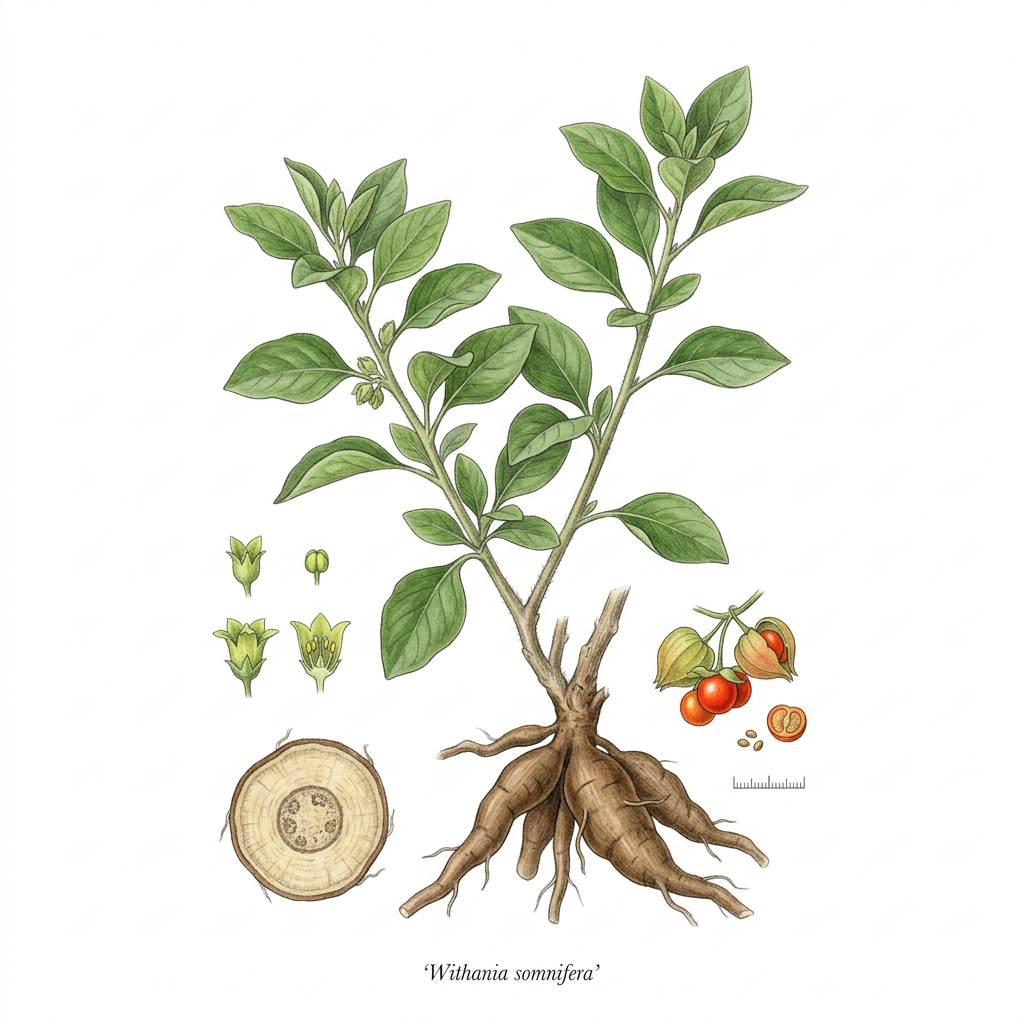
Ashwagandha

Ashwagandha

Withania somnifera

Immune Support
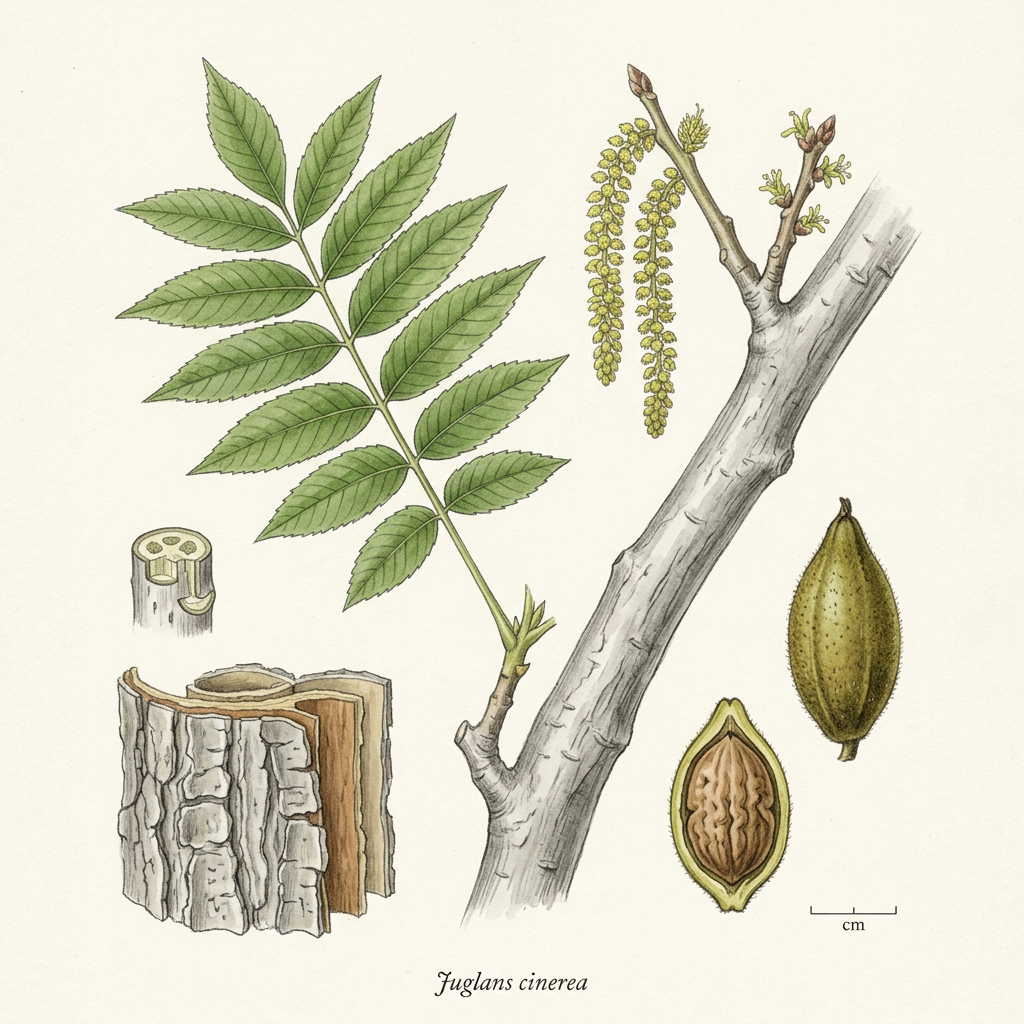
Butternut bark

Butternut bark

Juglans cinerea

Digestive Function Improvement
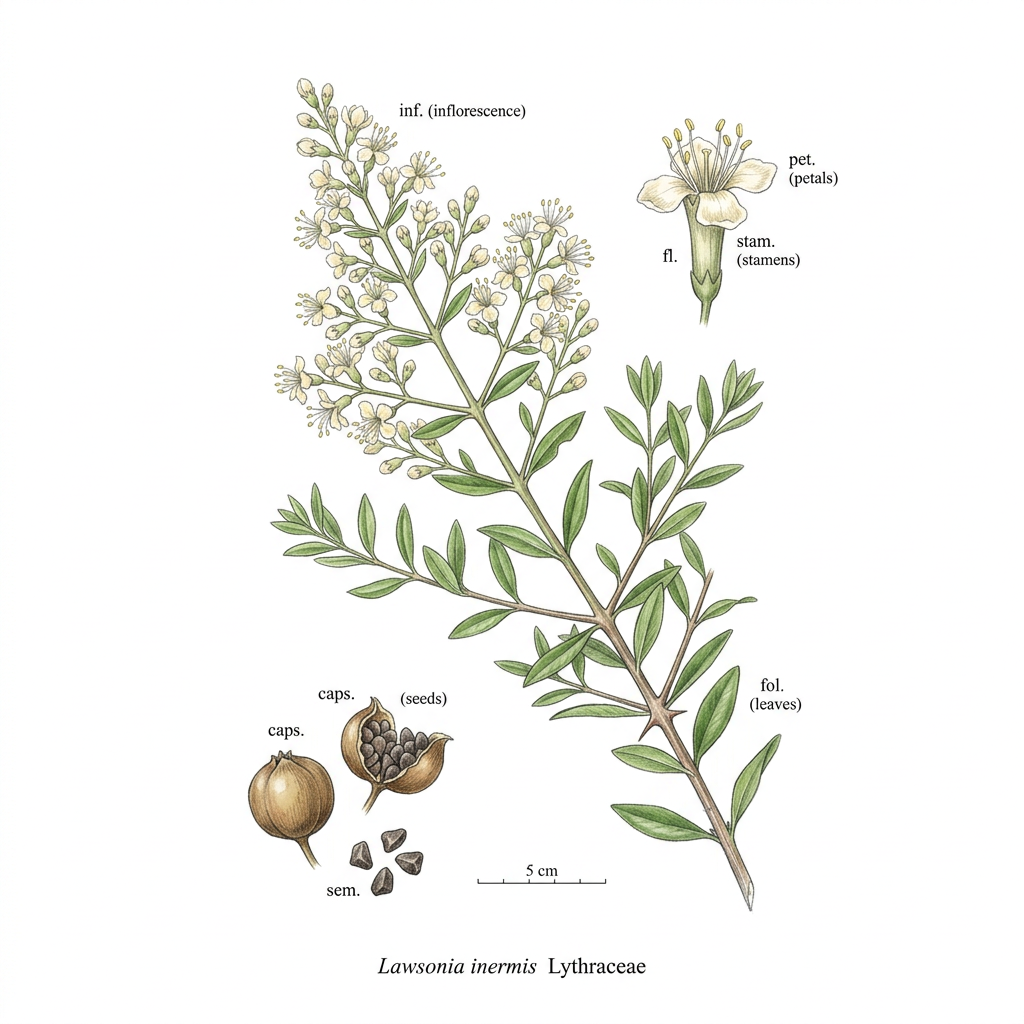
Henna

Henna

Lawsonia inermis

Hair conditioning