The Wild Sage logo
The Wild Sage Logo

Herbal Medicine at your fingertips

Comprehensive database of herbal remedies with detailed safety information and traditional uses

New to herbal terms? Read the glossary →
ADHD
Abcess
Acid Reflux Relief
Acinetobacter
Acne
Acne Vulgaris
Addisons
Adenomyosis
Adenovirus
Adrenal fatigue
Aging
Aids
Alcaligenes faecalis
Alcoholism
Allergic Rhinitis
Allergies
Allergy
Alopoecia
Alopoecia nervosa
Alzheimer's, Dementia & Cognitive Decline
420 herbs found
Important: This information is for educational purposes only. Always consult with qualified healthcare professionals before using herbal remedies, especially if you have existing health conditions or take medications.
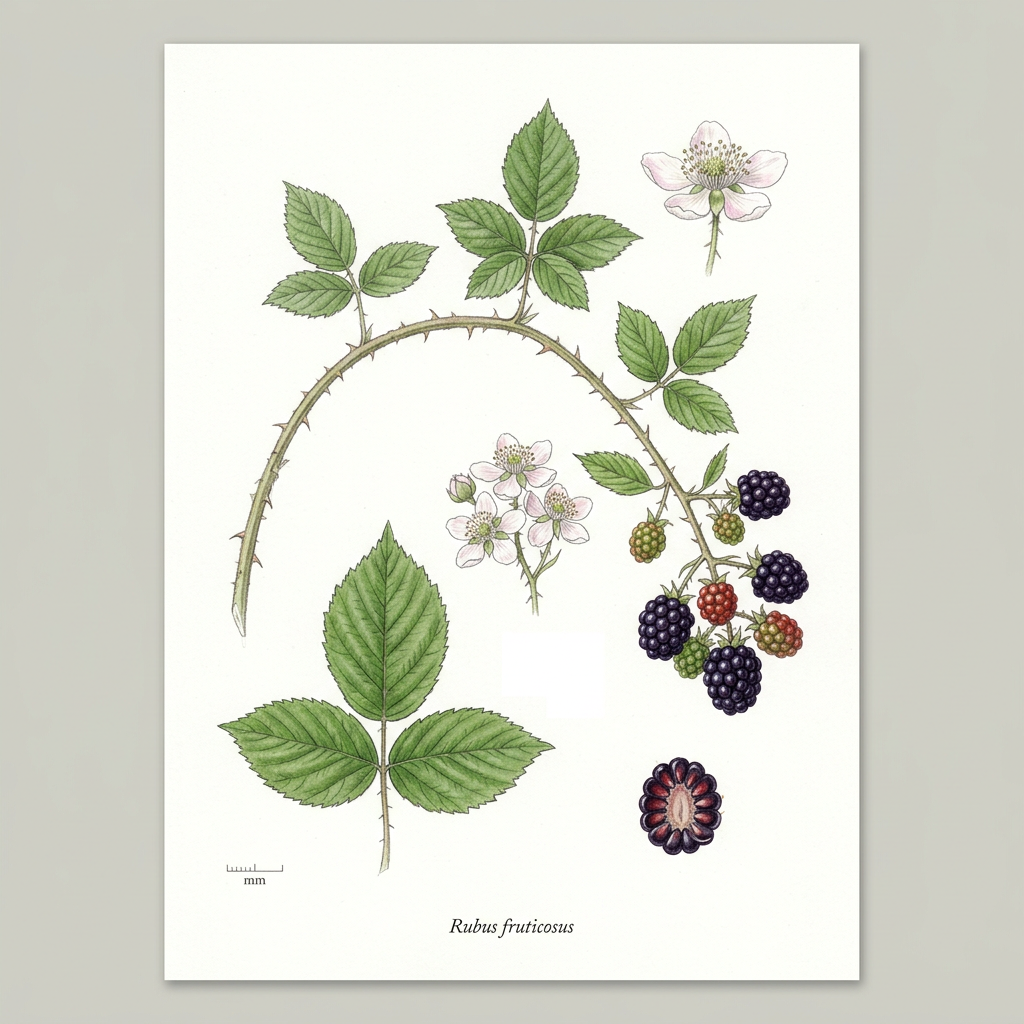
Blackberry

Blackberry

Rubus fruticosus

low risk Risk
Rosaceae
cooling, moistening, sweet.
<p>Blackberry, a member of the Rosaceae family, has been cherished for centuries not only for its delectable fruit but also for its myriad therapeutic applications. Traditionally, various cultures have utilized blackberry leaves, fruits, and roots in herbal medicine. The leaves were commonly brewed into teas consumed for their potential health benefits, while the berries were acknowledged for their high antioxidant content and were often used in folk remedies to treat ailments ranging from diarrhea to sore throats. Historical texts reveal that ancient herbalists valued blackberries for their astringent properties, making them an essential part of traditional medicine systems across Europe and North America. Modern scientific research supports many of these traditional uses, highlighting blackberry's remarkable health-promoting properties. Rich in anthocyanins, flavonoids, and other polyphenolic compounds, blackberry exhibits strong antioxidant characteristics that can help combat oxidative stress—a key contributor to chronic diseases, including cardiovascular disorders. Clinical evidence has categorized blackberry's effects on cardiovascular health as Tier 1, indicating robust efficacy; regular consumption, especially through standardized extracts (200-400 mg/day), has been linked to improved blood lipid profiles and reduced oxidative stress as evidenced by serum lipid levels. Moreover, the herb has shown promise in glycemic control, with moderate evidence supporting its use in managing diabetes mellitus through teas (1-2 cups daily) that help lower fasting glucose levels. Although its efficacy in obesity management is still under preliminary investigation, animal studies suggest potential benefits in reducing body weight and adipose tissue accumulation. The therapeutic effects of blackberry may be attributed to its multifaceted biochemical interactions within the body. The bioactive compounds found in blackberries work synergistically to inhibit inflammation and oxidative stress pathways, such as the NFkB signaling pathway, which is critical in maintaining cellular health and regulating inflammatory responses. Additionally, blackberry's tannins and polyphenols contribute to its astringent properties, promoting digestive health and overall gut function. Despite its numerous benefits, caution is advised for specific populations, including those on anticoagulant therapies and pregnant individuals, necessitating careful monitoring of interactions. As research continues to unfold, blackberry stands out not only as a delicious fruit but also as a promising herbal ally for health and wellness.</p>

Uses & Conditions

Cardiovascular support
Metabolic support
Digestive support
Diabetes Mellitus
Obesity
Digestive disorders
Bleeding disorders

Actions

Antioxidant
Cardiometabolic
NFkB inhibitor
TNF-a reduction
Astringent

Parts Used

Leaves
Root bark
Fruit

Native Countries

Western Europe

USDA Hardiness Zones

5-9

Contraindications

  • Chronic constipation due to tannin content
  • Severe iron-deficiency anaemia
  • Pregnancy: use only under professional guidance
  • Recent gastrointestinal surgery or active ulceration

Potential Side Effects

  • Mild gastrointestinal upset or nausea when taken on an empty stomach
  • Dry mouth or throat tightness following frequent use as a gargle

Interactions

  • Iron supplements: high tannin content may reduce absorption
  • Anticoagulants and antiplatelet drugs: theoretical risk of additive effects due to salicylates
  • Prescription medicines: high tannin concentrations may affect absorption; space doses by at least two hours

Dosages, tincture ratios & research — members only

Unlock Garreth's dosing guidance, tincture ratios, the dosage calculator and the research studies for Blackberry.

Your assessment and results stay saved — upgrading only unlocks more of them.

See membership plans

Community Photos

No community photos yet. Sign in to upload photos.

Reviews & Ratings

Sign in to leave a review.

No reviews yet. Be the first!

GF

Garreth Falls — B.Th., Dip. H.M., MNIMH

Content curated and reviewed by Garreth Falls, Consultant Medical Herbalist · The Wild Sage

Medical Disclaimer: This information is for educational purposes only and is not intended as medical advice. Always consult with qualified healthcare professionals before starting any herbal treatment.
Western tradition

Sustainability & quality

Abundant

Extremely common. Harvest leaves during the growing season from non-spray zones.

Key constituents

Blackberry extract, Rubus fructicosus, Blackberry compounds, flavonoids, Anthocyanins, Vitamins

References

  1. British Herbal Pharmacopoeia 1983
  2. Herbal Reality. Herb monographs. herbalreality.com

Reviewed by Garreth, Medical Herbalist (MNIMH) · October 2026

Related conditions

Explore conditions where Blackberry is traditionally used.

Related Herbs
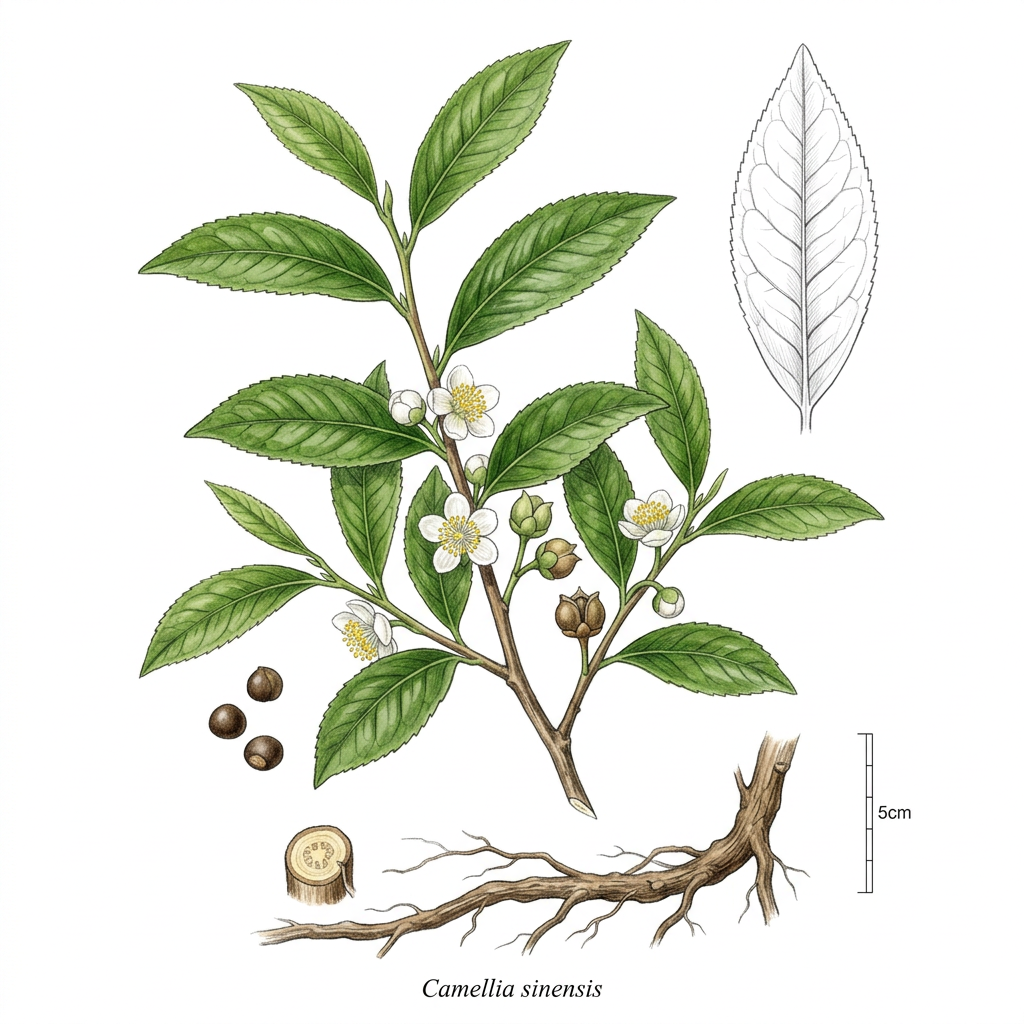
Green Tea

Green Tea

Camellia sinensis

Hypertension
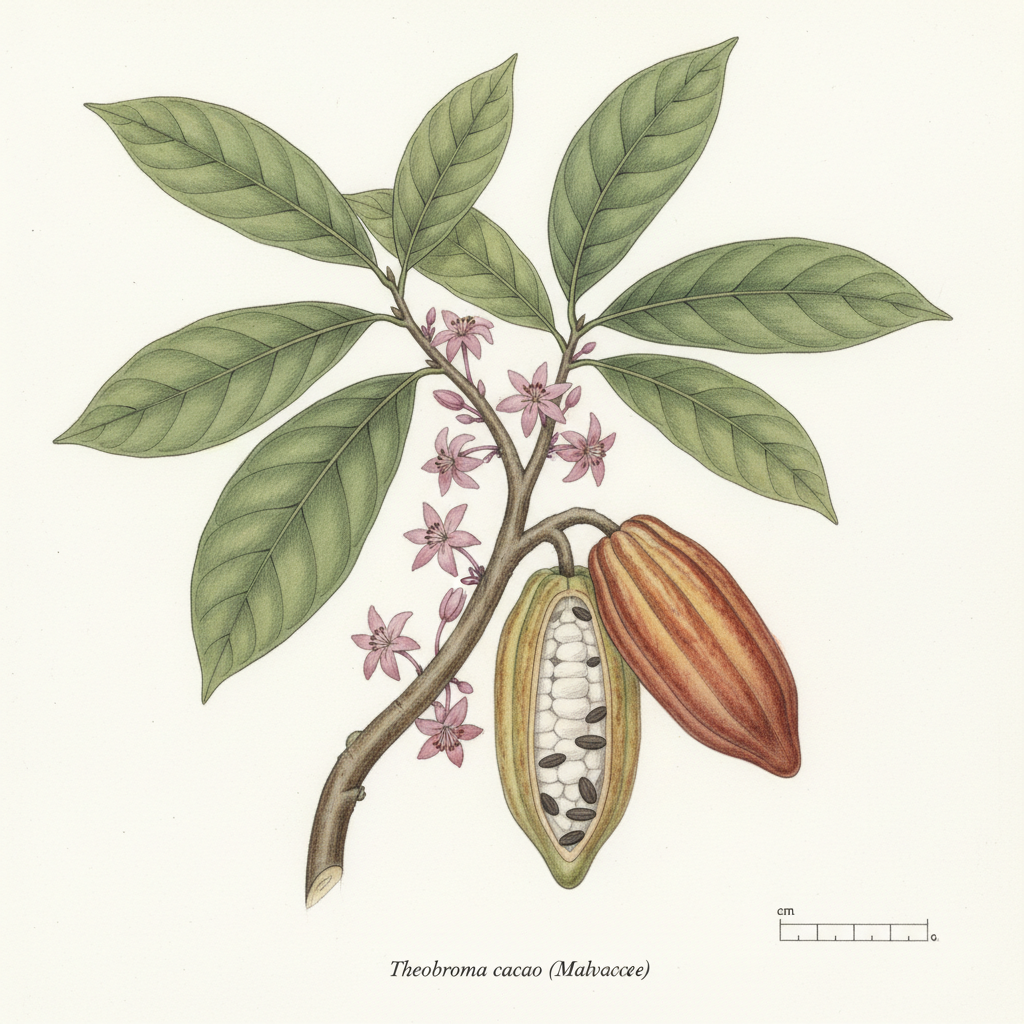
Cacao

Cacao

Theobroma cacao

Cognitive Enhancement
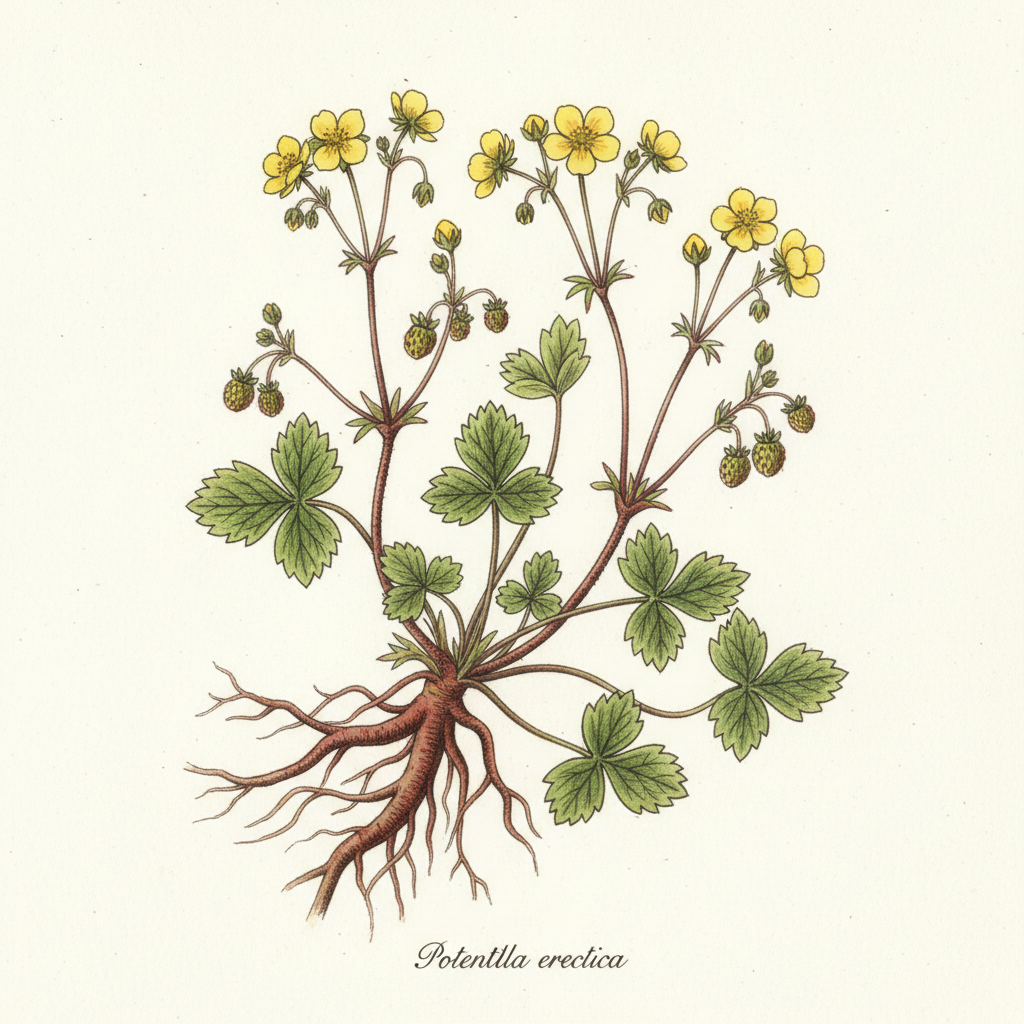
Tormentil

Tormentil

Potentilla erecta

Digestive Aid
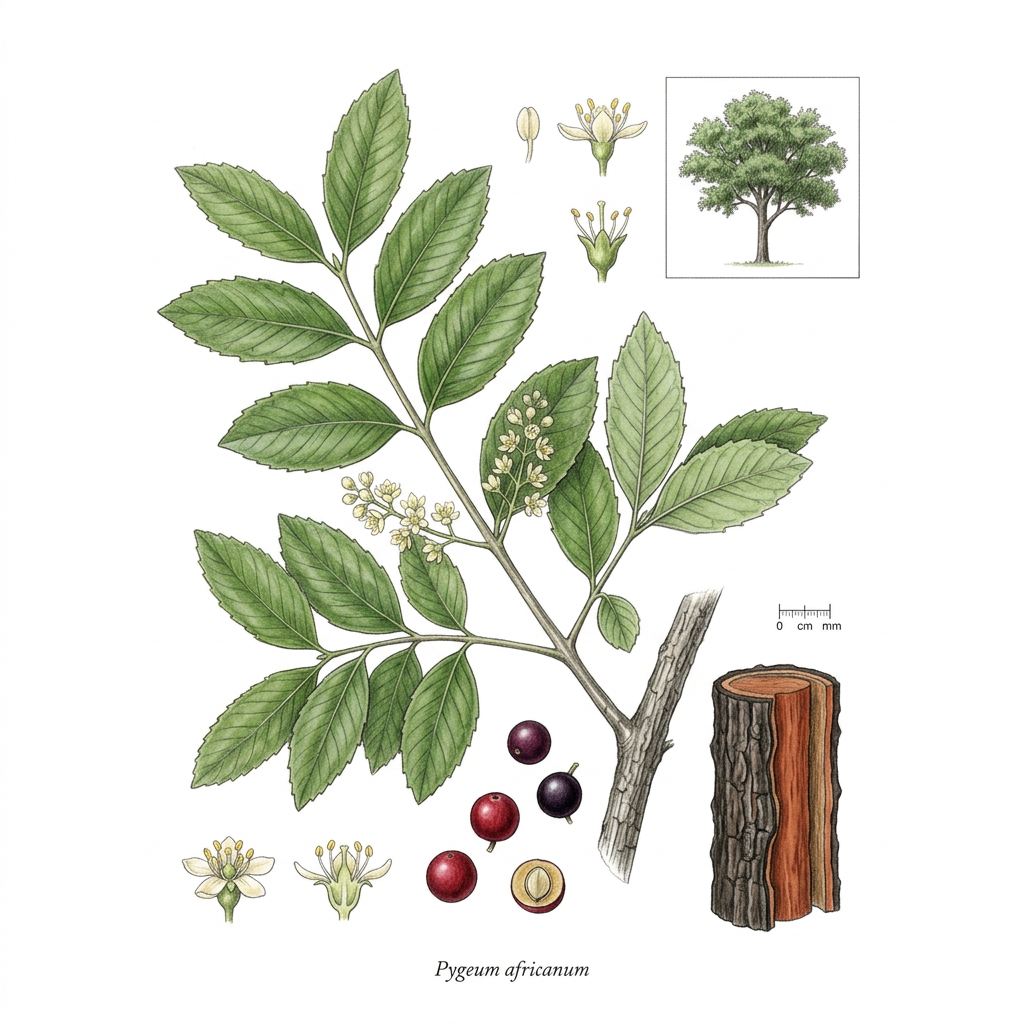
African Plum Tree

African Plum Tree

Pygeum africanum

Prostate Health