The Wild Sage logo
The Wild Sage Logo

Herbal Medicine at your fingertips

Comprehensive database of herbal remedies with detailed safety information and traditional uses

New to herbal terms? Read the glossary →
ADHD
Abcess
Acid Reflux Relief
Acinetobacter
Acne
Acne Vulgaris
Addisons
Adenomyosis
Adenovirus
Adrenal fatigue
Aging
Aids
Alcaligenes faecalis
Alcoholism
Allergic Rhinitis
Allergies
Allergy
Alopoecia
Alopoecia nervosa
Alzheimer's, Dementia & Cognitive Decline
420 herbs found
Important: This information is for educational purposes only. Always consult with qualified healthcare professionals before using herbal remedies, especially if you have existing health conditions or take medications.
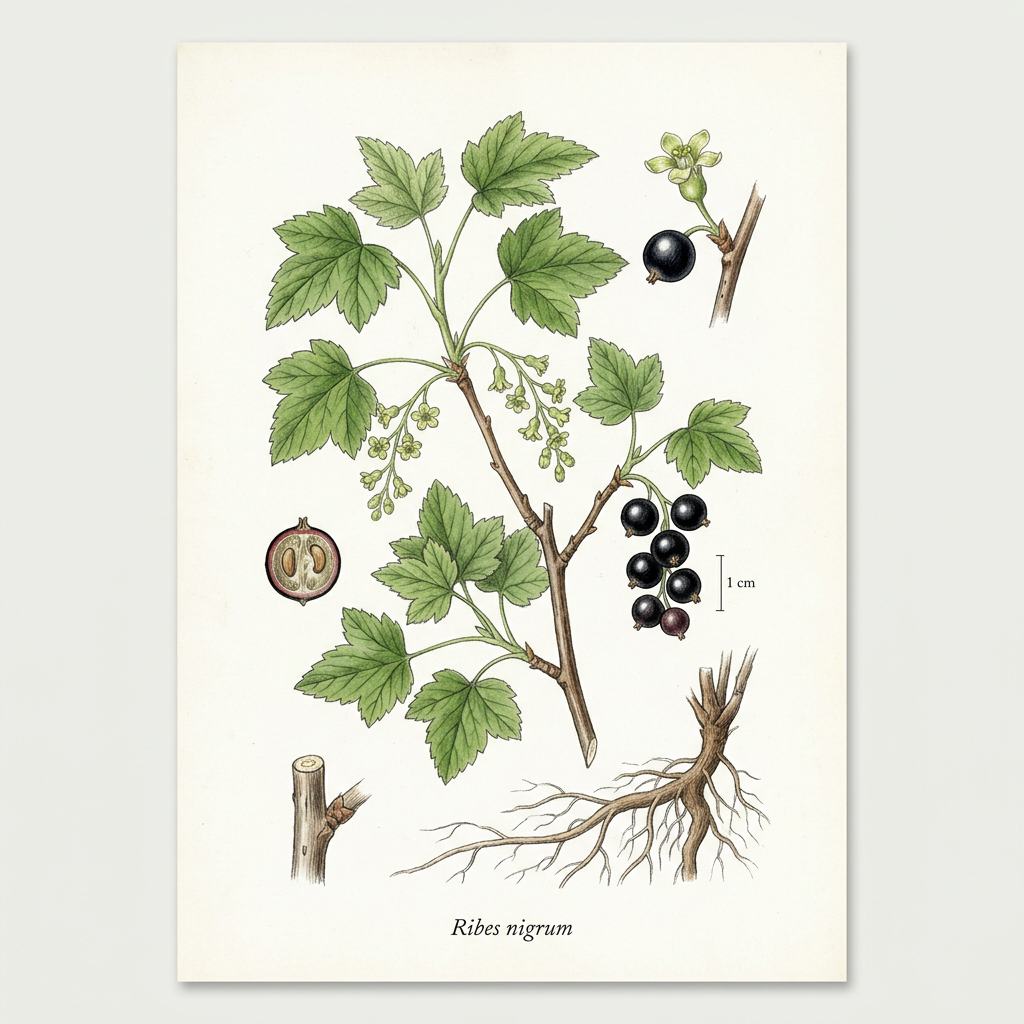
Blackcurrant

Blackcurrant

Ribes nigrum

low risk Risk
Grossulariaceae
Promotes emotional balance, vitality, and mental clarity; has moist, cool, and sweet cooling anti-inflammatory properties.
<p>Blackcurrant, scientifically known as Ribes nigrum, is a deciduous shrub native to Europe and parts of Asia. Historically, this herb has been revered not only for its delightful tart berries but also for its therapeutic properties, which have been utilized in traditional herbal medicine for centuries. In medieval Europe, blackcurrants were often incorporated into folk remedies for a variety of ailments, and their popularity surged during World War II due to their rich vitamin C content, which is believed to bolster immune function. Indigenous populations also employed blackcurrant leaves and berries for their medicinal value, highlighting the herb’s deep-rooted connection to traditional healing practices. In contemporary herbalism, blackcurrant is primarily recognized for its supportive role in adrenal function, making it particularly beneficial for individuals experiencing fatigue, stress, or adrenal burnout. The herb boasts an impressive array of potent anti-inflammatory properties, attributed to its high concentration of anthocyanins, flavonoids, and essential fatty acids. These compounds act synergistically to alleviate inflammation and may also provide relief for allergy sufferers by modulating histamine release. Furthermore, blackcurrant is known to support cardiovascular health, promote skin wellness, and enhance overall vitality by improving circulation and nutrient absorption. The mechanisms through which blackcurrant exerts its effects in the body are multifaceted. The active compounds, including gamma-linolenic acid (GLA), work not only to reduce systemic inflammation but also to modulate hormonal balance, particularly in relation to stress responses linked to adrenal function. The anthocyanins found in blackcurrant are known to enhance capillary strength and improve blood flow, which can contribute to increased energy levels and better overall health. Additionally, the herb’s natural antioxidant properties combat oxidative stress, further supporting the body’s resilience against chronic health conditions. In essence, blackcurrant serves as a powerful ally in promoting wellness, making it a valuable addition to any herbal regimen aimed at enhancing vitality and maintaining balance within the body.</p>

Uses & Conditions

Adrenal Support
Antioxidant Support
Energy Levels
Vitality Enhancement
Nutrient Absorption
Skin Wellness
Allergies
Inflammation
Cardiovascular Disease
Rheumatoid Arthritis
Rheumatism
Fatigue
Stress
Adrenal Burnout
Oxidative Stress
Hormonal Balance

Actions

Anti-inflammatory
Antioxidant
TNF-a Inhibitor
NFkB Inhibitor
Cardiometabolic Agent

Parts Used

leaf

Native Countries

Europe

USDA Hardiness Zones

3-11

Contraindications

  • Pregnancy and breastfeeding
  • Known allergy to plants in the Grossulariaceae family
  • Pre-operative: discontinue at least two weeks before surgery
  • Severe hypertension
  • Oedema associated with heart or kidney dysfunction

Potential Side Effects

  • Occasional mild gastrointestinal upset
  • Potential mild laxative effect in large quantities
  • Rare allergic skin reactions upon topical application

Interactions

  • Anticoagulants and antiplatelet drugs: theoretical increased risk of bleeding
  • Diuretics: potential additive effect on fluid excretion
  • Antihypertensive medication: potential additive lowering of blood pressure

Dosages, tincture ratios & research — members only

Unlock Garreth's dosing guidance, tincture ratios, the dosage calculator and the research studies for Blackcurrant.

Your assessment and results stay saved — upgrading only unlocks more of them.

See membership plans

Community Photos

No community photos yet. Sign in to upload photos.

Reviews & Ratings

Sign in to leave a review.

No reviews yet. Be the first!

GF

Garreth Falls — B.Th., Dip. H.M., MNIMH

Content curated and reviewed by Garreth Falls, Consultant Medical Herbalist · The Wild Sage

Medical Disclaimer: This information is for educational purposes only and is not intended as medical advice. Always consult with qualified healthcare professionals before starting any herbal treatment.
Western tradition

Sustainability & quality

Abundant

Commonly grown in gardens and smallholdings. High quality is readily available through organic cultivation.

Key constituents

Anthocyanins (delphinidin, cyanidin), Flavonoids (quercetin, kaempferol glycosides), Vitamin C (ascorbic acid), Gamma-linolenic acid (in seed oil), Proanthocyanidins, Tannins, Phenolic acids, Triterpenoids

References

  1. ESCOP Monographs 2nd ed. 2003
  2. Herbal Reality. Herb monographs. herbalreality.com

Reviewed by Garreth, Medical Herbalist (MNIMH) · October 2026

Related conditions

Explore conditions where Blackcurrant is traditionally used.

Related Herbs
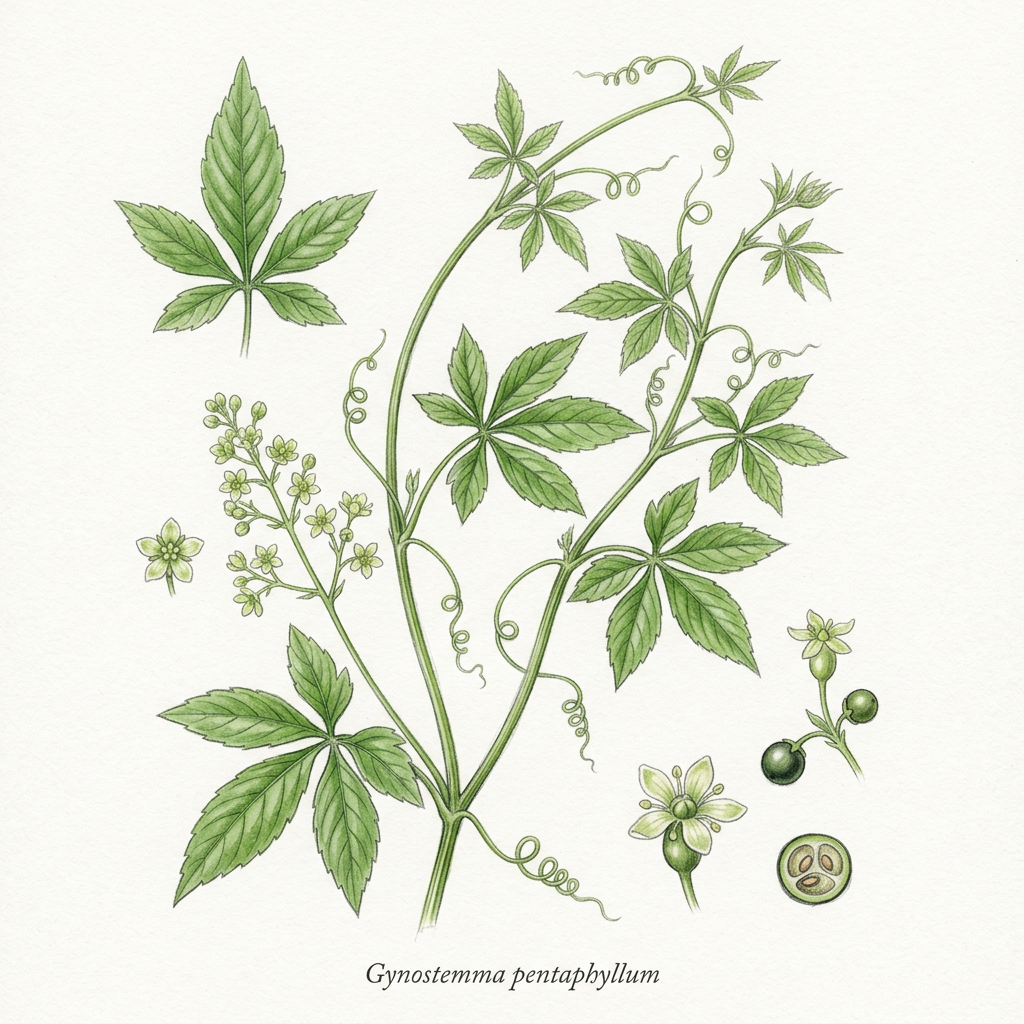
Gynostemma

Gynostemma

Gynostemma pentaphyllum

Adaptogen
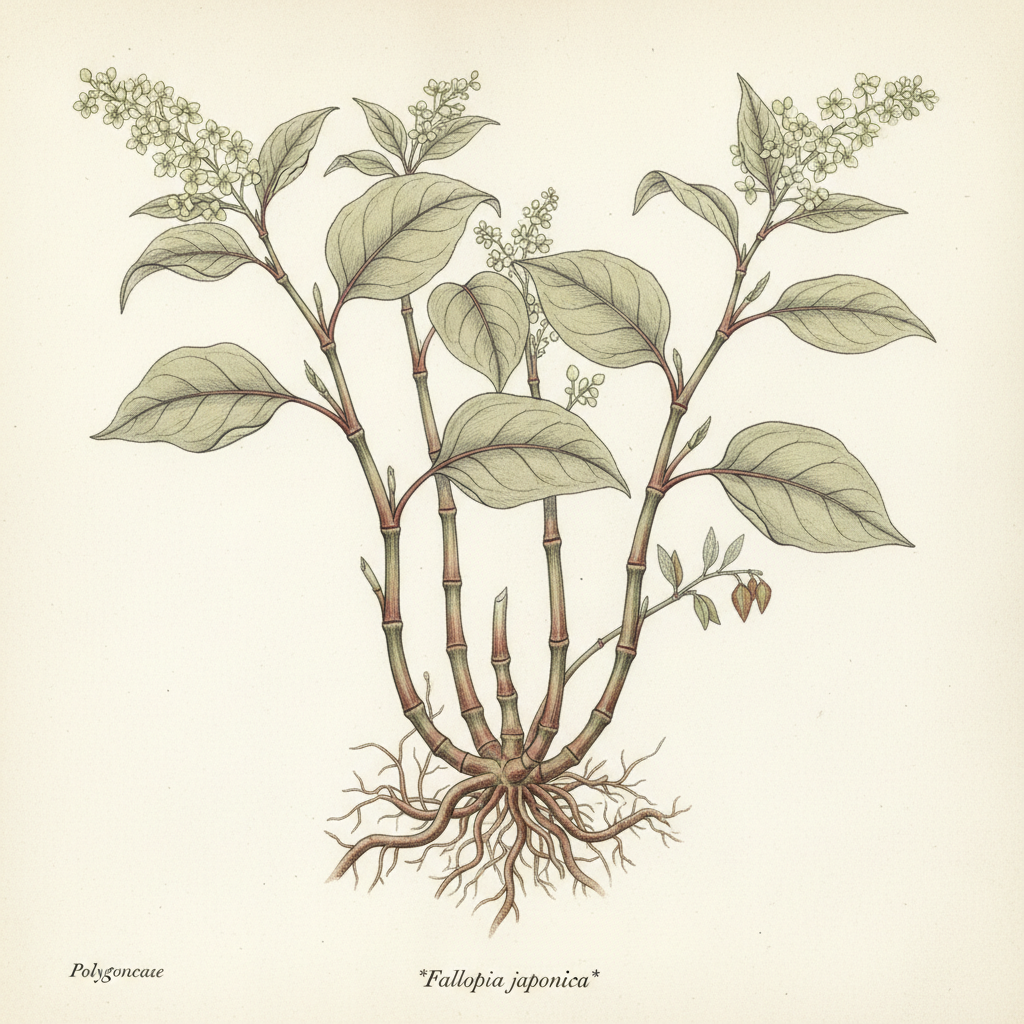
Japanese Knotweed

Japanese Knotweed

Fallopia japonica

Immune Support
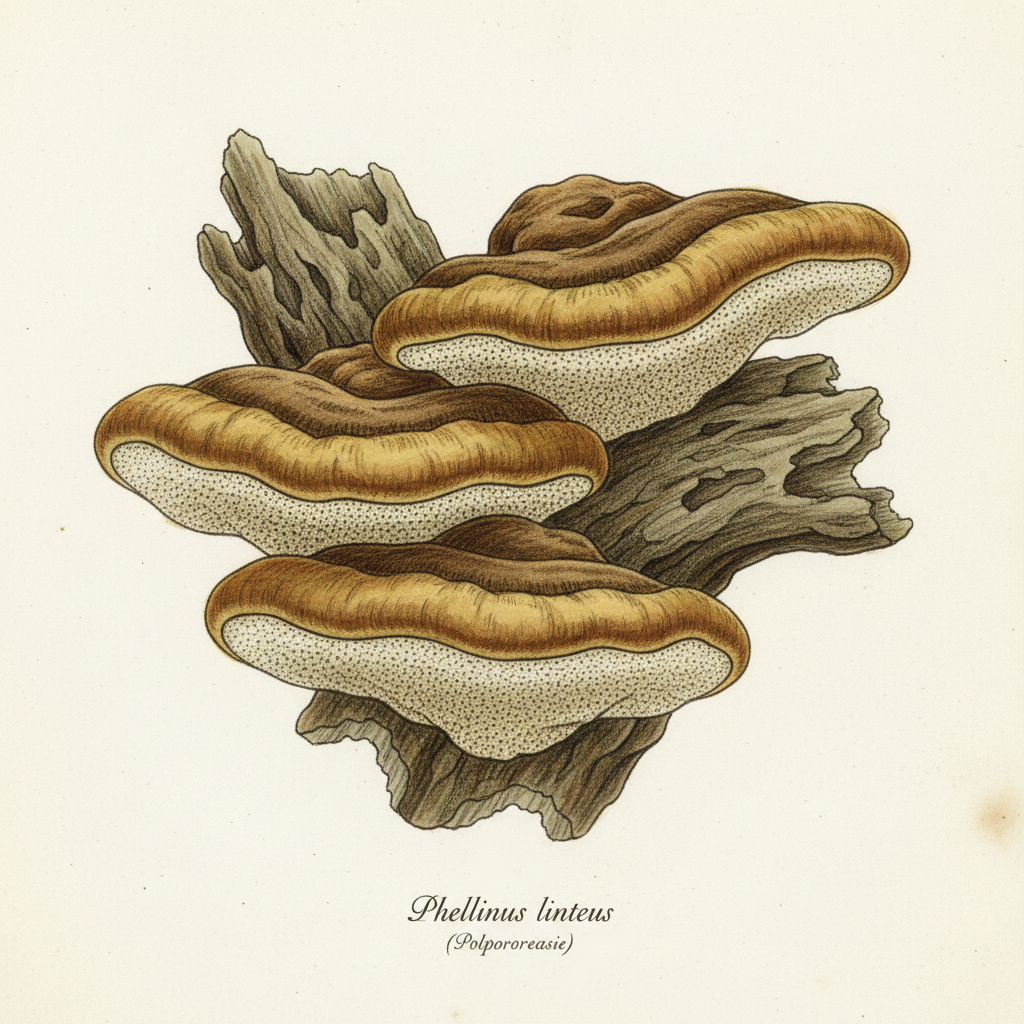
Phellinus linteus

Phellinus linteus

Phellinus linteus

Immune Support
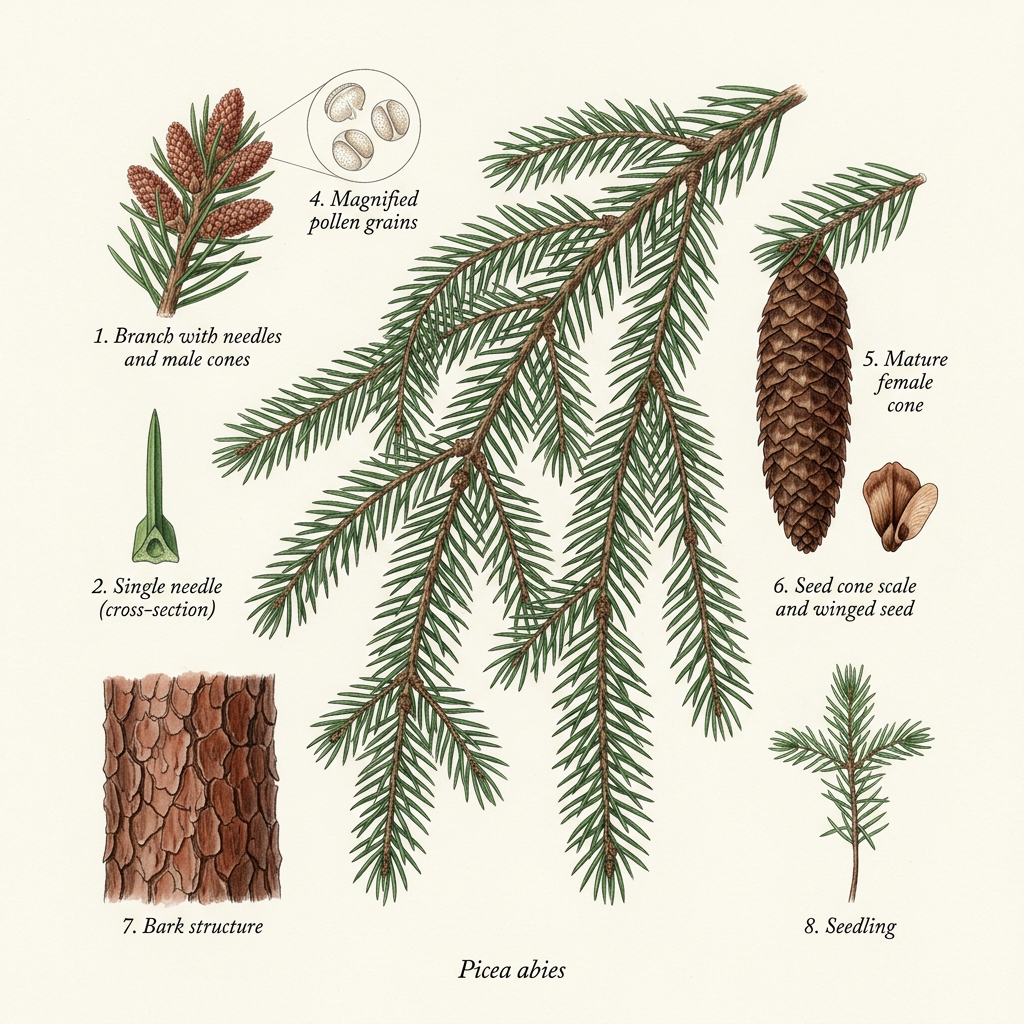
Pine

Pine

Picea abies

Testosterone Support