The Wild Sage logo
The Wild Sage Logo

Herbal Medicine at your fingertips

Comprehensive database of herbal remedies with detailed safety information and traditional uses

New to herbal terms? Read the glossary →
ADHD
Abcess
Acid Reflux Relief
Acinetobacter
Acne
Acne Vulgaris
Addisons
Adenomyosis
Adenovirus
Adrenal fatigue
Aging
Aids
Alcaligenes faecalis
Alcoholism
Allergic Rhinitis
Allergies
Allergy
Alopoecia
Alopoecia nervosa
Alzheimer's, Dementia & Cognitive Decline
420 herbs found
Important: This information is for educational purposes only. Always consult with qualified healthcare professionals before using herbal remedies, especially if you have existing health conditions or take medications.
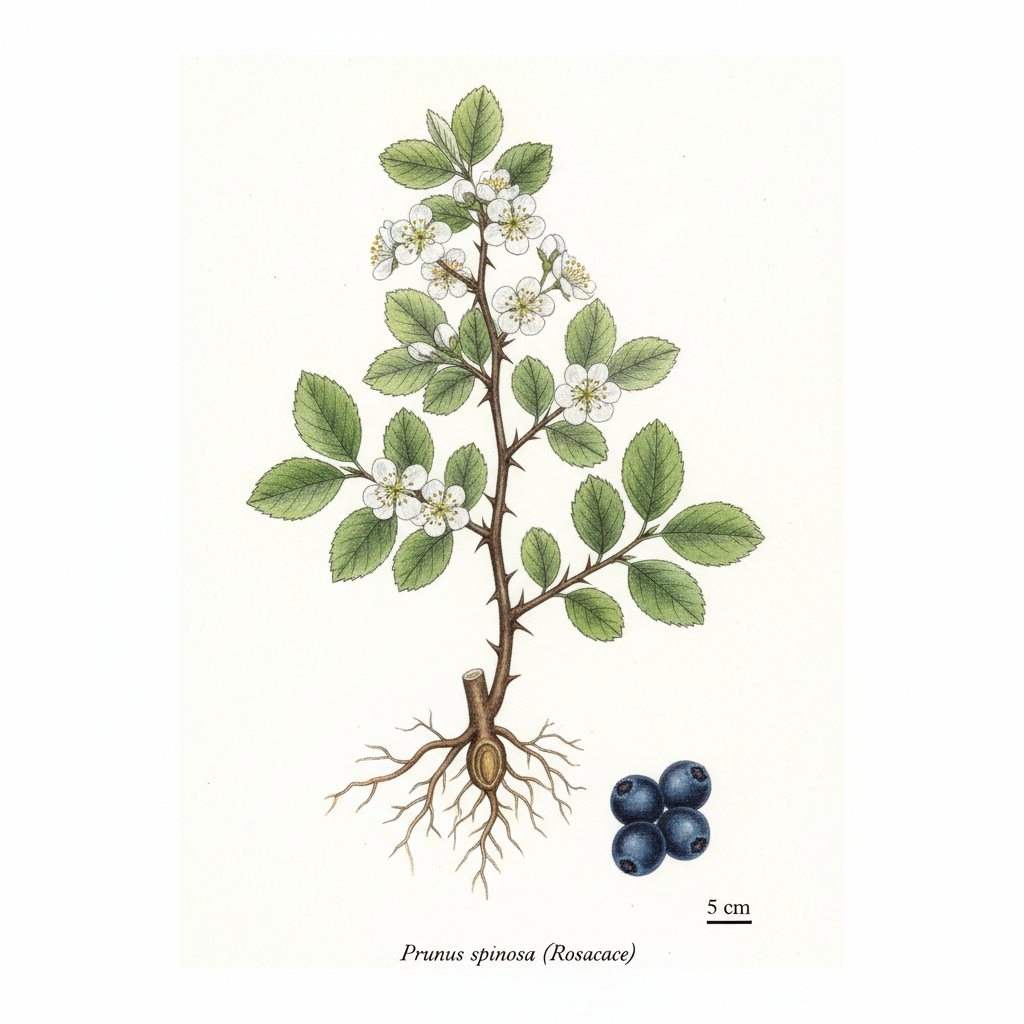
Blackthorn

Blackthorn

Prunus spinosa

low risk Risk
Rosaceae
Bitter and astringent; slightly warming, consolidating for cold/damp stagnation and immune deficiency.
<p>This is a deciduous shrub native to Europe and Western Asia, historically revered for both its medicinal properties and its role in traditional folk practices. Commonly found in hedgerows and as wild undergrowth, Blackthorn is characterized by its thorny branches and beautiful white blossoms that herald the arrival of spring. Traditionally, the fruit—known as sloes—has been used to make various foods and beverages, notably sloe gin, while the bark and leaves have been utilized in herbal medicine for centuries. Blackthorn's reputation in the realm of herbalism centers on its anti-inflammatory and astringent properties, with historical records indicating its use for ailments ranging from digestive disturbances to joint pain. The therapeutic potential of Blackthorn is underscored by its rich composition, which includes flavonoids and tannins that contribute to its anti-inflammatory and antioxidant effects. Recent research supports its primary uses in managing osteoarthritis, where standardized extracts have shown significant effectiveness in reducing pain and enhancing joint function, as measured by validated scales such as the WOMAC. Additionally, Blackthorn is emerging as a promising remedy for dyspeptic symptoms, with tea preparations yielding notable relief from bloating and discomfort. Its anti-inflammatory actions extend to chronic inflammation conditions by lowering inflammatory markers such as C-reactive protein (CRP) through tincture applications. Blackthorn has also demonstrated promise in alleviating symptoms associated with gout and irritable bowel syndrome, highlighting its capacity as a multifaceted herbal remedy. Blackthorn's mechanisms of action involve modulating inflammatory pathways within the body. The herb inhibits key pro-inflammatory cytokines such as TNF-alpha and roles in inhibiting the NF-kB pathway, contributing to a reduction in systemic inflammation. This herbal ally may help restore balance in the body’s immune response, promoting digestive health and supporting joint function. Nonetheless, further studies are necessary to refine dosage recommendations and ascertain the full spectrum of its safety profile, particularly in individuals with specific health conditions or those on concurrent medications. With its long-standing traditional use and evidence-backed therapeutic properties, Blackthorn embodies the potential of herbal medicine in contemporary practice, inviting continued exploration and appreciation within the field.</p>

Uses & Conditions

Digestive health
Immune support
Hepatic support
Osteoarthritis
Dyspepsia
Chronic inflammation
Gout
Irritable bowel syndrome
Respiratory infections
Joint pain
Bloating
Abdominal pain
Skin irritation

Actions

Anti-inflammatory
Digestive aid
Astringent
Hepatic

Parts Used

Flowers
Fruit (Sloes)
Bark
Leaves

Native Countries

United Kingdom
France
Germany
Italy
Spain

USDA Hardiness Zones

5
6
7
8

Contraindications

  • Pregnancy: avoid due to potential uterine stimulant effects.
  • Breastfeeding: avoid due to insufficient safety research.
  • Chronic kidney or liver disease: consult a practitioner before use.
  • Pre-surgery: cease use at least two weeks before elective surgery.
  • Acute bowel obstruction: avoid internal use until medical evaluation is complete.

Potential Side Effects

  • Mild gastrointestinal upset or nausea.
  • Occasional contact dermatitis from topical use.
  • Constipation due to high tannin content.

Interactions

  • Anticoagulants or antiplatelet drugs: theoretical risk of increased bleeding.
  • NSAIDs: potential additive effect on anti-inflammatory pathways.
  • Iron supplements: high tannin content may inhibit absorption of non-heme iron.

Dosages, tincture ratios & research — members only

Unlock Garreth's dosing guidance, tincture ratios, the dosage calculator and the research studies for Blackthorn.

Your assessment and results stay saved — upgrading only unlocks more of them.

See membership plans

Community Photos

No community photos yet. Sign in to upload photos.

Reviews & Ratings

Sign in to leave a review.

No reviews yet. Be the first!

GF

Garreth Falls — B.Th., Dip. H.M., MNIMH

Content curated and reviewed by Garreth Falls, Consultant Medical Herbalist · The Wild Sage

Medical Disclaimer: This information is for educational purposes only and is not intended as medical advice. Always consult with qualified healthcare professionals before starting any herbal treatment.
Western tradition

Sustainability & quality

Abundant

Commonly found in hedgerows throughout the UK; harvest responsibly from private land with permission.

Key constituents

Anti-inflammatory, Digestive enzymes, Immune support, Anthocyanins, Minerals, Vitamins, Tannin

References

  1. British Herbal Pharmacopoeia 1983
  2. Herbal Reality. Herb monographs. herbalreality.com

Reviewed by Garreth, Medical Herbalist (MNIMH) · October 2026

Related conditions

Explore conditions where Blackthorn is traditionally used.

Related Herbs
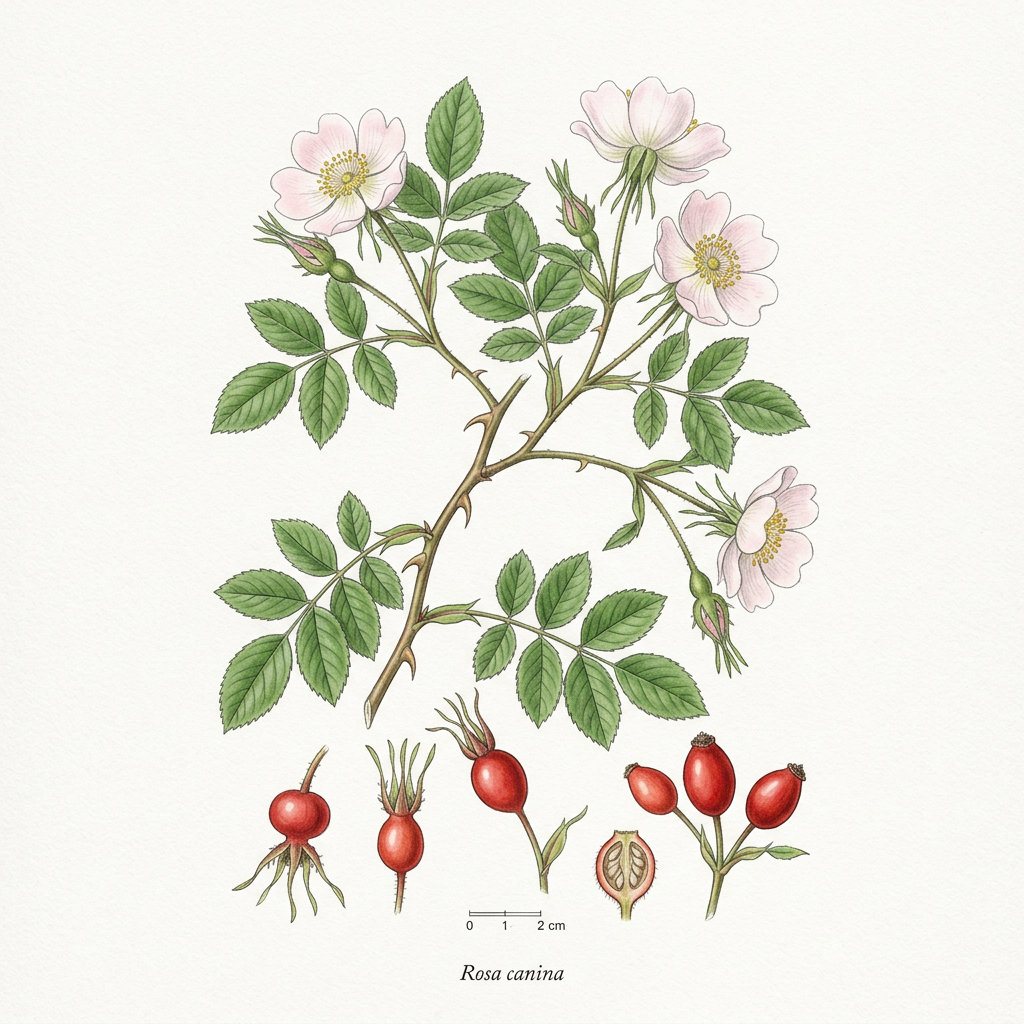
Dog rose

Dog rose

Rosa canina

Immune Support
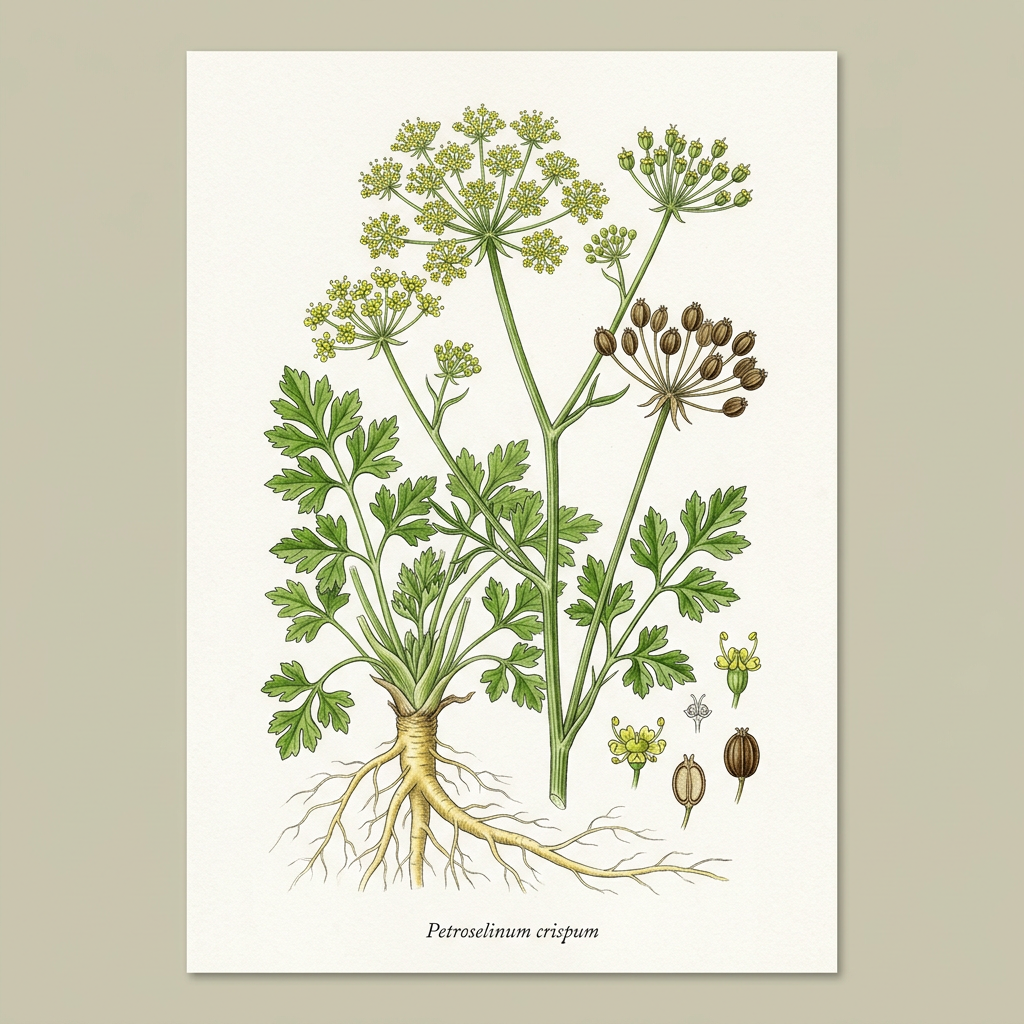
Parsley

Parsley

Petroselinum crispum

Digestive Aid
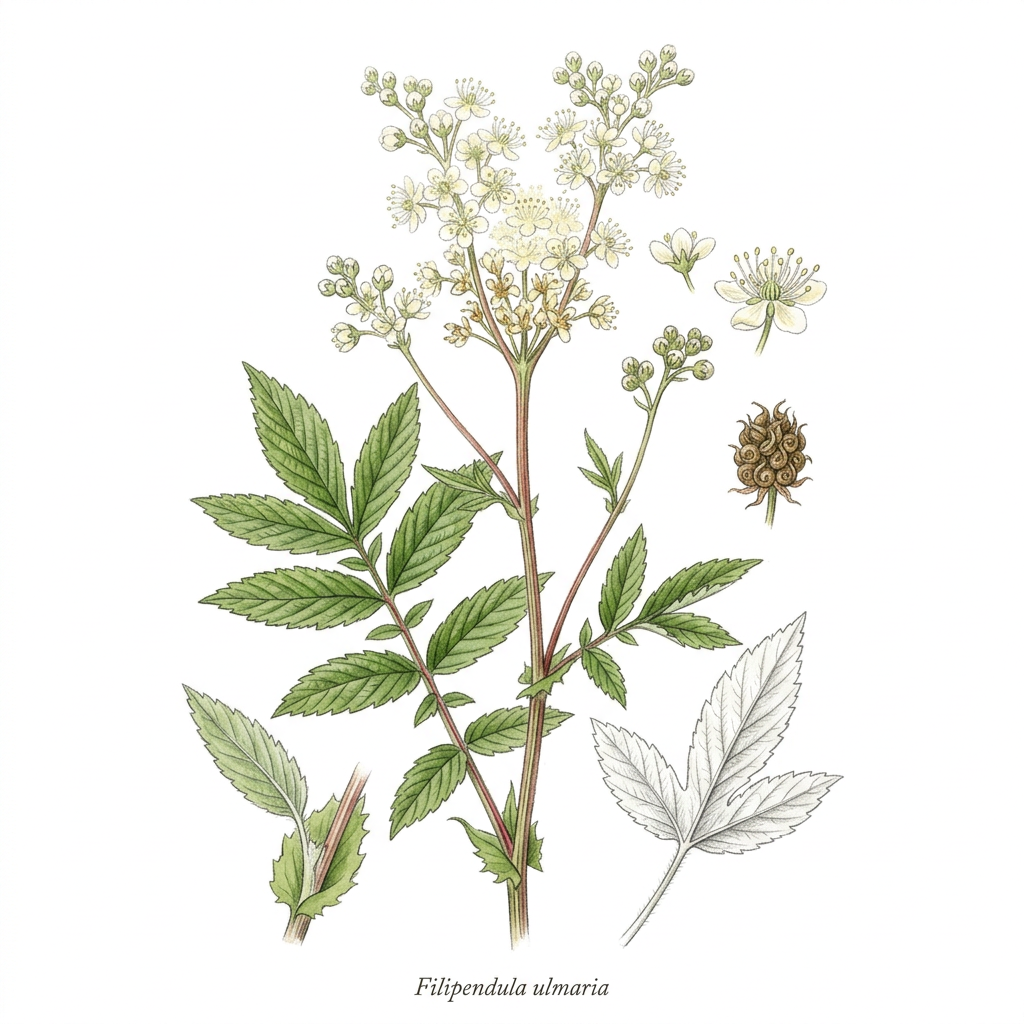
Filipendula ulmaria

Filipendula ulmaria
Filipendula ulmaria

Immune Support
Wood avens

Wood avens

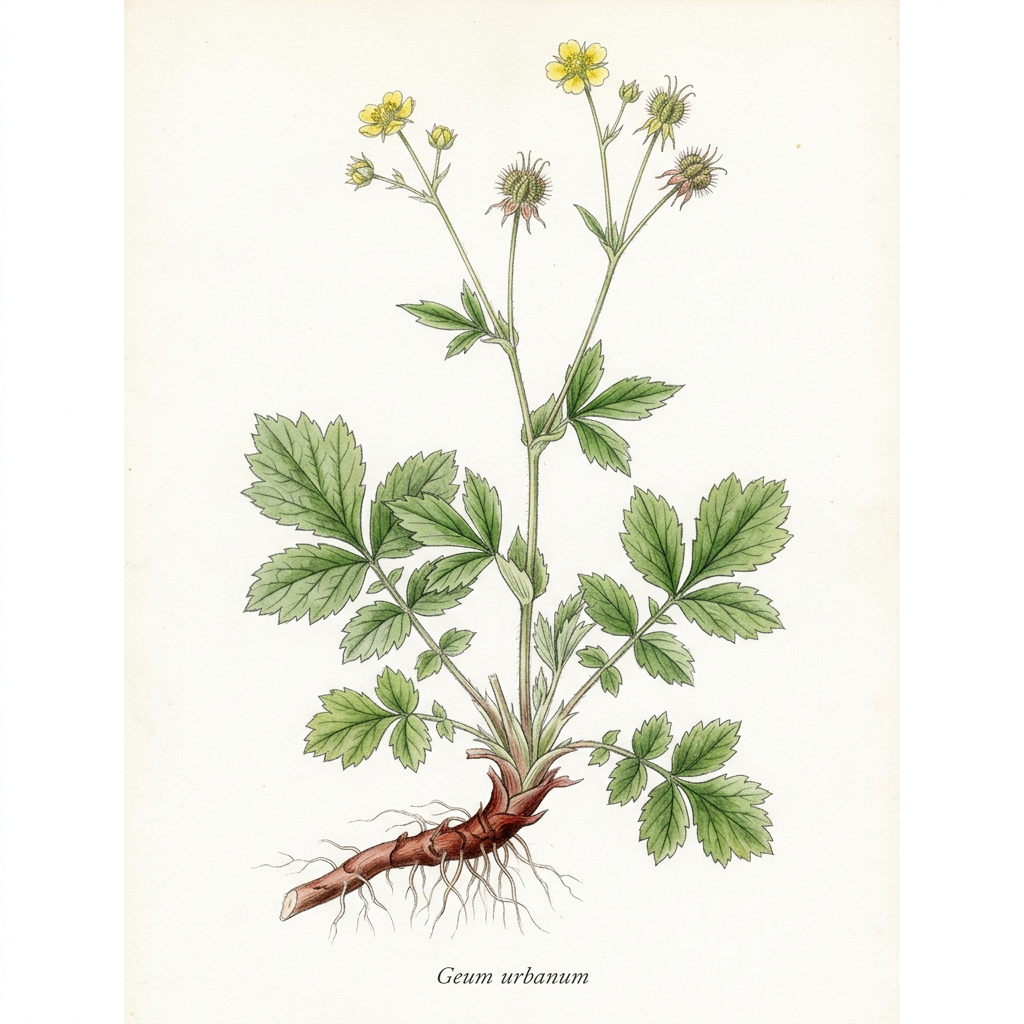
Geum urbanum

Immune Support