The Wild Sage logo
The Wild Sage Logo

Herbal Medicine at your fingertips

Comprehensive database of herbal remedies with detailed safety information and traditional uses

New to herbal terms? Read the glossary →
ADHD
Abcess
Acid Reflux Relief
Acinetobacter
Acne
Acne Vulgaris
Addisons
Adenomyosis
Adenovirus
Adrenal fatigue
Aging
Aids
Alcaligenes faecalis
Alcoholism
Allergic Rhinitis
Allergies
Allergy
Alopoecia
Alopoecia nervosa
Alzheimer's, Dementia & Cognitive Decline
420 herbs found
Important: This information is for educational purposes only. Always consult with qualified healthcare professionals before using herbal remedies, especially if you have existing health conditions or take medications.
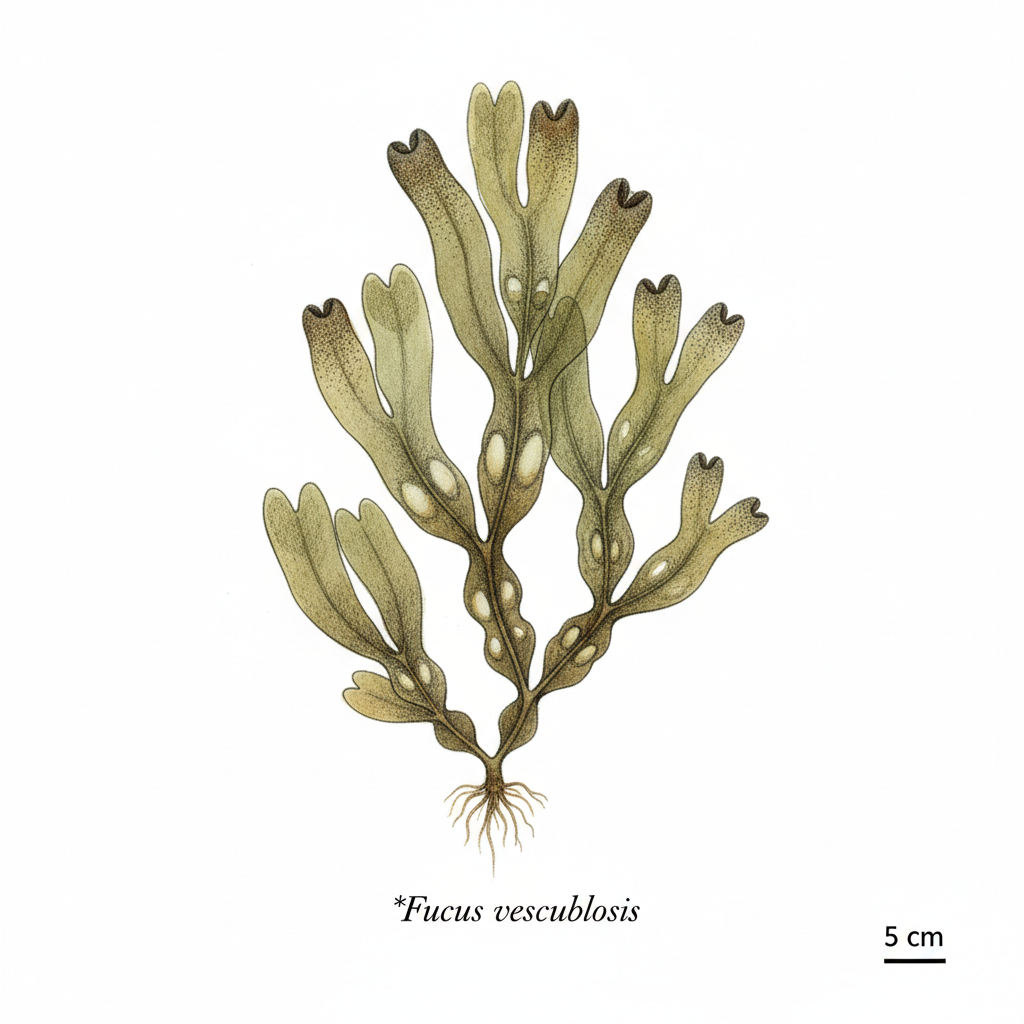
Bladderwrack

Bladderwrack

Fucus vesiculosus

moderate risk Risk
Fucaceae
it is often associated with balance and stability in the body's energy systems. Cool, bitter and astringent.
<p>Bladderwrack, scientifically known as Fucus vesiculosis, is a brown seaweed indigenous to the North Atlantic coasts and commonly found in intertidal zones. Traditionally, this marine plant has held a prominent place in herbal medicine, with historical uses tracing back to ancient civilizations, particularly among the Celts and the early inhabitants of the British Isles. Revered for its rich iodine content, bladderwrack has been employed to support thyroid health, as well as for its anti-inflammatory and diuretic properties. Folk traditions often relied on this sea vegetable not only as a food source but also as a remedy for various ailments, showcasing its longstanding reputation in the realms of both culinary and medicinal practices. The therapeutic benefits of bladderwrack predominantly stem from its high concentrations of iodine, which is essential for the production of thyroid hormones. This seaweed acts as an adaptogen, supporting the body’s ability to balance and adapt to stressors while also providing vital nutritional support, particularly for those suffering from hypothyroidism. In addition to its primary role in thyroid function, bladderwrack is noted for its ability to aid in metabolic regulation, enhance digestive health, and possess antioxidant properties. As a natural source of vitamins and minerals, it also contributes to overall wellness, supporting skin health and promoting a healthy inflammatory response. When ingested, bladderwrack works by delivering bioavailable iodine, which is crucial for thyroid hormone synthesis. This hormonal regulation helps maintain metabolic functions, energy levels, and overall homeostasis. The seaweed’s rich array of bioactive compounds, including fucoidan and alginates, further supports digestive health and may aid in detoxification processes. By modulating the body’s response to stressors and enhancing overall vitality, bladderwrack emerges as a valuable ally in herbal medicine, especially for those seeking holistic approaches to managing thyroid conditions and promoting metabolic health.</p>

Uses & Conditions

Nutritional Support
Metabolic Regulation
Digestive Health
Skin Health
Hypothyroidism
Goitre
Capillary Fragility
Osteoarthritis
Ulcerative Colitis
Crohn’s Disease
Barrett’s Oesophagus

Actions

Anti-hypothyroid
Adaptogen
NFkB Inhibitor
TNF-a Reduction
Antimicrobial
Anti-parasitic
Anti-inflammatory
Antioxidant
Diuretic

Synonyms

Bladderwrack

Parts Used

Whole plant

Native Countries

Northern Europe

USDA Hardiness Zones

USDA 3-11

Contraindications

  • Hyperthyroidism

Dosages, tincture ratios & research — members only

Unlock Garreth's dosing guidance, tincture ratios, the dosage calculator and the research studies for Bladderwrack.

Your assessment and results stay saved — upgrading only unlocks more of them.

See membership plans

Community Photos

No community photos yet. Sign in to upload photos.

Reviews & Ratings

Sign in to leave a review.

No reviews yet. Be the first!

GF

Garreth Falls — B.Th., Dip. H.M., MNIMH

Content curated and reviewed by Garreth Falls, Consultant Medical Herbalist · The Wild Sage

Medical Disclaimer: This information is for educational purposes only and is not intended as medical advice. Always consult with qualified healthcare professionals before starting any herbal treatment.
Western tradition

Sustainability & quality

Abundant

Widespread in marine environments. Always source from pristine coastal waters to ensure the absence of heavy metal or radioactive accumulation.

Key constituents

Anti-inflammatory, Algin, Iridol

References

  1. British Herbal Pharmacopoeia 1983

Reviewed by Garreth, Medical Herbalist (MNIMH) · October 2026

Related conditions

Explore conditions where Bladderwrack is traditionally used.

Related Herbs
Devil's Claw

Devil's Claw

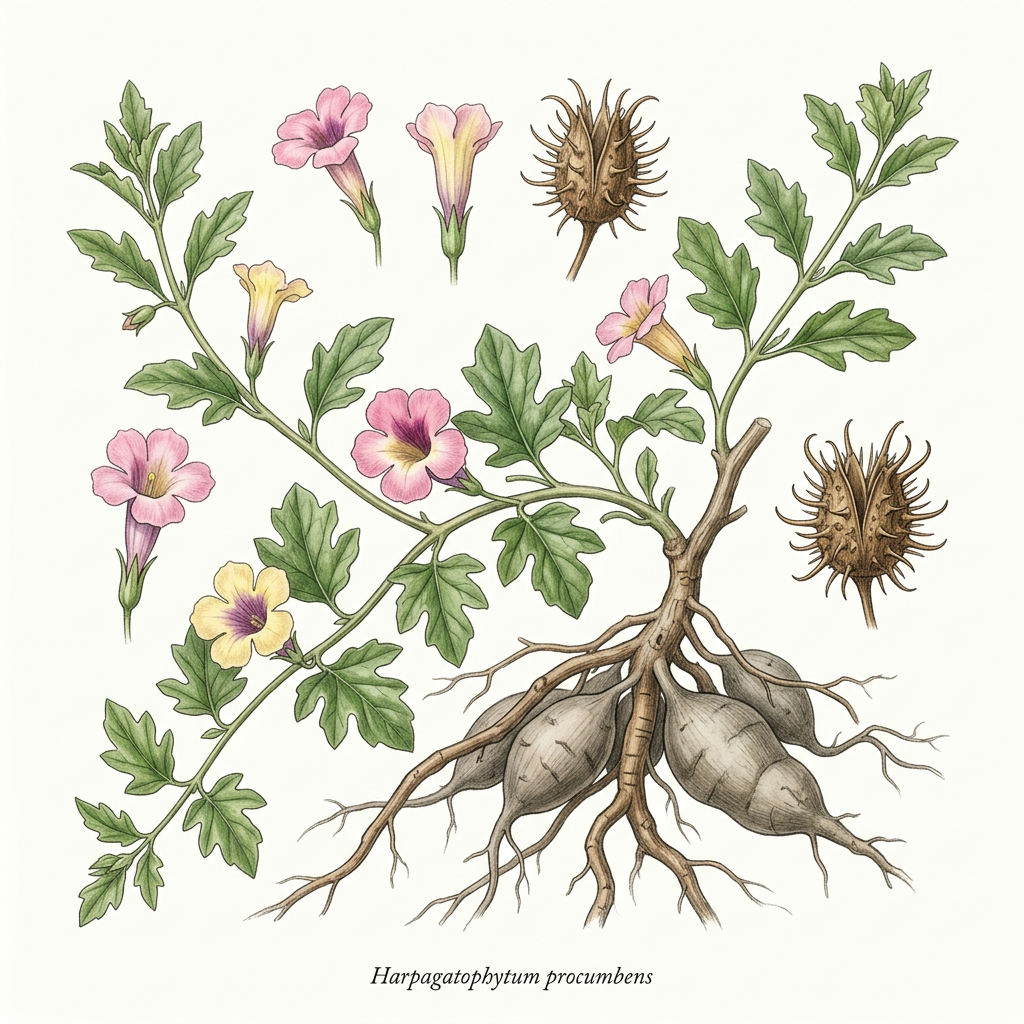
Harpagophytum procumbens
Circulation enhancement
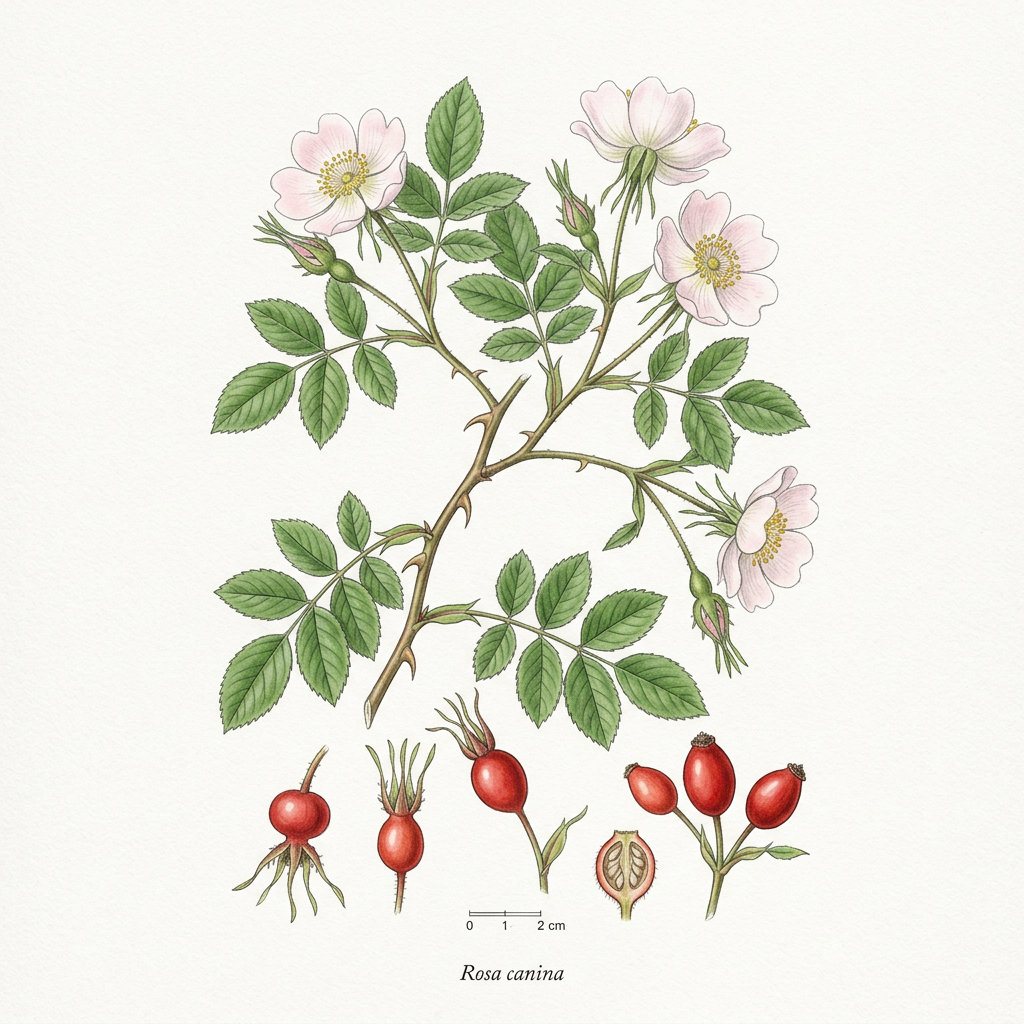
Dog rose

Dog rose

Rosa canina

Immune Support
Frankincense

Frankincense

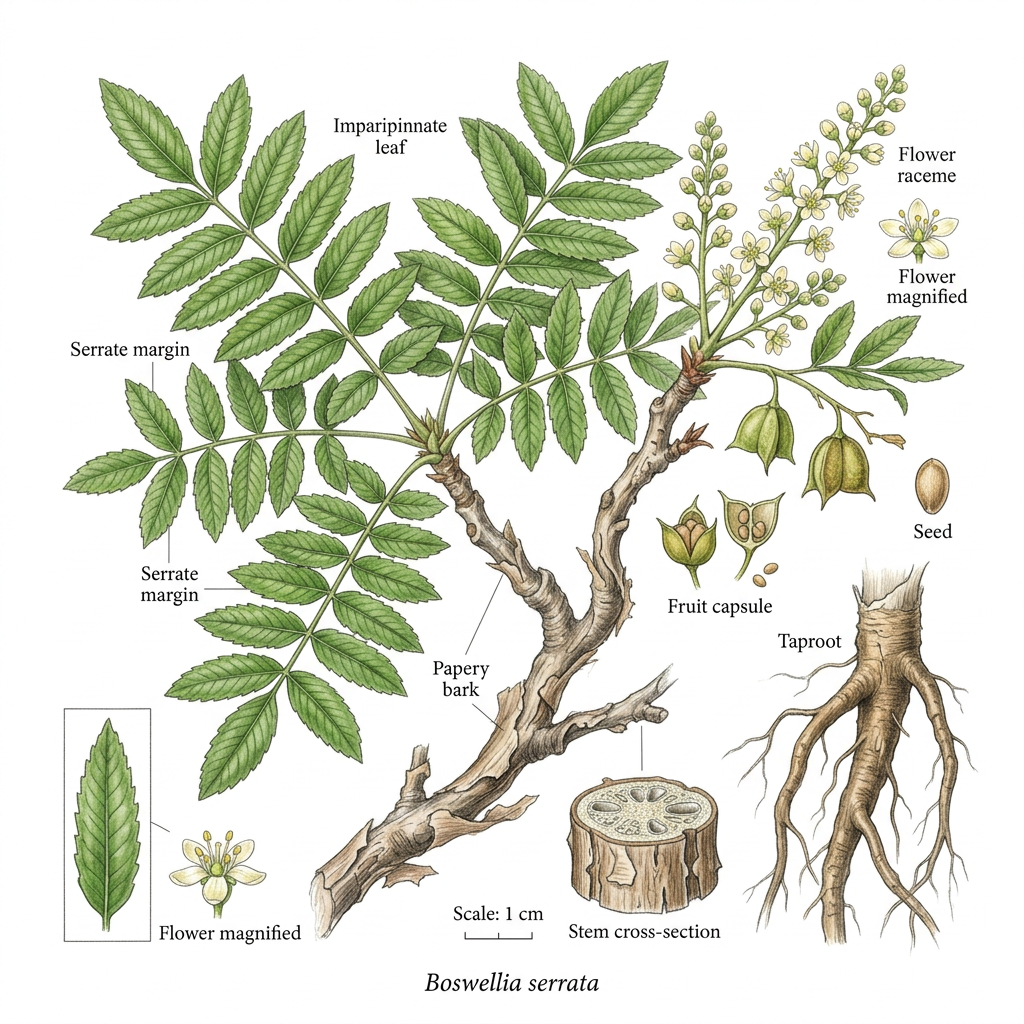
Boswellia serrata

Immune Modulation
Oak

Oak

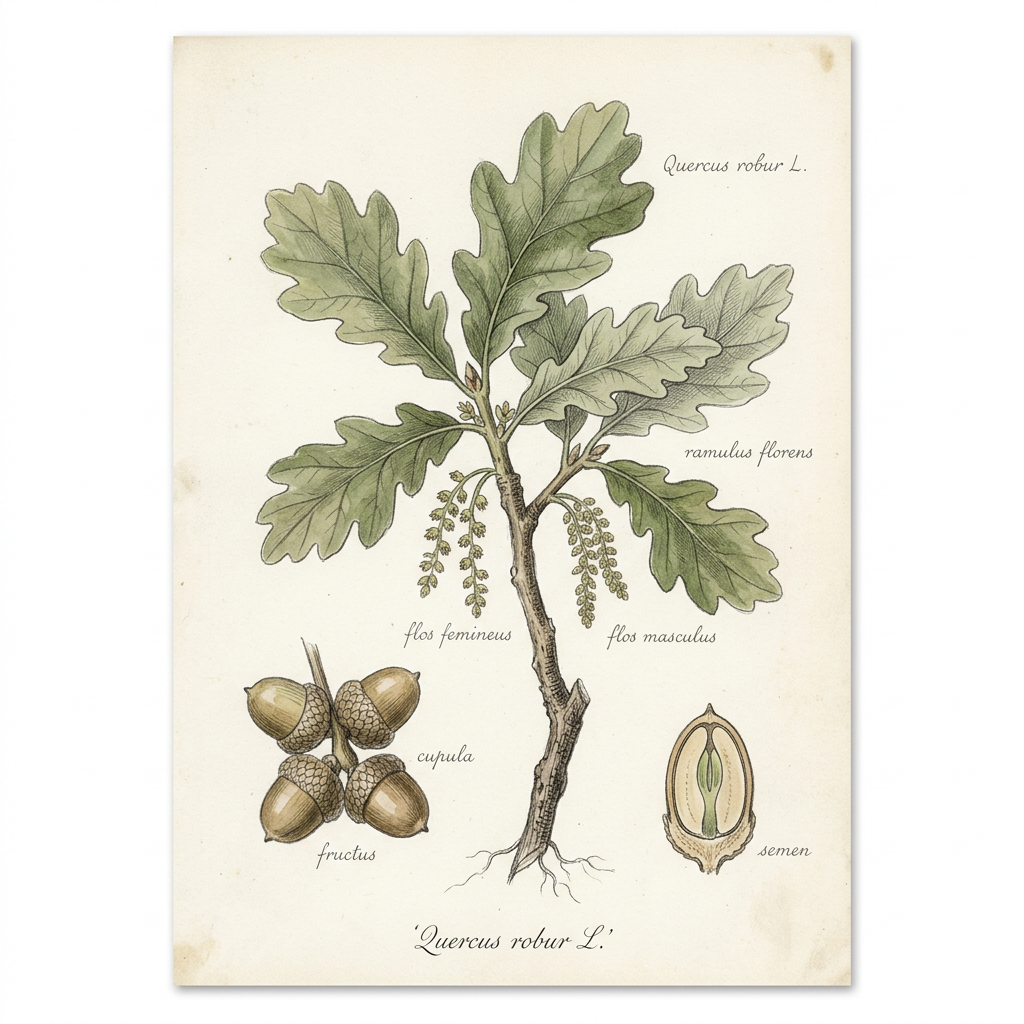
Quercus spp

Nutritional Support