The Wild Sage logo
The Wild Sage Logo

Herbal Medicine at your fingertips

Comprehensive database of herbal remedies with detailed safety information and traditional uses

New to herbal terms? Read the glossary →
ADHD
Abcess
Acid Reflux Relief
Acinetobacter
Acne
Acne Vulgaris
Addisons
Adenomyosis
Adenovirus
Adrenal fatigue
Aging
Aids
Alcaligenes faecalis
Alcoholism
Allergic Rhinitis
Allergies
Allergy
Alopoecia
Alopoecia nervosa
Alzheimer's, Dementia & Cognitive Decline
420 herbs found
Important: This information is for educational purposes only. Always consult with qualified healthcare professionals before using herbal remedies, especially if you have existing health conditions or take medications.
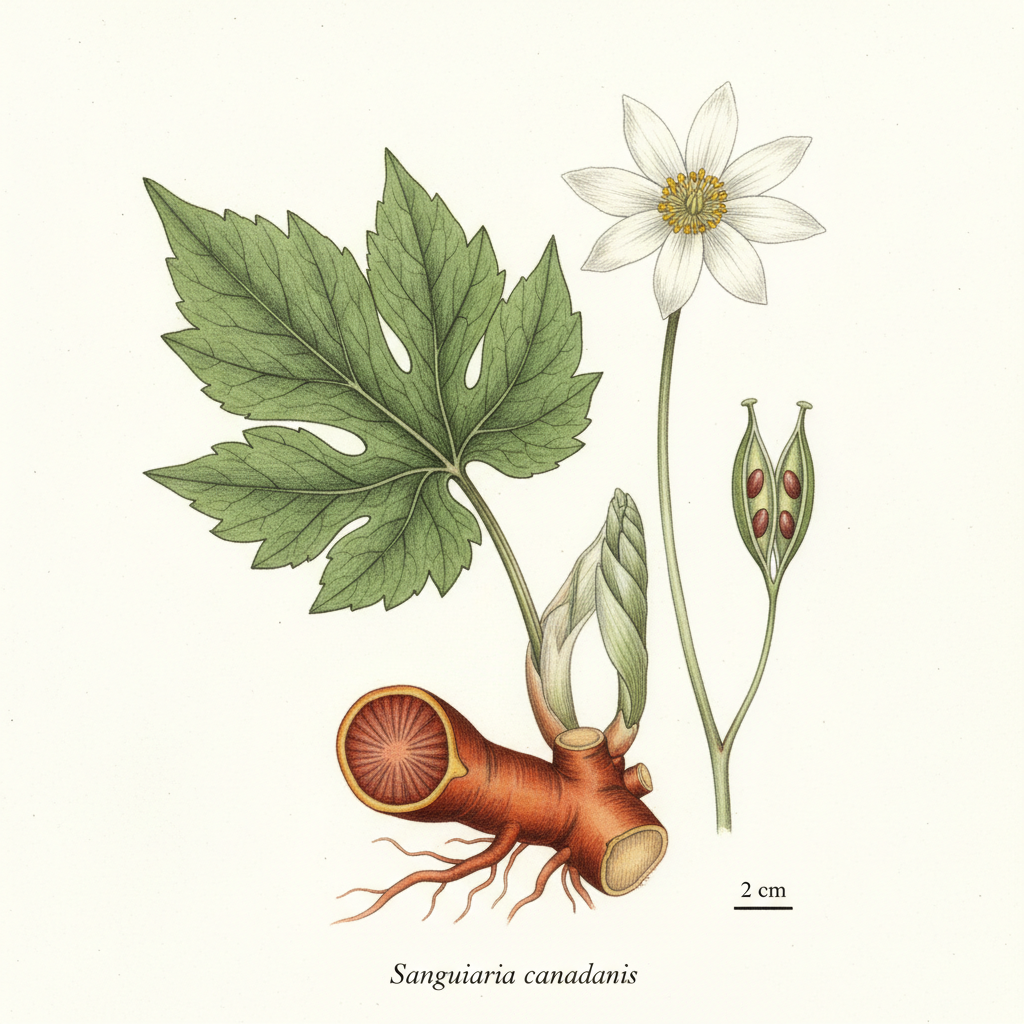
Blood root

Blood root

Sanguinaria canadensis

high risk Risk
Papaveraceae
Bitter, Cold, Drying.
<p>Sanguinaria canadensis, commonly known as bloodroot, is a perennial flowering herb native to North America, primarily found in rich, moist woodlands. Historically, Native American tribes have utilized this plant for its vivid orange-red latex, which they extracted from the rhizome and used for various purposes, particularly for its ritualistic significance and as a dye. Traditional practices often involved bloodroot for medicinal applications; it was used as a remedy for respiratory ailments, skin conditions, and as a purgative. The herb's name reflects its striking red sap, reminiscent of blood, which is thought to hold numerous therapeutic properties. The key therapeutic benefits of Sanguinaria canadensis stem from its unique biochemical constituents, particularly the alkaloids, such as sanguinarine, which contribute to its neurotoxic and mucous membrane tonic actions. Sanguinarine possesses antimicrobial and anti-inflammatory properties, making the herb a valuable ally in the management of conditions like bronchitis, sinusitis, and certain dermatological issues. Furthermore, its ability to act on mucous membranes supports respiratory function, aiding in the reduction of inflammation and congestion. Some contemporary herbalists also explore its applications in oral health, where it is believed to promote gum health and combat oral pathogens. In terms of physiological mechanisms, the efficacy of Sanguinaria canadensis can be attributed to its neurotoxic effects, which, while generally cautionary, can also stimulate the immune system. When applied appropriately, the alkaloids in bloodroot promote increased circulation to affected areas, enhancing the delivery of nutrients and the removal of toxins. This dynamic interaction supports overall wellness by modulating inflammatory responses. However, the herb must be approached with care, as its potent nature requires dosing considerations and an understanding of potential side effects. Ultimately, Sanguinaria canadensis is a fascinating herb that carries the weight of traditional knowledge while offering a pathway to explore its health benefits in modern herbalism.</p>

Uses & Conditions

Immune Response Enhancement
Circulation Stimulation
Toxin Removal
Oral Health
Basal Cell Carcinoma
Atonic Dyspepsia
Nasal Polyps
Haemoptysis
Trypanosoma Spp.
Sickle Cell Anaemia
Whooping Cough
Cancer
Warts
Sinusitis
Staphylococcus Infection
Nausea
Gingivitis
H. Pylori
Dizziness
Diphtheria

Actions

Neurotoxic
Mucous Membrane Tonic
Abortifacient
Expectorant
COX-2 Inhibitor
PGE2 Inhibitor
TNF Inhibitor
Antimicrobial
Anti-inflammatory
Purgative

Parts Used

Rhizome

Native Countries

United States
Canada

USDA Hardiness Zones

3
4
5
6

Contraindications

  • Highly toxic if used improperly
  • Avoid use without practitioner guidance
  • Pregnancy
  • Epilepsy
  • Oral applications exceeding one month

Potential Side Effects

  • Nausea and vomiting
  • Mucosal irritation
  • Dizziness or vertigo
  • Localised dermal irritation
  • Escharotic reaction if used as a concentrated paste
  • Paralysis

Interactions

  • Antihypertensive medication: potential for additive effects leading to hypotension
  • Cardiac glycosides: may potentiate effects on heart rhythm
  • CNS depressants: possible potentiation of sedative effects
  • Concurrent use with prescription medicines requires close professional supervision

Dosages, tincture ratios & research — members only

Unlock Garreth's dosing guidance, tincture ratios, the dosage calculator and the research studies for Blood root.

Your assessment and results stay saved — upgrading only unlocks more of them.

See membership plans

Community Photos

No community photos yet. Sign in to upload photos.

Reviews & Ratings

Sign in to leave a review.

No reviews yet. Be the first!

GF

Garreth Falls — B.Th., Dip. H.M., MNIMH

Content curated and reviewed by Garreth Falls, Consultant Medical Herbalist · The Wild Sage

Medical Disclaimer: This information is for educational purposes only and is not intended as medical advice. Always consult with qualified healthcare professionals before starting any herbal treatment.
Western tradition

Sustainability & quality

At risk

Highly sensitive to harvest pressure; source only from responsibly cultivated sites.

Key constituents

Sanguinarine, Chelerythrine, Protopine, Allocryptopine, Berberine, Isoquinoline alkaloids

References

  1. British Herbal Pharmacopoeia 1983
  2. Herbal Reality. Herb monographs. herbalreality.com

Reviewed by Garreth, Medical Herbalist (MNIMH) · October 2026

Related conditions

Explore conditions where Blood root is traditionally used.

Related Herbs
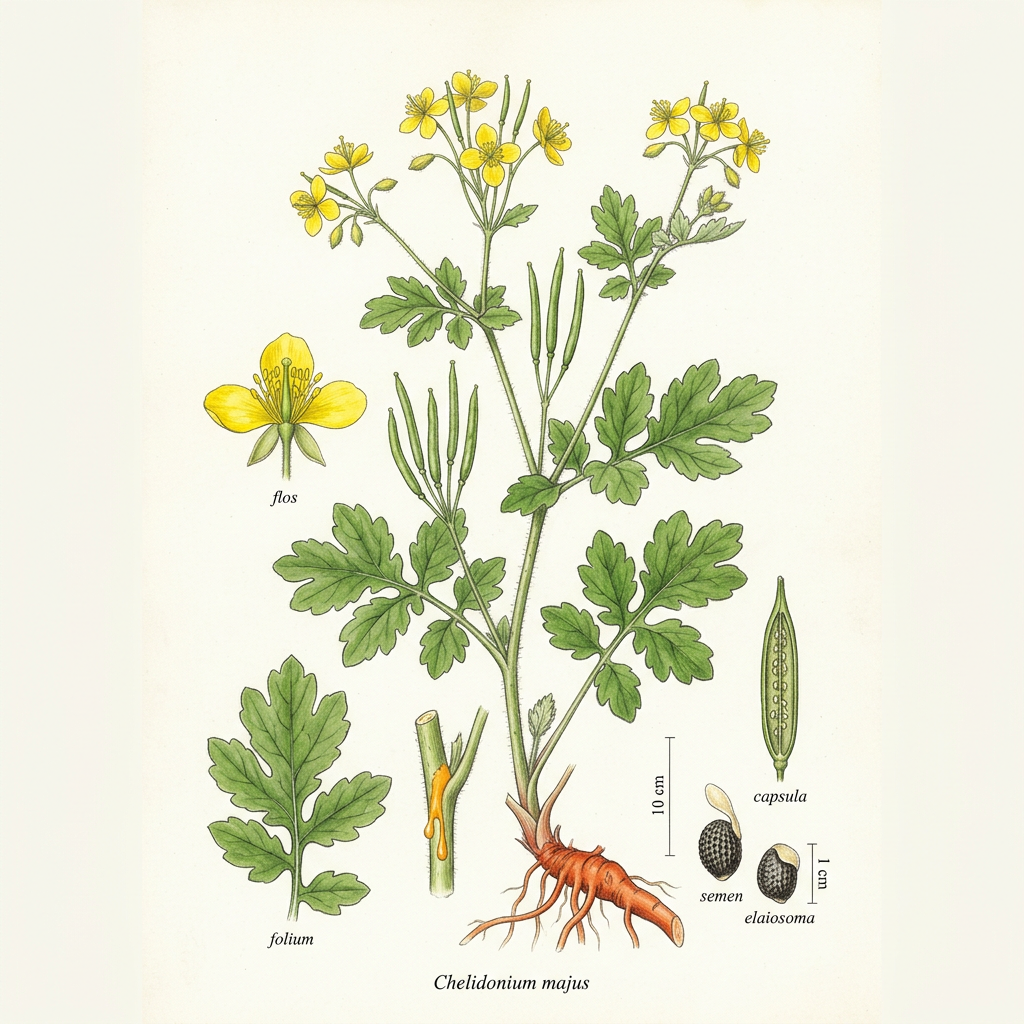
Greater Celandine

Greater Celandine

Chelidonium majus

Liver Support
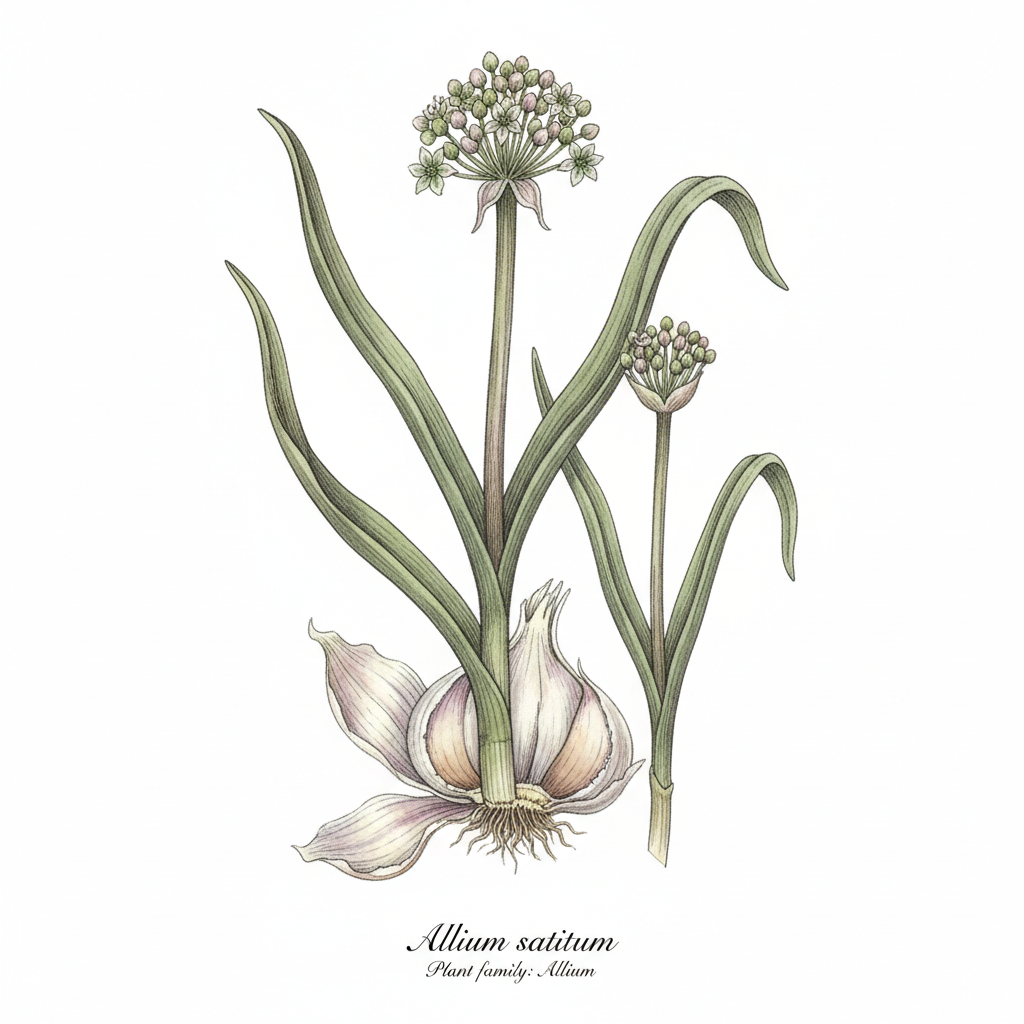
Garlic

Garlic

Allium sativum

Immune Support
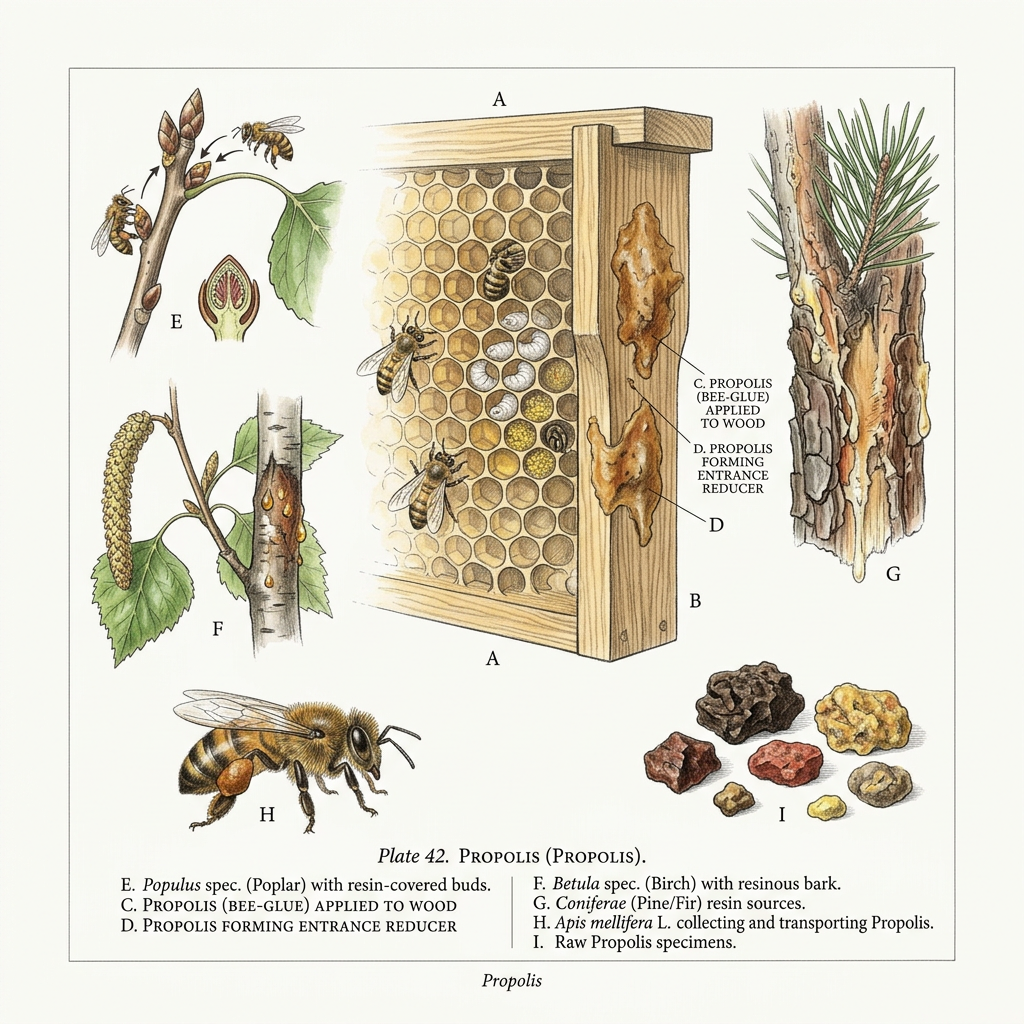
Propolis

Propolis

Propolis

Immune Support
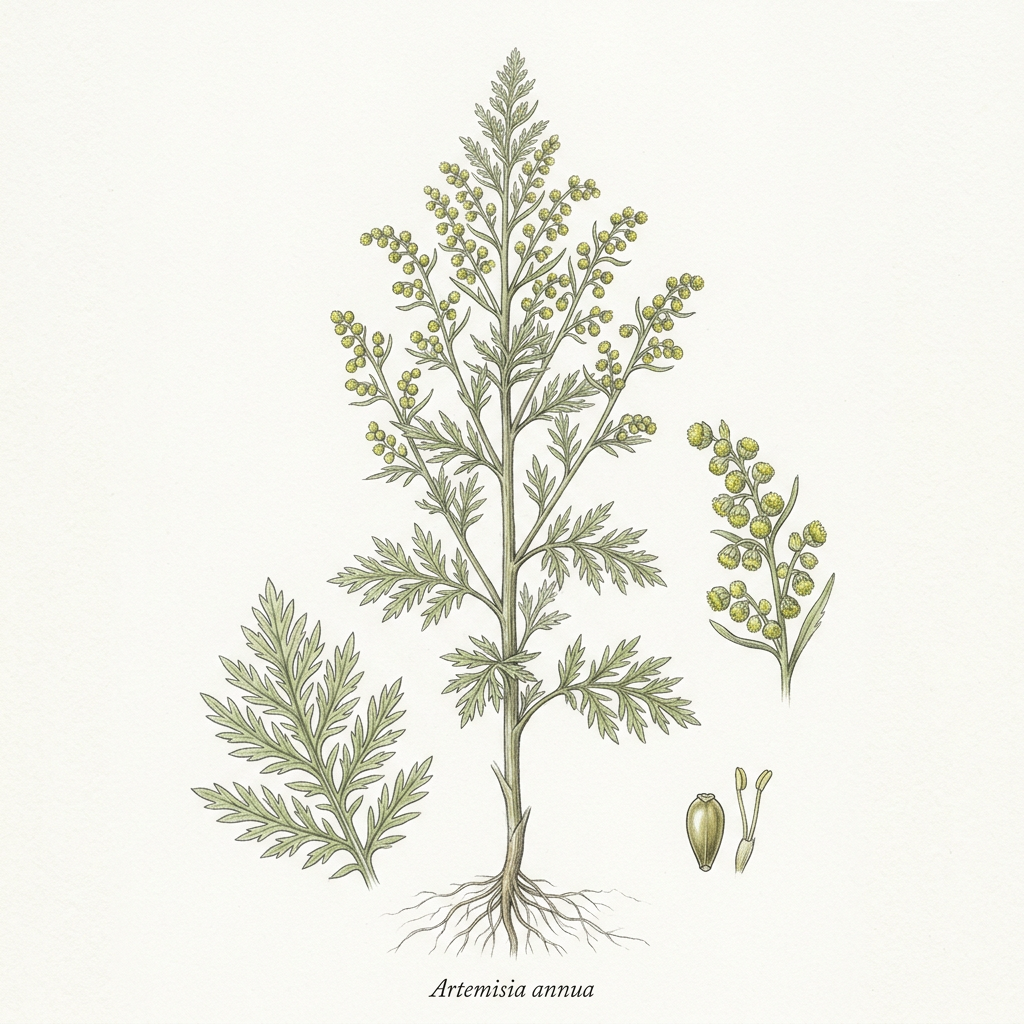
Sweet Annie

Sweet Annie

Artemisia annua

Convalescence