The Wild Sage logo
The Wild Sage Logo

Herbal Medicine at your fingertips

Comprehensive database of herbal remedies with detailed safety information and traditional uses

New to herbal terms? Read the glossary →
ADHD
Abcess
Acid Reflux Relief
Acinetobacter
Acne
Acne Vulgaris
Addisons
Adenomyosis
Adenovirus
Adrenal fatigue
Aging
Aids
Alcaligenes faecalis
Alcoholism
Allergic Rhinitis
Allergies
Allergy
Alopoecia
Alopoecia nervosa
Alzheimer's, Dementia & Cognitive Decline
420 herbs found
Important: This information is for educational purposes only. Always consult with qualified healthcare professionals before using herbal remedies, especially if you have existing health conditions or take medications.
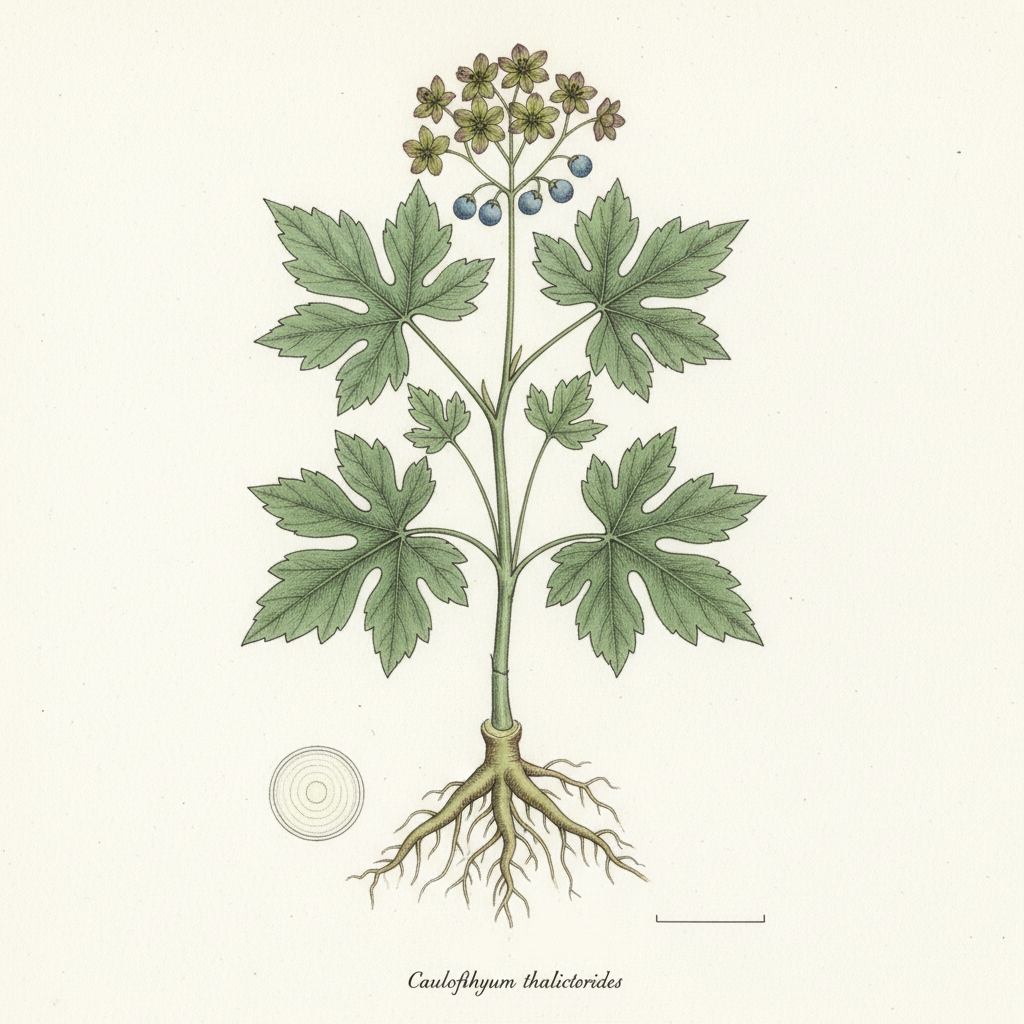
Blue Cohosh

Blue Cohosh

Caulophyllum thalictroides

low risk Risk
Berberidaceae
It is believed to have calming effects on the nervous system and may assist in balancing hormonal functions.
<p>Blue Cohosh, a perennial herb native to North America, is renowned for its striking blue berries and distinctive foliage. Historically, this herb has been utilized by Indigenous peoples for centuries, primarily for its potent effects on women's health and reproductive functions. Traditional applications included the support of labor and easing menstrual discomfort, where its use as an emmenagogue was particularly valued. The plant's roots, which are steeped in folklore and herbal tradition, were often harnessed by midwives and herbalists to promote uterine contractions and regulate menstrual cycles, highlighting its role in both fertility and childbirth. In contemporary herbal practice, Blue Cohosh is recognized for a diverse array of therapeutic properties. Primarily, it acts as a uterine tonic and emmenagogue, stimulating menstrual flow and supporting overall reproductive health. Its actions as a spasmolytic make it beneficial for relieving cramping and muscle tension in the pelvic region. Additionally, Blue Cohosh is known for its nervous system support and relaxing effects, which can alleviate anxiety and enhance overall well-being. This multifaceted herb has also been noted for its estrogen-modulating properties, which may assist in balancing hormonal fluctuations. Promoting circulation and acting as a bitter, Blue Cohosh supports digestive health while fostering a sense of relaxation and comfort. The therapeutic efficacy of Blue Cohosh is attributed to its complex phytochemical profile, encompassing alkaloids, glycosides, and saponins that work synergistically in the body. The constituents of Blue Cohosh exert a stimulating effect on the uterine muscles, prompting contractions while also providing a calming influence on the nervous system, which can be particularly beneficial during childbirth. Its capacity to modulate estrogen levels fosters hormonal balance, leading to improved menstrual regularity and reproductive function. Furthermore, the circulatory-stimulating effects enhance nutrient delivery throughout the body, supporting overall vitality. With its rich history and array of benefits, Blue Cohosh remains a significant herb in both traditional and modern herbal medicine, underscoring its relevance in women's health and wellness.</p>

Uses & Conditions

Hormonal Balance
Digestive Health
Dysmenorrhoea
Amenorrhoea
Endometriosis
Breast Growths
Prolapsed Organ
Pelvic Cramping
Anxiety

Actions

Uterine Stimulant
Ovarian Tonic
Uterine Tonic
Emmenagogue
Spasmolytic
Nervous System Support
Circulatory Stimulant
Oestrogen Modulating
Bitter
Relaxing

Parts Used

Root

Native Countries

North America

USDA Hardiness Zones

USDA 3-10

Contraindications

  • Avoid during pregnancy
  • Metabolised via CYP450, CYP2C19, 3A4, 2D6 and 1A2 pathways

Potential Side Effects

  • Gastrointestinal upset including nausea, vomiting, and abdominal pain
  • Potential for elevation of blood pressure in sensitive individuals
  • Headache or dizziness following therapeutic dosages
  • Hyper-stimulation of uterine tissue

Interactions

  • Oxytocic medications: may produce synergistic effects leading to excessive uterine activity
  • Antihypertensive drugs: potential to alter blood pressure regulation
  • Nicotinic receptor agonists or antagonists: may interfere with alkaloid activity
  • Hormone replacement therapy: potential for interaction with oestrogen-modulating constituents
  • Anticoagulant medications: may theoretically alter coagulation parameters

Dosages, tincture ratios & research — members only

Unlock Garreth's dosing guidance, tincture ratios, the dosage calculator and the research studies for Blue Cohosh.

Your assessment and results stay saved — upgrading only unlocks more of them.

See membership plans

Community Photos

No community photos yet. Sign in to upload photos.

Reviews & Ratings

Sign in to leave a review.

No reviews yet. Be the first!

GF

Garreth Falls — B.Th., Dip. H.M., MNIMH

Content curated and reviewed by Garreth Falls, Consultant Medical Herbalist · The Wild Sage

Medical Disclaimer: This information is for educational purposes only and is not intended as medical advice. Always consult with qualified healthcare professionals before starting any herbal treatment.
Western tradition

Sustainability & quality

At risk

Highly sensitive to over-harvesting in its native range; sourcing should be strictly limited to cultivated stocks.

Key constituents

1. Key Constituents:, - Alkaloids, - Saponins, - Flavonoids, 2. Other Constituents Known About the Plant:, - Tannins, - Resins, - Glycosides, 3. Herbs That May Act Similarly Due to Constituents:, - Black Cohosh (Actaea racemosa), - Dong Quai (Angelica sinensis), - Red Clover (Trifolium pratense)

References

  1. British Herbal Pharmacopoeia 1983
  2. Mills & Bone "The Essential Guide to Herbal Safety" 2005
  3. Herbal Reality. Herb monographs. herbalreality.com

Reviewed by Garreth, Medical Herbalist (MNIMH) · October 2026

Related conditions

Explore conditions where Blue Cohosh is traditionally used.

Related Herbs
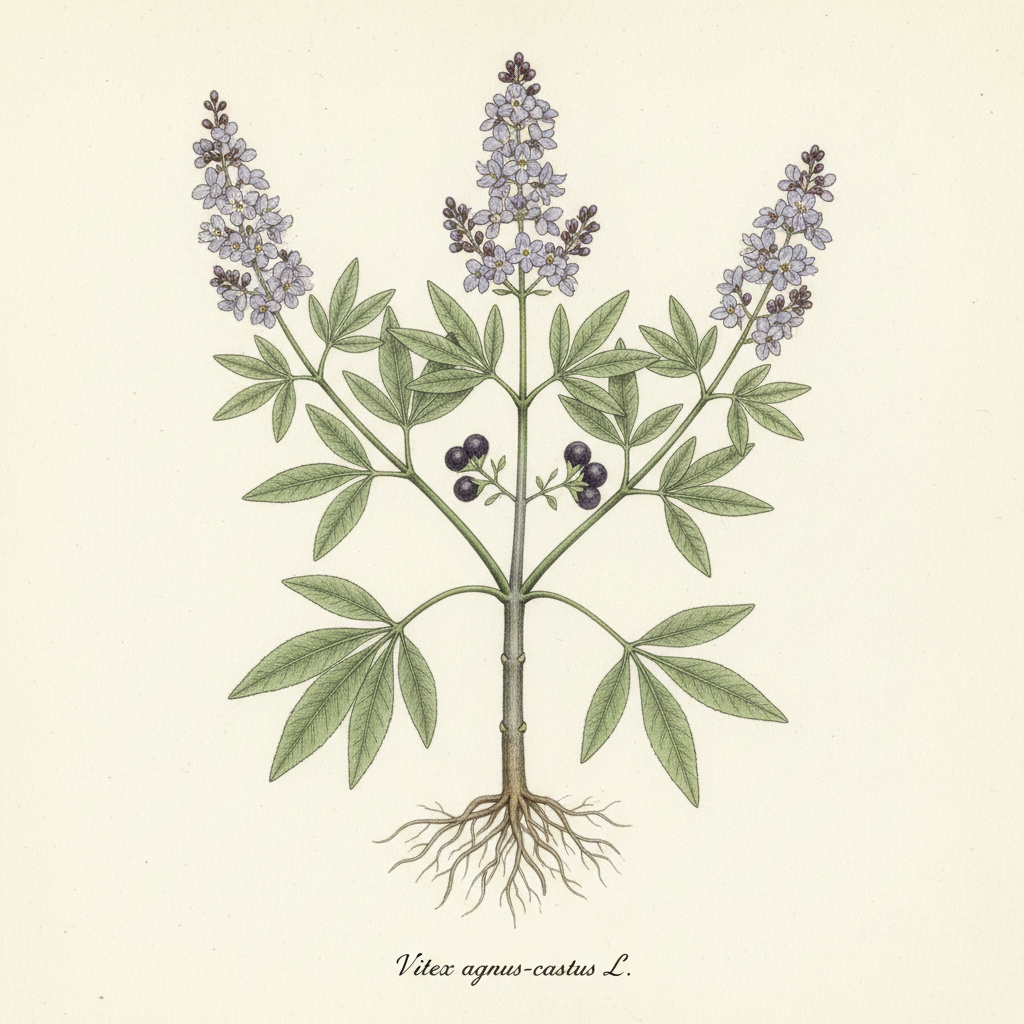
Chaste Tree

Chaste Tree

Vitex agnus-castus

Hormonal Balance
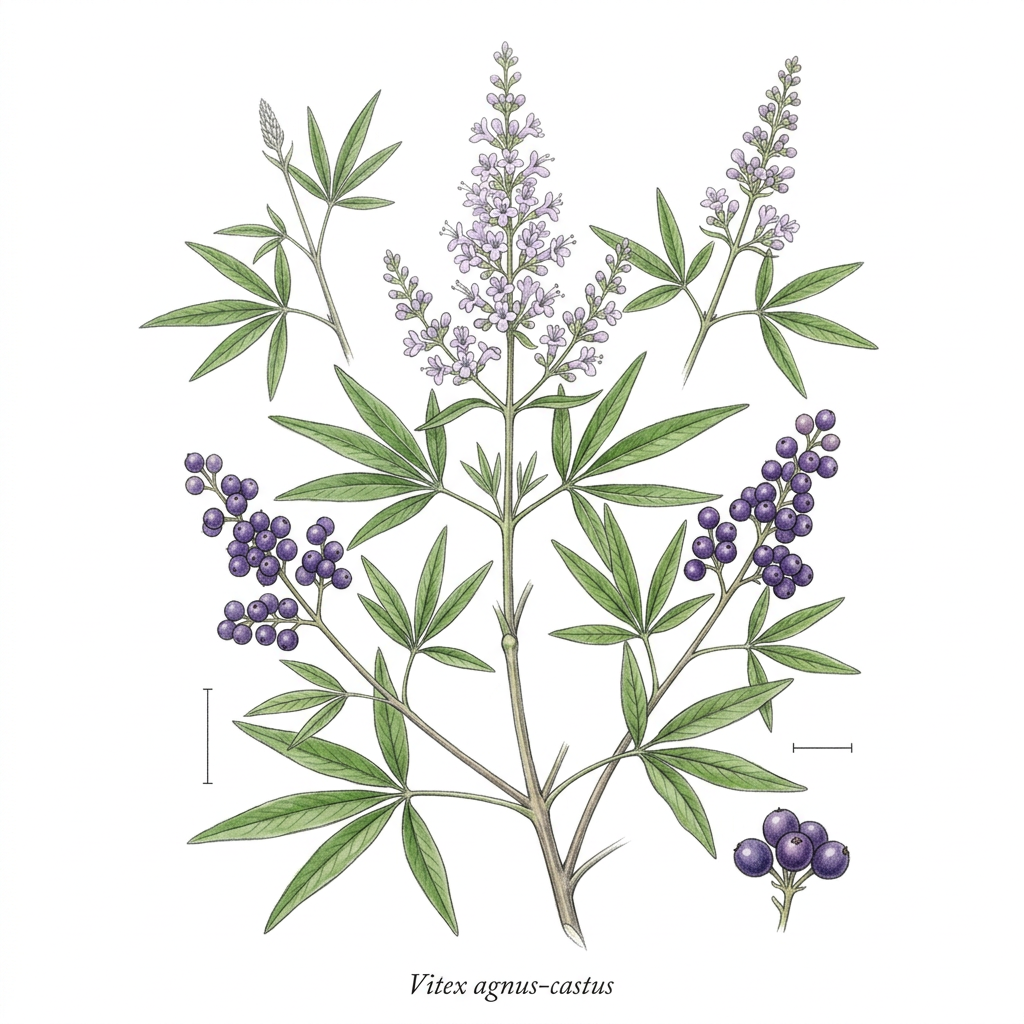
Vitex agnus castus

Vitex agnus castus
Vitex agnus castus

Hormonal Balance
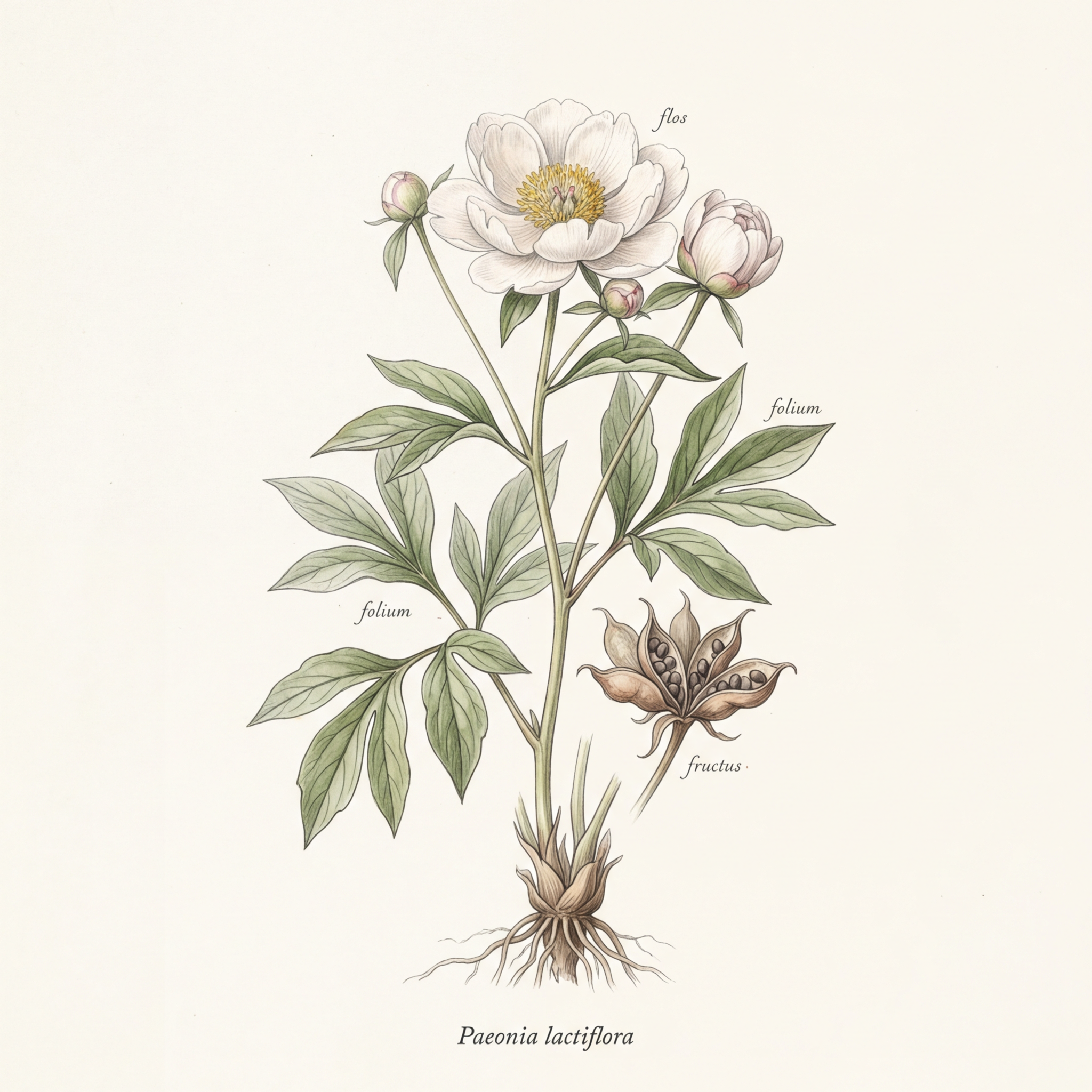
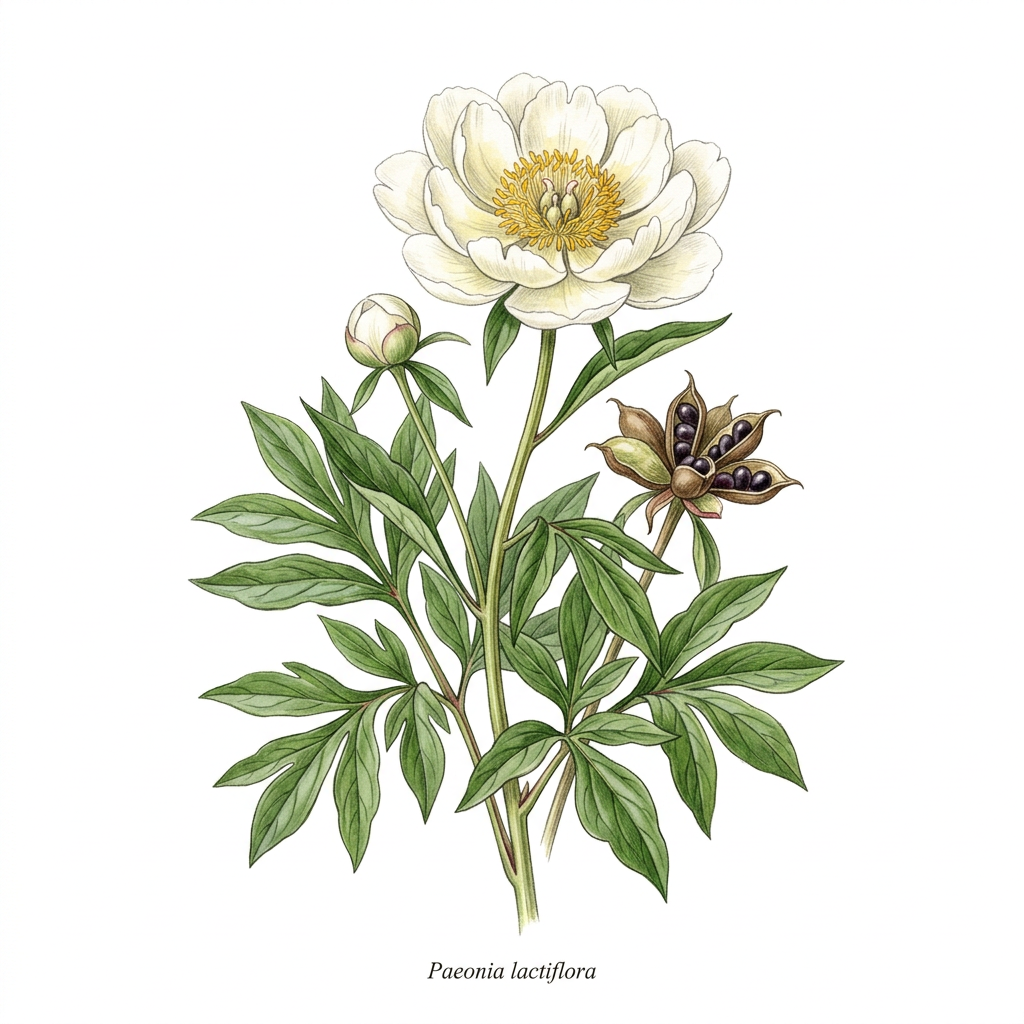
White peony

White peony

Paeonia lactiflora

Hormonal Balance
Peony

Peony

Paeonia lactiflora

Hormone Balance