The Wild Sage logo
The Wild Sage Logo

Herbal Medicine at your fingertips

Comprehensive database of herbal remedies with detailed safety information and traditional uses

New to herbal terms? Read the glossary →
ADHD
Abcess
Acid Reflux Relief
Acinetobacter
Acne
Acne Vulgaris
Addisons
Adenomyosis
Adenovirus
Adrenal fatigue
Aging
Aids
Alcaligenes faecalis
Alcoholism
Allergic Rhinitis
Allergies
Allergy
Alopoecia
Alopoecia nervosa
Alzheimer's, Dementia & Cognitive Decline
420 herbs found
Important: This information is for educational purposes only. Always consult with qualified healthcare professionals before using herbal remedies, especially if you have existing health conditions or take medications.
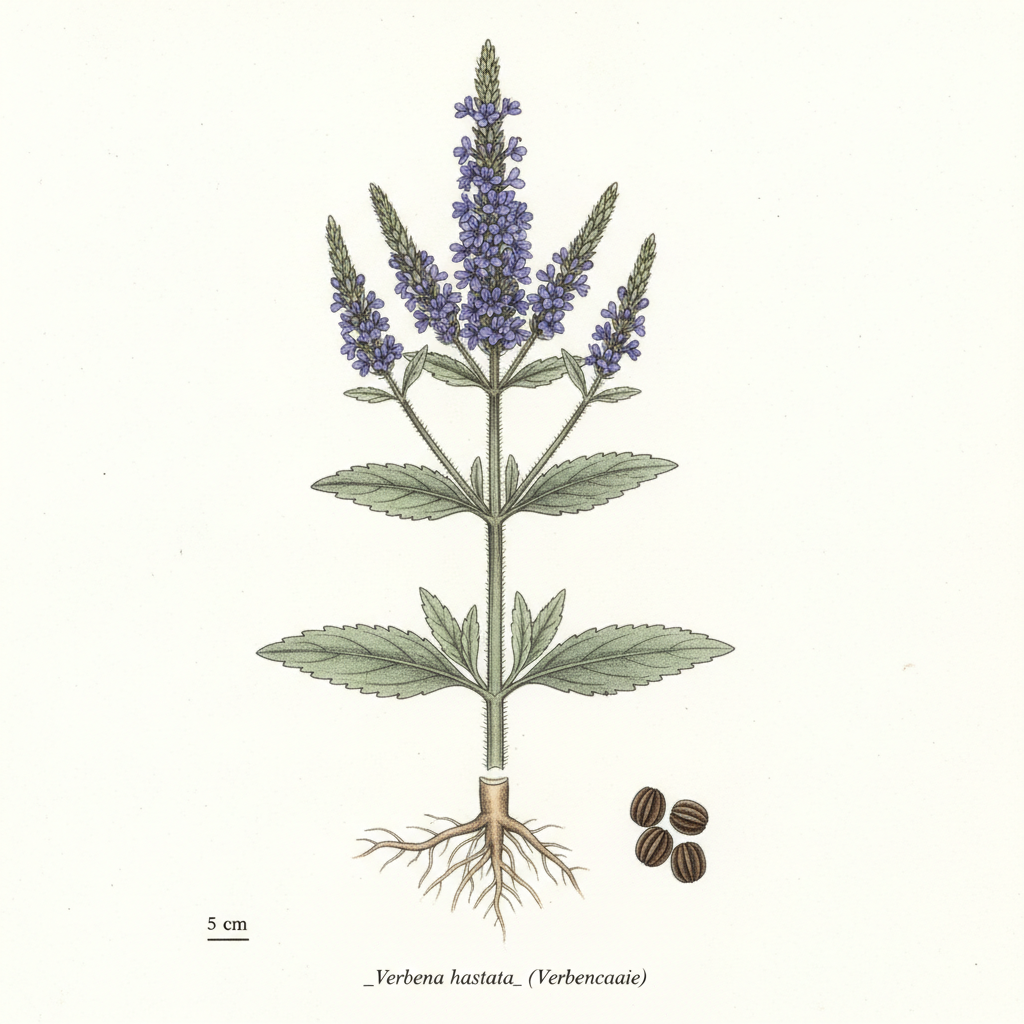
Blue vervain

Blue vervain

Verbena hastata

low risk Risk
Verbenaceae
Calming and bitter, it's believed to relieve stress and promote emotional balance.
<p>Blue vervain, scientifically known as Verbena hastata, is a perennial herb belonging to the Verbenaceae family. Its historical roots stretch back to indigenous cultures in North America, where it was revered for its medicinal properties. Traditionally known as the "herb of grace," blue vervain was employed by Native American tribes for a variety of ailments, including fever reduction, as a calming agent, and to promote overall well-being. The herb has been featured prominently in the Materia Medica, reflecting its longstanding importance in herbal medicine. The therapeutic potential of blue vervain is well-documented, particularly in the context of its effects on the nervous system. Primarily recognized for its anxiolytic properties, blue vervain has garnered strong evidence (Tier 1) supporting its effectiveness in alleviating symptoms of anxiety. Through tinctures, users have reported significant relief from anxiety-related symptoms, underscoring its role as a calming herb. Moreover, preliminary studies suggest that blue vervain may have moderate efficacy (Tier 2) in improving respiratory function in asthma sufferers when consumed as tea, demonstrating its versatility as a topical treatment. Additionally, while evidence remains limited (Tier 3) regarding its anti-inflammatory capabilities, animal studies indicate potential mechanisms for reducing inflammation, positioning blue vervain as a promising candidate in this area as well. The primary therapeutic actions of blue vervain can be attributed to its neuroprotective and mildly sedative effects. The herb appears to modulate neurotransmitter activity within the central nervous system, which may help to stabilize mood and enhance relaxation. Additionally, its antispasmodic properties may contribute to its effectiveness in relieving respiratory discomfort by soothing bronchial tissues. While blue vervain's safety profile is generally favorable, caution is advised for individuals with epilepsy or those pregnant, as its stimulating effects on the nervous system may pose risks. With its rich history and emerging scientific validation, blue vervain continues to intrigue herbalists and researchers alike, representing a significant herb in the realm of natural health and holistic healing.</p>

Uses & Conditions

Nervous System Support
Digestive Support
Immune System Support
Anxiety
Asthma
Epilepsy
Fever
Stress

Actions

Neuroprotective
Anticonvulsant
Cooling
Anti-asthmatic
Sedative
Antispasmodic
Anti-inflammatory

Parts Used

Aerial parts

Native Countries

United States
Canada
Mexico
Argentina
Europe

USDA Hardiness Zones

3
4
5
6
7

Contraindications

  • Pregnancy due to potential emmenagogue effects
  • Breastfeeding due to lack of safety data
  • Hypersensitivity to the Verbenaceae family
  • Scheduled surgery; discontinue at least two weeks prior

Potential Side Effects

  • Gastric irritation in high doses
  • Mild nausea
  • Loss of appetite
  • Drowsiness

Interactions

  • Sedatives and anxiolytics including benzodiazepines or barbiturates
  • Antihypertensive medication
  • Thyroid medication

Dosages, tincture ratios & research — members only

Unlock Garreth's dosing guidance, tincture ratios, the dosage calculator and the research studies for Blue vervain.

Your assessment and results stay saved — upgrading only unlocks more of them.

See membership plans

Community Photos

No community photos yet. Sign in to upload photos.

Reviews & Ratings

Sign in to leave a review.

No reviews yet. Be the first!

GF

Garreth Falls — B.Th., Dip. H.M., MNIMH

Content curated and reviewed by Garreth Falls, Consultant Medical Herbalist · The Wild Sage

Medical Disclaimer: This information is for educational purposes only and is not intended as medical advice. Always consult with qualified healthcare professionals before starting any herbal treatment.
Western tradition

Sustainability & quality

Abundant

Native plant in North America; ensure wild harvest adheres to conservation guidelines or use cultivated sources.

Key constituents

Flavonoids, Iridoid monoterpene, Triterpenoids

References

  1. Herbal Reality. Herb monographs. herbalreality.com

Reviewed by Garreth, Medical Herbalist (MNIMH) · October 2026

Related conditions

Explore conditions where Blue vervain is traditionally used.

Related Herbs
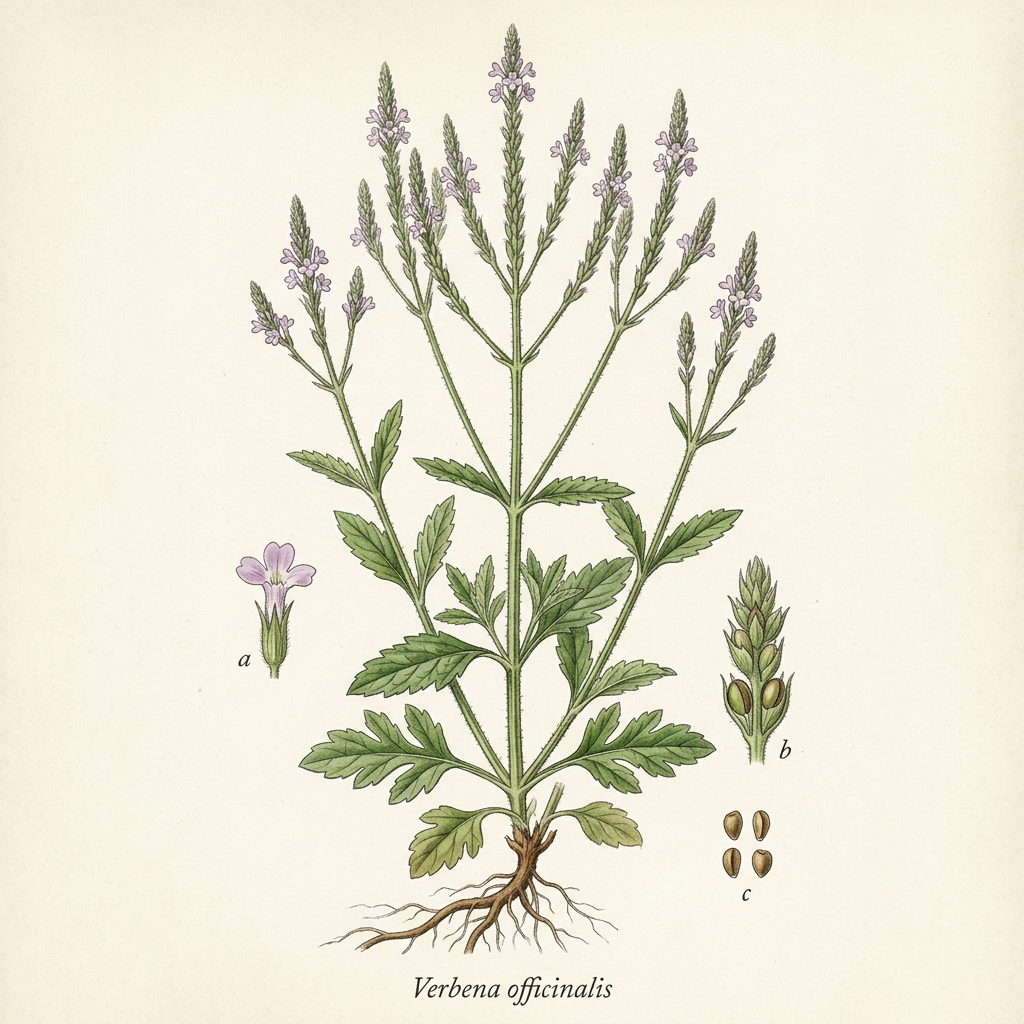
Vervain

Vervain

Verbena officinalis

Calming
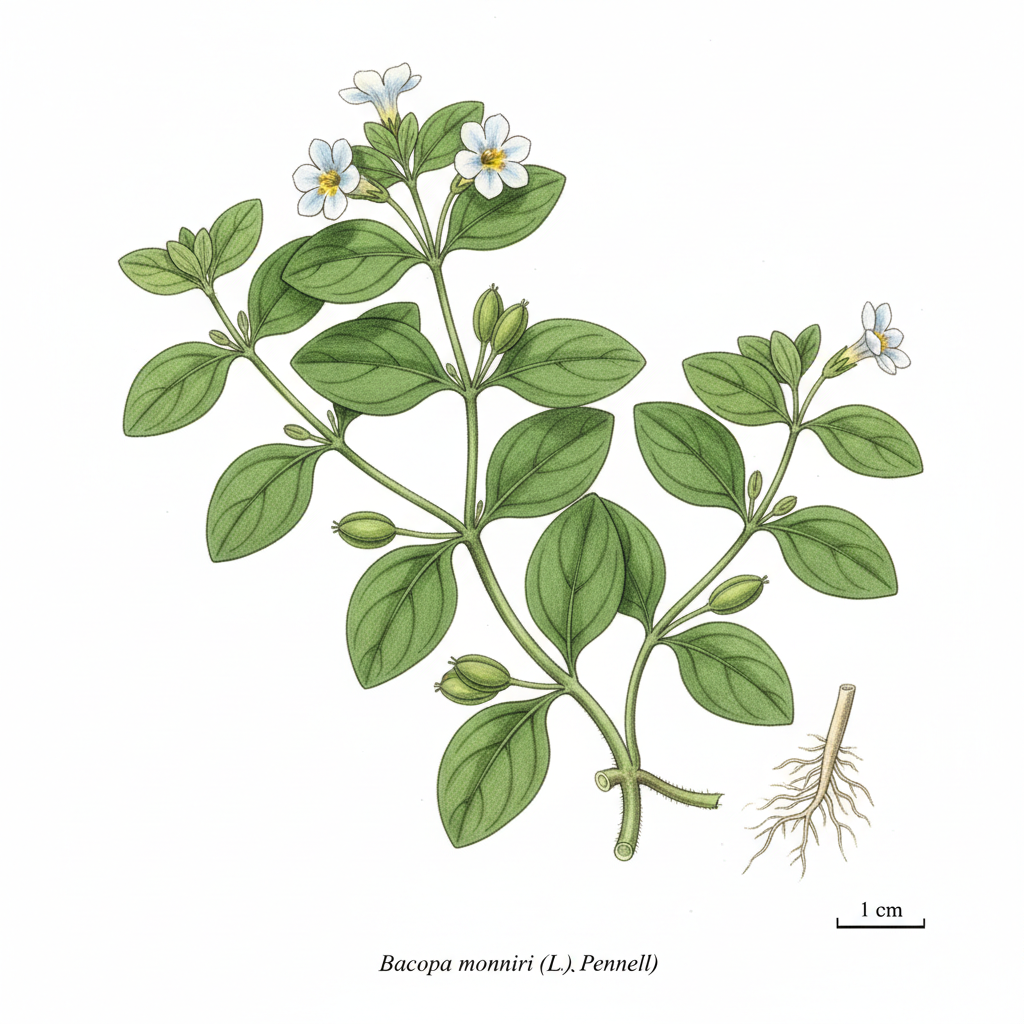
Brahmi

Brahmi

Bacopa monnieri

Cognitive Function
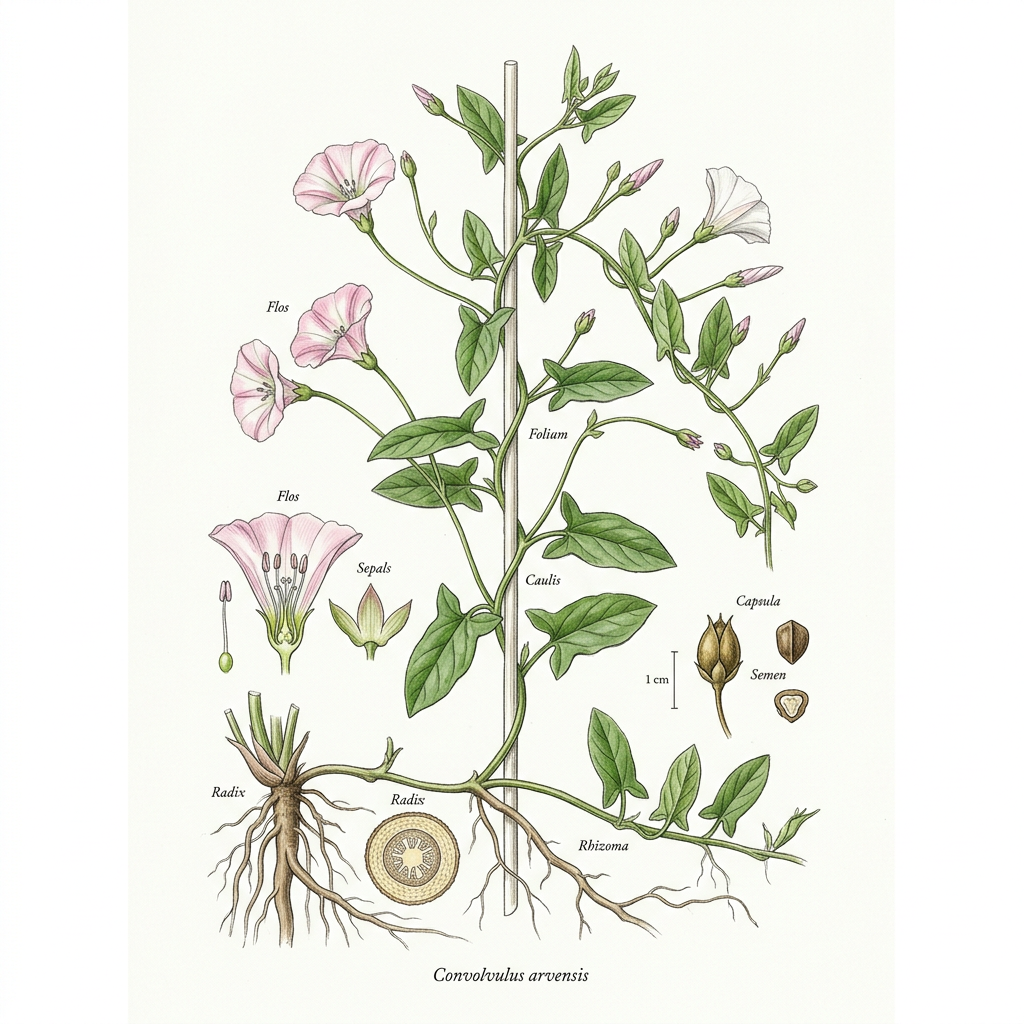
Field bindweed

Field bindweed

Convolvulus arvensis

Respiratory Support
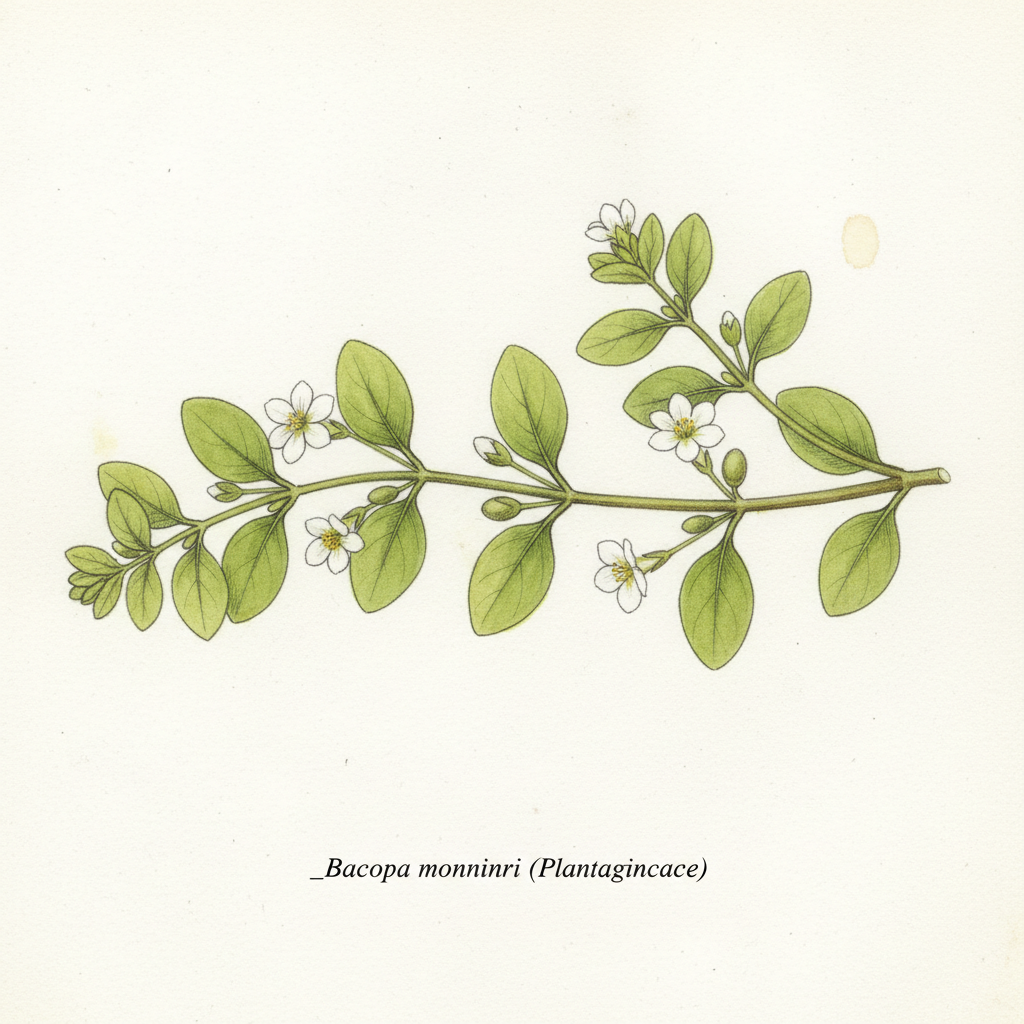
Water hyssop

Water hyssop

Bacopa monnieri

Memory Enhancement