The Wild Sage logo
The Wild Sage Logo

Herbal Medicine at your fingertips

Comprehensive database of herbal remedies with detailed safety information and traditional uses

New to herbal terms? Read the glossary →
ADHD
Abcess
Acid Reflux Relief
Acinetobacter
Acne
Acne Vulgaris
Addisons
Adenomyosis
Adenovirus
Adrenal fatigue
Aging
Aids
Alcaligenes faecalis
Alcoholism
Allergic Rhinitis
Allergies
Allergy
Alopoecia
Alopoecia nervosa
Alzheimer's, Dementia & Cognitive Decline
420 herbs found
Important: This information is for educational purposes only. Always consult with qualified healthcare professionals before using herbal remedies, especially if you have existing health conditions or take medications.
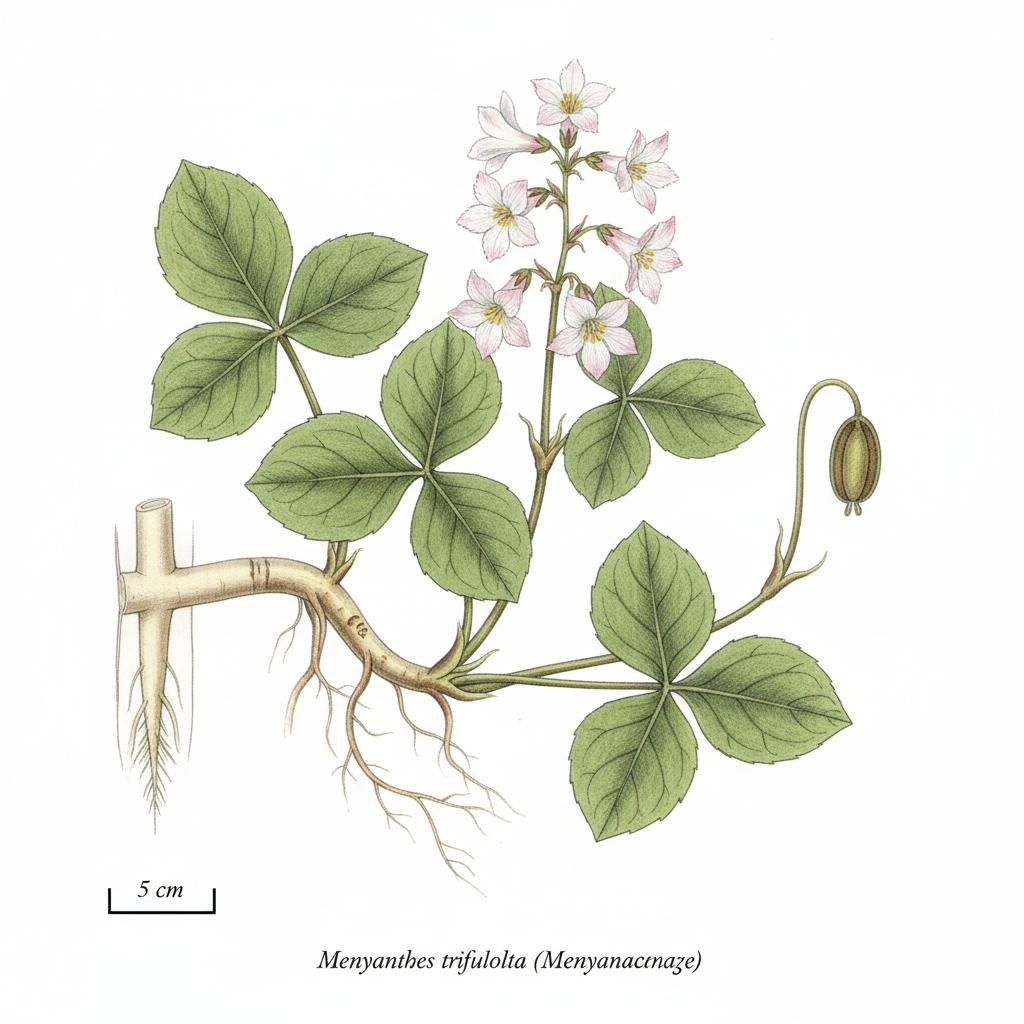
Bogbean

Bogbean

Menyanthes trifoliata

low risk Risk
Menyanthaceae
Supports joint health and alleviates rheumatism symptoms, beneficial for boggy states.
<p>**Herb Name:** Bogbean **Scientific Name:** Menyanthes trifoliate Bogbean, scientifically known as Menyanthes trifoliate, is a perennial aquatic herb traditionally cherished in various herbal medicine systems for its myriad therapeutic applications. Found predominantly in the wetlands of Europe, North America, and parts of Asia, this distinctive plant is characterized by its trifoliate leaves and star-shaped white or pink flowers that bloom in early summer. Historically, Bogbean has been utilized by indigenous peoples and herbalists in Europe and North America for its stimulating and restorative properties. The young leaves, collected in spring, were often used as a pot herb or brewed into tea, believed to aid digestion and enhance appetite. Additionally, it has found its way into folk remedies as a treatment for rheumatism and joint disorders, showcasing its long-standing relevance in traditional herbal practices. The therapeutic properties of Bogbean are multifaceted, with its primary action being anti-rheumatic. This herb contains a variety of bioactive compounds, including tannins, flavonoids, and glycosides, which contribute to its anti-inflammatory and analgesic effects. These compounds are thought to work synergistically to alleviate symptoms associated with rheumatism and other inflammatory conditions, making Bogbean a suitable option for those suffering from arthritis and musculoskeletal discomfort. Beyond its anti-rheumatic action, Bogbean is also recognized for its potential digestive benefits, stimulating appetite and promoting the secretion of digestive juices, which can be particularly advantageous for individuals experiencing sluggish digestion or loss of appetite. Bogbean operates within the body primarily through its influence on the inflammatory response and digestive system. The anti-inflammatory properties are believed to stem from the inhibition of pro-inflammatory mediators, helping to decrease swelling and pain in affected joints. Concurrently, the herb’s ability to stimulate digestive secretions enhances nutrient absorption and promotes healthy gastrointestinal function. As a result, Bogbean serves not only as a remedy for inflammatory and digestive ailments but also as a holistic support for overall well-being, reflecting its versatile role in herbal medicine. This combination of properties makes Menyanthes trifoliate a compelling herb for those seeking natural remedies grounded in traditional wisdom and supported by contemporary understanding.</p>

Uses & Conditions

Digestive Stimulant
General Health Tonic
Nutrient Absorption Support
Holistic Support
Rheumatoid Arthritis
Osteoarthritis
Rheumatism
Ulcerative Colitis
Crohn's Disease
Anorexia
Poor Appetite
Diarrhoea
Dysentery
Musculoskeletal Discomfort

Actions

Anti-rheumatic
Depurative
Alterative
Anti-inflammatory
Anxiolytic

Parts Used

leaves

Native Countries

North America (eastern)

USDA Hardiness Zones

3-9

Contraindications

  • Diarrhoea
  • Dysentery
  • Pregnancy

Potential Side Effects

  • Gastrointestinal upset

Interactions

  • Anticoagulants and antiplatelet drugs: theoretically may increase risk of bruising or bleeding
  • Non-steroidal anti-inflammatory drugs (NSAIDs): possible additive effect when used alongside conventional anti-rheumatic medications
  • General prescription medication: use with caution due to limited clinical data regarding herb-drug interactions

Dosages, tincture ratios & research — members only

Unlock Garreth's dosing guidance, tincture ratios, the dosage calculator and the research studies for Bogbean.

Your assessment and results stay saved — upgrading only unlocks more of them.

See membership plans

Community Photos

No community photos yet. Sign in to upload photos.

Reviews & Ratings

Sign in to leave a review.

No reviews yet. Be the first!

GF

Garreth Falls — B.Th., Dip. H.M., MNIMH

Content curated and reviewed by Garreth Falls, Consultant Medical Herbalist · The Wild Sage

Medical Disclaimer: This information is for educational purposes only and is not intended as medical advice. Always consult with qualified healthcare professionals before starting any herbal treatment.
Western tradition

Sustainability & quality

At risk

Found in bogs and marshes; susceptible to local depletion due to wetland drainage. Prefer cultivated sources to protect wild wetland ecosystems.

Key constituents

Iridoid glycosides (primarily loganic acid and menyanthin), Flavonoids (including rutin and hyperoside), Tannins (condensed and hydrolysable), Coumarins, Essential oils, Alkaloids (gentianine), Choline

References

  1. ESCOP Monographs 2nd ed. 2003
  2. British Herbal Pharmacopoeia 1983
  3. Herbal Reality. Herb monographs. herbalreality.com

Reviewed by Garreth, Medical Herbalist (MNIMH) · October 2026

Related conditions

Explore conditions where Bogbean is traditionally used.

Related Herbs
Devil's Claw

Devil's Claw

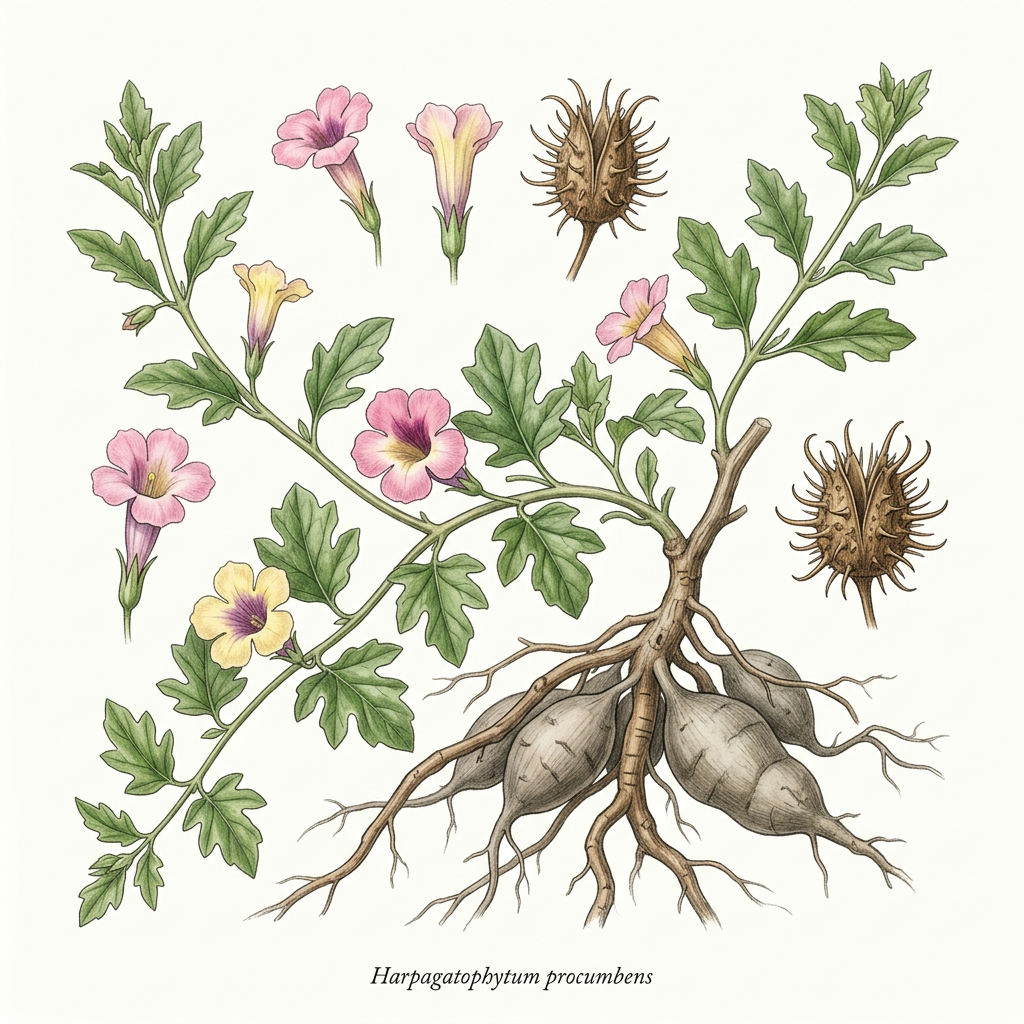
Harpagophytum procumbens
Circulation enhancement
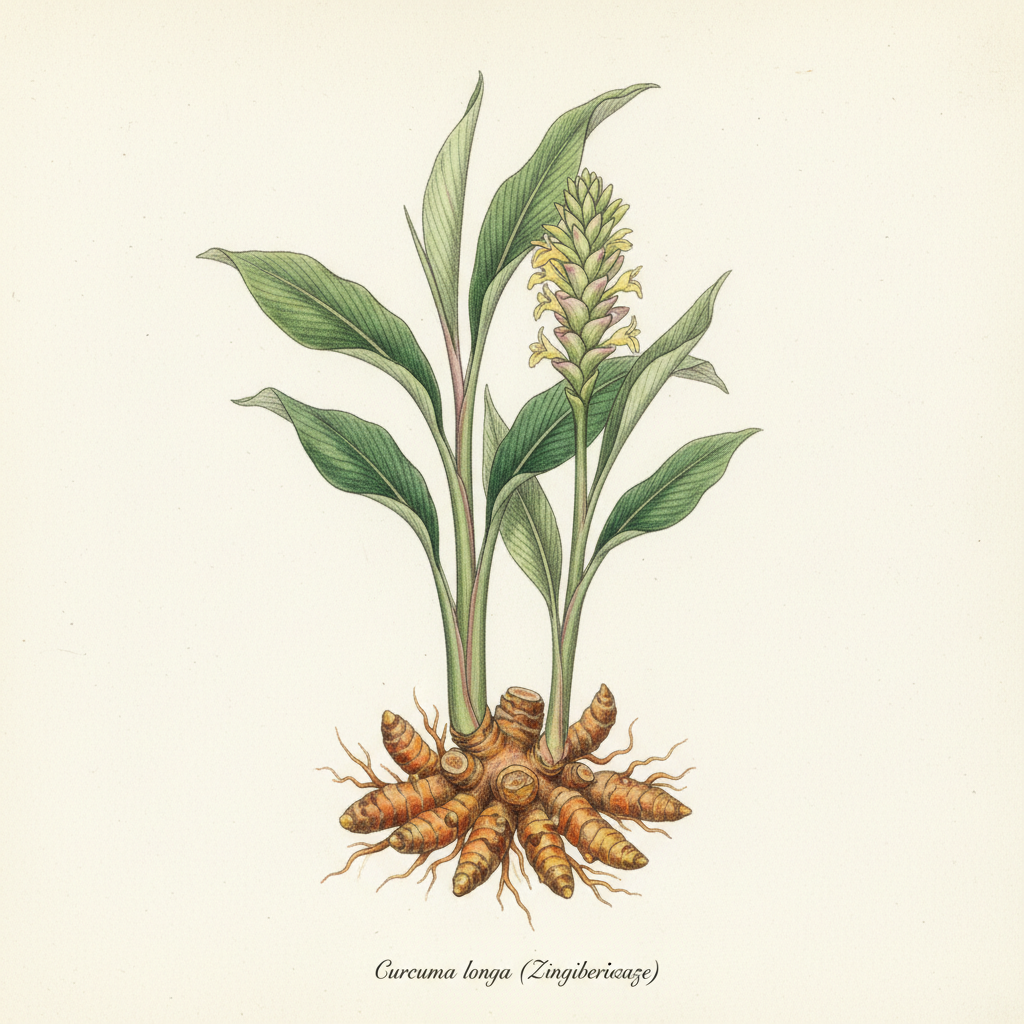
Turmeric

Turmeric

Curcuma longa

Antioxidant
Wormwood

Wormwood

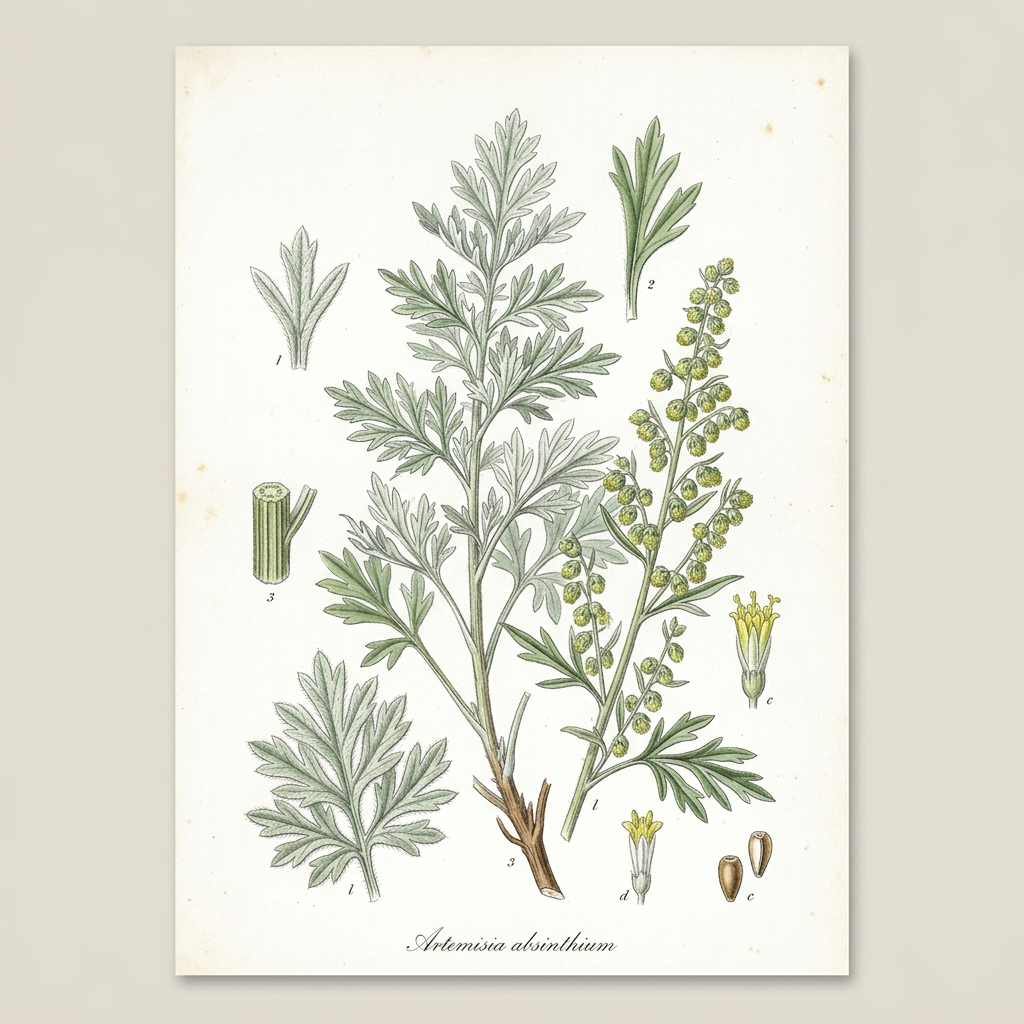
Artemisia absinthium

Angelica

Angelica

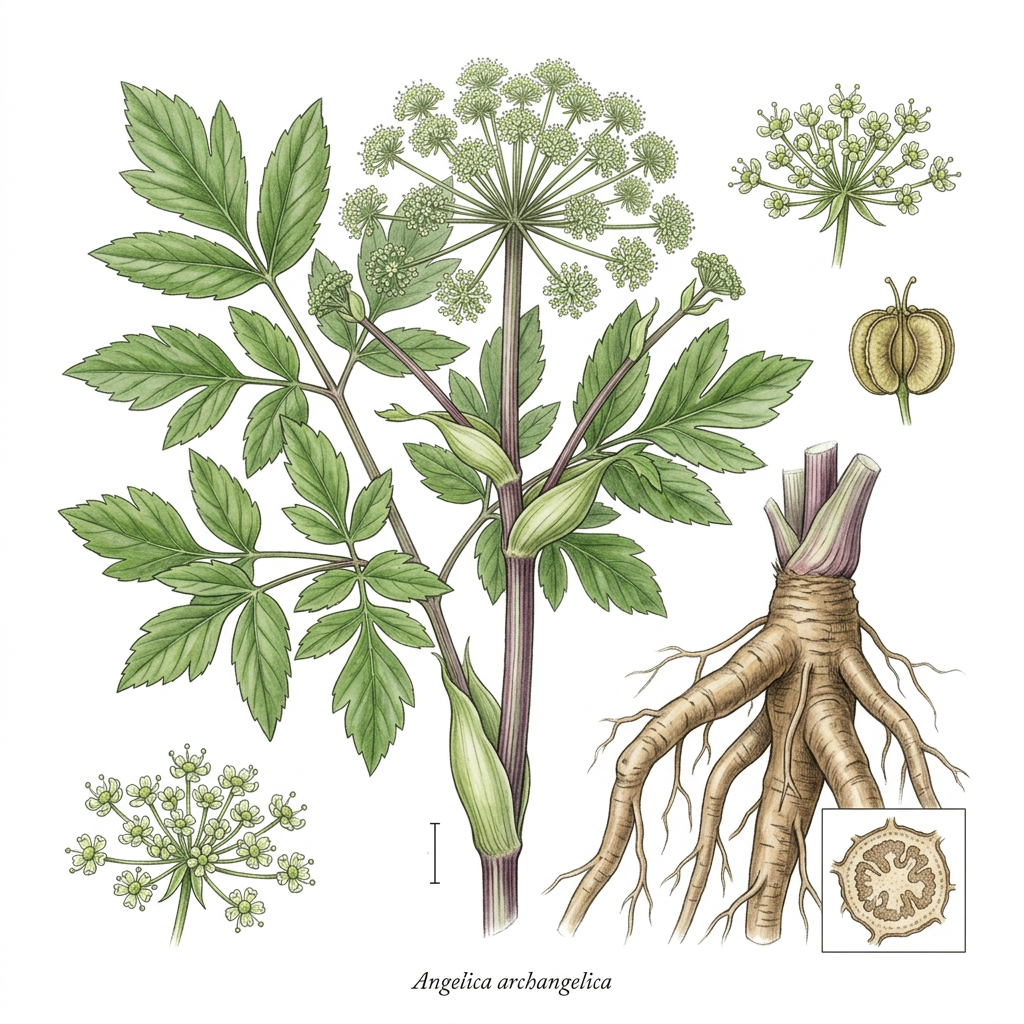
Angelica archangelica

Circulatory Stimulant