The Wild Sage logo
The Wild Sage Logo

Herbal Medicine at your fingertips

Comprehensive database of herbal remedies with detailed safety information and traditional uses

New to herbal terms? Read the glossary →
ADHD
Abcess
Acid Reflux Relief
Acinetobacter
Acne
Acne Vulgaris
Addisons
Adenomyosis
Adenovirus
Adrenal fatigue
Aging
Aids
Alcaligenes faecalis
Alcoholism
Allergic Rhinitis
Allergies
Allergy
Alopoecia
Alopoecia nervosa
Alzheimer's, Dementia & Cognitive Decline
420 herbs found
Important: This information is for educational purposes only. Always consult with qualified healthcare professionals before using herbal remedies, especially if you have existing health conditions or take medications.
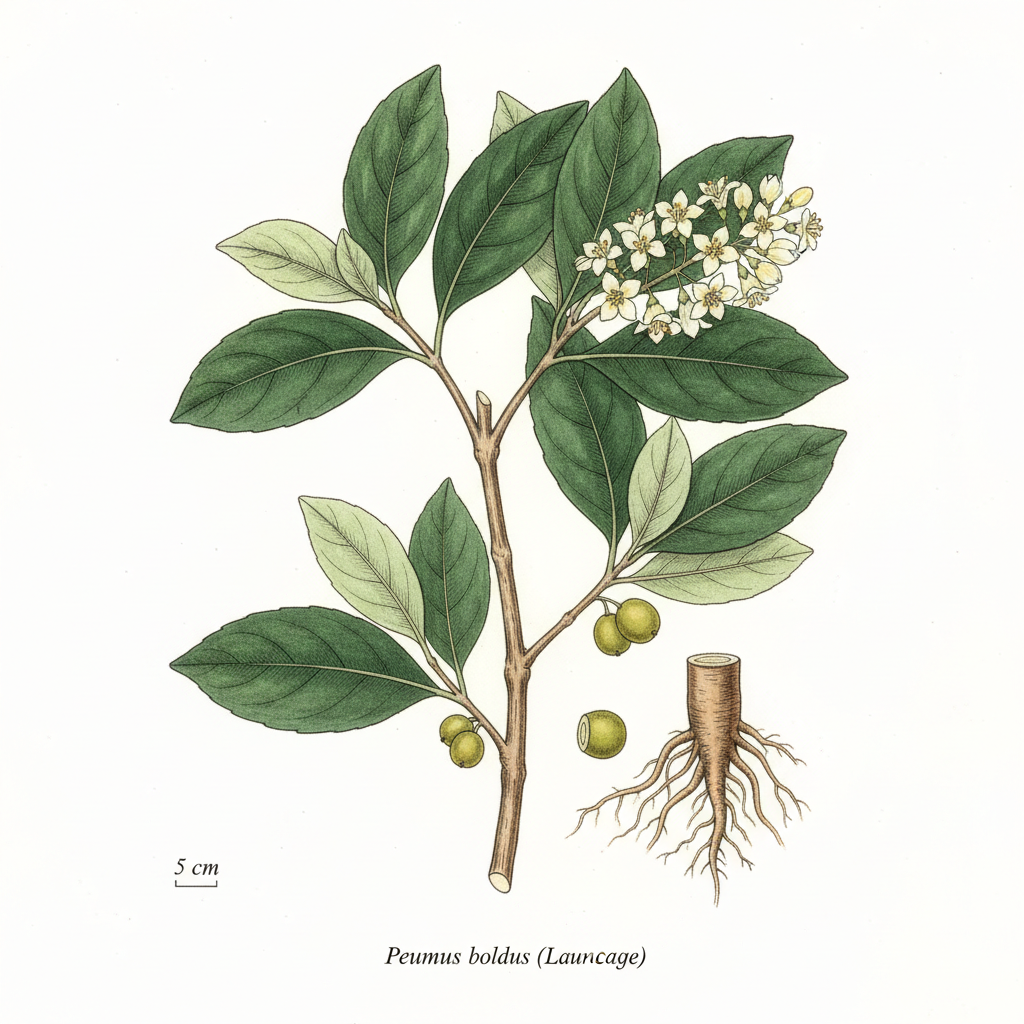
Boldo

Boldo

Peumus boldus

moderate risk Risk
Lauraceae
believed to have a warming effect on the body, promoting circulation and aiding in detoxification.
<p>Boldo, scientifically known as *Peumus boldus*, is a small evergreen tree native to the warm climates of South America, particularly in Chile and Peru. Historically, the leaves of Boldo have been utilized in traditional herbal medicine, particularly among indigenous populations. The use of Boldo is deeply rooted in both folk medicine and contemporary herbal practices, where it has been revered as a natural remedy for various ailments. Traditionally, Boldo leaves were brewed into herbal infusions to support digestive health and enhance liver function, reflecting its longstanding role in the holistic approaches of indigenous healing practices. With its distinct aromatic profile and rich cultural history, Boldo has gained recognition in modern herbalism for its diverse therapeutic applications. The primary therapeutic properties of Boldo are attributed to its active compounds, including alkaloids, flavonoids, and essential oils. These constituents work synergistically to provide essential liver support and digestive aid. Boldo is particularly well-regarded for promoting biliary secretion, thereby enhancing the digestion of fats and aiding in the elimination of toxins from the system. Its antioxidant and anti-inflammatory properties further contribute to liver health by counteracting oxidative stress and promoting cellular repair. Moreover, Boldo has been traditionally employed to alleviate gastrointestinal discomfort, helping to settle upset stomachs and soothe digestive disturbances. The herb is often integrated into wellness regimens aimed at improving overall digestive efficiency and supporting detoxification processes. Boldo exerts its effects through several mechanisms within the body. Its active compounds stimulate bile production in the liver, which is vital for fat digestion and absorption, while also supporting the liver's ability to metabolize and eliminate harmful substances. Additionally, Boldo's antioxidant properties help mitigate the damaging effects of free radicals, fostering a healthier internal environment. By promoting gastrointestinal motility, Boldo facilitates the transit of food through the digestive tract, reducing the likelihood of constipation and discomfort. As such, Boldo stands out not only as a valuable ally for liver and digestive health but also as an integral component of an overarching approach to wellness that honors the intricate connection between our digestive systems and overall vitality.</p>

Uses & Conditions

Digestive Aid
Biliary Secretion Support
Fat Digestion
Detoxification Support
Liver Function Improvement
Inflammation Reduction
Gallbladder Pain Relief
Oxidative Stress Mitigation
Cellular Repair Support
Gastrointestinal Motility Improvement
Cholecystitis
Dyspepsia
Liver Failure
Digestive Issues

Actions

Bitter
Hepatic
Warming

Parts Used

Dried leaves

Native Countries

South America

USDA Hardiness Zones

USDA 8-11

Contraindications

  • Children
  • Hyperbilirubinaemia
  • Hepatocellular disease
  • Septic cholecystitis
  • Biliary spasm
  • Liver cancer

Potential Side Effects

  • Gastrointestinal irritation with excessive doses
  • Neurotoxicity or convulsions with long-term high-dose use of essential oil fractions
  • Rare allergic dermatitis following topical contact

Interactions

  • Anticoagulants such as warfarin: potential increased risk of bleeding
  • Hepatotoxic medications: possible additive stress on liver function
  • Lithium: potential alteration of renal excretion and serum levels
  • CYP450 substrates: potential for metabolic interference

Dosages, tincture ratios & research — members only

Unlock Garreth's dosing guidance, tincture ratios, the dosage calculator and the research studies for Boldo.

Your assessment and results stay saved — upgrading only unlocks more of them.

See membership plans

Community Photos

No community photos yet. Sign in to upload photos.

Reviews & Ratings

Sign in to leave a review.

No reviews yet. Be the first!

GF

Garreth Falls — B.Th., Dip. H.M., MNIMH

Content curated and reviewed by Garreth Falls, Consultant Medical Herbalist · The Wild Sage

Medical Disclaimer: This information is for educational purposes only and is not intended as medical advice. Always consult with qualified healthcare professionals before starting any herbal treatment.
Western tradition

Sustainability & quality

At risk

Harvested from wild populations in Chile, which is subject to management protocols; prefer cultivated sources to support conservation.

Key constituents

boldo extract, Digestive enzymes, Alkaloids, flavonoids, Tannin, Volatile Oils, Cymene, Cinneol, Ascaridole, Linalool, Isorhamnetin

References

  1. Bone & Mills "Principles and Practice of Phytotherapy" 2nd ed. 2013
  2. British Herbal Pharmacopoeia 1983
  3. Herbal Reality. Herb monographs. herbalreality.com

Reviewed by Garreth, Medical Herbalist (MNIMH) · October 2026

Related conditions

Explore conditions where Boldo is traditionally used.

Related Herbs
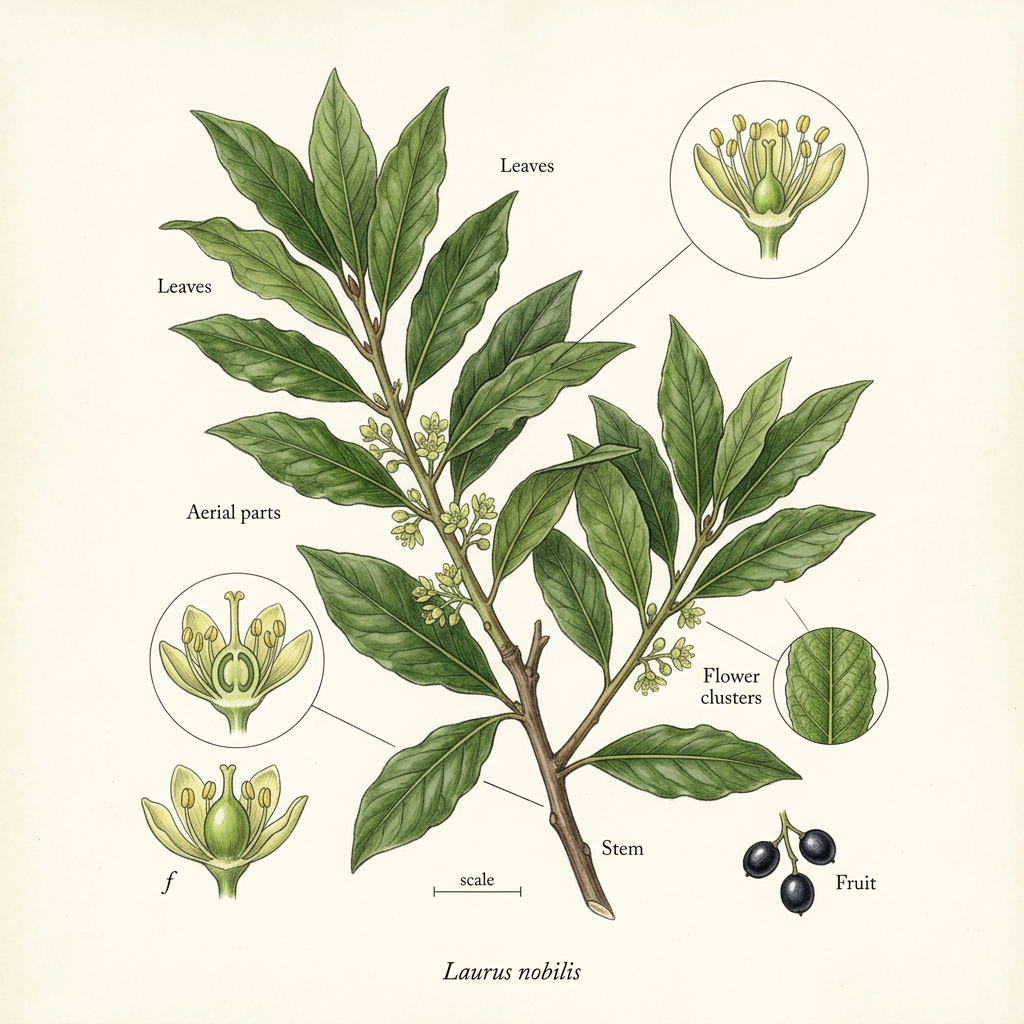
Bay Laurel

Bay Laurel

Laurus nobilis

Digestive Aid
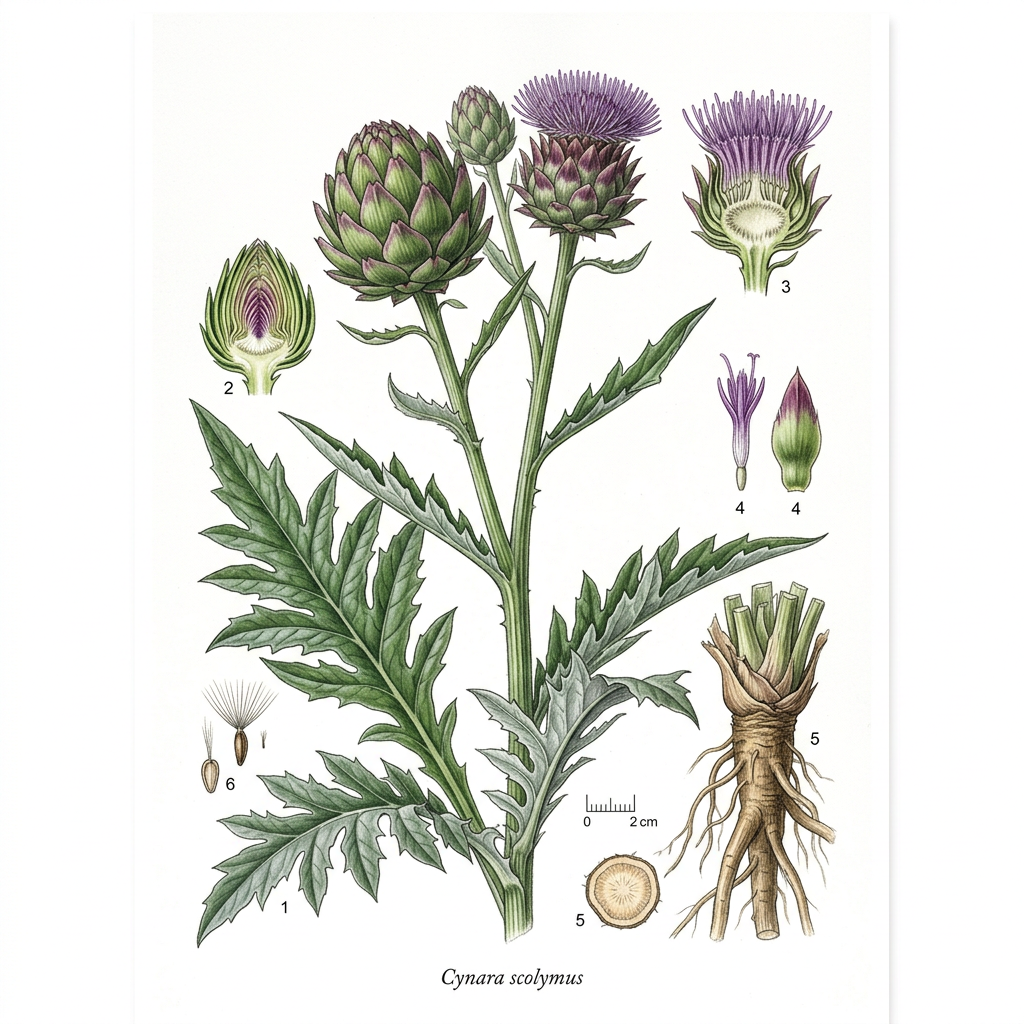
Artichoke

Artichoke

Cynara scolymus

Liver Support
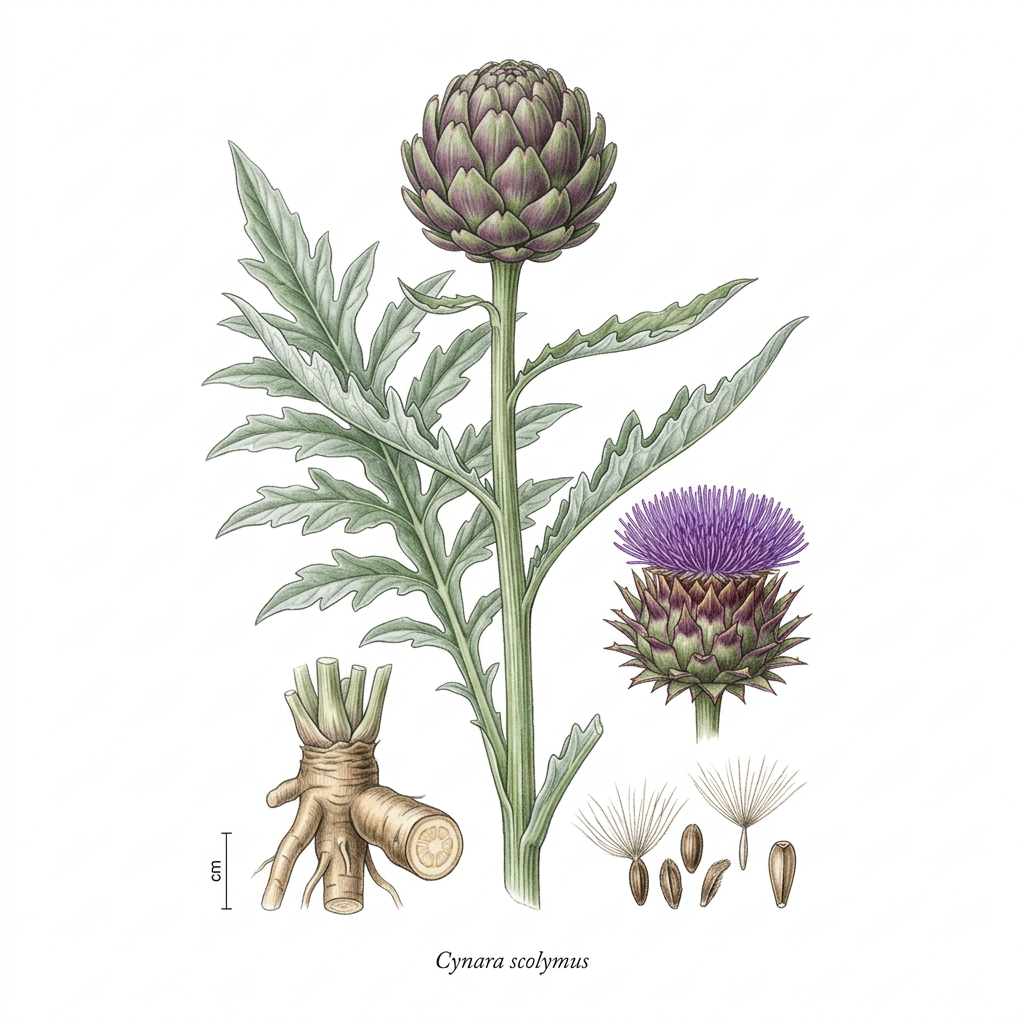
Globe artichoke

Globe artichoke

Cynara scolymus

Liver Support
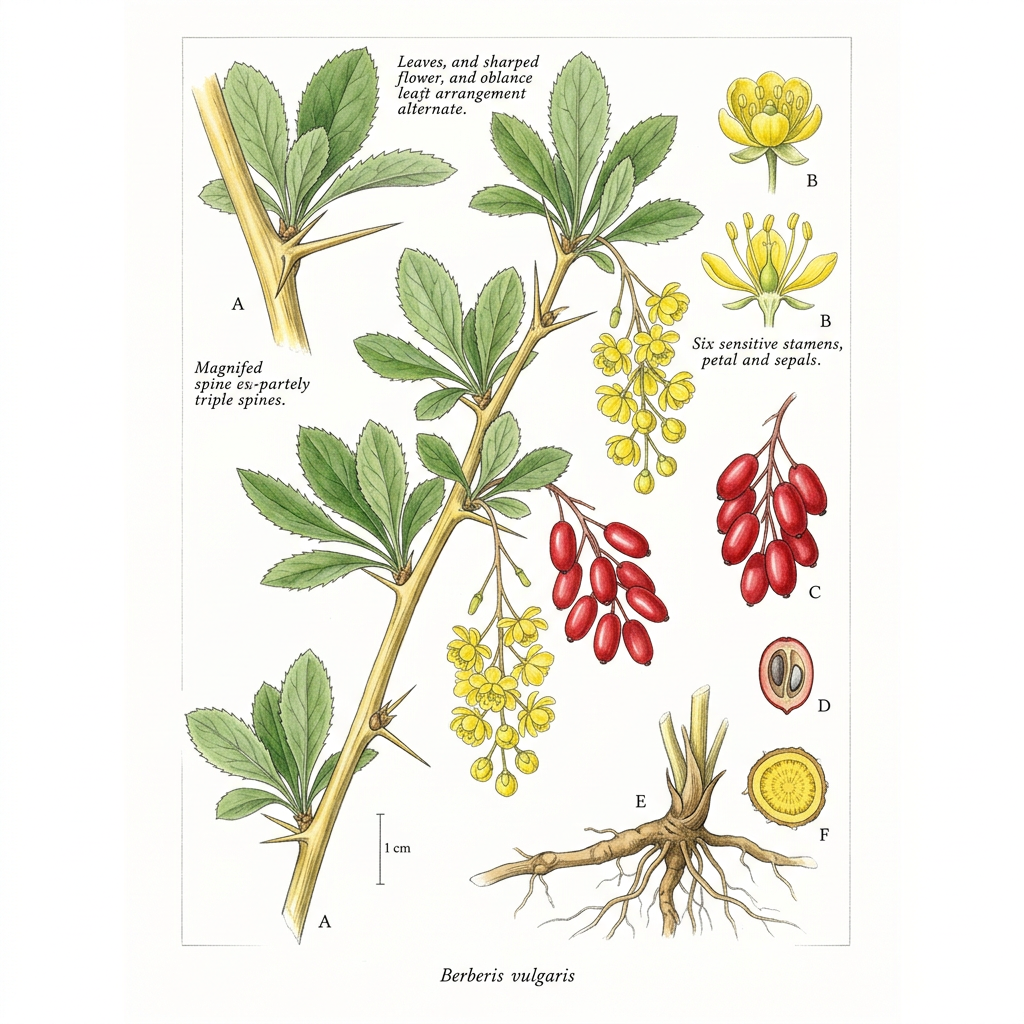
Barberry

Barberry

Berberis vulgaris

Digestive Aid