The Wild Sage logo
The Wild Sage Logo

Herbal Medicine at your fingertips

Comprehensive database of herbal remedies with detailed safety information and traditional uses

New to herbal terms? Read the glossary →
ADHD
Abcess
Acid Reflux Relief
Acinetobacter
Acne
Acne Vulgaris
Addisons
Adenomyosis
Adenovirus
Adrenal fatigue
Aging
Aids
Alcaligenes faecalis
Alcoholism
Allergic Rhinitis
Allergies
Allergy
Alopoecia
Alopoecia nervosa
Alzheimer's, Dementia & Cognitive Decline
420 herbs found
Important: This information is for educational purposes only. Always consult with qualified healthcare professionals before using herbal remedies, especially if you have existing health conditions or take medications.
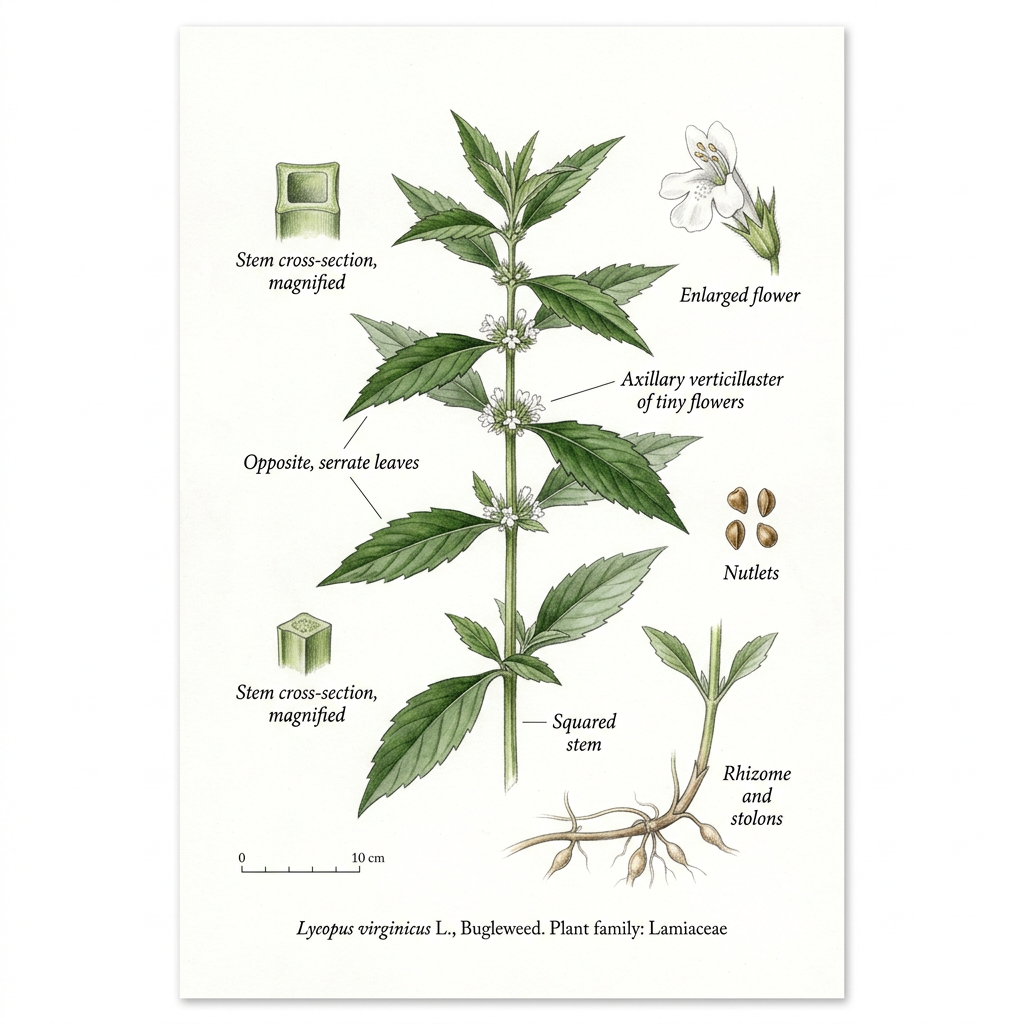
Bugleweed

Bugleweed

Lycopus virginicus

low risk Risk
lamiaceae
Calming and grounding, it supports thyroid balance and emotional stability.
<p>Bugleweed, scientifically known as Lycopus virginicus, is a perennial herb belonging to the mint family (Lamiaceae), native to the wetlands and moist habitats of North America. Traditionally, this herb has been revered by Indigenous peoples and herbal practitioners for its diverse medicinal properties. Historically, Bugleweed has been used as a remedy for various ailments, particularly those related to the thyroid gland, where it was applied for its ability to modulate thyroid activity. This use has continued through generations, paving the way for modern herbalists to embrace Bugleweed as a critical ally in addressing conditions such as hyperthyroidism and associated symptoms. The primary therapeutic properties of Bugleweed include its adaptogenic and anti-hypothyroid actions, making it particularly beneficial for individuals suffering from hyperthyroidism. This herb exhibits a unique ability to regulate thyroid hormone levels, thus helping to alleviate symptoms such as palpitations, anxiety, and insomnia often associated with an overactive thyroid. In addition to its thyroid-supportive properties, Bugleweed is also known to possess mild sedative effects, which can promote relaxation and support cardiovascular health. Its bioactive compounds, such as flavonoids and tannins, contribute to its antioxidant and anti-inflammatory properties, enhancing overall well-being. Bugleweed works within the body by modulating the production and release of thyroid hormones, specifically inhibiting excessive secretion of thyroxine (T4) and triiodothyronine (T3). This action assists in restoring balance to the endocrine system, thereby alleviating symptoms linked to hyperthyroidism through its supportive effects on heart rate and nervous system stability. Furthermore, Bugleweed continues to be of interest in research concerning its effects on the cardiovascular system and its potential role in reducing anxiety-related symptoms. Through its comprehensive action, Bugleweed stands out as a potent botanical resource for those seeking a natural approach to managing thyroid health and related concerns.</p>

Uses & Conditions

Thyroid Support
Hyperthyroidism
Anxiety Disorders
Back Pain
Inflammatory Conditions
Autoimmune Conditions
E. coli infections
Cough
Parkinson's disease
Goitre

Actions

Anxiolytic
NFkB inhibitor
TNF-alpha inhibitor

Parts Used

Aerial parts

Native Countries

North America

USDA Hardiness Zones

3-10

Contraindications

  • Pregnancy
  • Breastfeeding
  • Hypothyroidism
  • Pre-surgery

Potential Side Effects

  • Fatigue
  • Weight gain
  • Cold sensitivity
  • Mild gastrointestinal upset
  • Drowsiness

Interactions

  • Thyroid hormone replacement therapy
  • Antithyroid medications
  • Sedatives and CNS depressants
  • Lithium

Dosages, tincture ratios & research — members only

Unlock Garreth's dosing guidance, tincture ratios, the dosage calculator and the research studies for Bugleweed.

Your assessment and results stay saved — upgrading only unlocks more of them.

See membership plans

Community Photos

No community photos yet. Sign in to upload photos.

Reviews & Ratings

Sign in to leave a review.

No reviews yet. Be the first!

GF

Garreth Falls — B.Th., Dip. H.M., MNIMH

Content curated and reviewed by Garreth Falls, Consultant Medical Herbalist · The Wild Sage

Medical Disclaimer: This information is for educational purposes only and is not intended as medical advice. Always consult with qualified healthcare professionals before starting any herbal treatment.
Western tradition

Sustainability & quality

At risk

Locally threatened in parts of its range. Prioritise cultivated supplies to avoid harvesting sensitive wetlands.

Key constituents

Lithospermic acid, Rosmarinic acid, Caffeic acid derivatives, Flavonoids, Tannins, Volatile oils, Resins

References

  1. British Herbal Pharmacopoeia 1983
  2. Herbal Reality. Herb monographs. herbalreality.com

Reviewed by Garreth, Medical Herbalist (MNIMH) · October 2026

Related conditions

Explore conditions where Bugleweed is traditionally used.

Related Herbs
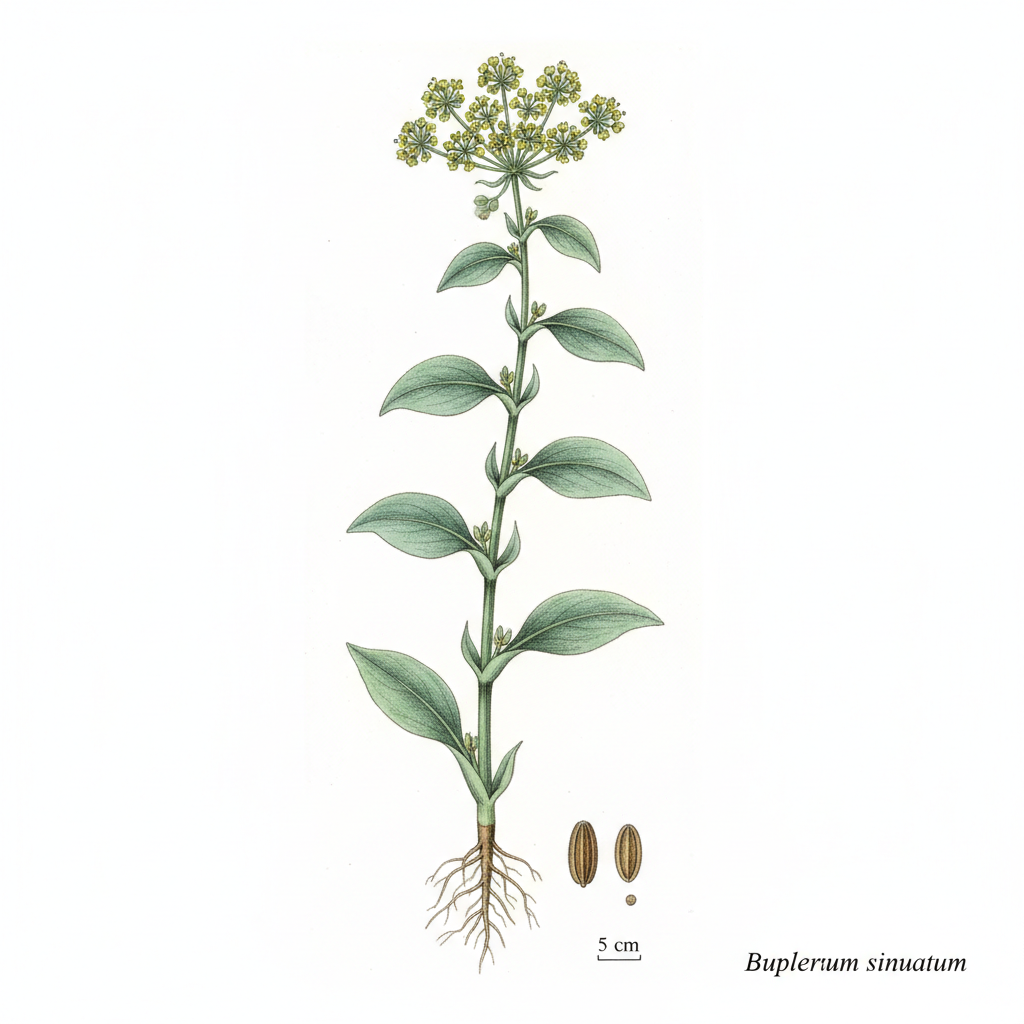
Bupleurum

Bupleurum
Bupleurum

Detoxification
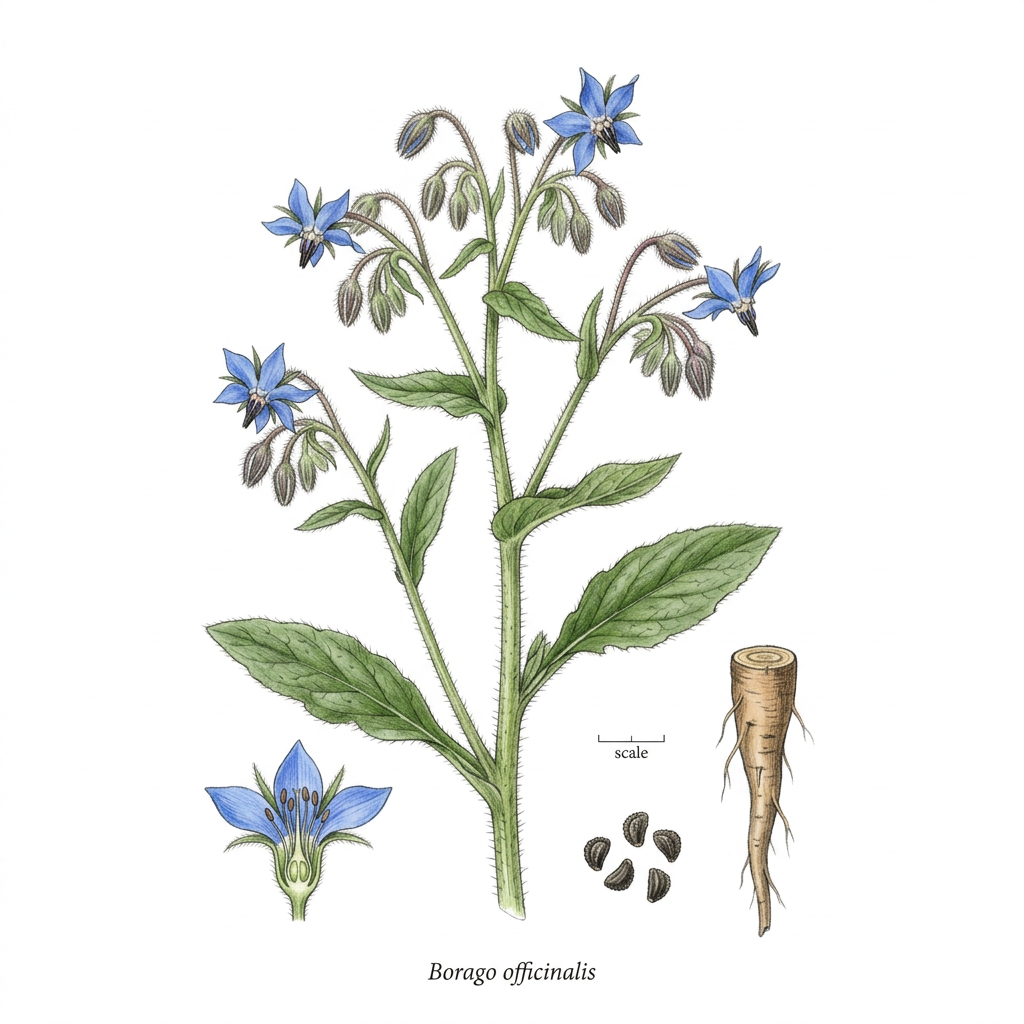
Borage

Borage

Borago officinalis

Emotional Resilience
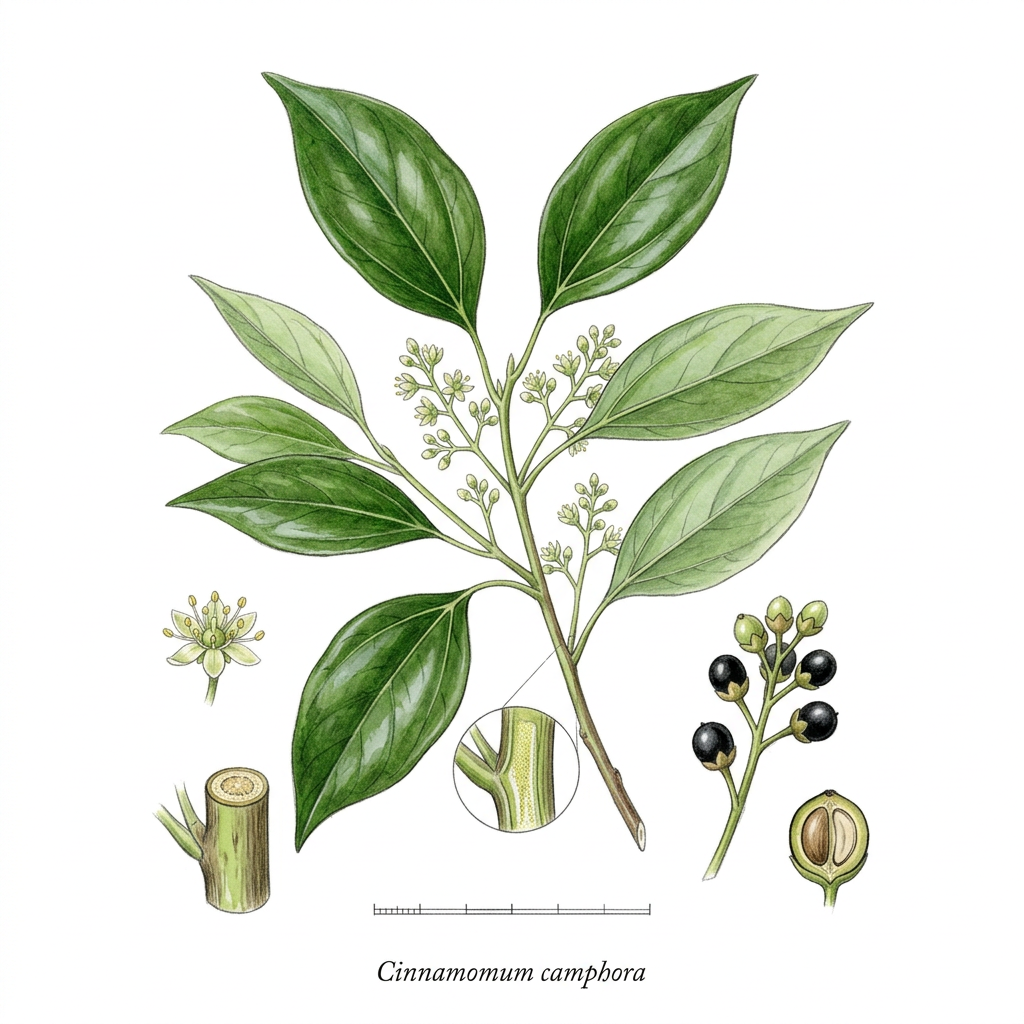
Camphor

Camphor

Cinnamomum camphora

Purification
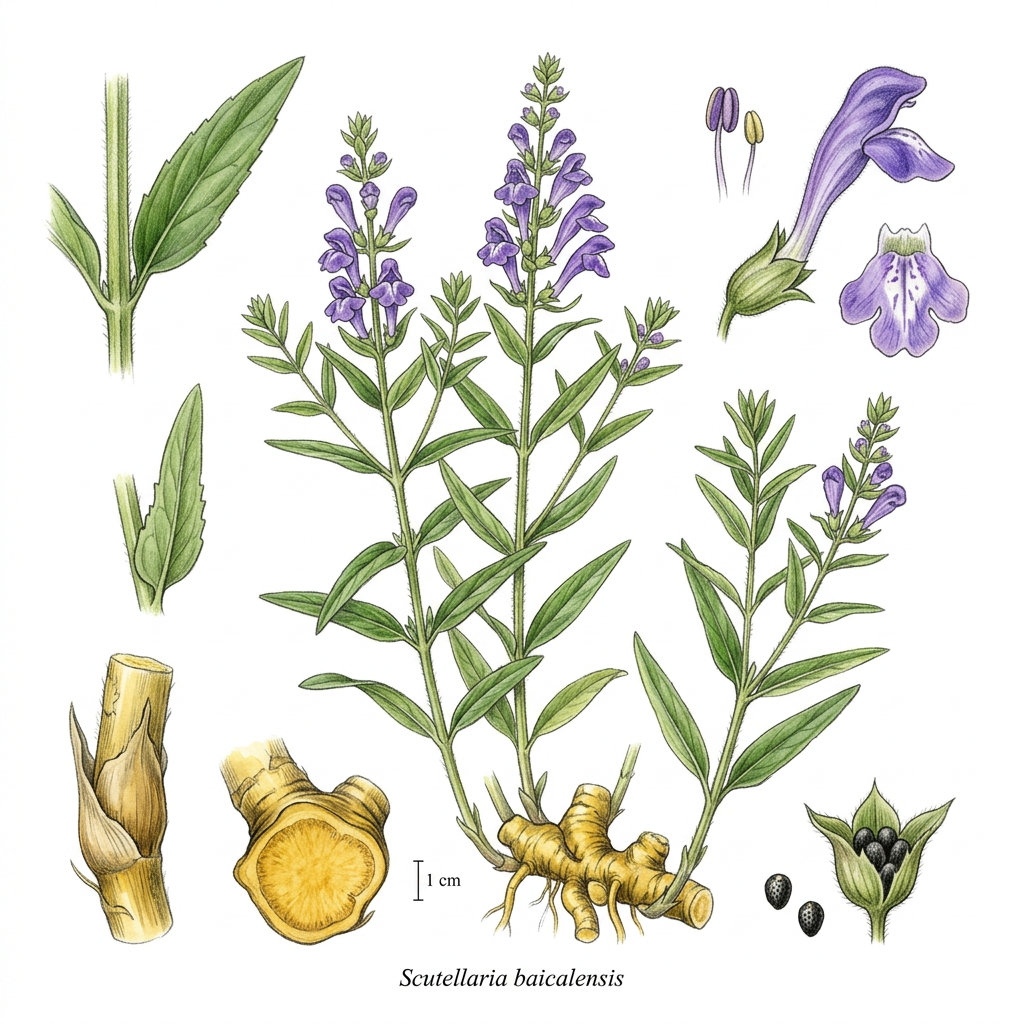
Chinese Skullcap

Chinese Skullcap

Scutellaria baicalensis

Immune Support