

Herbal Medicine at your fingertips
Comprehensive database of herbal remedies with detailed safety information and traditional uses
New to herbal terms? Read the glossary →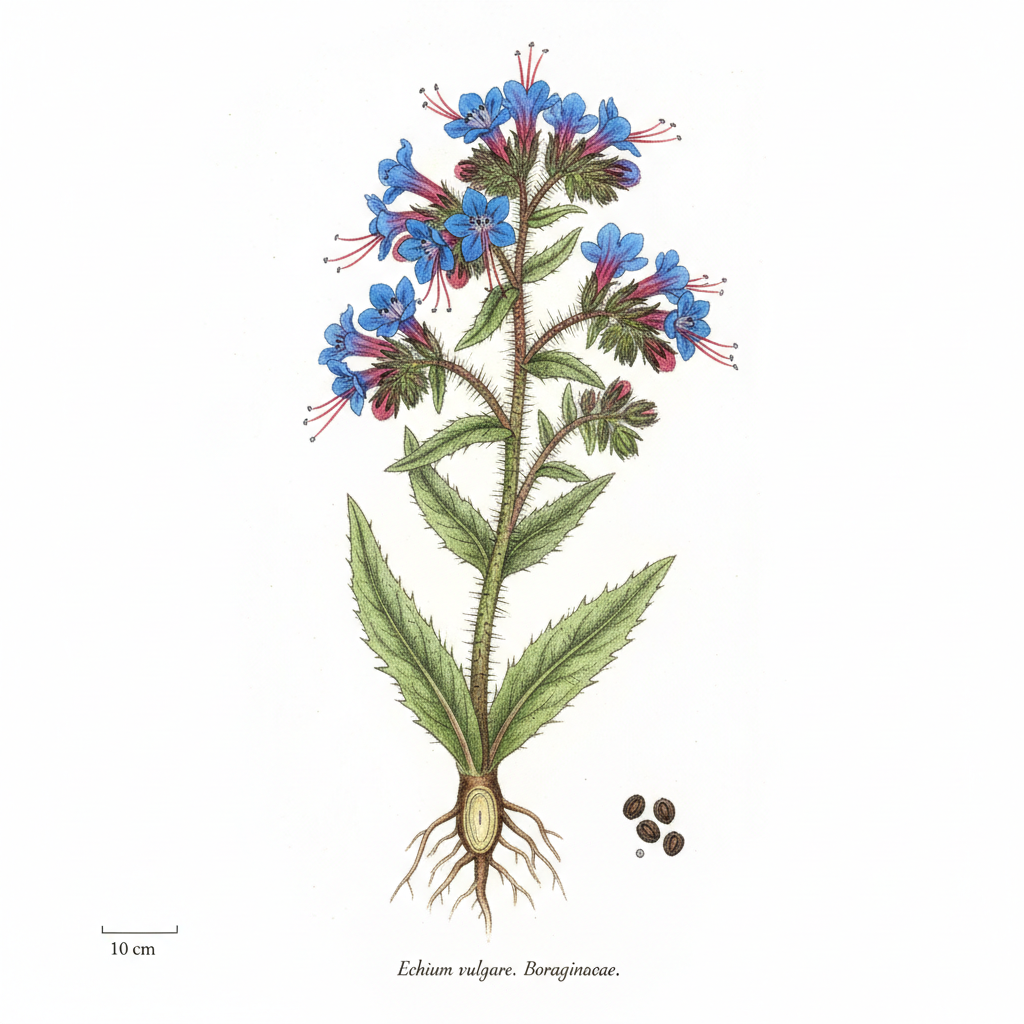
Bugloss
Echium vulgare
Uses & Conditions
Actions
Parts Used
Native Countries
USDA Hardiness Zones
Contraindications
- Pregnancy and breastfeeding
- Pre-existing liver disease or impairment
- Children and adolescents under 18 years of age
- Long-term or high-dose usage
- Concurrent use with other known hepatotoxic medications
Potential Side Effects
- Nausea
- Mild abdominal pain
- Skin sensitivity or allergic reaction upon topical application
- Cumulative liver damage with chronic long-term ingestion
Interactions
- Hepatotoxic drugs such as paracetamol or statins
- Anticoagulants and antiplatelet drugs
Dosages, tincture ratios & research — members only
Unlock Garreth's dosing guidance, tincture ratios, the dosage calculator and the research studies for Bugloss.
Your assessment and results stay saved — upgrading only unlocks more of them.
See membership plansCommunity Photos
No community photos yet. Sign in to upload photos.
Reviews & Ratings
Sign in to leave a review.
No reviews yet. Be the first!
Garreth Falls — B.Th., Dip. H.M., MNIMH
Content curated and reviewed by Garreth Falls, Consultant Medical Herbalist · The Wild Sage
Sustainability & quality
AbundantDuplicate entry for Echium; treat as native wildflower, generally abundant.
Key constituents
Pyrrolizidine alkaloids (e.g., echimidine, echinatine), Gamma-linolenic acid (GLA), Allantoin, Mucilage polysaccharides, Phenolic acids, Flavonoids, Tannins
References
- Herbal Reality. Herb monographs. herbalreality.com
Reviewed by Garreth, Medical Herbalist (MNIMH) · October 2026
Related conditions
Explore conditions where Bugloss is traditionally used.
Related Herbs
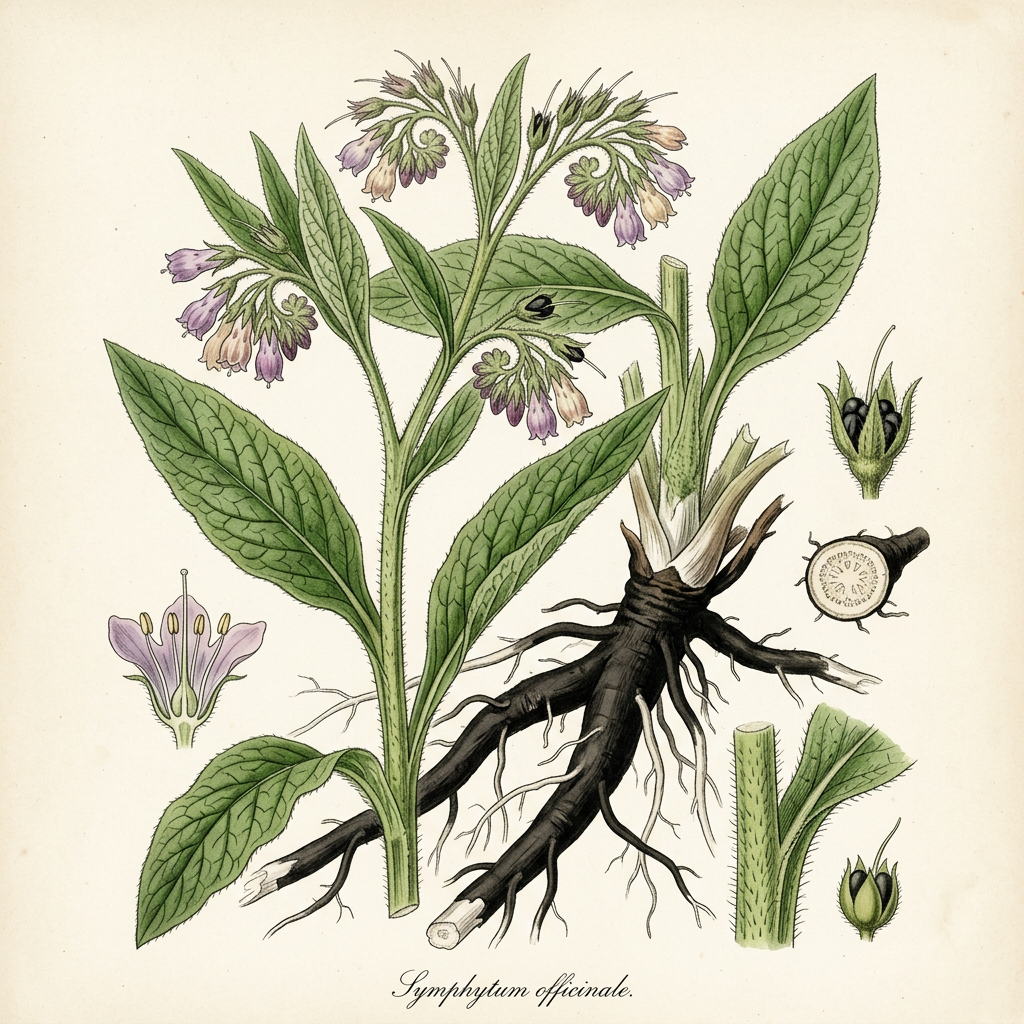
Comfrey
Symphytum officinale
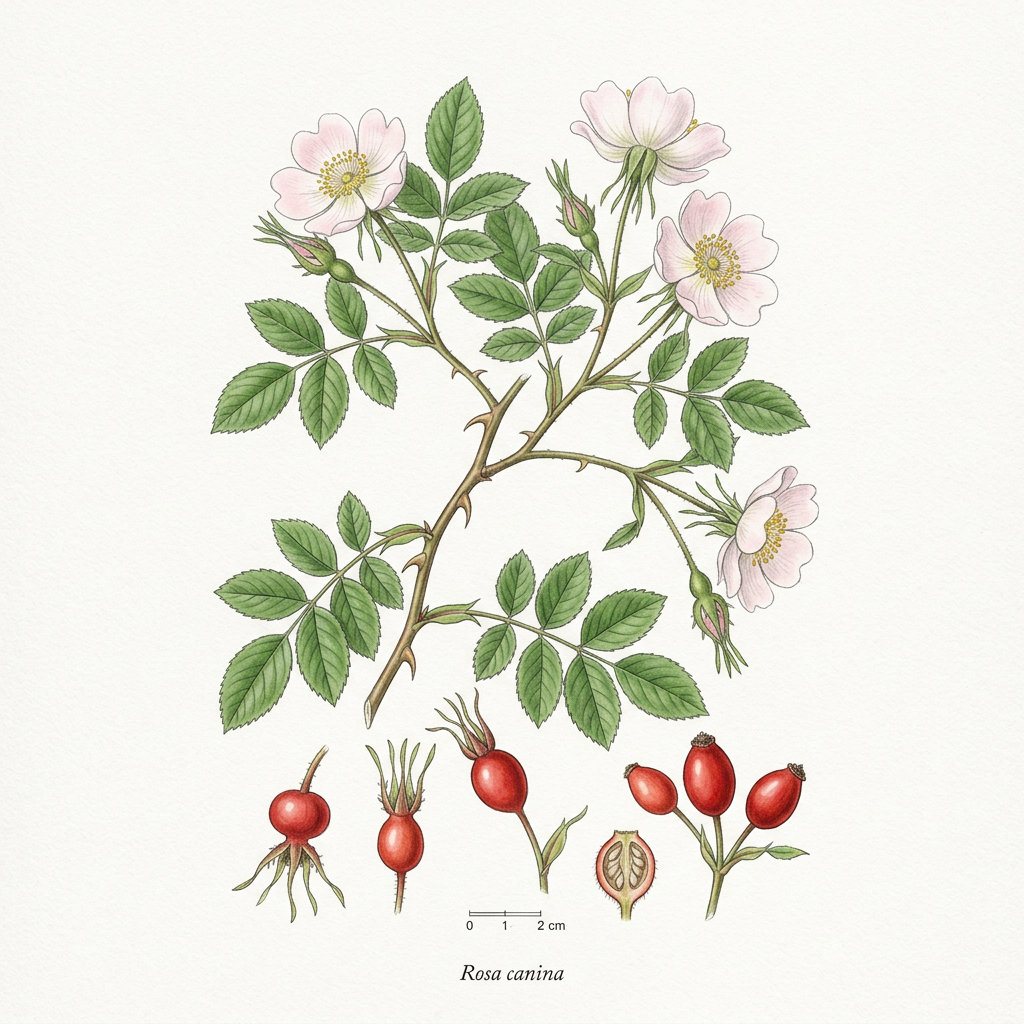
Dog rose
Rosa canina
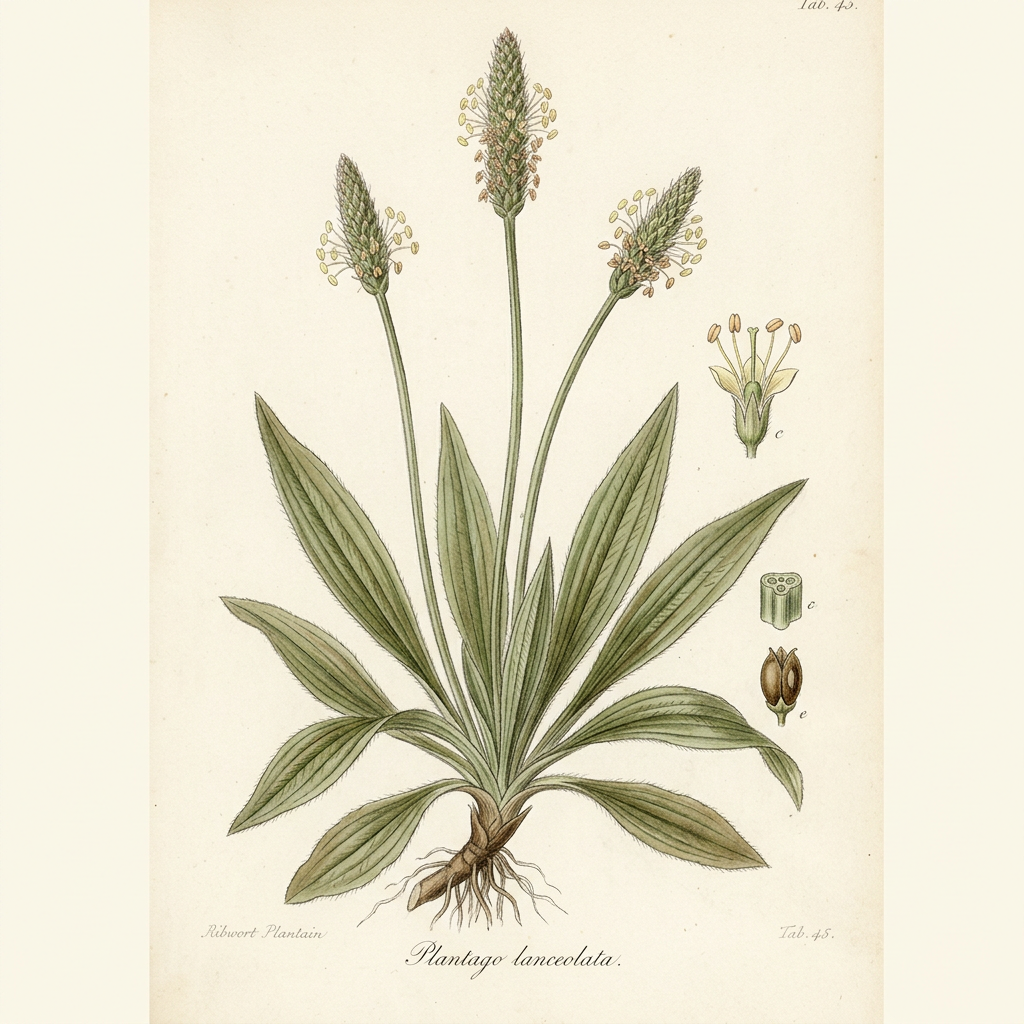
Plantain
Plantago lanceolata
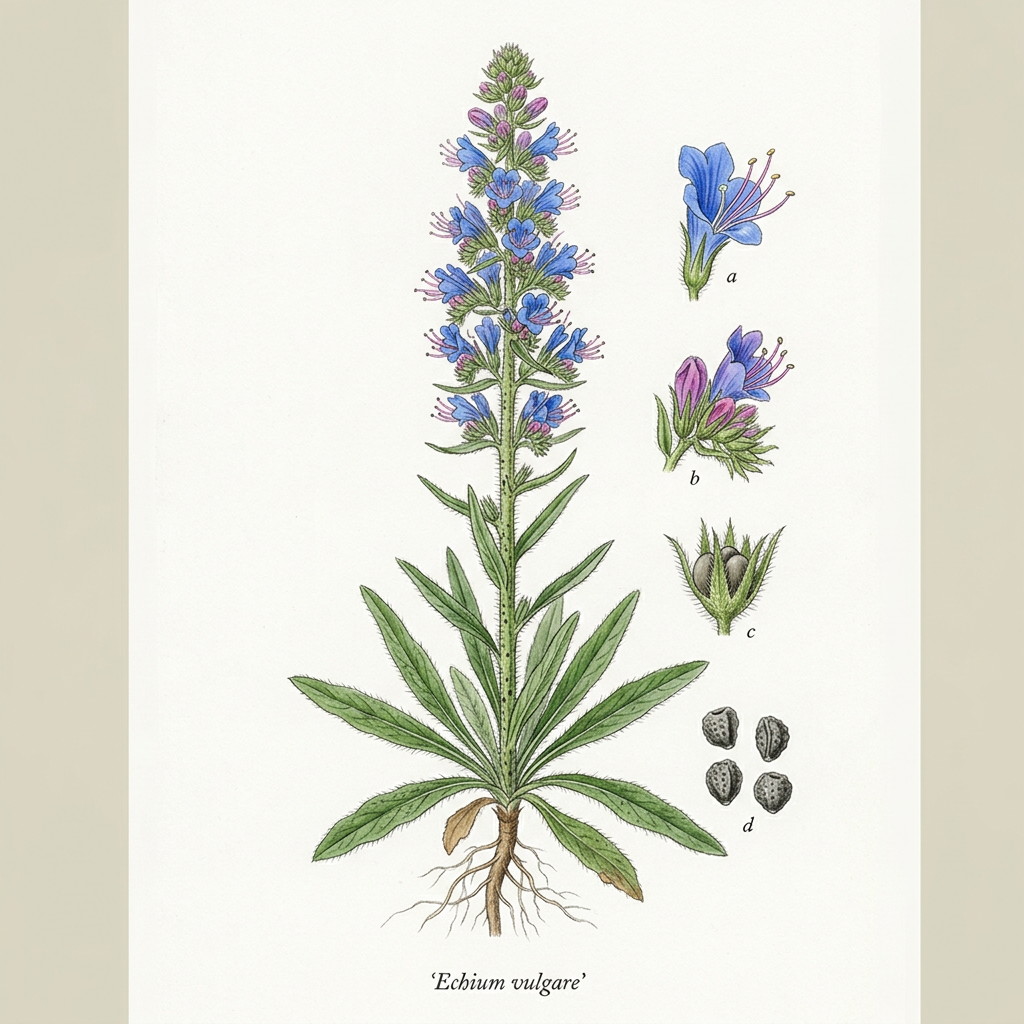
Vipers bugloss
Echium vulgare