The Wild Sage logo
The Wild Sage Logo

Herbal Medicine at your fingertips

Comprehensive database of herbal remedies with detailed safety information and traditional uses

New to herbal terms? Read the glossary →
ADHD
Abcess
Acid Reflux Relief
Acinetobacter
Acne
Acne Vulgaris
Addisons
Adenomyosis
Adenovirus
Adrenal fatigue
Aging
Aids
Alcaligenes faecalis
Alcoholism
Allergic Rhinitis
Allergies
Allergy
Alopoecia
Alopoecia nervosa
Alzheimer's, Dementia & Cognitive Decline
420 herbs found
Important: This information is for educational purposes only. Always consult with qualified healthcare professionals before using herbal remedies, especially if you have existing health conditions or take medications.
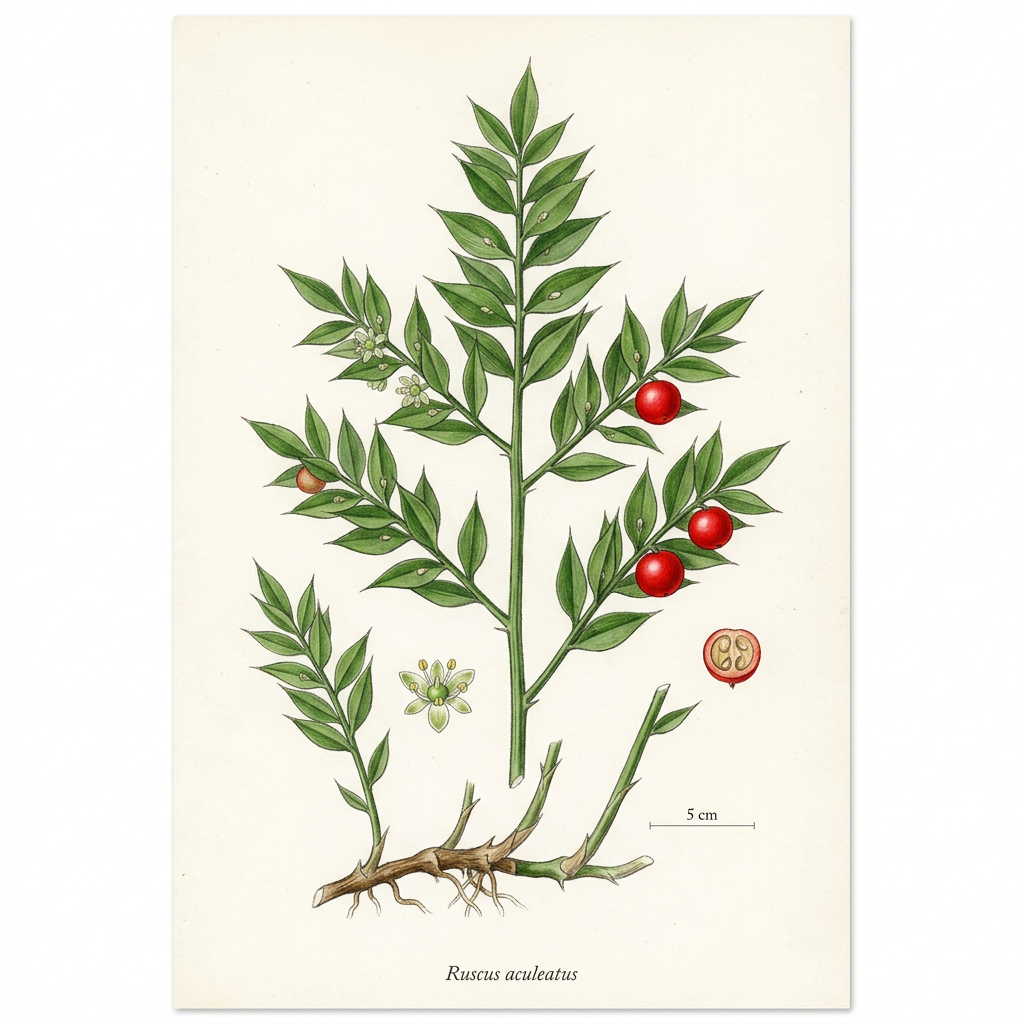
Butcher's Broom

Butcher's Broom

Ruscus aculeatus

moderate risk Risk
Asparagaceae
Protective & Boundary setting, Resilience.
<p>Butcher's broom, scientifically known as Ruscus aculeatus, is a perennial plant native to Europe and parts of Asia, where it grows in woodlands and along forest edges. With its distinctive, spiky leaves and thickened stems, this ancient herb has a rich history of use in traditional medicine. Historically, the name "butcher's broom" originates from its use by butchers in medieval times, who would employ the stiff, leaf-like branches to sweep their floors. Beyond its practical applications, Butcher's broom has been revered for centuries for its therapeutic properties, particularly in the management of circulatory disorders such as hemorrhoids and varicose veins. One of the primary therapeutic attributes of Butcher's broom is its strong venotonic effect, which refers to its capacity to enhance venous tone, improve circulation, and alleviate conditions associated with venous insufficiency. The active constituents, including ruscogenins and flavonoids, contribute to its anti-inflammatory and astringent properties. Clinical applications often involve its use in treating symptoms of chronic venous insufficiency, such as heavy, achy legs, swelling, and discomfort associated with varicose veins and hemorrhoids. Additionally, its ability to support overall circulatory health makes it a valuable herbal ally for individuals experiencing poor blood flow or leg fatigue. Butcher’s broom works through a multifaceted mechanism within the body. The ruscogenins present in the plant enhance the tone and elasticity of blood vessels, which helps to reduce venous stasis—the stagnant pooling of blood in the veins. By improving venous return, Butcher’s broom minimizes swelling and discomfort in the legs. Its anti-inflammatory properties further assist in alleviating the burning and itching sensations associated with hemorrhoids by reducing inflammation in affected tissues. Overall, Butcher's broom stands out as a natural, effective solution for promoting circulatory health and providing relief from a range of venous disorders, making it a cornerstone in herbal medicine for those seeking to enhance their vascular well-being.</p>

Uses & Conditions

Vascular Health
Immune Support
Varicose Veins
Haemorrhoids
Venous Insufficiency
Capillary Fragility
Dysmenorrhoea
Cramps
Carpal Tunnel Syndrome
Cardiac Insufficiency
Hypotension
Deep Vein Thrombosis

Actions

Anti-inflammatory
Circulation Improvement
Cardiosedative
Hypertensive
NFkB Inhibitor
TNF-a Reduction

Parts Used

whole plant.

Native Countries

Europe

USDA Hardiness Zones

4-9

Contraindications

  • Pregnancy: avoid due to potential alpha-adrenergic stimulant effects
  • Breastfeeding: avoid as a precautionary measure due to insufficient safety data
  • Hypertension: monitor blood pressure closely
  • High-dose stimulant medication: avoid concomitant use

Potential Side Effects

  • Gastrointestinal upset including nausea or mild abdominal discomfort
  • Rare tachycardia or palpitations in excessive dosages
  • Minor skin irritation from topical application

Interactions

  • Alpha-blockers: potential for additive effects in lowering blood pressure
  • Antihypertensive medications: may enhance hypotensive effect
  • MAO inhibitors: theoretical risk of interaction

Dosages, tincture ratios & research — members only

Unlock Garreth's dosing guidance, tincture ratios, the dosage calculator and the research studies for Butcher's Broom.

Your assessment and results stay saved — upgrading only unlocks more of them.

See membership plans

Community Photos

No community photos yet. Sign in to upload photos.

Reviews & Ratings

Sign in to leave a review.

No reviews yet. Be the first!

GF

Garreth Falls — B.Th., Dip. H.M., MNIMH

Content curated and reviewed by Garreth Falls, Consultant Medical Herbalist · The Wild Sage

Medical Disclaimer: This information is for educational purposes only and is not intended as medical advice. Always consult with qualified healthcare professionals before starting any herbal treatment.
Western tradition

Sustainability & quality

Cultivated

Typically sourced from cultivated stands in Europe. It is a slow-growing plant, so prefer supplies from certified organic growers to avoid wild-harvest pressure.

Key constituents

Anti-inflammatory, Coumarin (odema modifyer), flavonoids, Saponins, Sterols, Triterpenoids

References

  1. ESCOP Monographs 2nd ed. 2003
  2. EMA/HMPC Community Herbal Monograph
  3. Herbal Reality. Herb monographs. herbalreality.com

Reviewed by Garreth, Medical Herbalist (MNIMH) · October 2026

Related conditions

Explore conditions where Butcher's Broom is traditionally used.

Related Herbs
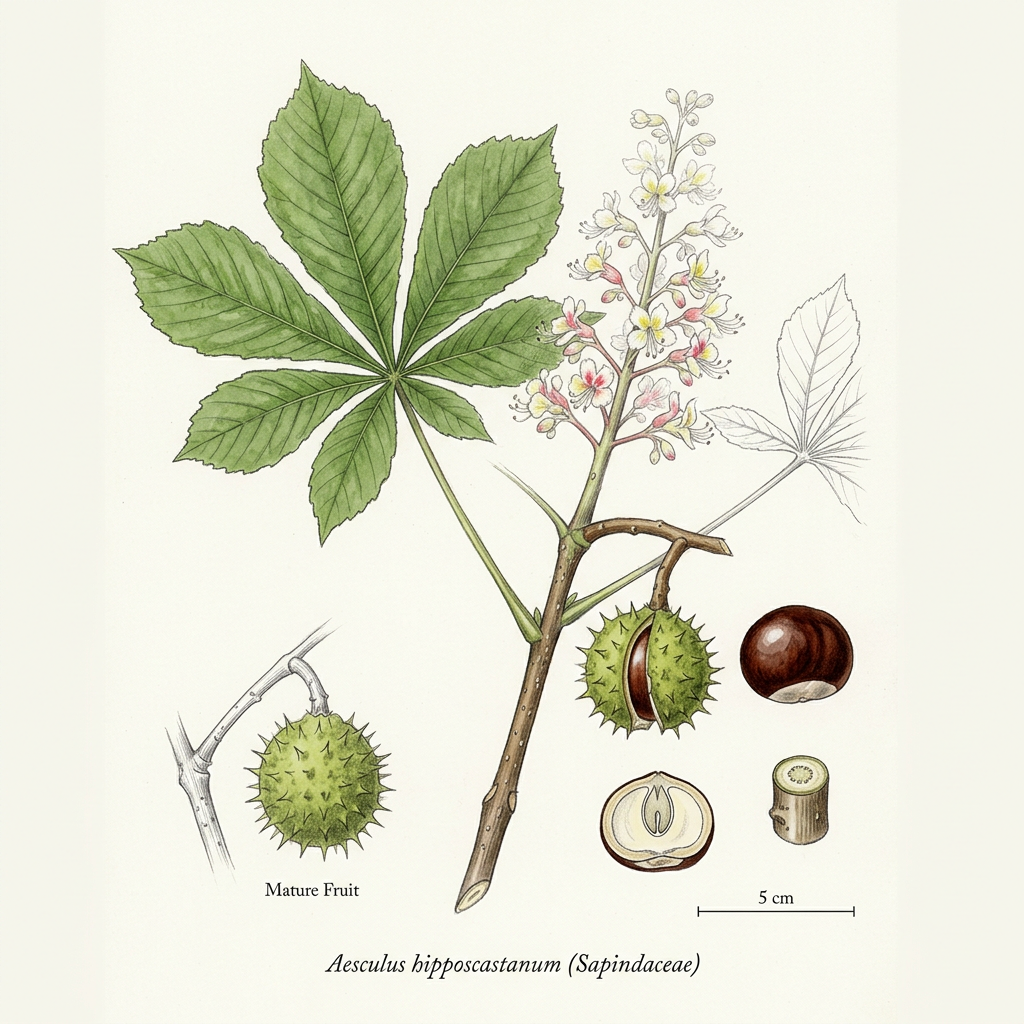
Horse Chestnut

Horse Chestnut

Aesculus hipposcastanum
Blood Tonic
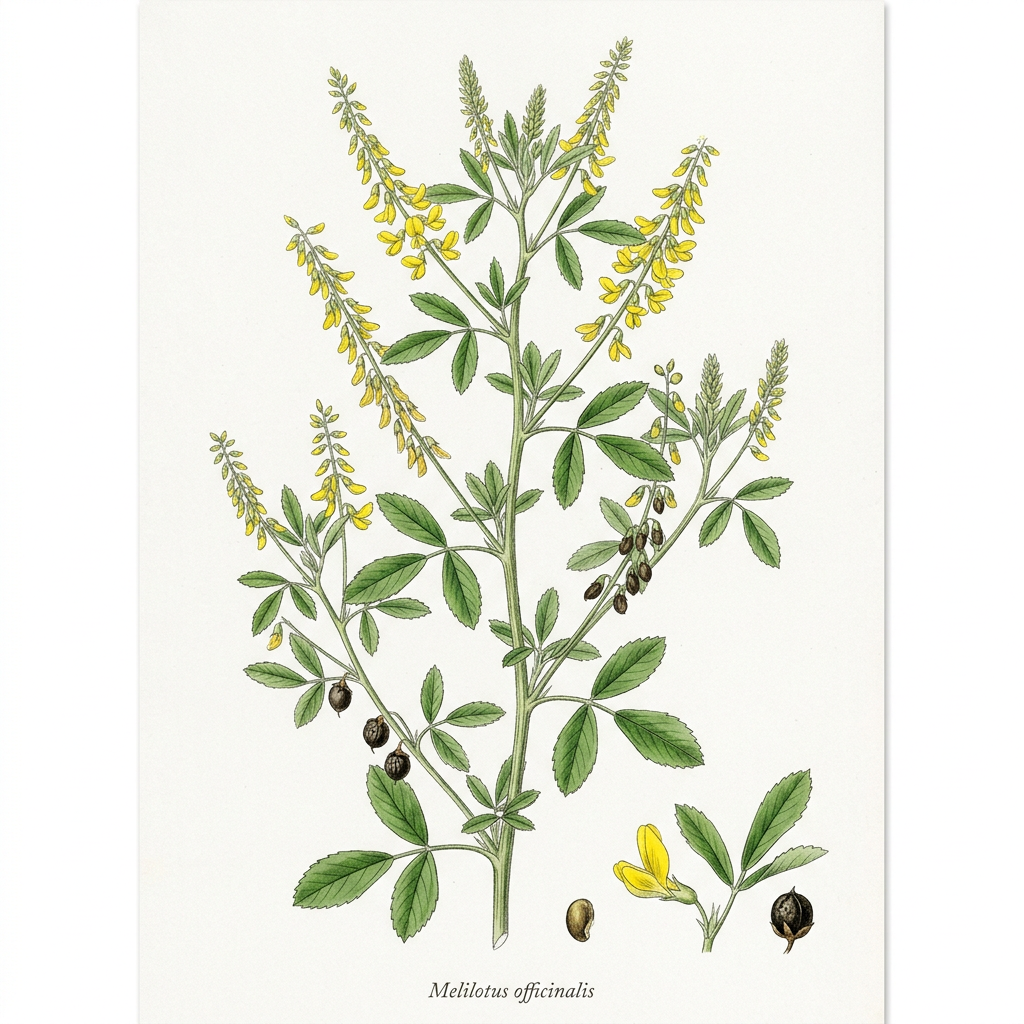
Melilot

Melilot

Melilotus officinalis

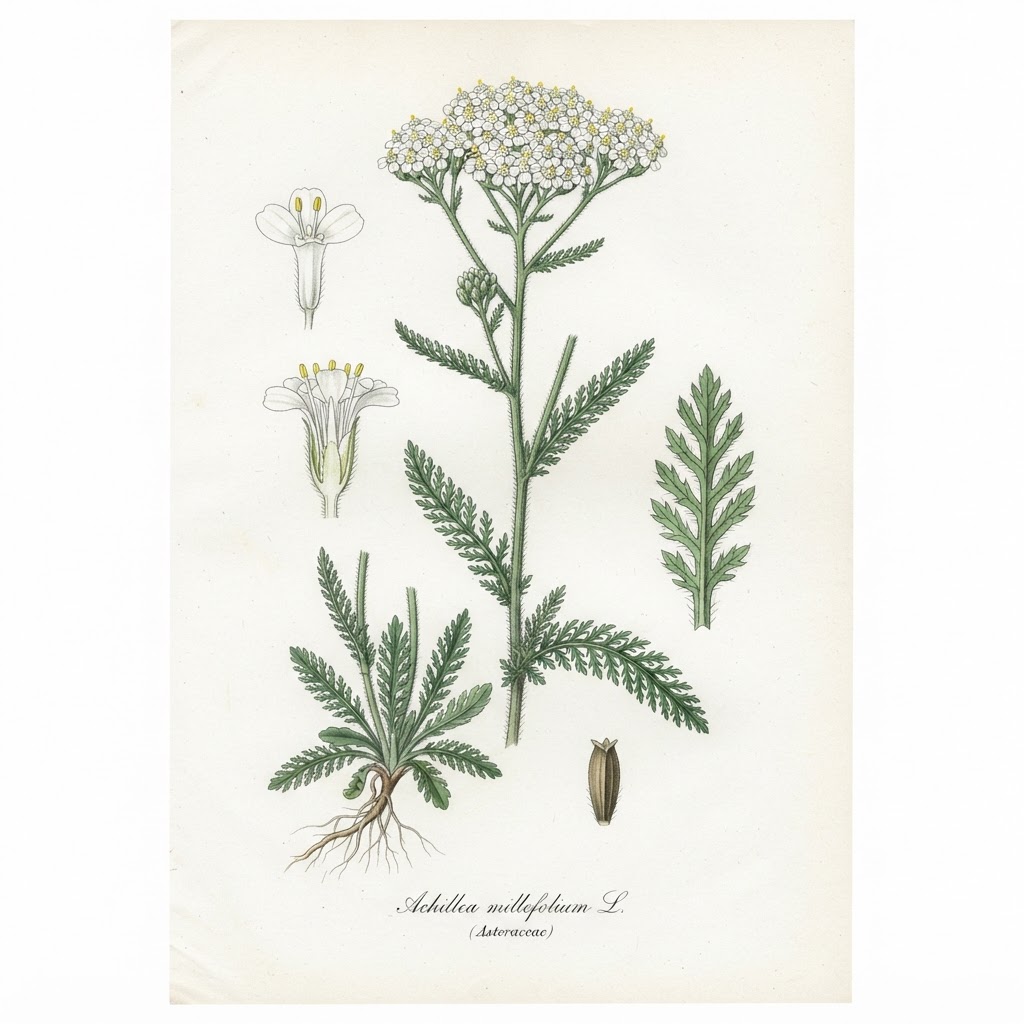
Yarrow

Yarrow

Achillea millefolium

Digestive Tonic
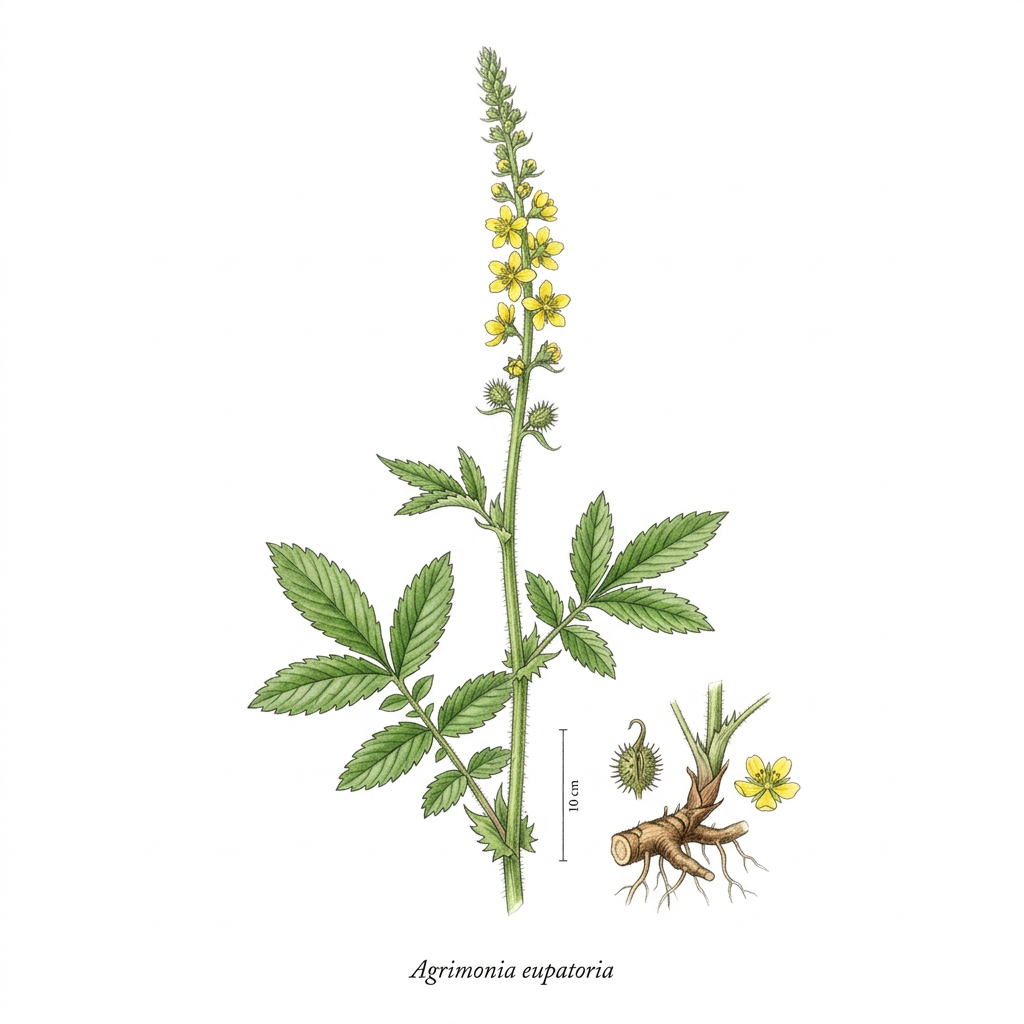
Agrimony

Agrimony

Agrimonia eupatoria

Digestive Aid