The Wild Sage logo
The Wild Sage Logo

Herbal Medicine at your fingertips

Comprehensive database of herbal remedies with detailed safety information and traditional uses

New to herbal terms? Read the glossary →
ADHD
Abcess
Acid Reflux Relief
Acinetobacter
Acne
Acne Vulgaris
Addisons
Adenomyosis
Adenovirus
Adrenal fatigue
Aging
Aids
Alcaligenes faecalis
Alcoholism
Allergic Rhinitis
Allergies
Allergy
Alopoecia
Alopoecia nervosa
Alzheimer's, Dementia & Cognitive Decline
420 herbs found
Important: This information is for educational purposes only. Always consult with qualified healthcare professionals before using herbal remedies, especially if you have existing health conditions or take medications.
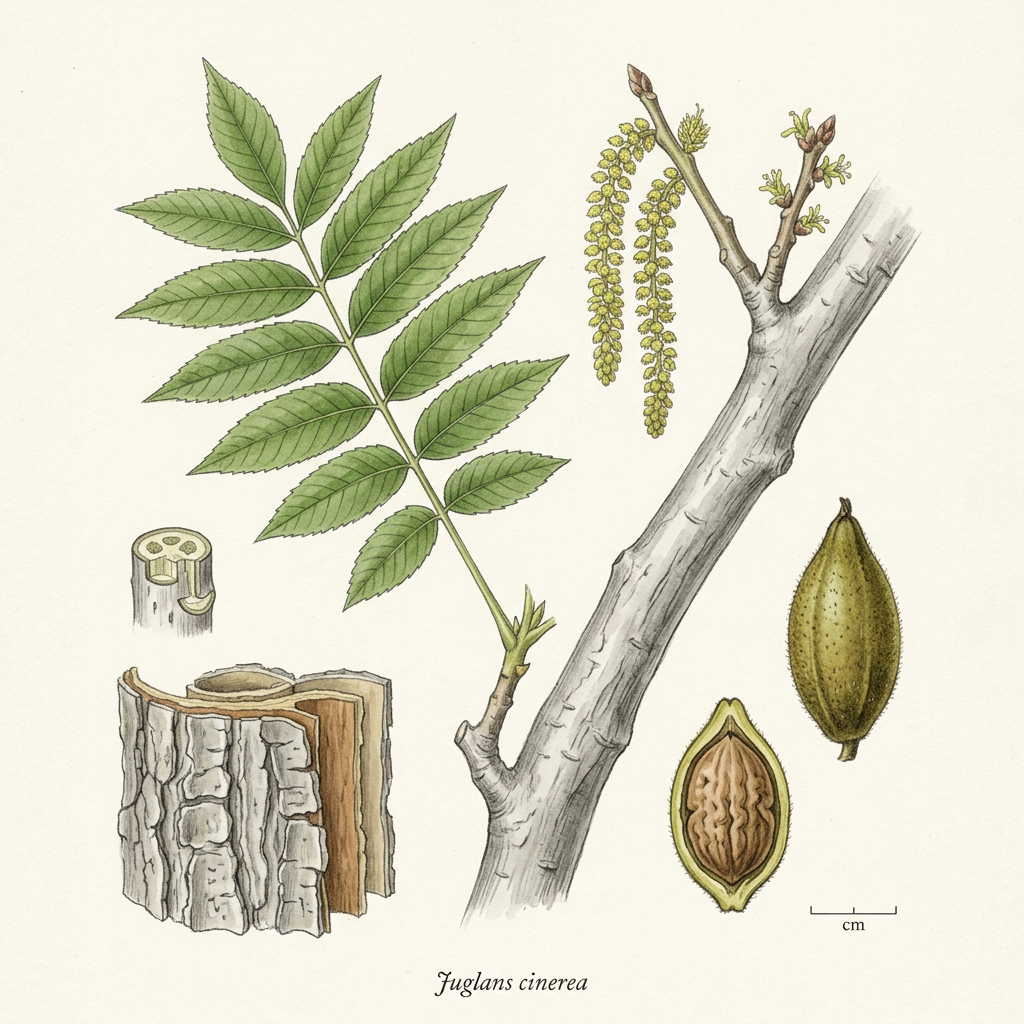
Butternut bark

Butternut bark

Juglans cinerea

moderate risk Risk
Juglandaceae
Bitter, dry and warming
<p>Butternut bark, derived from the inner bark of the Butternut tree (Juglans cinerea), has been utilized in traditional herbal medicine for centuries, especially among Indigenous cultures in North America. Historically, the bark was harvested during the spring when its medicinal properties were considered most potent. Traditionally, Butternut bark was employed for its various therapeutic applications, often utilized as a digestive aid and for its antifungal properties, particularly in the treatment of conditions such as athlete's foot. Its historical use reflects a deep understanding of the natural world and the healing potential held within plants. The key therapeutic properties of Butternut bark are attributed to its antimicrobial and bittersweet components, which contribute to its potent antifungal action and digestive benefits. Its high concentration of juglone, a natural compound found in the bark, lends it significant antifungal and antibacterial properties, which have been corroborated by modern phytochemical studies. This makes Butternut bark particularly effective against fungal infections and conditions that may arise from microbial imbalances. Additionally, its bitter action stimulates digestive secretions, promoting better gastrointestinal health and enhancing nutrient absorption—a vital aspect of overall wellness. When ingested, Butternut bark acts on the digestive system by stimulating liver function and encouraging bile production, which aids in the emulsification and absorption of fats. This increased bile flow not only helps in digestion but also harnesses the antibacterial and antifungal properties to combat pathogens within the gut. As a result, users can experience a dual benefit: improved digestive health alongside symptomatic relief from fungal infections such as athlete's foot. With its rich history and versatile applications, Butternut bark remains a valuable member of the herbalist’s repertoire, demonstrating the importance of plant-based remedies in both traditional and modern health practices.</p>

Uses & Conditions

Digestive Function Improvement
Gut Health Support
Nutrient Absorption
Liver Function Support
Bile Production
Digestive Disorders
IBS
Dyspepsia
Athlete's Foot
Arthritis
Allergy
Bacterial Infection
Fungal Infections
Chronic Inflammatory Bowel Conditions
Acute Intestinal Obstruction

Actions

Digestive Aid
Anti-inflammatory
Anti-parasitic
Anti-microbial

Parts Used

Bark

Native Countries

North america

USDA Hardiness Zones

3-10

Contraindications

  • Pregnancy due to potential stimulating effects on the gastrointestinal tract and uterine tonus
  • Breastfeeding due to lack of safety data
  • Acute intestinal obstruction or mechanical blockages due to cathartic properties
  • Chronic inflammatory bowel conditions like Crohn's disease or ulcerative colitis
  • Severe liver or kidney impairment

Potential Side Effects

  • Abdominal cramping or colic due to overly vigorous cathartic action
  • Nausea if taken on an empty stomach
  • Contact dermatitis on sensitive skin following topical application

Interactions

  • Warfarin and other anticoagulants
  • Prescription laxatives due to potential additive effects leading to electrolyte imbalance
  • Hepatotoxic drugs

Dosages, tincture ratios & research — members only

Unlock Garreth's dosing guidance, tincture ratios, the dosage calculator and the research studies for Butternut bark.

Your assessment and results stay saved — upgrading only unlocks more of them.

See membership plans

Community Photos

No community photos yet. Sign in to upload photos.

Reviews & Ratings

Sign in to leave a review.

No reviews yet. Be the first!

GF

Garreth Falls — B.Th., Dip. H.M., MNIMH

Content curated and reviewed by Garreth Falls, Consultant Medical Herbalist · The Wild Sage

Medical Disclaimer: This information is for educational purposes only and is not intended as medical advice. Always consult with qualified healthcare professionals before starting any herbal treatment.
Western tradition

Sustainability & quality

At risk

The wild populations of this North American tree are under pressure from fungal pathogens and historical over-harvesting. Cultivated sources or responsible, long-term wildcrafting are required.

Key constituents

Juglone (5-hydroxy-1, 4-naphthoquinone), Naphthoquinones, Tannins, Bitter glycosides, Essential oils, Flavonoids, Resins

References

  1. British Herbal Pharmacopoeia 1983
  2. Herbal Reality. Herb monographs. herbalreality.com

Reviewed by Garreth, Medical Herbalist (MNIMH) · October 2026

Related conditions

Explore conditions where Butternut bark is traditionally used.

Related Herbs
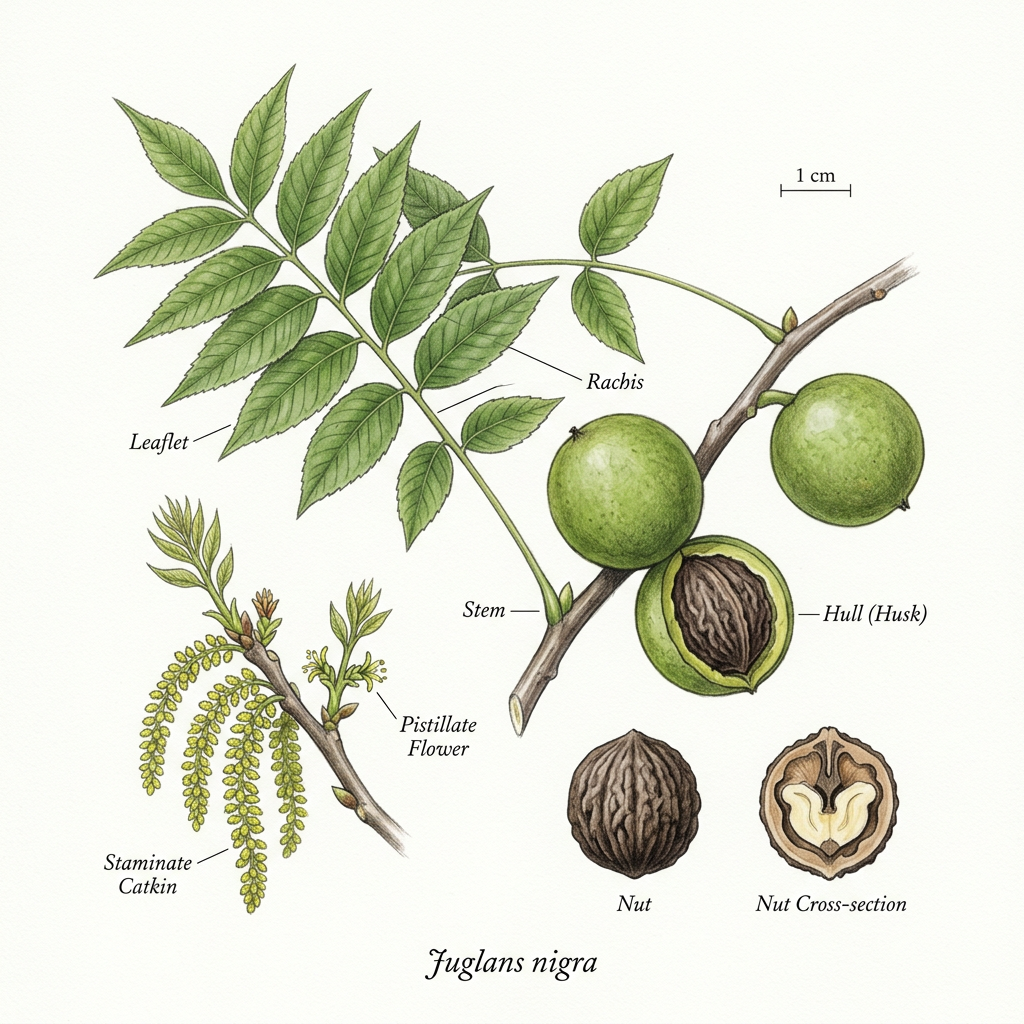
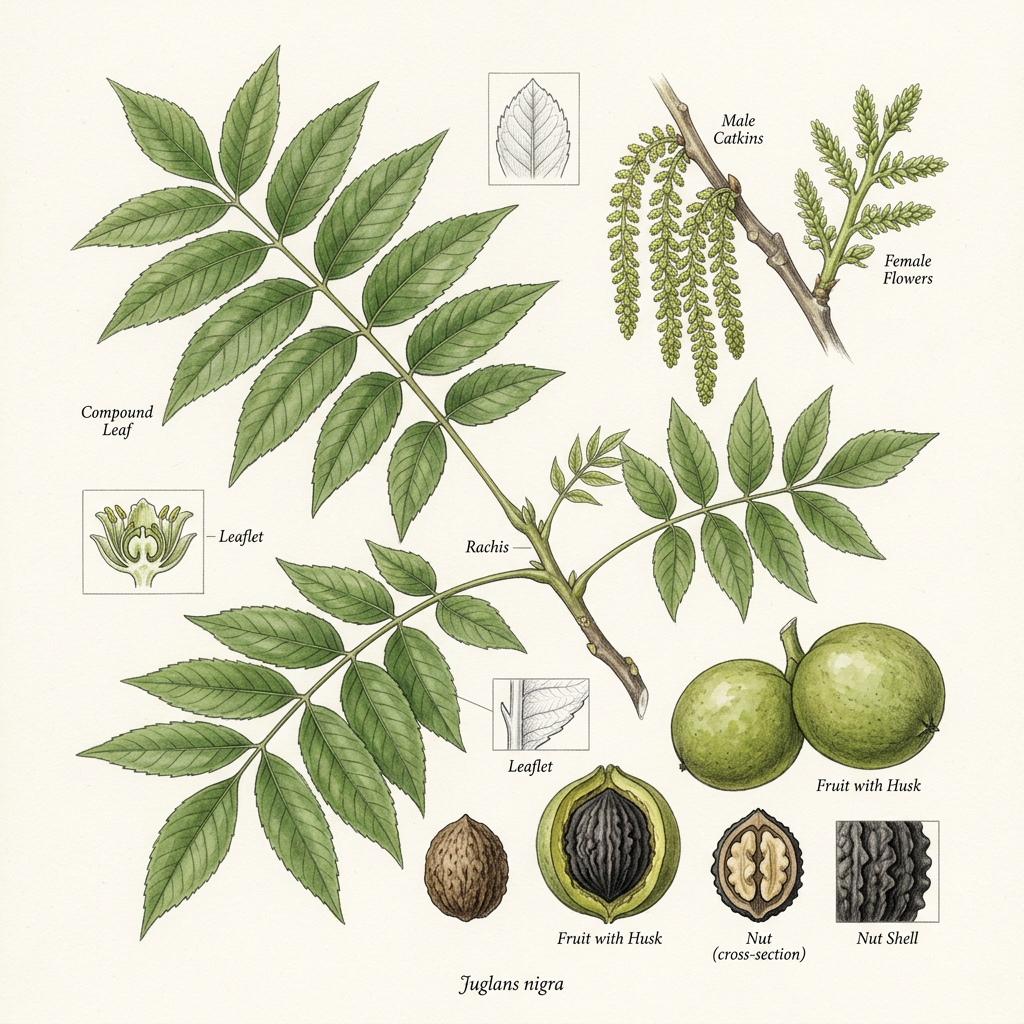
Black Walnut

Black Walnut

Juglans nigra

Convalescence
Walnut

Walnut

Juglans nigra

Cognitive Support
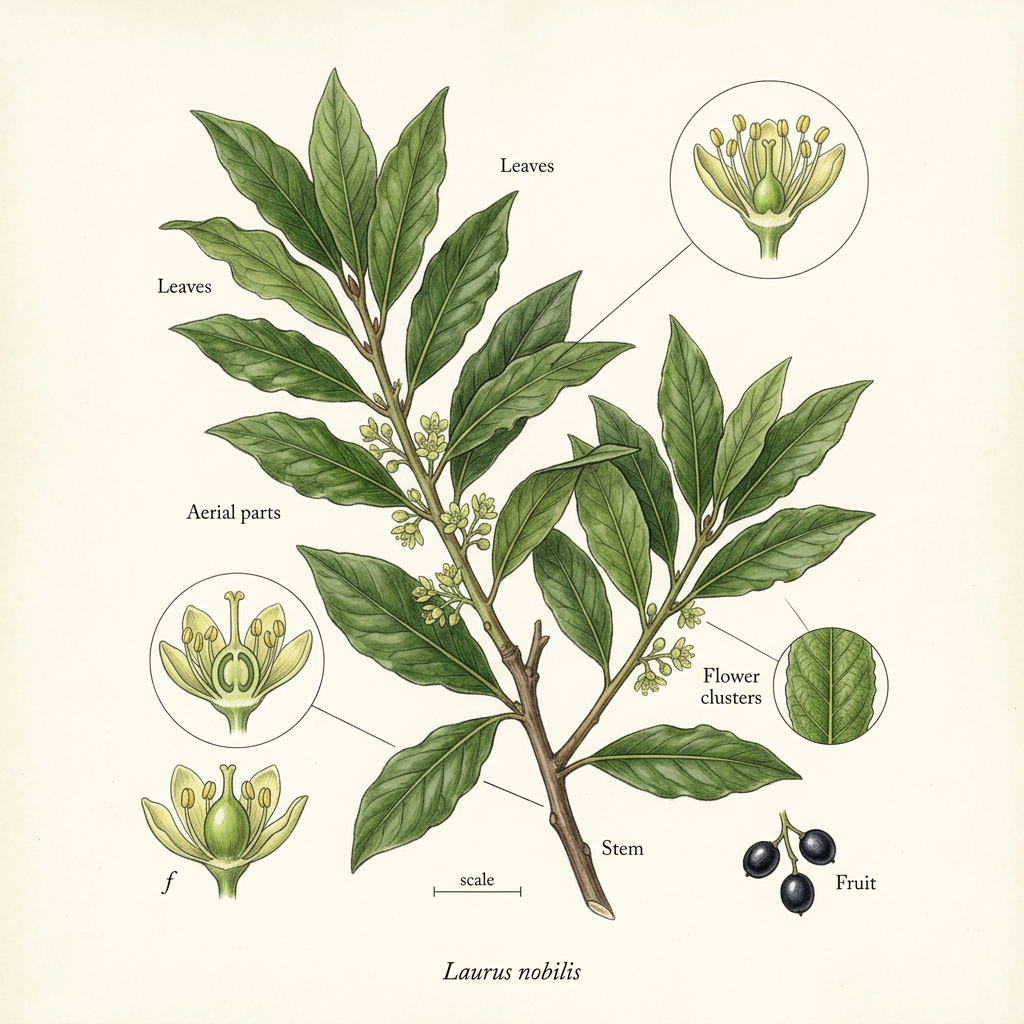
Bay Laurel

Bay Laurel

Laurus nobilis

Digestive Aid
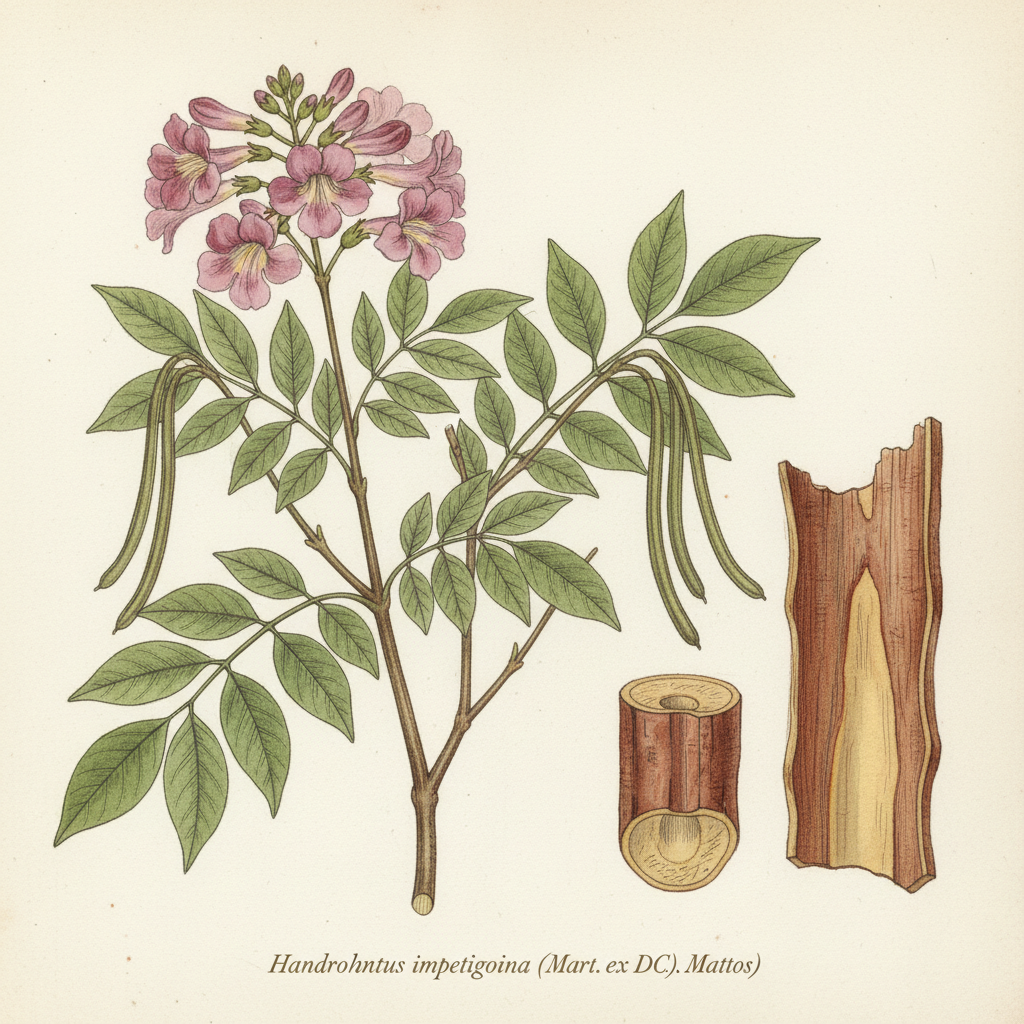
Pau D'Arco

Pau D'Arco

Handroanthus impetiginosa

Immune Support