The Wild Sage logo
The Wild Sage Logo

Herbal Medicine at your fingertips

Comprehensive database of herbal remedies with detailed safety information and traditional uses

New to herbal terms? Read the glossary →
ADHD
Abcess
Acid Reflux Relief
Acinetobacter
Acne
Acne Vulgaris
Addisons
Adenomyosis
Adenovirus
Adrenal fatigue
Aging
Aids
Alcaligenes faecalis
Alcoholism
Allergic Rhinitis
Allergies
Allergy
Alopoecia
Alopoecia nervosa
Alzheimer's, Dementia & Cognitive Decline
420 herbs found
Important: This information is for educational purposes only. Always consult with qualified healthcare professionals before using herbal remedies, especially if you have existing health conditions or take medications.
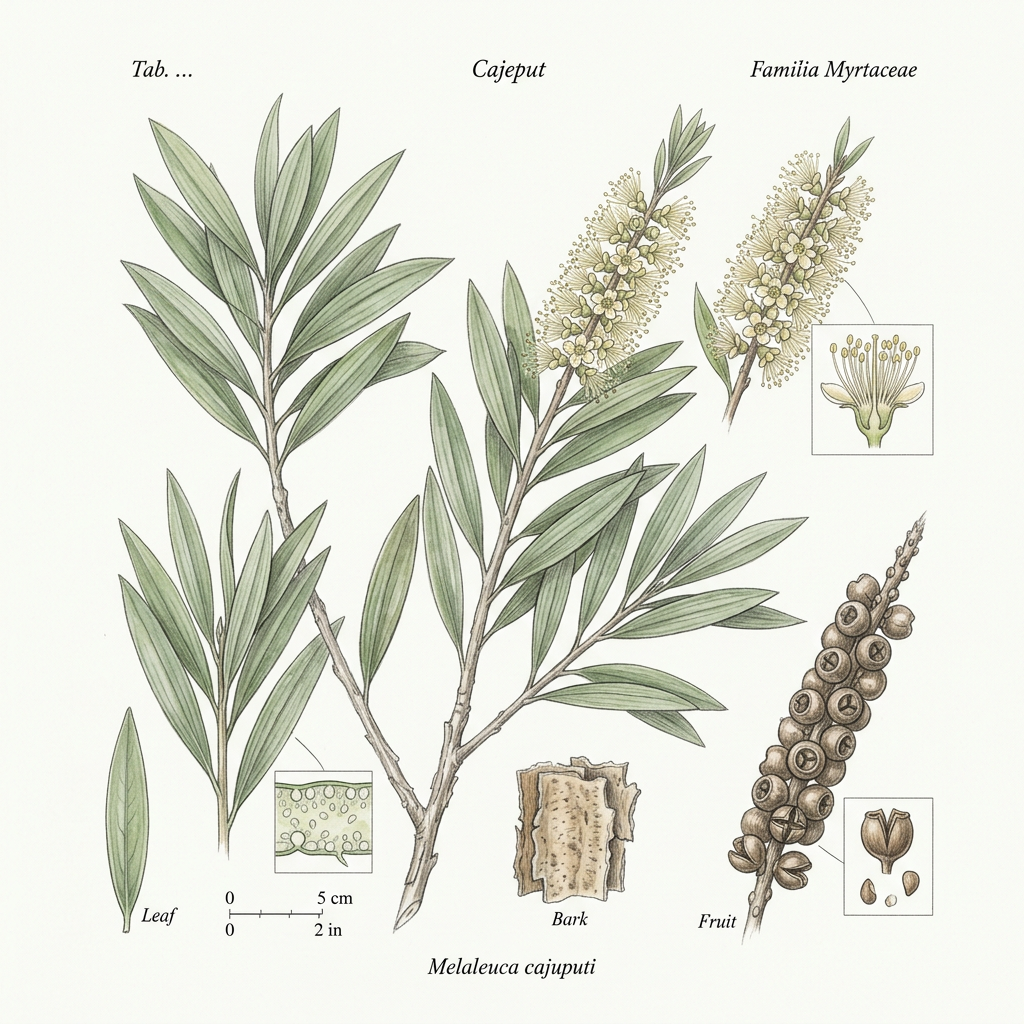
Cajeput

Cajeput

Melaleuca leucadendra

moderate risk Risk
Myrtaceae
Warming and stimulating.
<p>Cajeput, scientifically known as *Melaleuca cajuputi*, is a tree native to Southeast Asia and Australia, belonging to the Myrtaceae family. Historically, this versatile herb has been cherished for centuries by indigenous cultures for its therapeutic properties. Traditional medicine practitioners have utilized cajeput in various forms, including steam inhalations and topical applications, to address ailments related to respiratory health, musculoskeletal pain, and dermatological conditions. Its essential oil, derived from the leaves and twigs, is particularly revered for its invigorating scent and medicinal qualities, reflecting the plant's rich botanical heritage. Cajeput is celebrated for its diverse therapeutic benefits, notably its analgesic, antibacterial, and respiratory stimulant properties. The essential oil is rich in compounds such as 1,8-cineole (eucalyptol), which imparts its characteristic aroma and contributes to its efficacy. As an analgesic, cajeput oil is commonly applied topically to alleviate muscle aches and joint pain, providing a warming sensation that helps relax tense tissues. Additionally, its antibacterial properties make it a potential ally in combating skin infections and promoting wound healing. This herb also serves as a respiratory stimulant, making it a popular choice in aromatherapy and traditional respiratory treatments. Inhalation of cajeput oil can help clear congestion and ease coughing, effectively supporting respiratory function during times of illness. The therapeutic mechanisms of cajeput are attributed to its active constituents, which exhibit both anti-inflammatory and antimicrobial effects. When applied or inhaled, these compounds interact with the body's biological systems to reduce inflammation, increase circulation, and enhance mucosal clearance in the respiratory tract. By stimulating the mucous membranes, cajeput helps to loosen phlegm and encourages expectoration, thus providing relief from respiratory ailments. Its ability to ease muscle tension and promote circulation further underscores its role as a comprehensive remedy in herbal medicine. While contemporary research continues to explore the full scope of its benefits, the historical applications of cajeput serve as a testament to its enduring significance in traditional healing practices.</p>

Uses & Conditions

Aromatherapy
Traditional healing practices
Respiratory congestion
Muscle aches
Joint pain
Skin infections
Wound healing
Coughs

Actions

Antibacterial
Analgesic
Respiratory stimulant
Anti-inflammatory
Circulation enhancement
Antifungal
Cytokine modulator

Parts Used

Essential oil

Native Countries

Southeast asia

USDA Hardiness Zones

10-11

Contraindications

  • Pregnancy and breastfeeding
  • Infants and young children, specifically avoiding application near the face or nostrils due to risk of laryngospasm
  • Asthma and chronic obstructive pulmonary disease, as inhalation may trigger bronchospasm
  • Epilepsy, due to potential for lowering seizure threshold
  • Known allergy to the Myrtaceae family

Potential Side Effects

  • Skin irritation or contact dermatitis if applied undiluted
  • Sensitisation reactions including erythema or pruritus
  • Respiratory irritation if inhaled in excessive concentrations

Interactions

  • Anticoagulants such as warfarin, due to potential for increased bleeding risk
  • Hypoglycaemic agents, which may require blood glucose monitoring
  • Central nervous system depressants, due to potential for altered sedative effects
  • Prescription medications, recommended to separate administration by at least two hours

Dosages, tincture ratios & research — members only

Unlock Garreth's dosing guidance, tincture ratios, the dosage calculator and the research studies for Cajeput.

Your assessment and results stay saved — upgrading only unlocks more of them.

See membership plans

Community Photos

No community photos yet. Sign in to upload photos.

Reviews & Ratings

Sign in to leave a review.

No reviews yet. Be the first!

GF

Garreth Falls — B.Th., Dip. H.M., MNIMH

Content curated and reviewed by Garreth Falls, Consultant Medical Herbalist · The Wild Sage

Medical Disclaimer: This information is for educational purposes only and is not intended as medical advice. Always consult with qualified healthcare professionals before starting any herbal treatment.
Western tradition
Ayurvedic tradition

Sustainability & quality

Cultivated

Essential oil production is highly variable; source from reliable distillers with traceability to source.

Key constituents

1, 8-cineole (eucalyptol), Alpha-terpineol, Limonene, Alpha-pinene, Beta-caryophyllene, Terpinen-4-ol

References

  1. British Herbal Pharmacopoeia 1983
  2. Herbal Reality. Herb monographs. herbalreality.com

Reviewed by Garreth, Medical Herbalist (MNIMH) · October 2026

Related conditions

Explore conditions where Cajeput is traditionally used.

Related Herbs
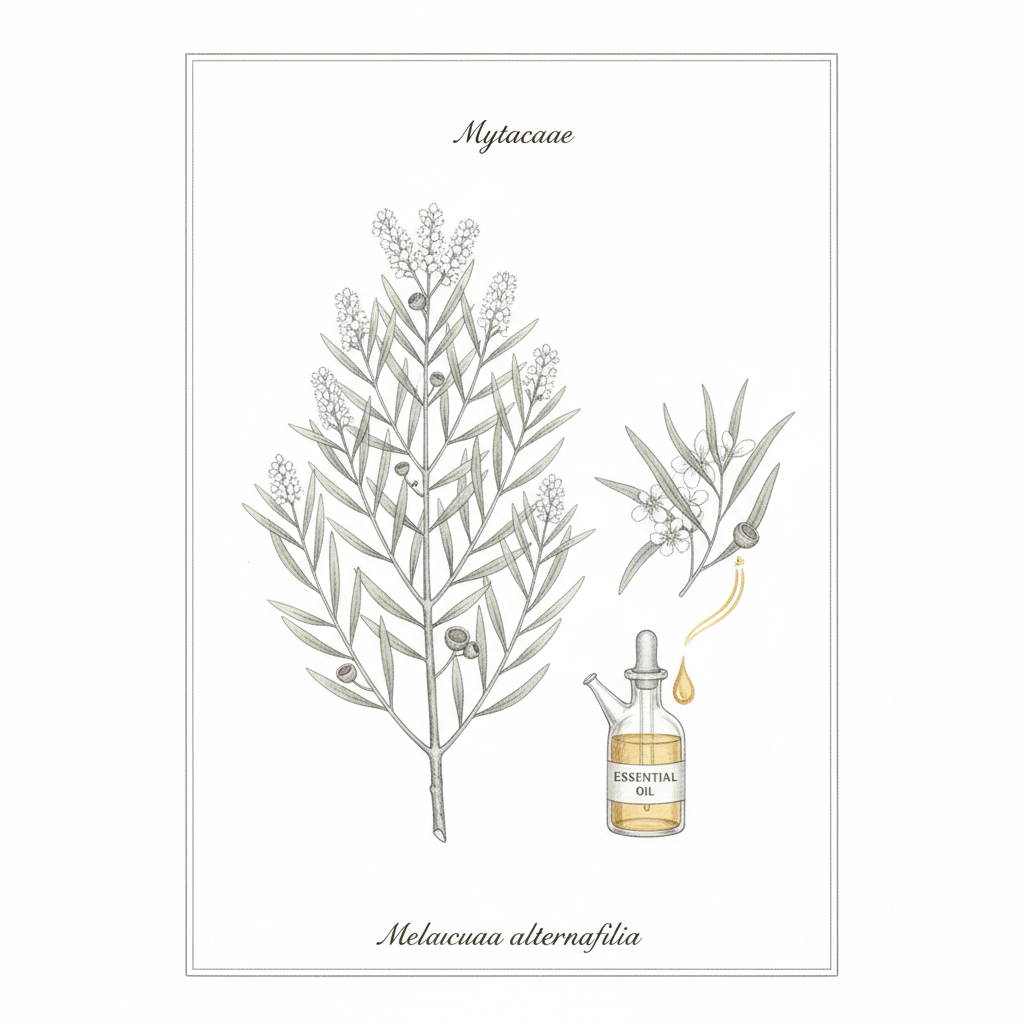
Tea Tree

Tea Tree

Melaleuca alternifolia

Respiratory Health
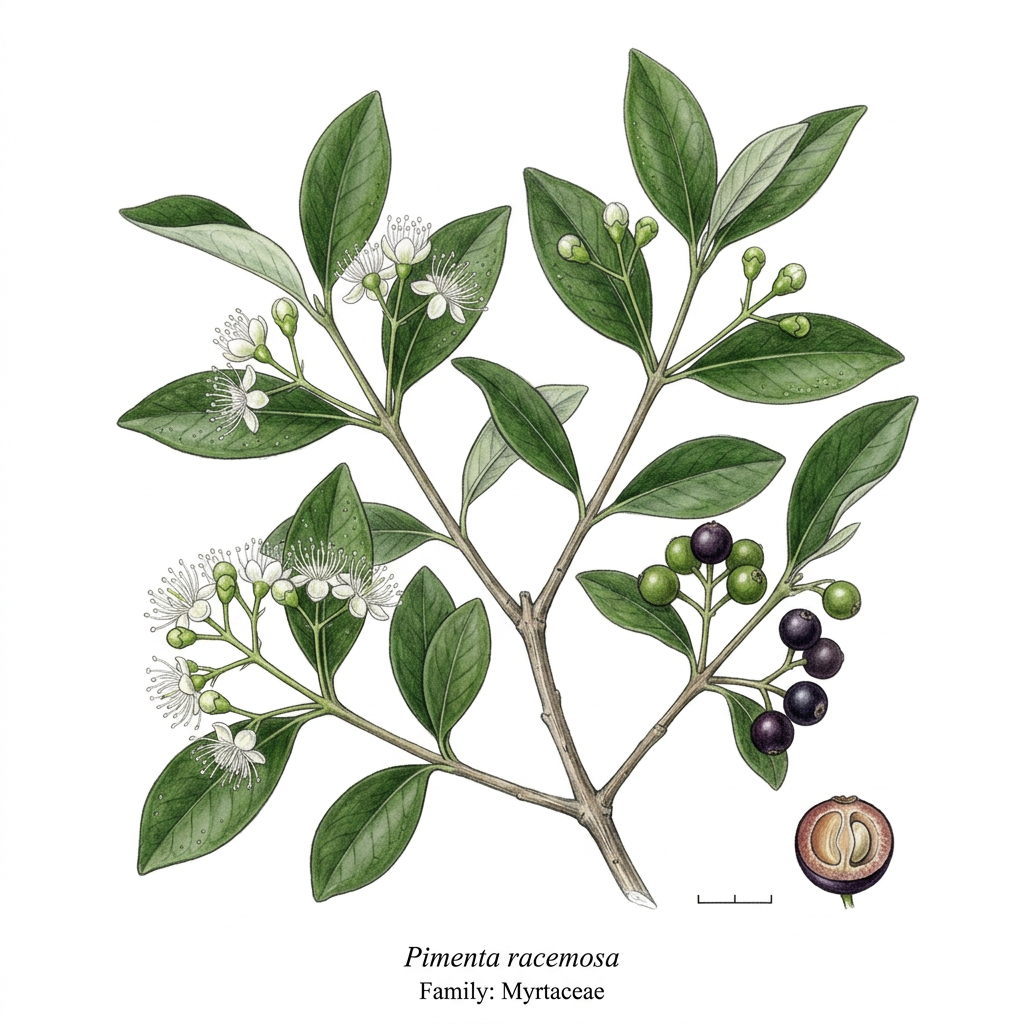
Bay rum

Bay rum

Pimenta racemosa

Appetite stimulation
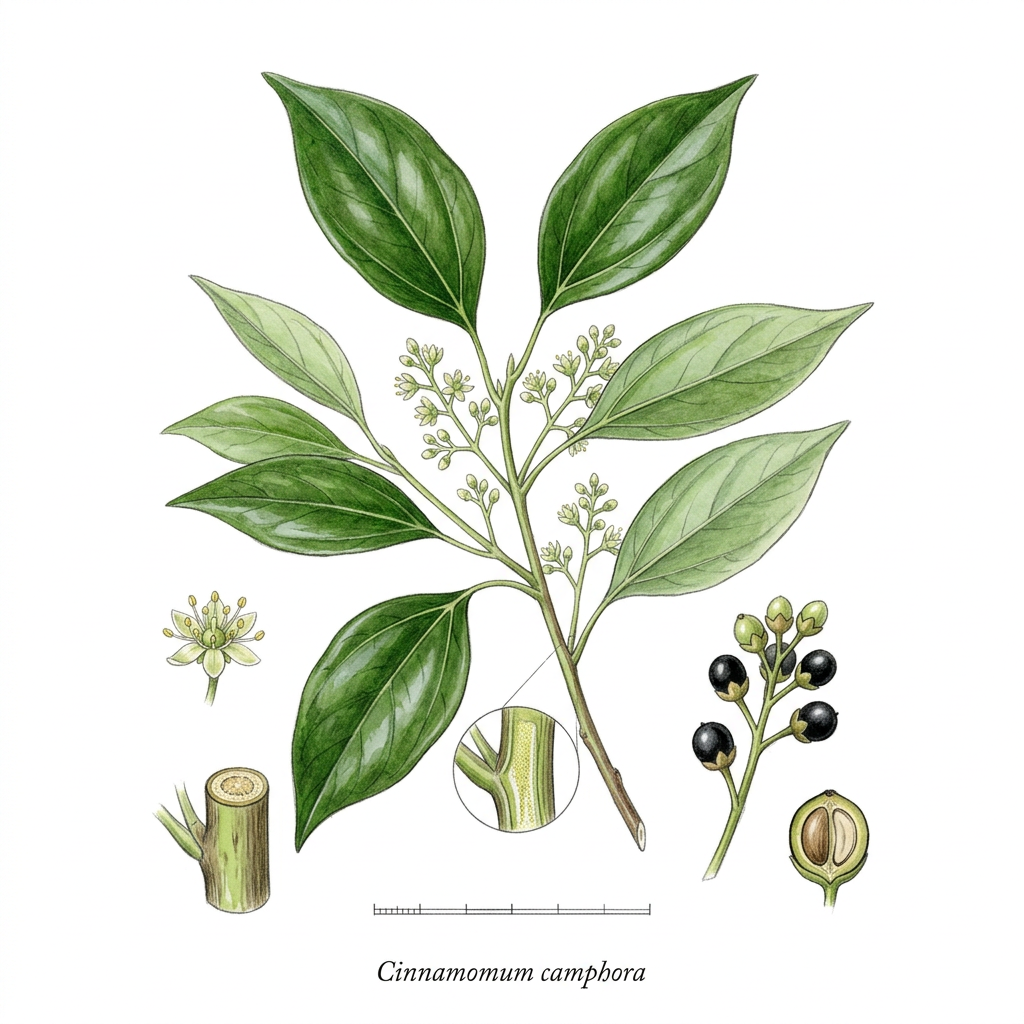
Camphor

Camphor

Cinnamomum camphora

Purification
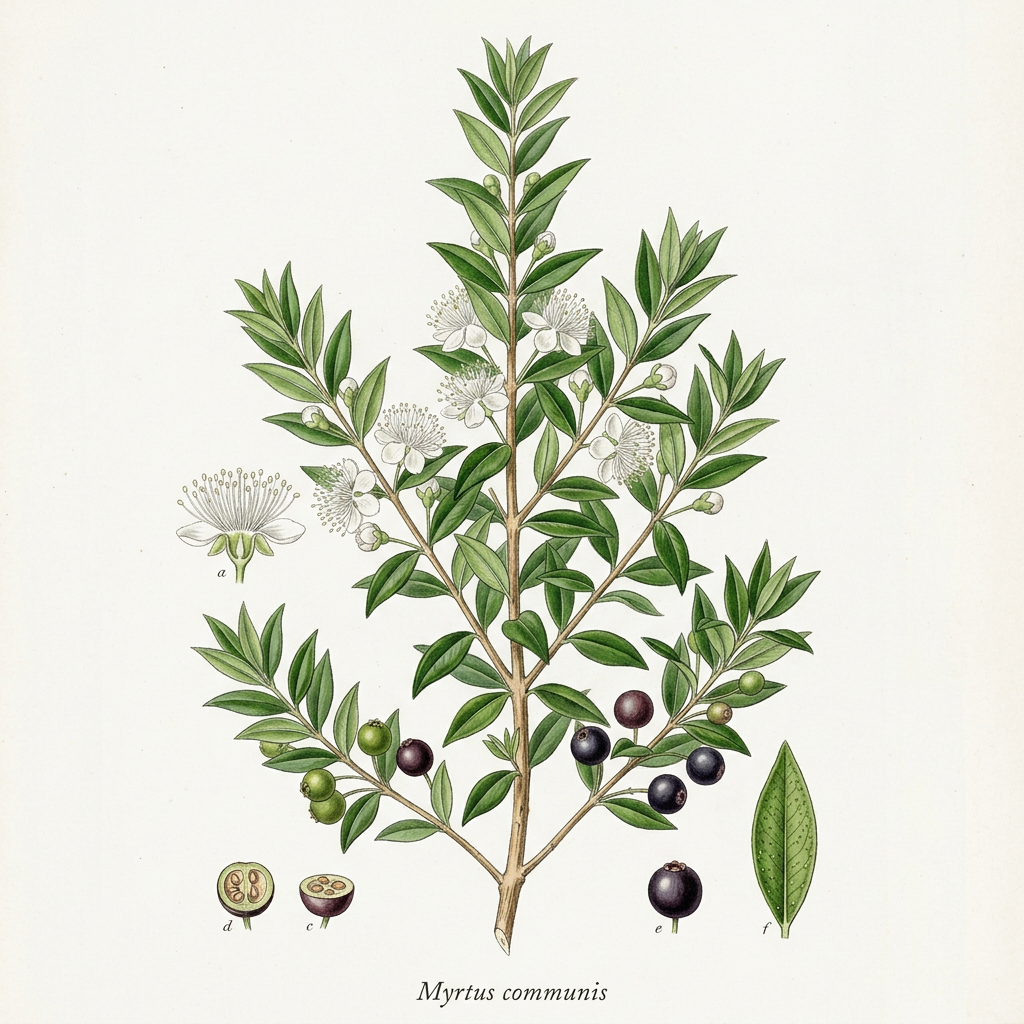
Myrtle

Myrtle

Myrtus communis

Respiratory Support