The Wild Sage logo
The Wild Sage Logo

Herbal Medicine at your fingertips

Comprehensive database of herbal remedies with detailed safety information and traditional uses

New to herbal terms? Read the glossary →
ADHD
Abcess
Acid Reflux Relief
Acinetobacter
Acne
Acne Vulgaris
Addisons
Adenomyosis
Adenovirus
Adrenal fatigue
Aging
Aids
Alcaligenes faecalis
Alcoholism
Allergic Rhinitis
Allergies
Allergy
Alopoecia
Alopoecia nervosa
Alzheimer's, Dementia & Cognitive Decline
420 herbs found
Important: This information is for educational purposes only. Always consult with qualified healthcare professionals before using herbal remedies, especially if you have existing health conditions or take medications.
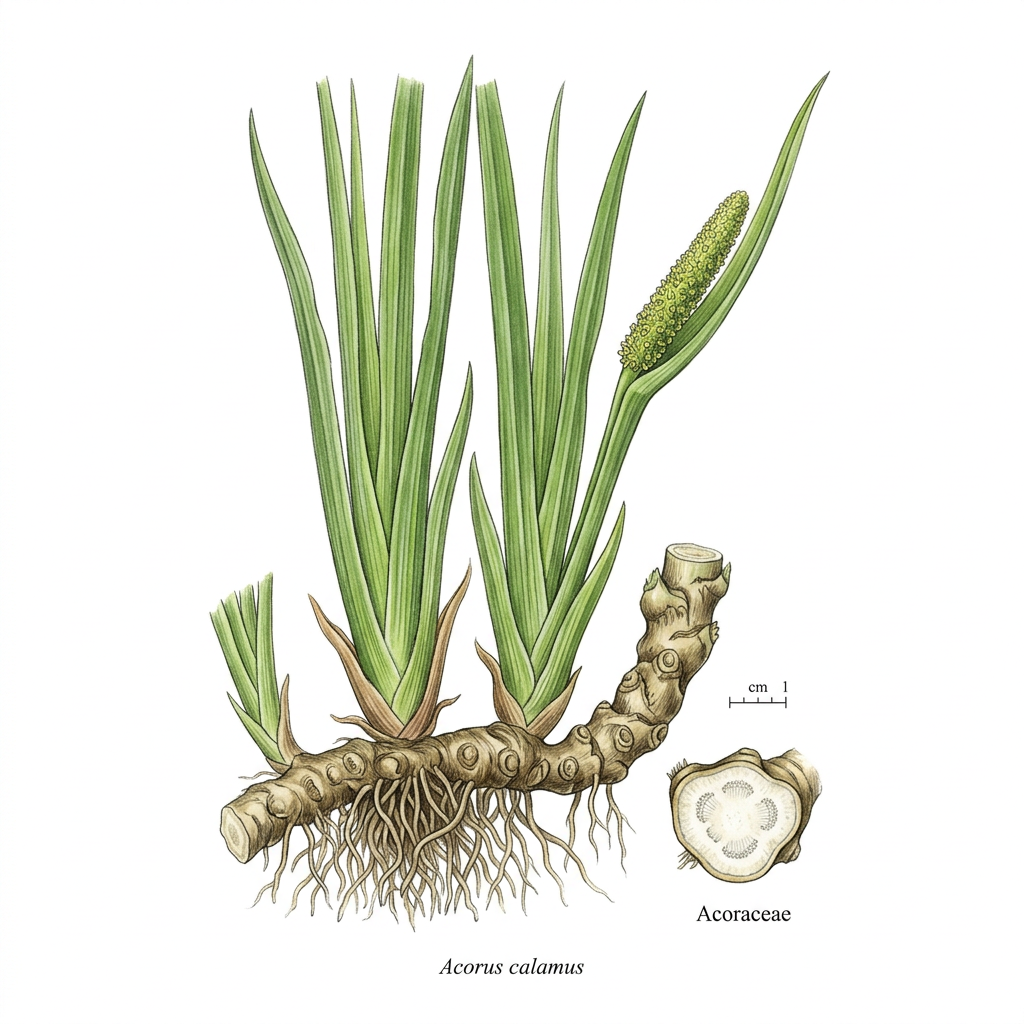
Calamus

Calamus

Acorus calamus

moderate risk Risk
acoraceae
Known for its stimulating and clarifying qualities, often used to enhance focus and mental clarity. Warming astringent. Dispersing. Active on the spleen and stomach.
<p>Calamus, scientifically classified as Acorus calamus, is a perennial aquatic plant belonging to the family Acoraceae, primarily found in marshy areas across Europe, Asia, and North America. With a rich history steeped in traditional herbal medicine, Calamus has been revered since ancient times for its aromatic rhizomes, which were used in various cultural practices. Ancient Egyptians utilized it in embalming and perfumery, while traditional Indian Ayurvedic medicine recognizes its cognitive-enhancing properties. Throughout European herbal traditions, Calamus has traditionally been employed not only as a culinary flavoring agent but also as a remedy for digestive ailments and as a general tonic to boost vitality. The therapeutic profile of Calamus is particularly noteworthy; its range of actions includes carminitive, digestive aid, and stimulant properties. As a carminitive, Calamus helps relieve gas and bloating, thereby promoting overall digestive comfort. Its warming qualities enhance digestion and stimulate appetite, making it beneficial for reducing symptoms of sluggish digestion. Additionally, Calamus exhibits astringent properties, which can help mitigate excessive fluid secretion, making it advantageous for managing diarrhea. The herb's antibacterial and antitussive attributes lend it utility in addressing respiratory concerns as well. Together, these properties demonstrate Calamus's versatility as a herbal remedy that extends beyond mere digestive support. Calamus interacts with the body through various mechanisms, primarily influencing the digestive system. Its active compounds, including essential oils and beta-asarone, stimulate the secretion of digestive enzymes, facilitating the breakdown of food and enhancing nutrient absorption. The warming nature of Calamus aids in promoting circulation to the digestive organs, further supporting metabolic processes. Additionally, its spasmolytic action can help ease gastrointestinal cramping, while its bitter constituents may stimulate liver function and bile production, optimizing digestive health. By harnessing the synergistic effects of its bioactive components, Calamus serves as an effective ally in the pursuit of digestive wellness and overall vitality.</p>

Uses & Conditions

Appetite Stimulation
Cognitive Enhancement
Digestive Aid
Metabolic Support
Respiratory Support
Circulation Improvement
Brain Fog
Cachexia
Capillary Fragility
Depression
Dyspepsia
Flatulence
Hiatus Hernia
Irritable Bowel Syndrome
Teething
Urethritis

Actions

Anti-bacterial
Antitussive
Astringent
Bitter
Carminative
Diaphoretic
Orexigenic
Spasmolytic
Stomachic
Warming

Synonyms

Sweet flag

Parts Used

Roots

Native Countries

Asia
Mediterranean

USDA Hardiness Zones

USDA 3-8
USDA 4-9
USDA 5-10

Contraindications

  • Root essential oil can cause hallucinations
  • Bath oil containing calamus may cause erythema and dermatitis

Potential Side Effects

  • Gastrointestinal upset including nausea or vomiting in excessive doses
  • Potential for emetic effects if taken in large quantities
  • Dizziness or light-headedness due to volatile oil content

Interactions

  • Sedatives and CNS depressants: potential for additive effects with benzodiazepines or barbiturates
  • MAO inhibitors: use with extreme caution due to theoretical risks regarding monoamine levels
  • Warfarin and antiplatelet drugs: monitor closely due to potential influence on blood clotting factors
  • Diabetes medication: may alter blood glucose regulation

Dosages, tincture ratios & research — members only

Unlock Garreth's dosing guidance, tincture ratios, the dosage calculator and the research studies for Calamus.

Your assessment and results stay saved — upgrading only unlocks more of them.

See membership plans

Community Photos

No community photos yet. Sign in to upload photos.

Reviews & Ratings

Sign in to leave a review.

No reviews yet. Be the first!

GF

Garreth Falls — B.Th., Dip. H.M., MNIMH

Content curated and reviewed by Garreth Falls, Consultant Medical Herbalist · The Wild Sage

Medical Disclaimer: This information is for educational purposes only and is not intended as medical advice. Always consult with qualified healthcare professionals before starting any herbal treatment.
Ayurvedic tradition
Western tradition

Sustainability & quality

Cultivated

Prefer cultivated material to avoid wild-harvested variants containing varying levels of beta-asarone.

Key constituents

Digestive enzymes, Bitter, Tannin, Volatile Oils, Acolamone, Acoric acid, Asaaldehyde, Azulene, Camphor, Methyleugenol, Pinene

References

  1. Bensky "Chinese Herbal Medicine: Materia Medica" 3rd ed. 2004
  2. British Herbal Pharmacopoeia 1983
  3. Pole "Ayurvedic Medicine" 2006
  4. Herbal Reality. Herb monographs. herbalreality.com

Reviewed by Garreth, Medical Herbalist (MNIMH) · October 2026

Related conditions

Explore conditions where Calamus is traditionally used.

Related Herbs
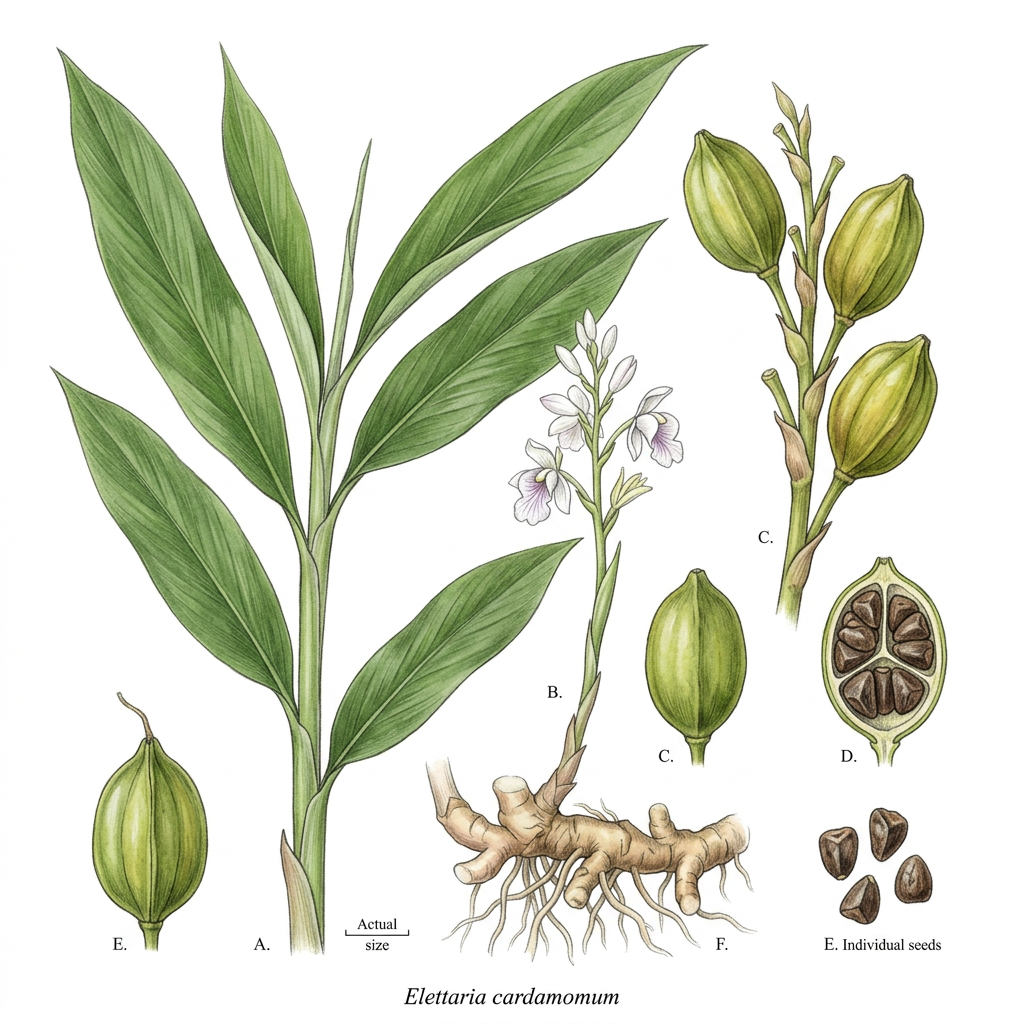
Cardamom

Cardamom

Elettaria cardamomum

Digestive Aid
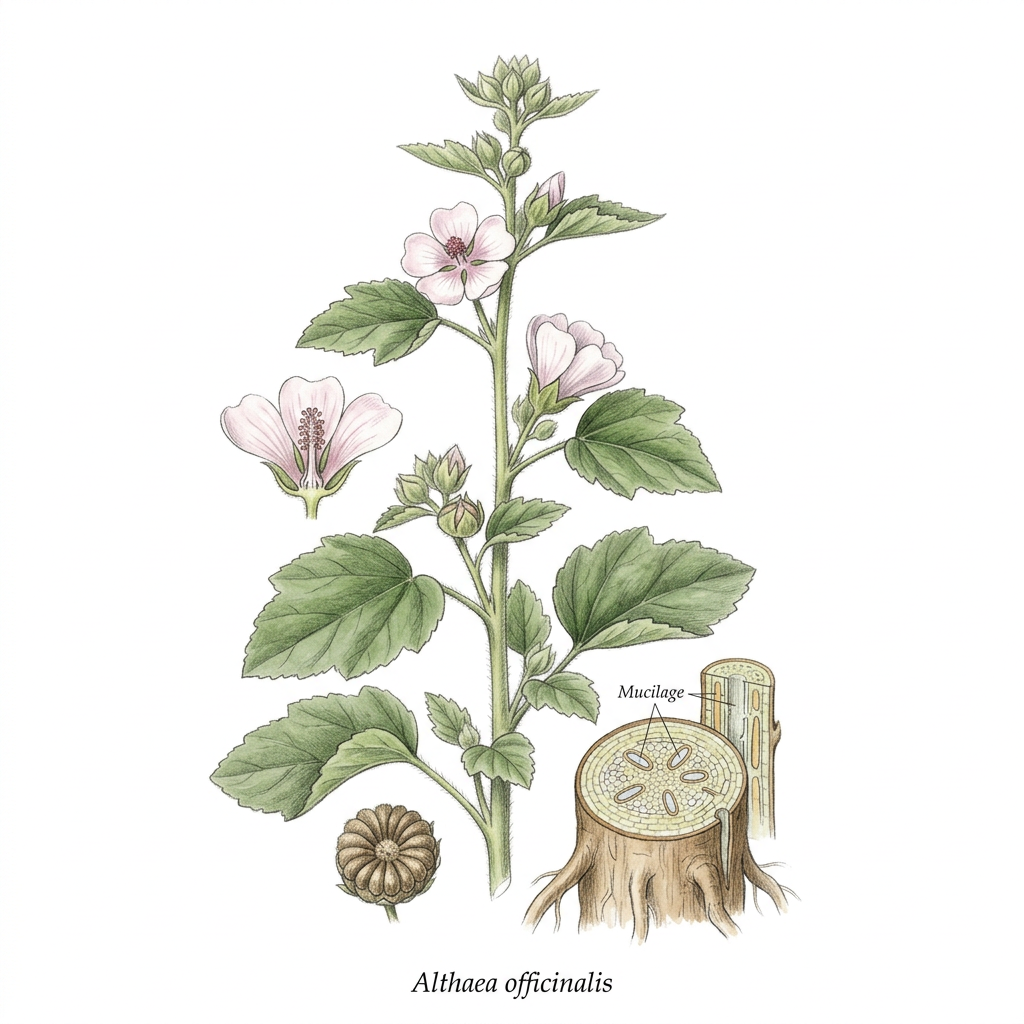
Marshmallow

Marshmallow

Althaea officinalis

Digestive Aid
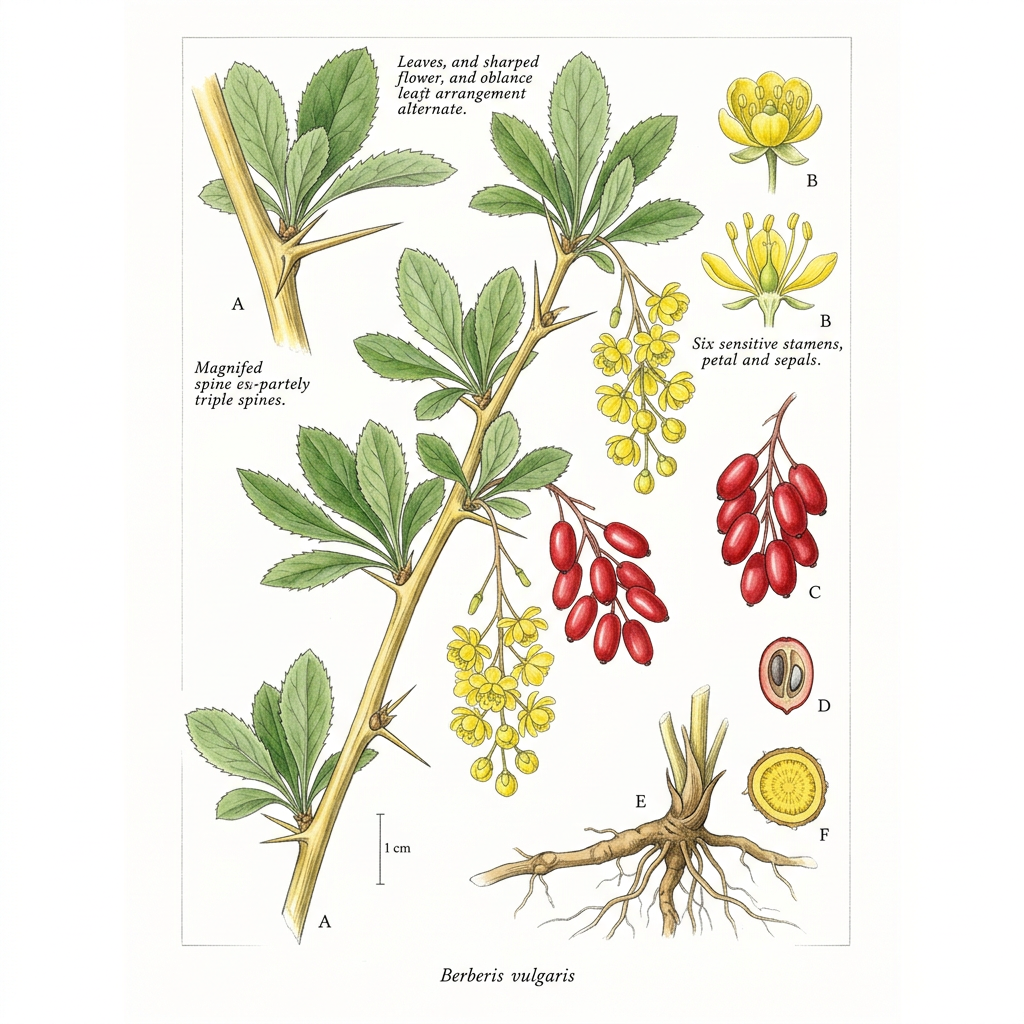
Barberry

Barberry

Berberis vulgaris

Digestive Aid
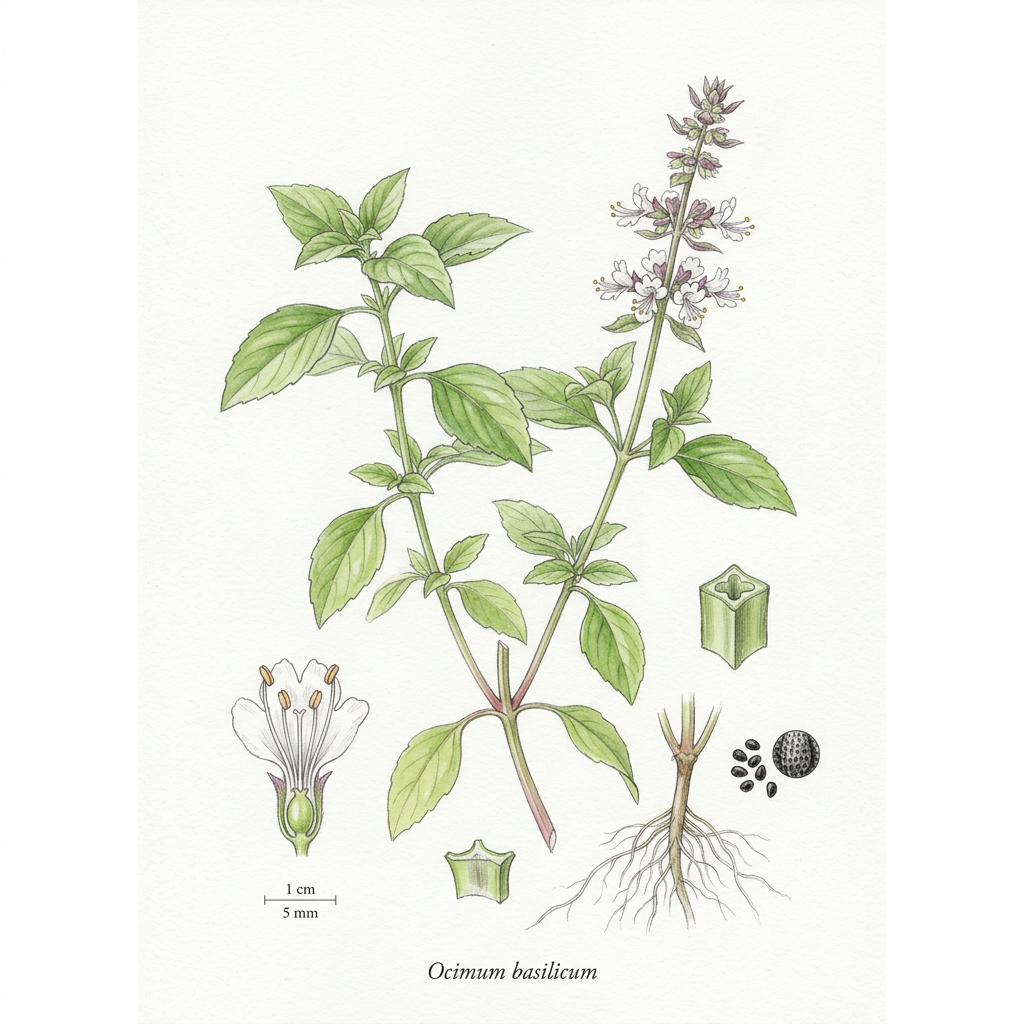
Basil

Basil

Ocimum basilicum

Convalescence