The Wild Sage logo
The Wild Sage Logo

Herbal Medicine at your fingertips

Comprehensive database of herbal remedies with detailed safety information and traditional uses

New to herbal terms? Read the glossary →
ADHD
Abcess
Acid Reflux Relief
Acinetobacter
Acne
Acne Vulgaris
Addisons
Adenomyosis
Adenovirus
Adrenal fatigue
Aging
Aids
Alcaligenes faecalis
Alcoholism
Allergic Rhinitis
Allergies
Allergy
Alopoecia
Alopoecia nervosa
Alzheimer's, Dementia & Cognitive Decline
420 herbs found
Important: This information is for educational purposes only. Always consult with qualified healthcare professionals before using herbal remedies, especially if you have existing health conditions or take medications.
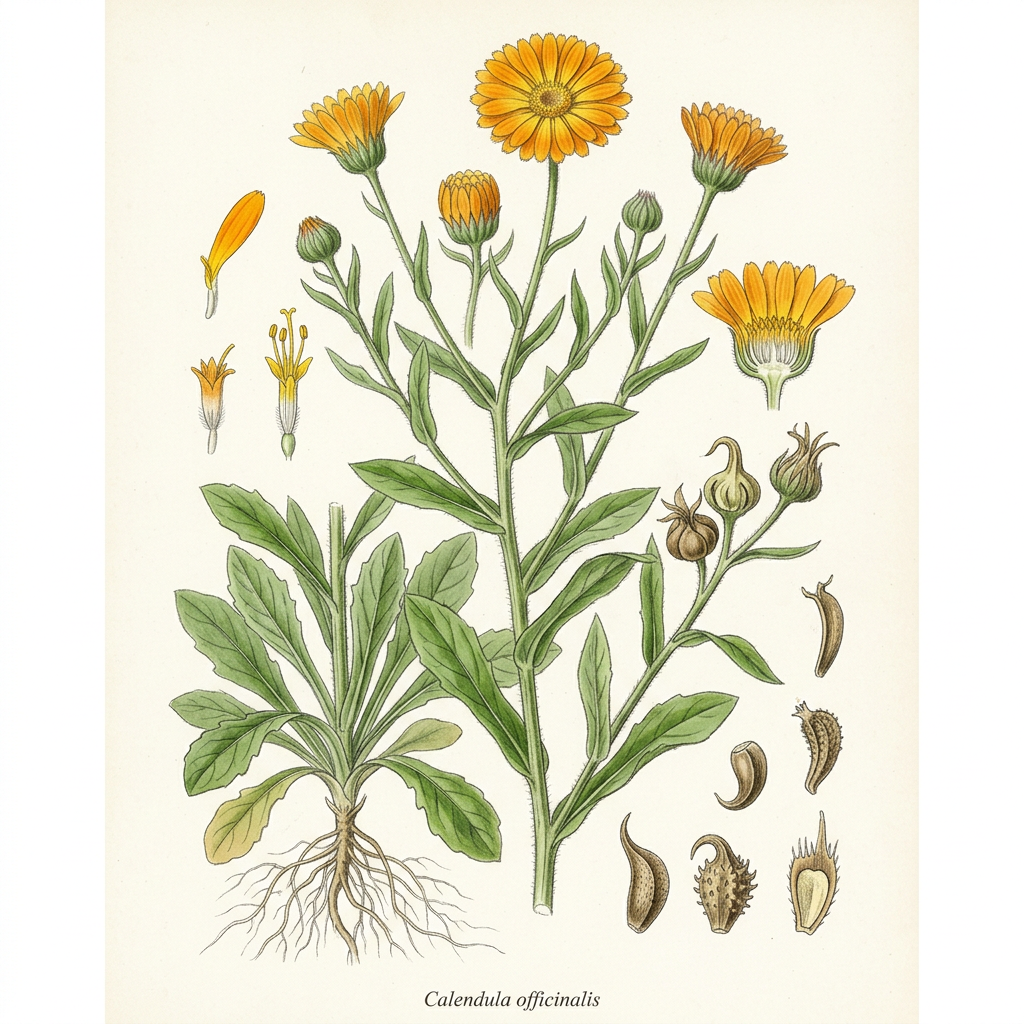
Calendula

Calendula

Calendula officinalis

low risk Risk
Asteraceae
Warming, soothing, and protective. Known to promote healing and enhance emotional well-being.
<p>Calendula officinalis, commonly known as calendula is a vibrant herb celebrated for its exceptional skin-healing properties and versatile therapeutic benefits. Historically, calendula has been deeply revered in various cultures for its medicinal applications dating back to ancient times. Used by the Greeks and Romans as a natural remedy for wounds, skin ailments, and digestive issues, this herb has earned its esteemed place in herbal medicine. The bright orange and yellow blossoms, often found flourishing in gardens and meadows, not only serve as a delightful visual element but are also a testament to nature's ability to nurture and heal. The therapeutic properties of calendula are extensive and multifaceted. Known primarily for its anti-inflammatory and antimicrobial actions, calendula is a go-to herb for promoting skin regeneration, soothing irritations, and enhancing wound healing. Its abilities extend beyond skin care; calendula acts as a lymphatic support system, assisting in detoxification and promoting phagocytosis within the body. The herb’s demulcent qualities provide relief for digestive discomforts, while its cholagogue action aids in bile production and liver function. Furthermore, research indicates that calendula may offer protective effects against cellular damage and oxidative stress, showcasing its potential as an antioxidant and a regulator of redox reactions. The efficacy of calendula can be attributed to its complex phytochemical profile, which includes flavonoids, carotenoids, saponins, and essential oils. These constituents work synergistically to facilitate various biological processes, contributing to its broad spectrum of health benefits. For instance, calendula's anti-inflammatory effects are largely due to the presence of glycosides and triterpenes, which modulate inflammatory pathways and provide relief from tissue swelling. Additionally, its antimicrobial properties are supported by the presence of flavonoids that inhibit microbial growth while promoting healthy tissue regeneration. By enhancing blood circulation and stimulating lymphatic drainage, calendula encourages healing at both cellular and systemic levels, making it an invaluable ally in holistic health practices. Whether used in topical formulations, infusions, or tinctures, calendula embodies the harmony between healing and nature's abundant offerings.</p>

Uses & Conditions

Lymphatic Support
Digestive Aid
Wound Healing
Burns
Boils
Abscess
Aphthous Ulcers
Cervical Dysplasia
Dermatitis
Endometriosis

Actions

Anti-inflammatory
Anti-genotoxic
Decongestant
Lymphatic
Antibacterial
Spasmolytic
Antifungal
Cholagogue
Antiseptic
Demulcent
Antiparasitic
Antiviral
Circulatory Stimulant
Diaphoretic
Choleretic
Anti-phlogistic
Cytotoxic
Renal Protective
Relaxing
Styptic
Vulnerary
Hepatoprotective
Astringent
Emmenagogue

Synonyms

Pot marigold

Parts Used

Flowers
Leaves
Whole plant

Native Countries

Europe

USDA Hardiness Zones

USDA 3-11

Preparations & Dosage

  • Dried herb: Taken freely
  • Tincture: 1:4, 90% alcohol, 1-3ml per day

Maximum weekly dose: 45ml

Contraindications

  • Allergy to Asteraceae family

Potential Side Effects

  • Uterine stimulation at high doses

Dosage Calculator

Community Photos

No community photos yet. Sign in to upload photos.

Reviews & Ratings

Sign in to leave a review.

No reviews yet. Be the first!

GF

Garreth Falls — B.Th., Dip. H.M., MNIMH

Content curated and reviewed by Garreth Falls, Consultant Medical Herbalist · The Wild Sage

Medical Disclaimer: This information is for educational purposes only and is not intended as medical advice. Always consult with qualified healthcare professionals before starting any herbal treatment.
Western tradition

Sustainability & quality

Abundant

Extremely easy to cultivate in home gardens; always prioritize freshly dried, high-quality flower heads.

Key constituents

Anti-inflammatory, Digestive enzymes, Acetylenic compounds, flavonoids, Mucilage

References

  1. ESCOP Monographs 2nd ed. 2003
  2. EMA/HMPC Community Herbal Monograph
  3. British Herbal Pharmacopoeia 1983

Reviewed by Garreth, Medical Herbalist (MNIMH) · October 2026

Related conditions

Explore conditions where Calendula is traditionally used.

Related Herbs
Marigold

Marigold

Calendula officinalis

Lymphatic Support
Chamomile

Chamomile

Matricaria recutita

Digestive Tonic
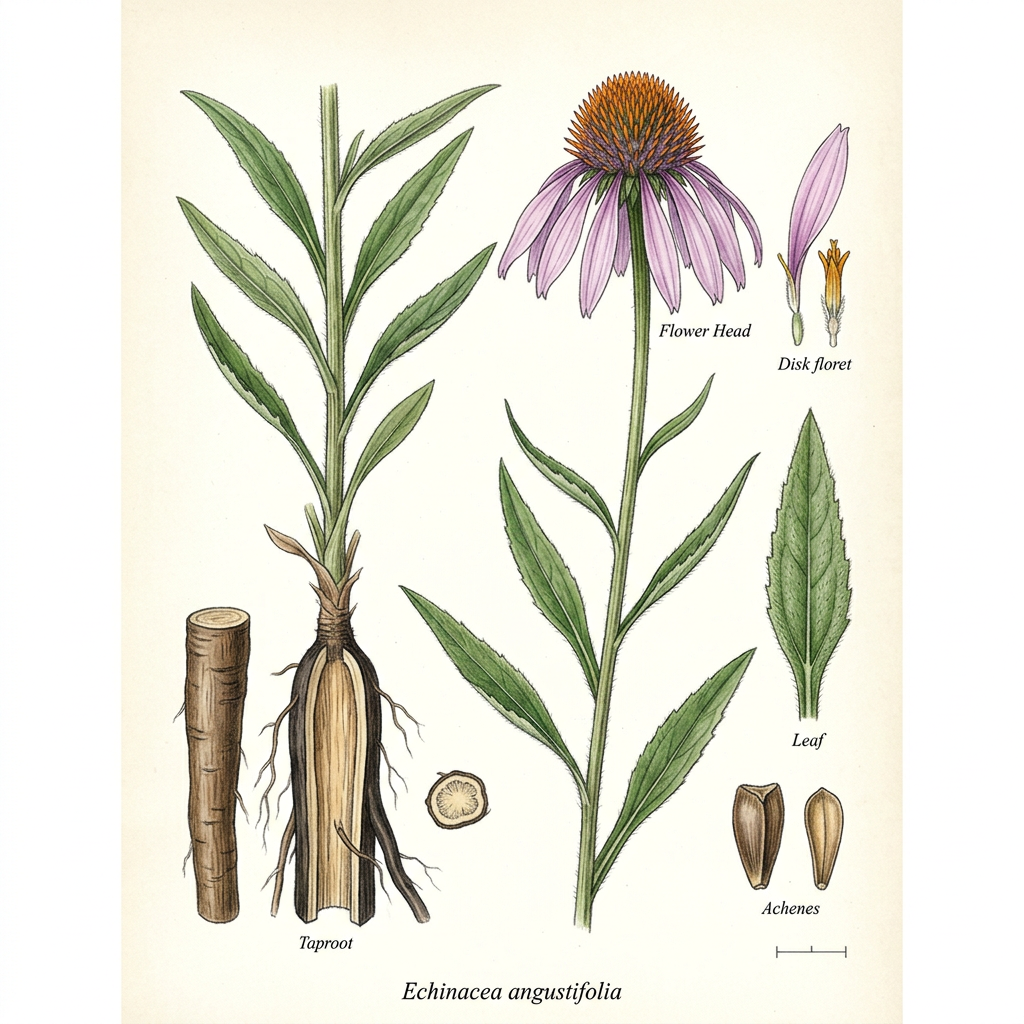
Echinacea angustifolia

Echinacea angustifolia
Echinacea angustifolia

Immune System Support
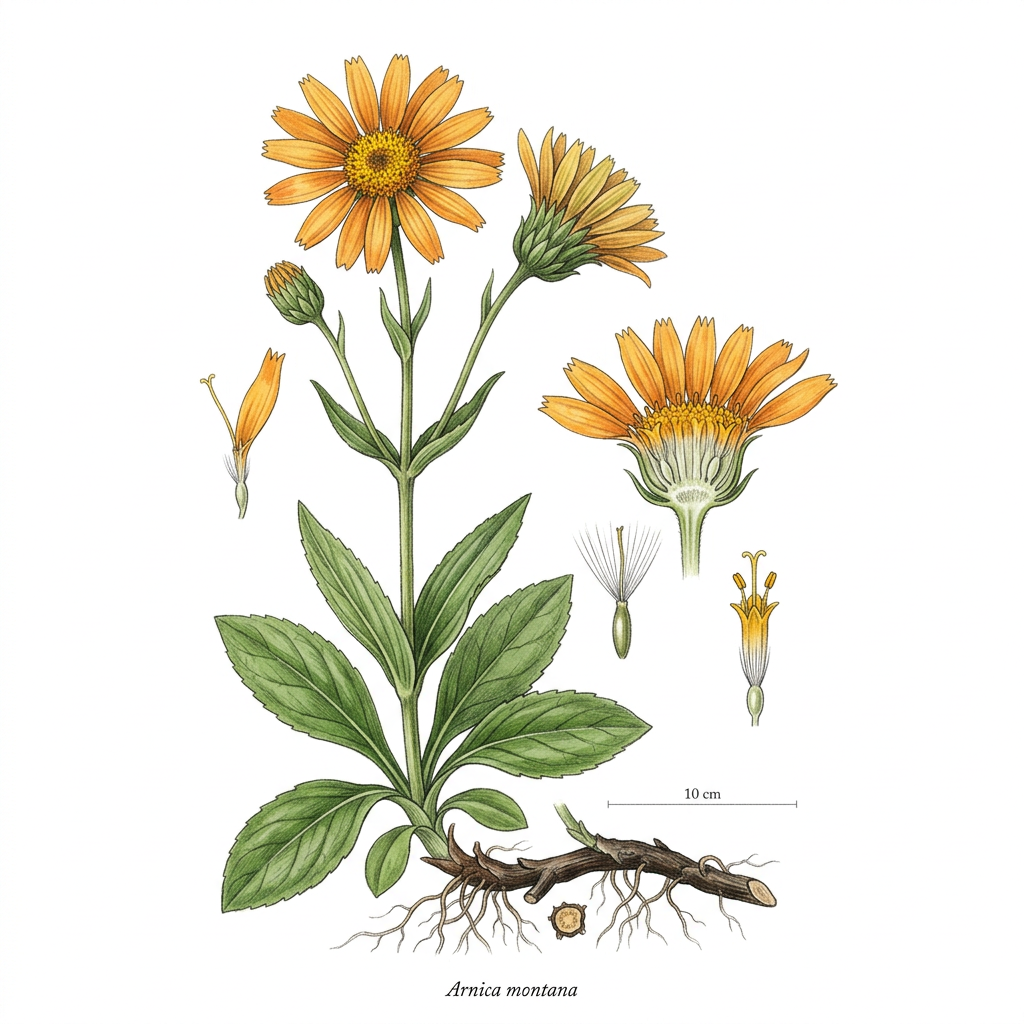
Arnica

Arnica

Arnica montana

Tissue Repair