The Wild Sage logo
The Wild Sage Logo

Herbal Medicine at your fingertips

Comprehensive database of herbal remedies with detailed safety information and traditional uses

New to herbal terms? Read the glossary →
ADHD
Abcess
Acid Reflux Relief
Acinetobacter
Acne
Acne Vulgaris
Addisons
Adenomyosis
Adenovirus
Adrenal fatigue
Aging
Aids
Alcaligenes faecalis
Alcoholism
Allergic Rhinitis
Allergies
Allergy
Alopoecia
Alopoecia nervosa
Alzheimer's, Dementia & Cognitive Decline
420 herbs found
Important: This information is for educational purposes only. Always consult with qualified healthcare professionals before using herbal remedies, especially if you have existing health conditions or take medications.
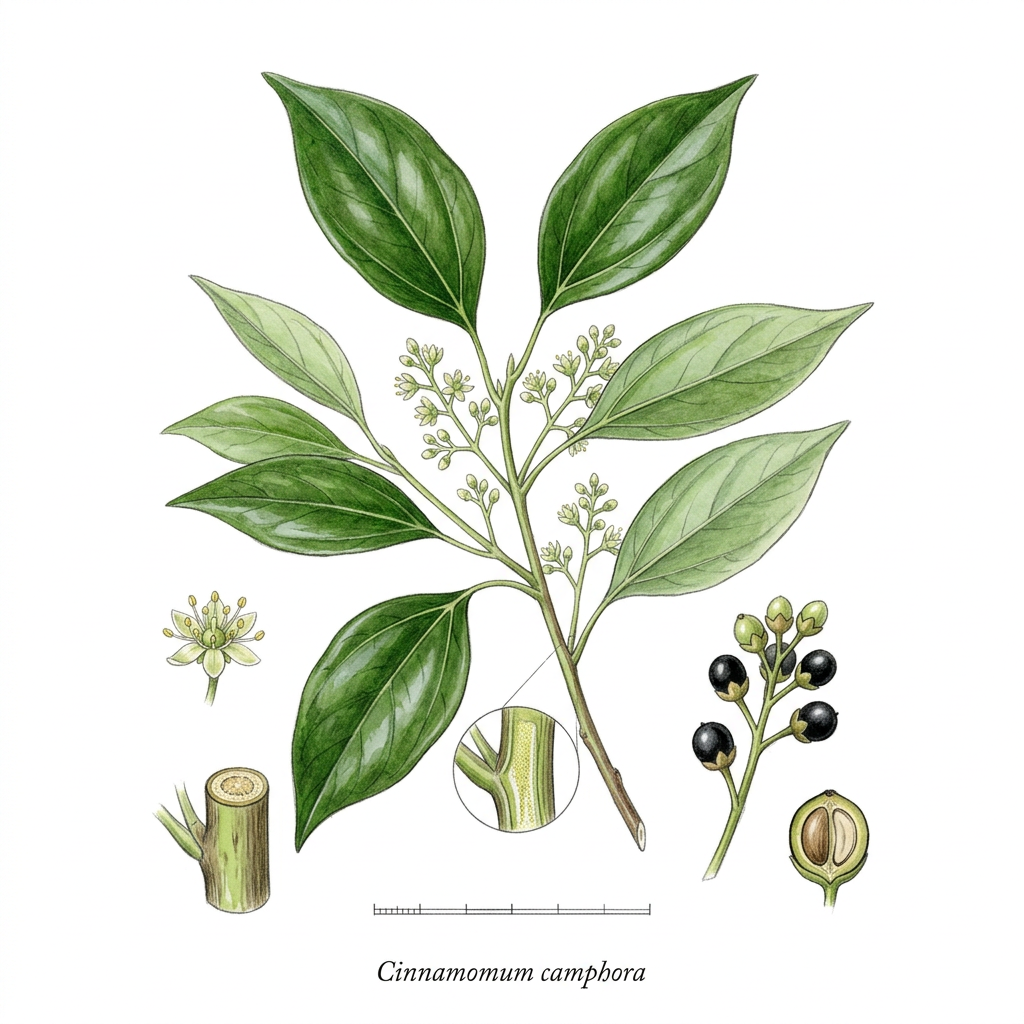
Camphor

Camphor

Cinnamomum camphora

moderate risk Risk
Laruaceae
<p>Camphor, derived from the wood of the camphor tree (Cinnamomum camphora), has a rich history rooted in traditional medicine, particularly within Asian cultures. This aromatic compound, known for its distinctive, strong scent, has been utilized for centuries in remedies ranging from topical applications to therapeutic incense. In traditional Chinese medicine, camphor has been employed as a sacred aromatic and as a remedy for respiratory ailments, rheumatic complaints, and skin irritation. The use of camphor extends to various cultural practices where it symbolizes purification and is often utilized in religious and cultural ceremonies. The therapeutic properties of camphor are multifaceted, largely attributed to its potent bioactive compounds. Known for its analgesic and anti-inflammatory effects, camphor is widely recognized for its ability to provide considerable pain relief, particularly in conditions involving muscle and joint pain such as arthritis and sprains. Additionally, camphor exhibits significant antimicrobial properties, making it effective against a variety of pathogens, thus supporting its application in wound healing and as a component in antiseptic formulations. Furthermore, it serves as an expectorant, facilitating respiratory health by loosening mucus and easing coughing, which is beneficial for those with colds and other respiratory conditions. At the physiological level, camphor acts on the body in several intriguing ways. When applied topically, it penetrates the skin and interacts with sensory neurons, which may alter pain perception and provide a cooling sensation, thereby distracting from discomfort. In respiratory support, inhalation of camphor can stimulate respiratory pathways, promoting easier breathing and expelling mucus. Its antimicrobial efficacy is theorized to be due to its disruption of microbial cell membranes, thus inhibiting growth. However, as with all herbal remedies, it is essential for ongoing research to further delineate the mechanisms of action, optimal dosages, and ensure safety in various populations. Through this blend of ancient wisdom and modern scientific inquiry, camphor remains a valuable herb deserving of comprehensive exploration and application in herbal medicine.</p>

Uses & Conditions

Purification
Therapeutic incense
Arthritis
Back pain
Cold symptoms
Cough
Joint pain
Muscle pain
Respiratory congestion
Skin irritation
Sprains
Wound healing

Actions

Antimicrobial
Anti-fungal
COX2-inhibitor
Expectorant
NFkB-inhibitor
Rubefacient

Parts Used

essential oil

Native Countries

Asia & Mediterranean

USDA Hardiness Zones

9-11

Contraindications

  • Pregnancy
  • Breastfeeding
  • Children under 6 years of age
  • Epilepsy
  • History of febrile convulsions
  • Broken, inflamed, or mucous membranes
  • Known hypersensitivity
  • Asthma

Potential Side Effects

  • Severe skin irritation
  • Contact dermatitis
  • Blistering upon local application
  • Nausea
  • Vomiting
  • Abdominal pain if ingested
  • Dizziness
  • Confusion
  • Tremor

Interactions

  • Anticoagulants such as warfarin: potential increased risk of bleeding
  • Hepatotoxic medications: concurrent use may increase liver strain
  • Central nervous system stimulants: theoretical risk of additive effects
  • Topical pharmaceutical products: camphor may enhance skin absorption of other medications

Dosages, tincture ratios & research — members only

Unlock Garreth's dosing guidance, tincture ratios, the dosage calculator and the research studies for Camphor.

Your assessment and results stay saved — upgrading only unlocks more of them.

See membership plans

Community Photos

No community photos yet. Sign in to upload photos.

Reviews & Ratings

Sign in to leave a review.

No reviews yet. Be the first!

GF

Garreth Falls — B.Th., Dip. H.M., MNIMH

Content curated and reviewed by Garreth Falls, Consultant Medical Herbalist · The Wild Sage

Medical Disclaimer: This information is for educational purposes only and is not intended as medical advice. Always consult with qualified healthcare professionals before starting any herbal treatment.
Chinese tradition
Western tradition

Sustainability & quality

Abundant

Synthetically produced variants exist; ensure botanical source is explicitly labelled if using traditional material.

Key constituents

Camphor (ketone terpene), 1, 8-cineole, Safrole, Limonene, Camphene, Alpha-pinene, Terpineol

References

  1. Bensky "Chinese Herbal Medicine: Materia Medica" 3rd ed. 2004
  2. British Herbal Pharmacopoeia 1983
  3. Herbal Reality. Herb monographs. herbalreality.com

Reviewed by Garreth, Medical Herbalist (MNIMH) · October 2026

Related conditions

Explore conditions where Camphor is traditionally used.

Related Herbs
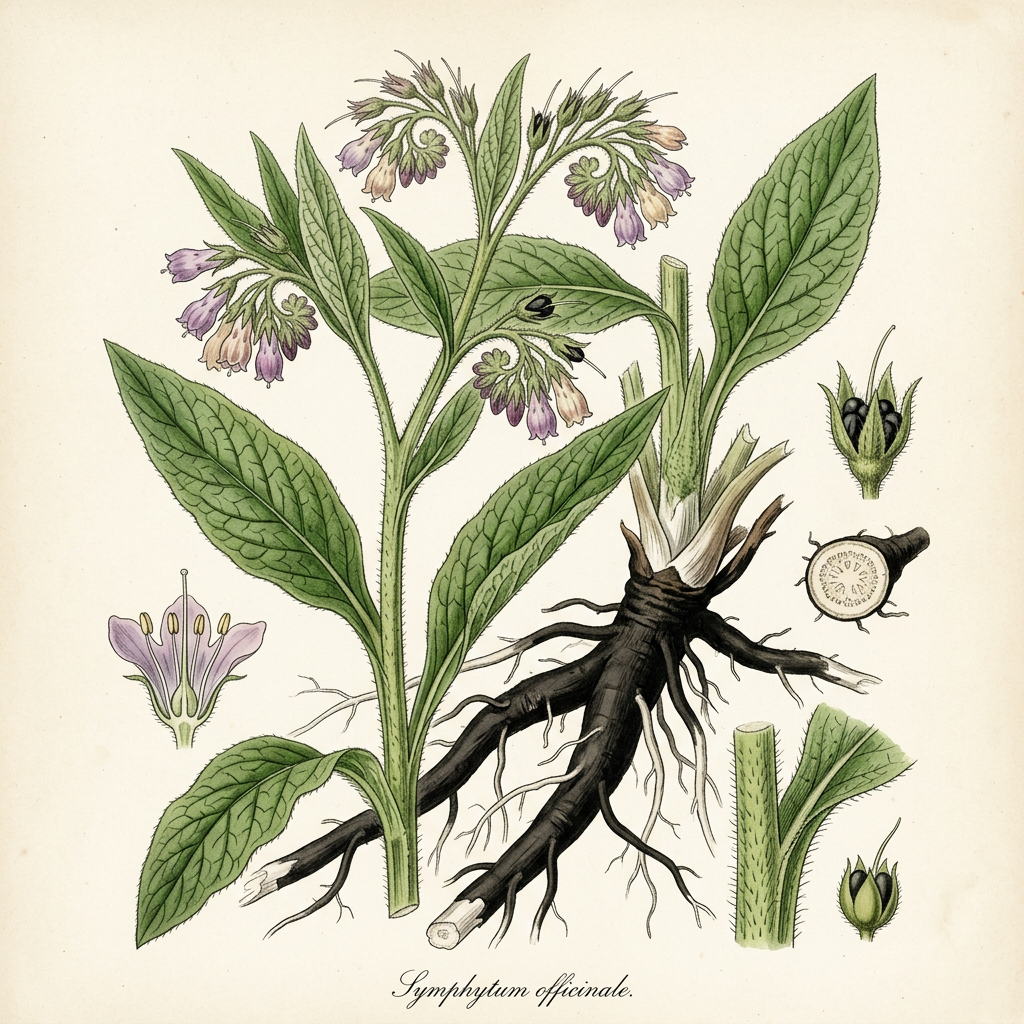
Comfrey

Comfrey

Symphytum officinale

Tissue Regeneration
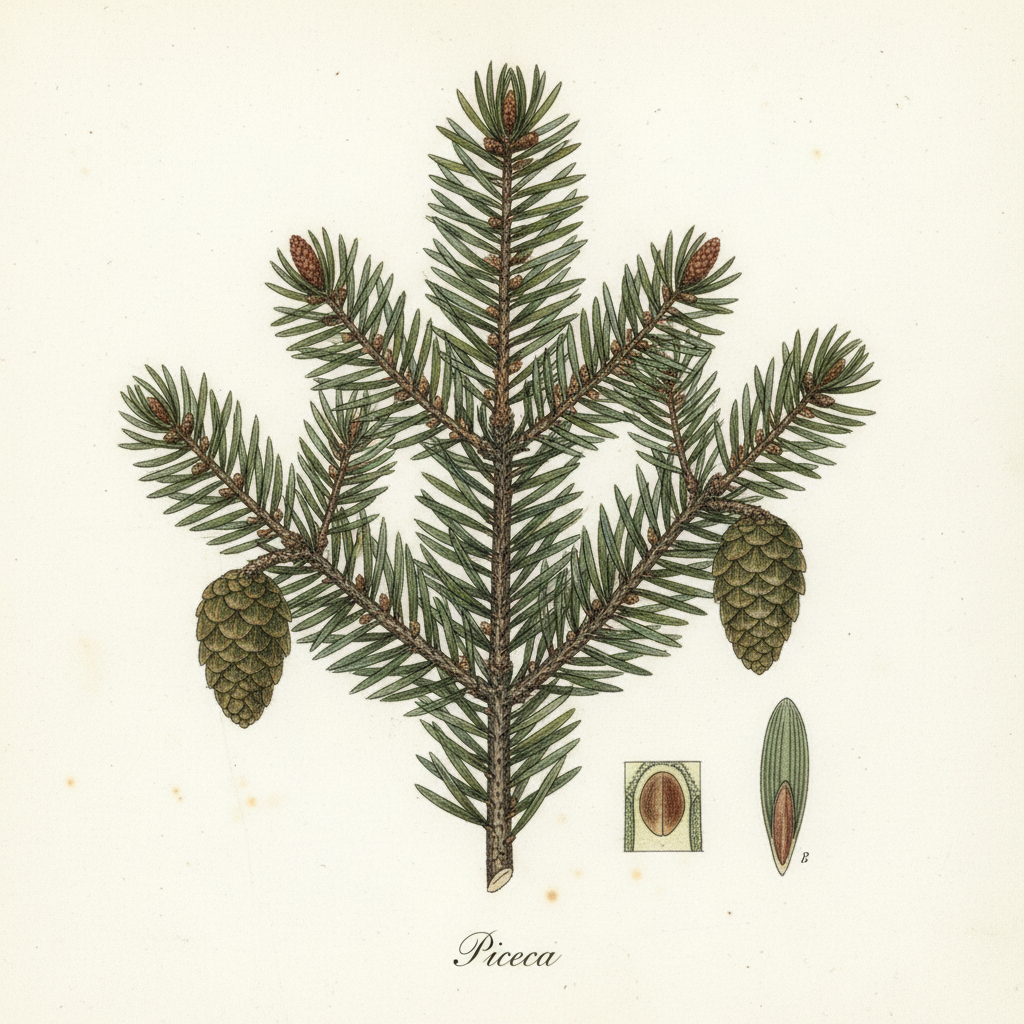
Spruce

Spruce

Spruce

Immune Support
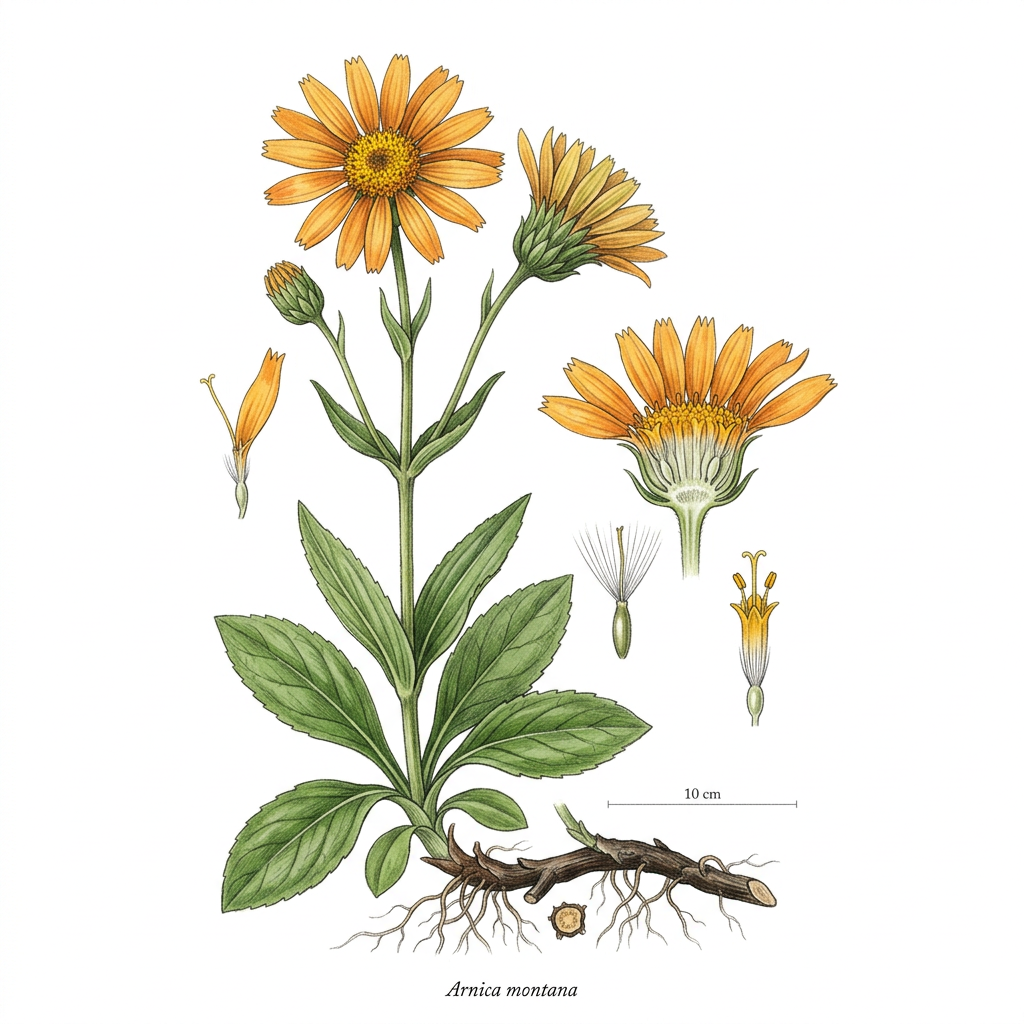
Arnica

Arnica

Arnica montana

Tissue Repair
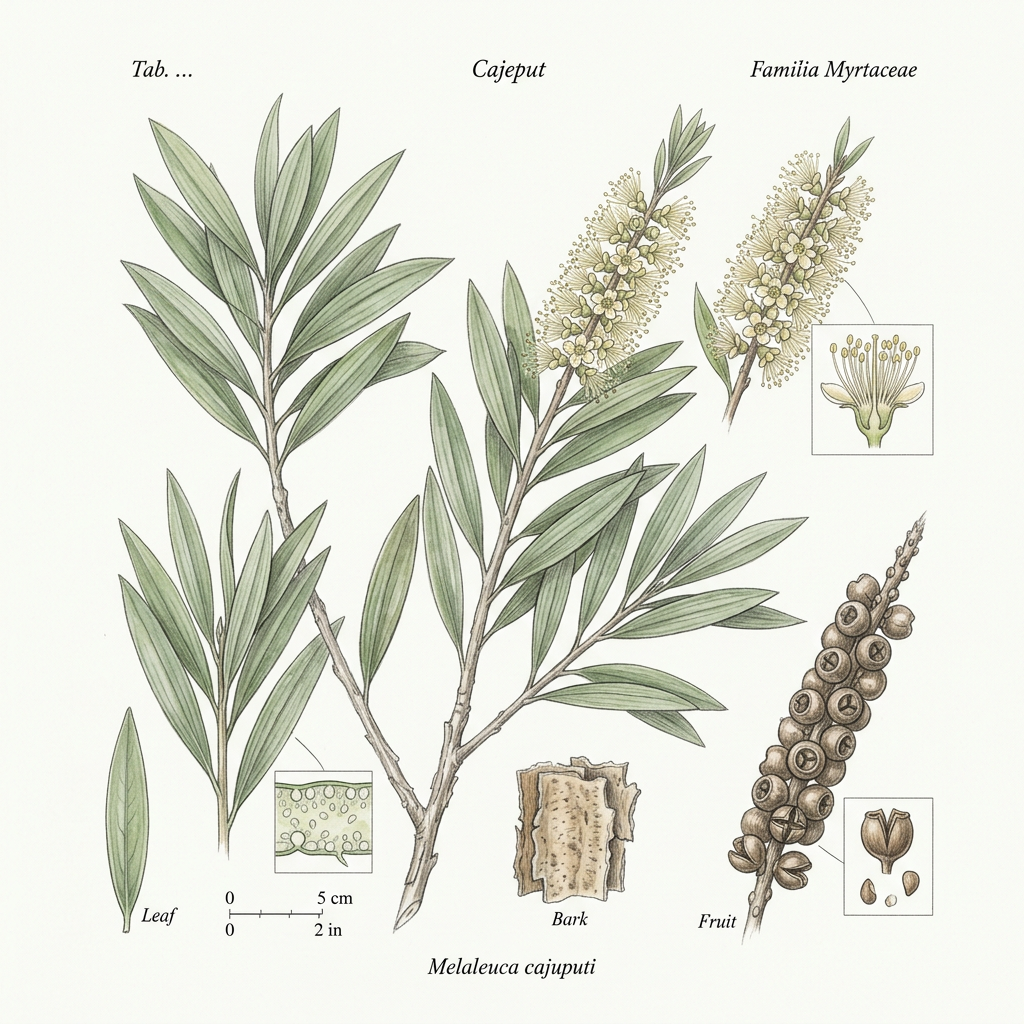
Cajeput

Cajeput

Melaleuca leucadendra

Aromatherapy