The Wild Sage logo
The Wild Sage Logo

Herbal Medicine at your fingertips

Comprehensive database of herbal remedies with detailed safety information and traditional uses

New to herbal terms? Read the glossary →
ADHD
Abcess
Acid Reflux Relief
Acinetobacter
Acne
Acne Vulgaris
Addisons
Adenomyosis
Adenovirus
Adrenal fatigue
Aging
Aids
Alcaligenes faecalis
Alcoholism
Allergic Rhinitis
Allergies
Allergy
Alopoecia
Alopoecia nervosa
Alzheimer's, Dementia & Cognitive Decline
420 herbs found
Important: This information is for educational purposes only. Always consult with qualified healthcare professionals before using herbal remedies, especially if you have existing health conditions or take medications.
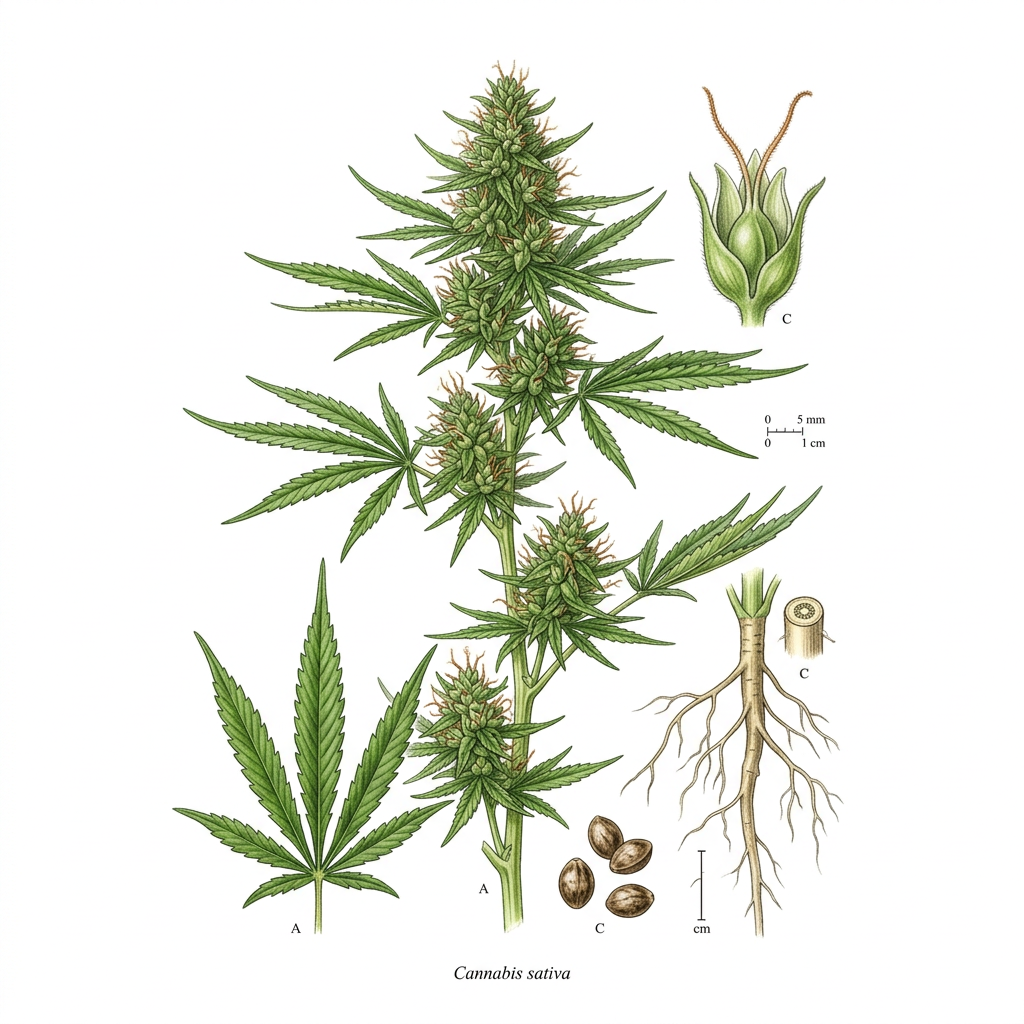
Cannabis

Cannabis

Cannabis sativa

moderate risk Risk
Cannabaceae
<p>Cannabis sativa, commonly known as cannabis, is a versatile and multifaceted plant that has been cultivated for thousands of years, with historical uses deeply embedded in various cultures around the globe. Originally valued for its fibrous stalks, which were used to produce textiles and ropes, the plant has also played a significant role in traditional medicine practices, particularly in ancient China, where it was utilized for its psychoactive and therapeutic properties. In more recent history, cannabis gained prominence during the 20th century as both a medicinal herb and a subject of legal controversies. Today, as scientific research expands our understanding of its therapeutic potentials, cannabis is increasingly recognized in the medical field for its diverse applications. The therapeutic properties of cannabis extend far beyond its well-documented use in alleviating pain and reducing nausea. It is renowned for its anxiolytic effects, making it a valuable option for individuals dealing with anxiety disorders. Additionally, emerging studies suggest that cannabinoids, the bioactive compounds within the plant, may also exhibit anti-cancer properties by inhibiting tumor growth and promoting apoptosis in certain cancer cells. Further benefits include its ability to stimulate appetite, enhance sleep quality, and provide neuroprotective effects, making it a holistic option for various chronic conditions. At the physiological level, cannabis works primarily through its interaction with the body's endocannabinoid system (ECS), a complex network of receptors, endocannabinoids, and metabolic enzymes that plays a critical role in maintaining homeostasis. The two main types of cannabinoid receptors, CB1 and CB2, are located throughout the body, with CB1 predominantly found in the brain and central nervous system, which facilitates the plant's psychoactive effects and modulation of pain and emotion. In contrast, CB2 receptors, located in peripheral tissues, influence inflammation and immune responses. By engaging these receptors, cannabinoids like THC (tetrahydrocannabinol) and CBD (cannabidiol) can help regulate a range of physiological processes, providing relief for a wide variety of symptoms and underscoring the plant's potential as a cornerstone of modern herbal therapy.</p>

Uses & Conditions

Pain relief
Anxiety
Nausea
Appetite stimulation
Sleep improvement
Neuroprotection
Immune support
Emotional modulation
Homeostasis maintenance
Multiple sclerosis (MS)
Chronic pain
Cancer
AIDS
Irritable Bowel Syndrome (IBS)
Ulcerative colitis
Epilepsy
Crohn’s disease
Chemotherapy recovery

Actions

Anxiolytic
Analgesic
Anti-inflammatory
Anti-cancer
Apoptosis promoter

Parts Used

buds

Native Countries

Asia
Mediterranean
North America

USDA Hardiness Zones

USDA 9-11

Contraindications

  • Pregnancy and breastfeeding
  • Personal or strong family history of psychotic disorders or schizophrenia
  • Unstable cardiovascular conditions including severe tachycardia or recent myocardial infarction
  • Severe hepatic or renal impairment

Potential Side Effects

  • Orthostatic hypotension
  • Mild cognitive impairment
  • Short-term memory deficits
  • Impaired psychomotor coordination
  • Xerostomia
  • Fatigue
  • Daytime drowsiness

Interactions

  • CNS depressants: may increase sedation when combined with benzodiazepines, alcohol, or opioid analgesics
  • Anticoagulants such as warfarin: potential for altered metabolic clearance
  • Antiepileptic drugs: complex interactions may occur, particularly with clobazam
  • Cytochrome P450 inhibitors or inducers: may alter the pharmacokinetics of other medications

Dosages, tincture ratios & research — members only

Unlock Garreth's dosing guidance, tincture ratios, the dosage calculator and the research studies for Cannabis.

Your assessment and results stay saved — upgrading only unlocks more of them.

See membership plans

Community Photos

No community photos yet. Sign in to upload photos.

Reviews & Ratings

Sign in to leave a review.

No reviews yet. Be the first!

GF

Garreth Falls — B.Th., Dip. H.M., MNIMH

Content curated and reviewed by Garreth Falls, Consultant Medical Herbalist · The Wild Sage

Medical Disclaimer: This information is for educational purposes only and is not intended as medical advice. Always consult with qualified healthcare professionals before starting any herbal treatment.
Western tradition

Sustainability & quality

Cultivated

Strictly regulated; only source from legal, controlled medical supply chains.

Key constituents

Delta-9-tetrahydrocannabinol (THC), Cannabidiol (CBD), Cannabigerol (CBG), Cannabinol (CBN), Terpenoids (e.g., Myrcene, Limonene, Pinene), Flavonoids (e.g., Cannflavin A and B)

References

  1. Mills & Bone "The Essential Guide to Herbal Safety" 2005
  2. Herbal Reality. Herb monographs. herbalreality.com

Reviewed by Garreth, Medical Herbalist (MNIMH) · October 2026

Related conditions

Explore conditions where Cannabis is traditionally used.

Related Herbs
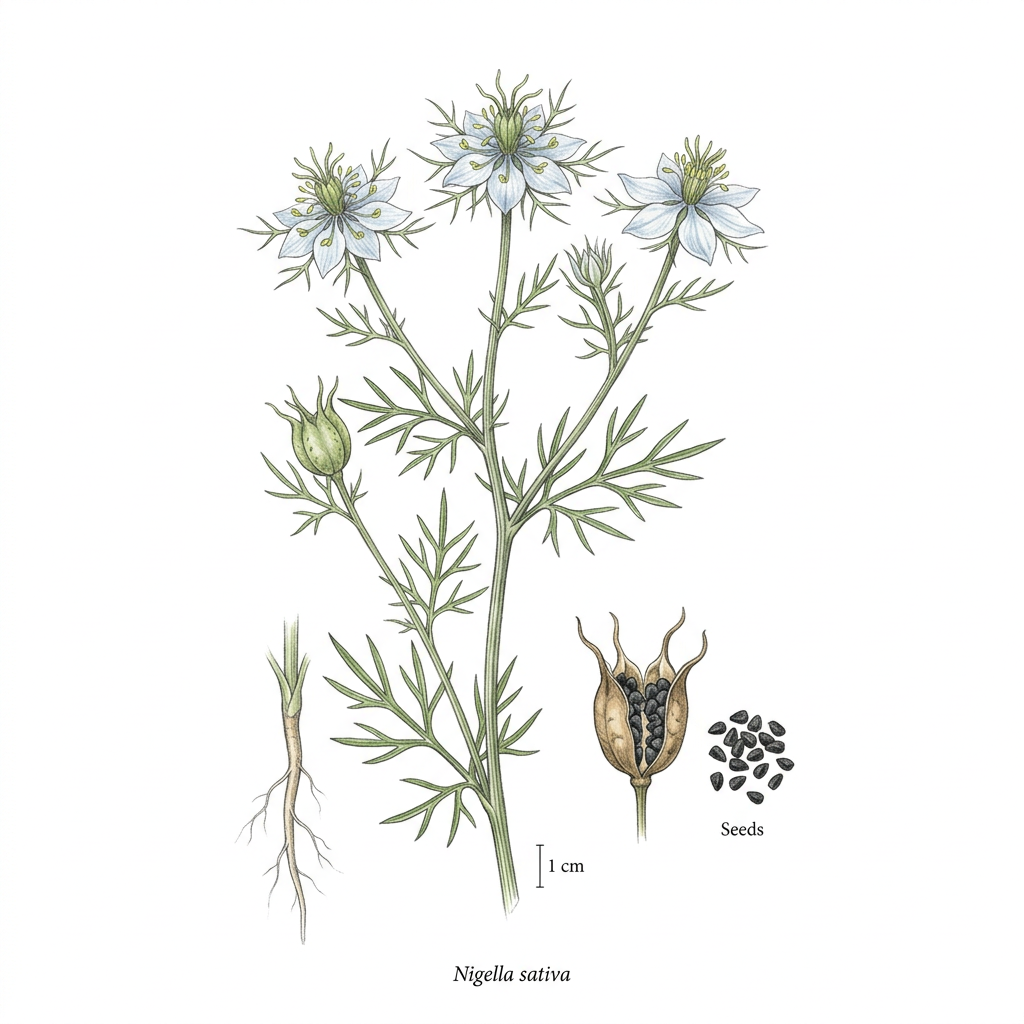
Black Cumin Seed

Black Cumin Seed

Nigella sativa

Antioxidant Support
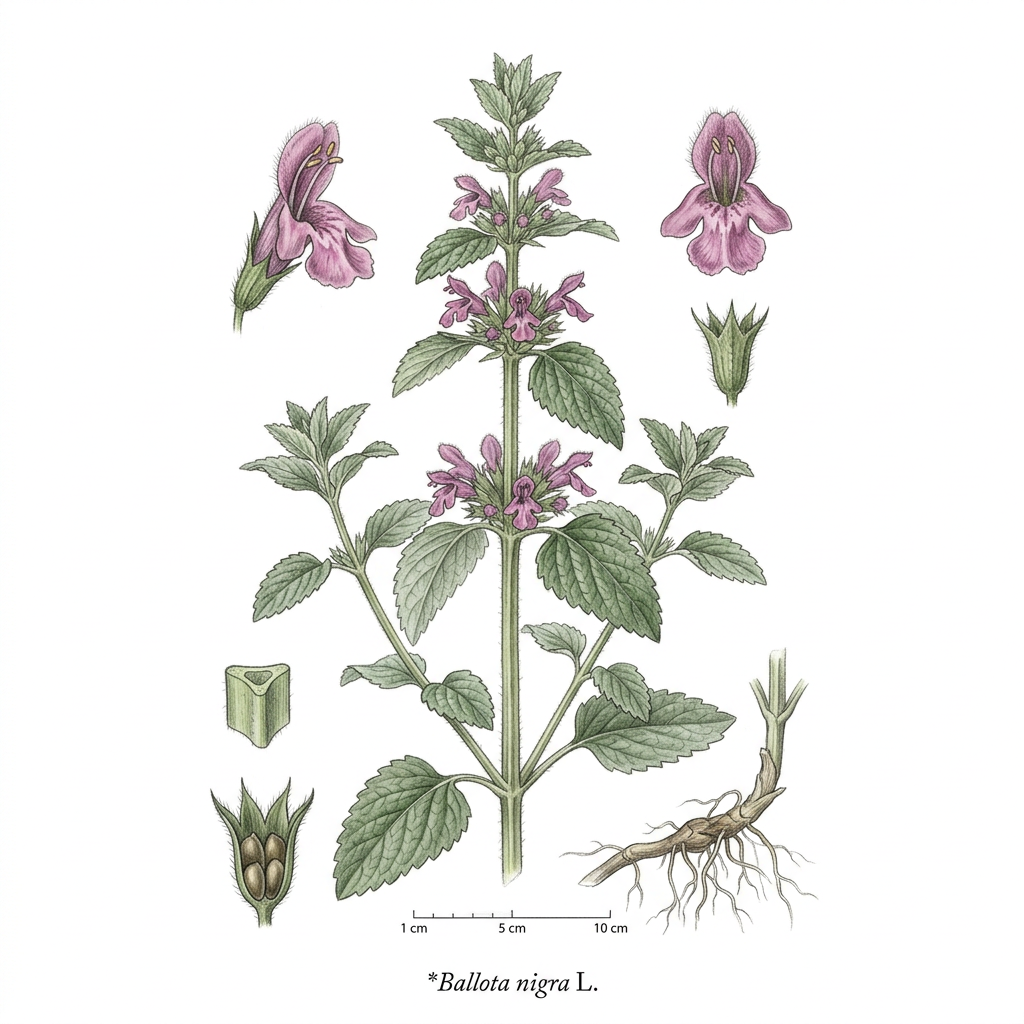
Black Horehound

Black Horehound

Ballota nigra

Digestive Aid
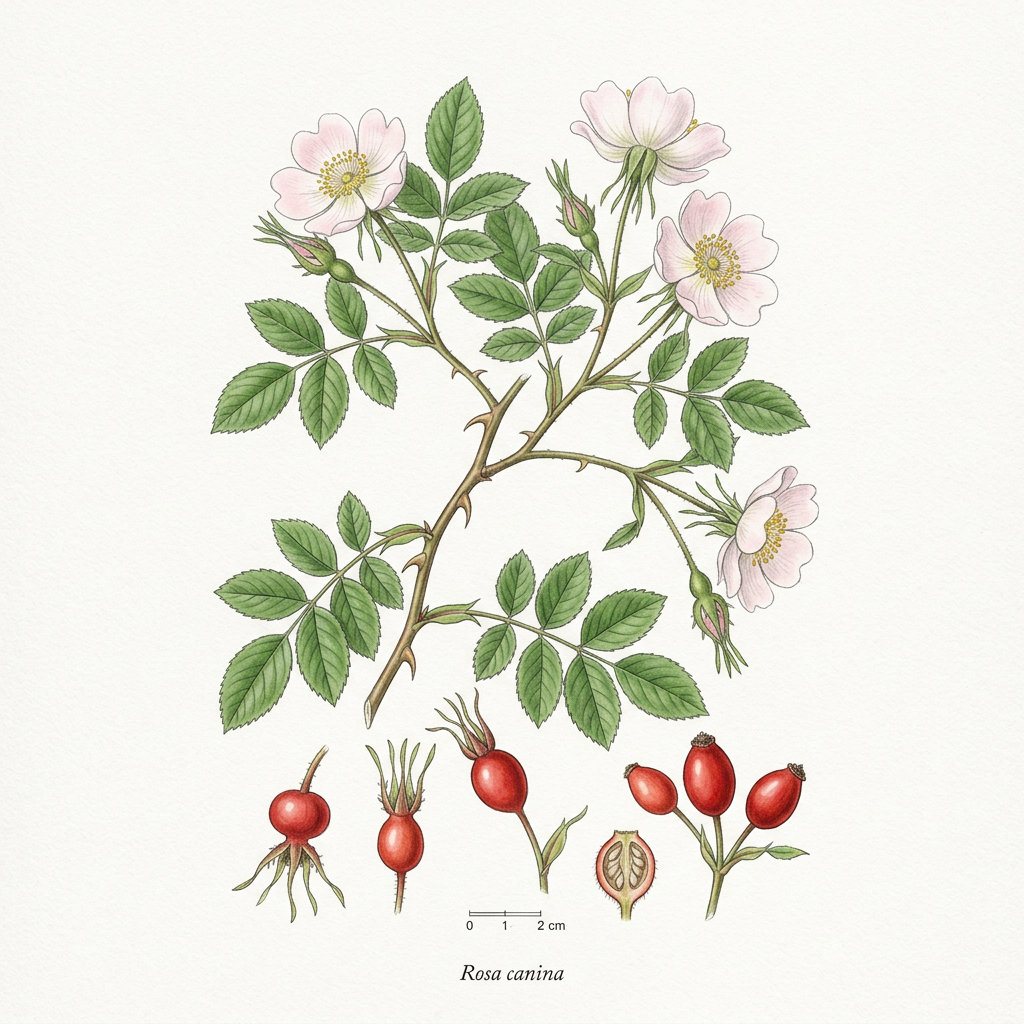
Dog rose

Dog rose

Rosa canina

Immune Support
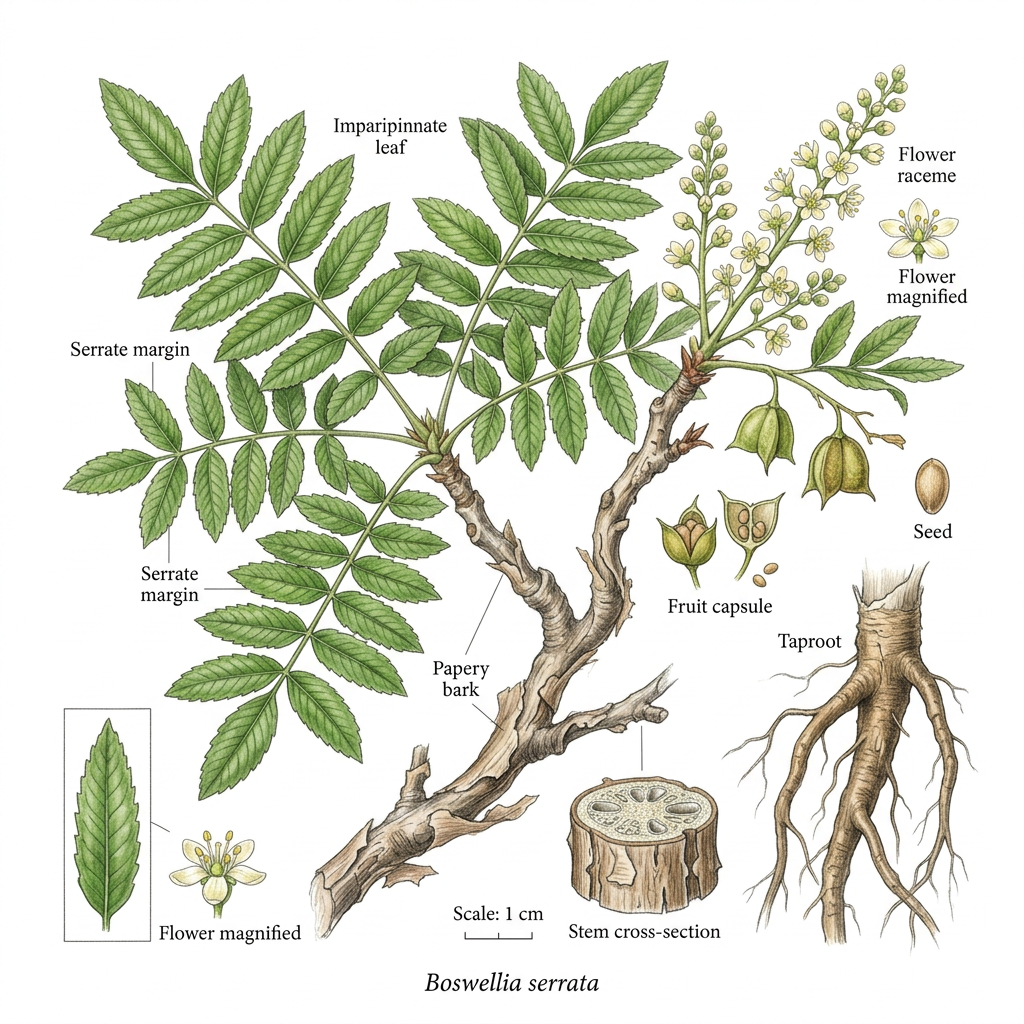
Frankincense

Frankincense

Boswellia serrata

Immune Modulation