The Wild Sage logo
The Wild Sage Logo

Herbal Medicine at your fingertips

Comprehensive database of herbal remedies with detailed safety information and traditional uses

New to herbal terms? Read the glossary →
ADHD
Abcess
Acid Reflux Relief
Acinetobacter
Acne
Acne Vulgaris
Addisons
Adenomyosis
Adenovirus
Adrenal fatigue
Aging
Aids
Alcaligenes faecalis
Alcoholism
Allergic Rhinitis
Allergies
Allergy
Alopoecia
Alopoecia nervosa
Alzheimer's, Dementia & Cognitive Decline
420 herbs found
Important: This information is for educational purposes only. Always consult with qualified healthcare professionals before using herbal remedies, especially if you have existing health conditions or take medications.
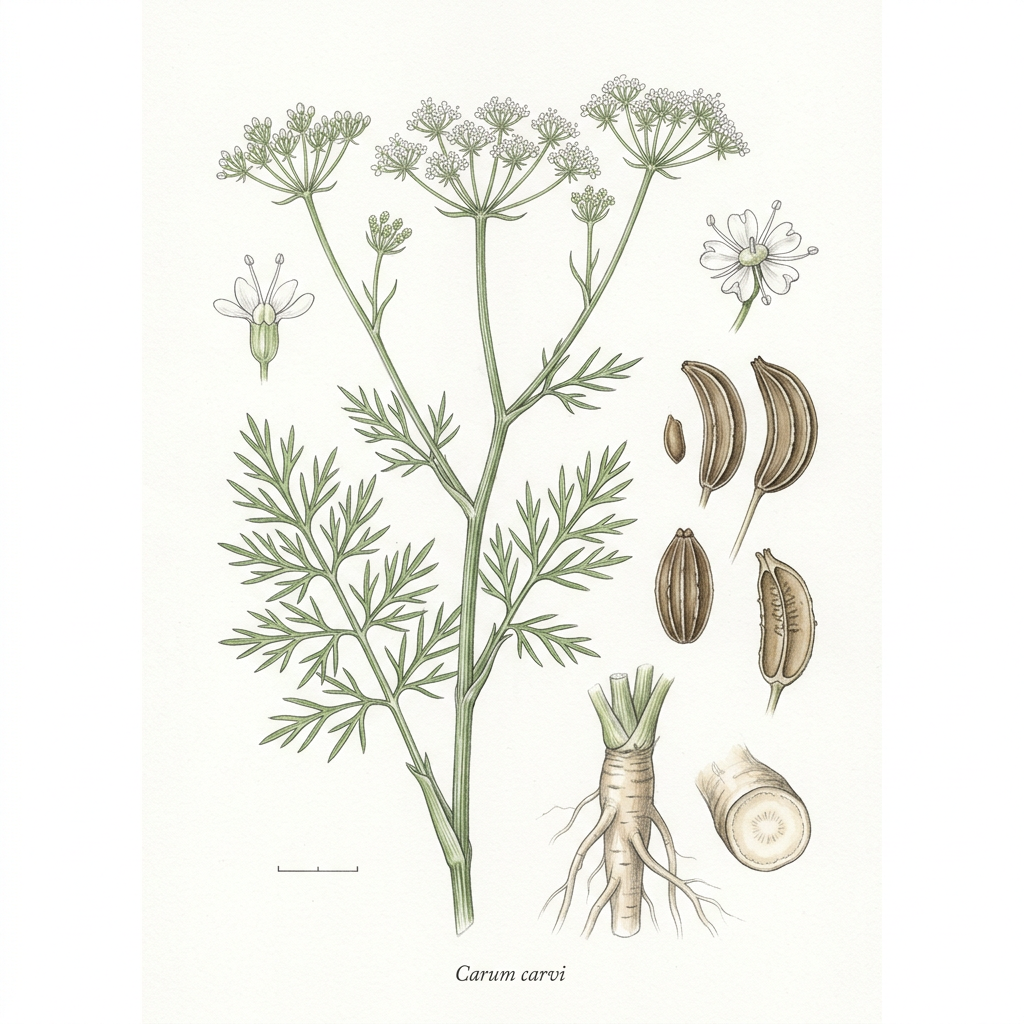
Caraway

Caraway

Carum carvi

low risk Risk
Apiaceae
Warming, stimulating, aids in digestion, and supports emotional well-being by promoting clarity and focus.
<p>Caraway (Carum carvi) is a biennial herb belonging to the Apiaceae family, well-known for its distinctive, aromatic seeds that are widely used both as a culinary spice and a traditional herbal remedy. Native to Europe and parts of Asia, caraway has a rich history of use that dates back to ancient times, where it was employed by the Greeks and Romans not only for flavoring food but also for its purported medicinal properties. It has been traditionally used in various cultures to support digestive health and alleviate gastrointestinal discomfort, with references found in historical texts that highlight its role in enhancing digestion and promoting uterine health. The therapeutic properties of caraway are diverse, but it is particularly lauded for its efficacy as a digestive aid and uterine stimulant. The seeds contain active compounds such as carvone and limonene, which contribute to their carminative, antispasmodic, and digestive stimulant effects. These compounds may help relax the muscles of the gastrointestinal tract, reducing bloating and discomfort associated with gas, while also supporting smooth muscle contractions that aid in digestion. Additionally, caraway has been traditionally used to promote menstrual health by stimulating uterine contractions, making it a valued herb in various women’s health applications. Upon ingestion, the therapeutic constituents of caraway become bioavailable and work synergistically to enhance gastrointestinal motility and stimulate digestive secretions. The aromatic nature of caraway not only makes it a popular choice in culinary applications, but its essential oils may also help in modulating gut microbiota, further contributing to overall digestive wellness. Furthermore, its historical use as a uterine stimulant illustrates its potential benefits in addressing menstrual irregularities and alleviating discomfort caused by cramping. Overall, caraway serves as an invaluable herb in both traditional herbal medicine and modern natural health practices, embodying a harmonious blend of culinary and therapeutic benefits.</p>

Uses & Conditions

Improved digestion
Enhanced nutrient absorption
Gut microbiota modulation
Digestive disorders
Bloating
Menorrhagia
Irregular menstrual cycle
PMS
Hypercholesterolaemia
Helicobacter pylori infection
Gastrointestinal discomfort

Actions

Digestive aid
Uterine stimulant
Hepatoprotective
Antimicrobial

Parts Used

Seeds

Native Countries

Europe

USDA Hardiness Zones

3-10

Contraindications

  • Pregnancy: avoid pharmacological doses due to uterine stimulation
  • Known allergy to Apiaceae family (e.g. fennel, dill, celery, carrot)
  • Active gastrointestinal ulceration or inflammatory bowel disease: use only under expert guidance
  • Biliary tract obstruction or severe liver disease: use with caution

Potential Side Effects

  • Occasional mild gastric irritation
  • Contact dermatitis in sensitive individuals
  • Rare allergic reactions

Interactions

  • Antidiabetic medications: may potentiate blood glucose lowering effects
  • Anticoagulants or antiplatelet drugs: theoretical risk of increased bleeding
  • Sedative medications: potential additive effects with central nervous system depressants

Dosages, tincture ratios & research — members only

Unlock Garreth's dosing guidance, tincture ratios, the dosage calculator and the research studies for Caraway.

Your assessment and results stay saved — upgrading only unlocks more of them.

See membership plans

Community Photos

No community photos yet. Sign in to upload photos.

Reviews & Ratings

Sign in to leave a review.

No reviews yet. Be the first!

GF

Garreth Falls — B.Th., Dip. H.M., MNIMH

Content curated and reviewed by Garreth Falls, Consultant Medical Herbalist · The Wild Sage

Medical Disclaimer: This information is for educational purposes only and is not intended as medical advice. Always consult with qualified healthcare professionals before starting any herbal treatment.
Western tradition

Sustainability & quality

Abundant

Commonly cultivated crop; source organic to ensure quality and chemical purity.

Key constituents

Carvone (monoterpene ketone), Limonene, Carveol, Dihydrocarvone, Fixed oils, Polysaccharides, Flavonoids

References

  1. ESCOP Monographs 2nd ed. 2003
  2. British Herbal Pharmacopoeia 1983
  3. Herbal Reality. Herb monographs. herbalreality.com

Reviewed by Garreth, Medical Herbalist (MNIMH) · October 2026

Related conditions

Explore conditions where Caraway is traditionally used.

Related Herbs
Anise

Anise

Pimpinella anisum

Digestive Tonic
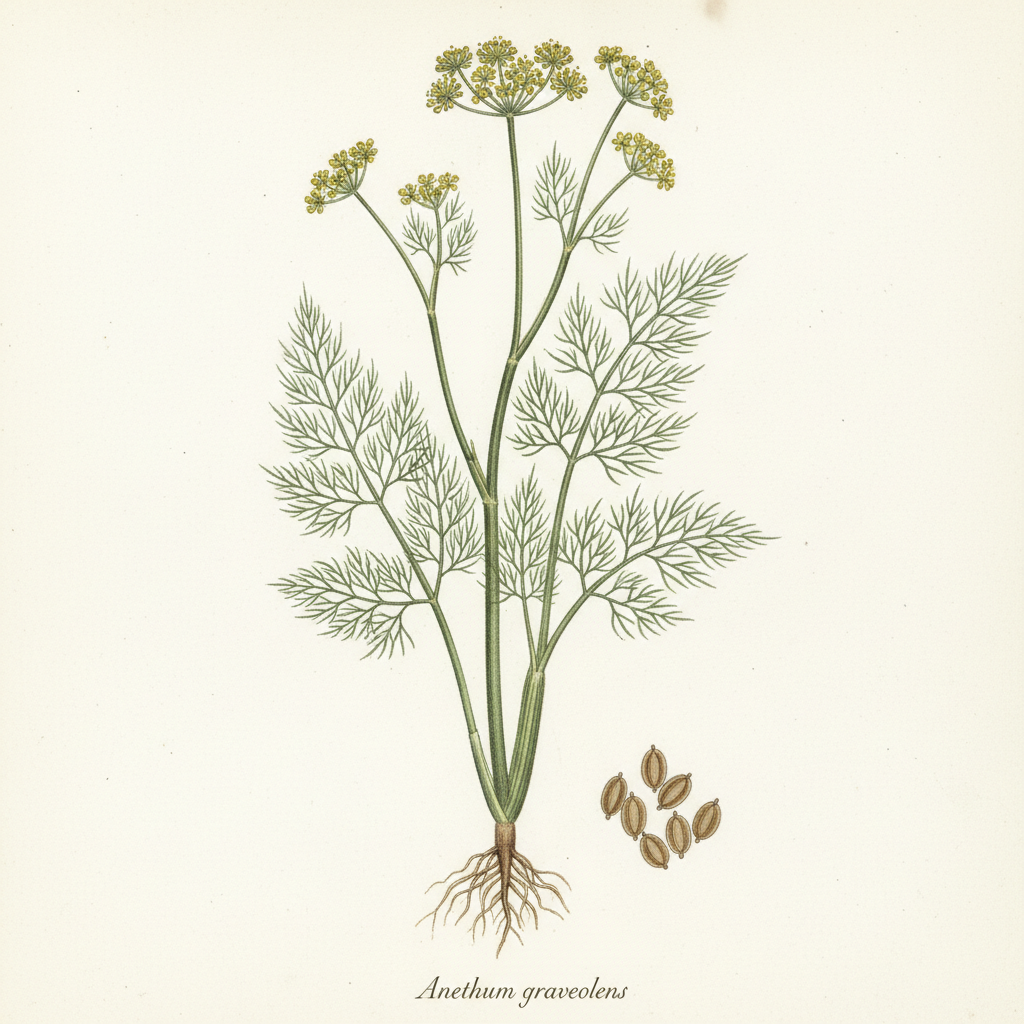
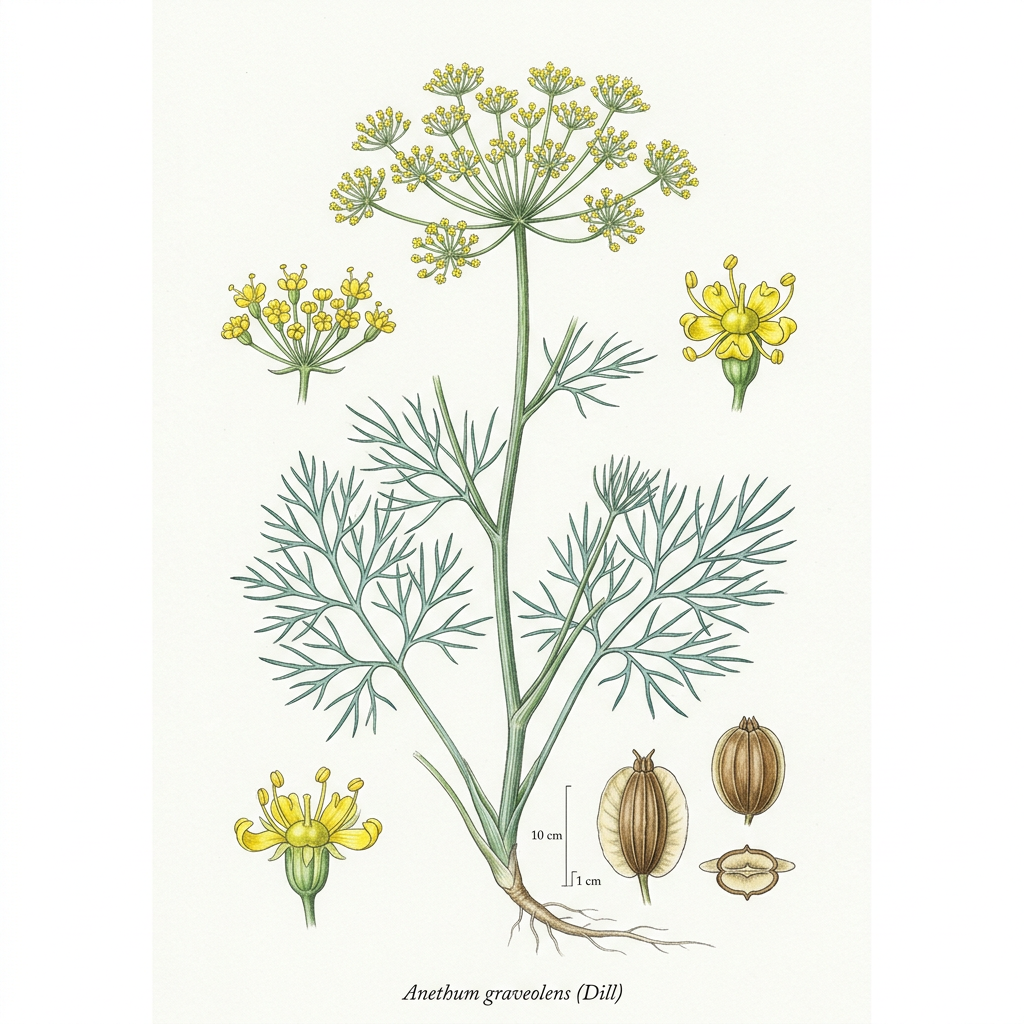
Dill

Dill

Anethum graveolens

Lactation Support
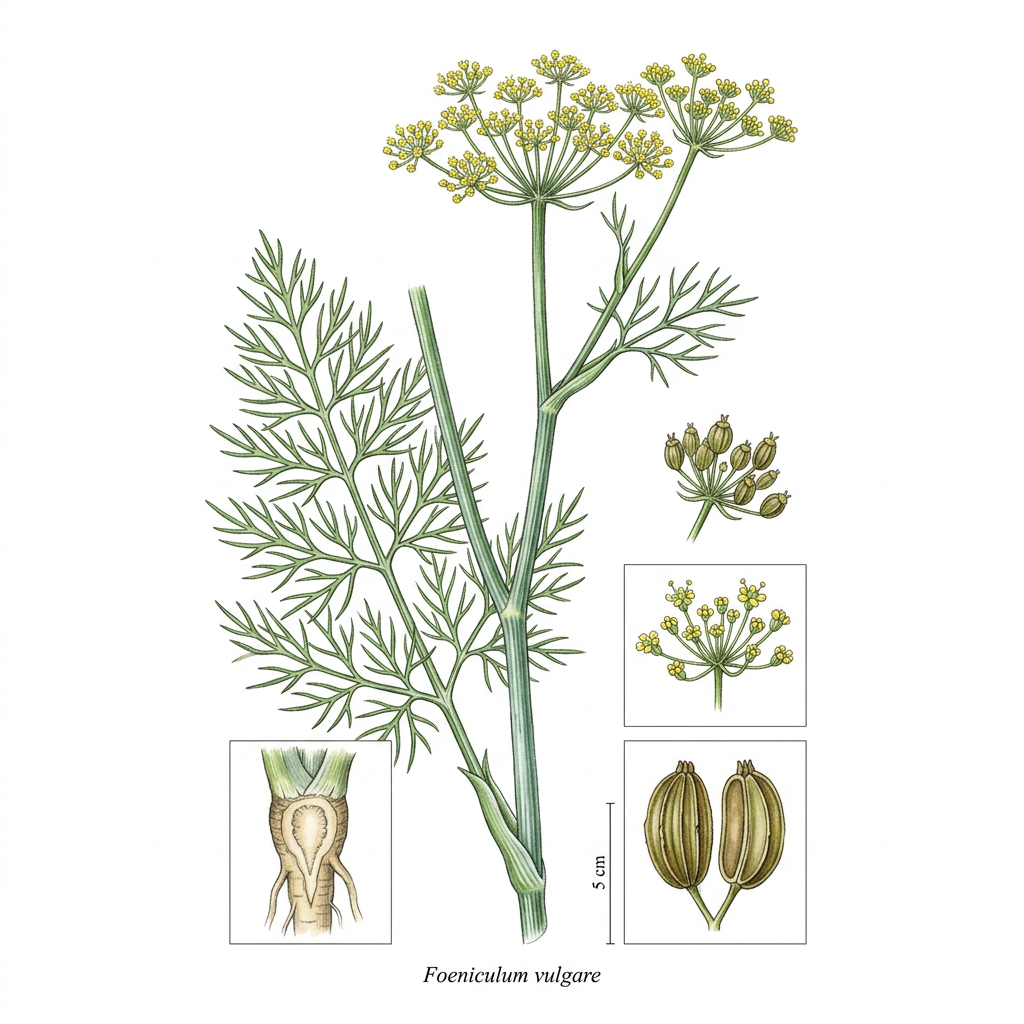
Fennel

Fennel

Foeniculum vulgare

Digestive Aid
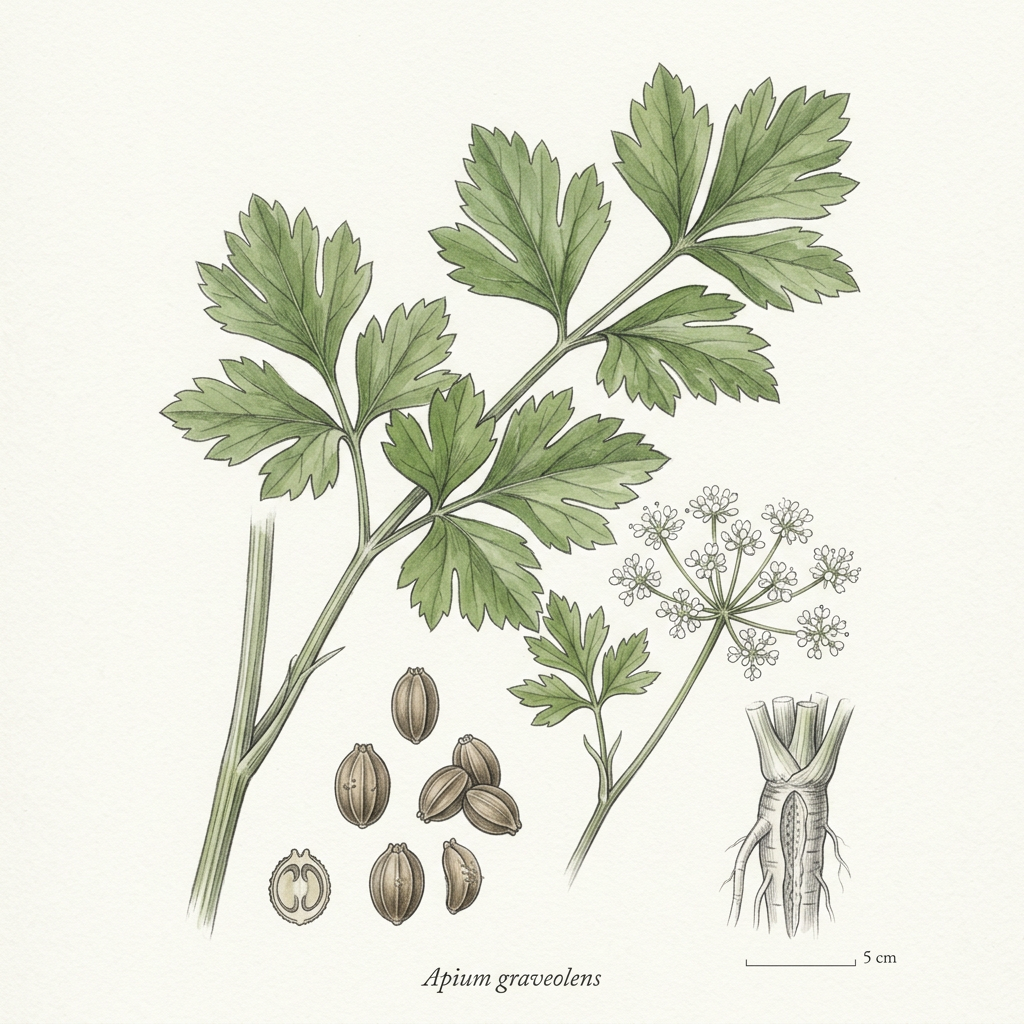
Celery Seed

Celery Seed

Apium graveolens

Digestive Aid