The Wild Sage logo
The Wild Sage Logo

Herbal Medicine at your fingertips

Comprehensive database of herbal remedies with detailed safety information and traditional uses

New to herbal terms? Read the glossary →
ADHD
Abcess
Acid Reflux Relief
Acinetobacter
Acne
Acne Vulgaris
Addisons
Adenomyosis
Adenovirus
Adrenal fatigue
Aging
Aids
Alcaligenes faecalis
Alcoholism
Allergic Rhinitis
Allergies
Allergy
Alopoecia
Alopoecia nervosa
Alzheimer's, Dementia & Cognitive Decline
420 herbs found
Important: This information is for educational purposes only. Always consult with qualified healthcare professionals before using herbal remedies, especially if you have existing health conditions or take medications.
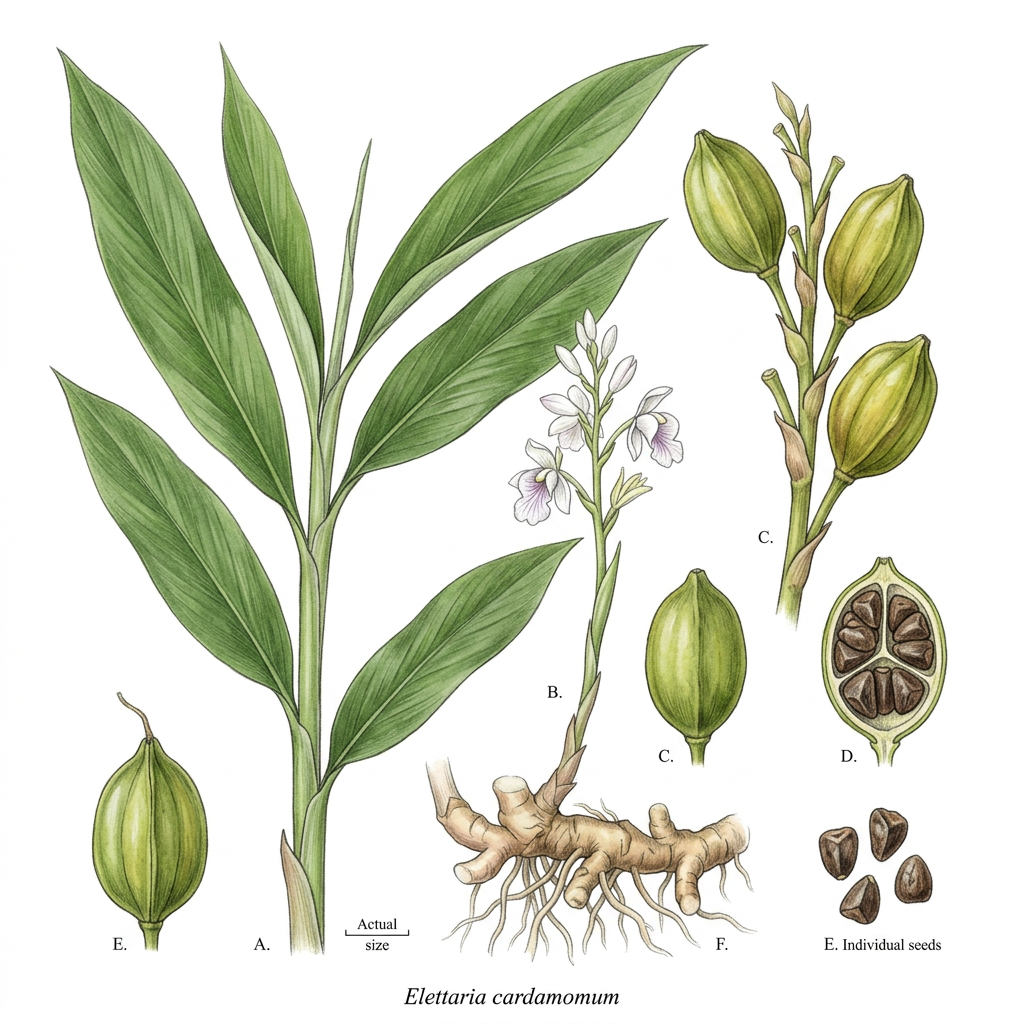
Cardamom

Cardamom

Elettaria cardamomum

low risk Risk
Cardamon
Warming, uplifting, stimulating, often used to enhance digestion and promote clarity of thought.
<p>Cardamom, often referred to as the "queen of spices," has been treasured for millennia, with its use documented in ancient Ayurvedic texts and traditional practices spanning across various cultures. Originating from the tropical climates of India and Sri Lanka, this aromatic herb has not only been a culinary essential but also a vital component of holistic wellness. Historically, cardamom was revered for its digestive properties and as a symbol of luxury, often being utilized in traditional medicine to enhance vitality, improve appetite, and treat various ailments. Its distinct, warm flavor has earned it a place in numerous dishes, from savory curries to sweet desserts and fragrant teas, making it a beloved spice around the globe. Cardamom is celebrated for its diverse therapeutic properties, particularly in promoting digestive health. The herb is recognized as an effective remedy for indigestion, gas, and bloating, functioning as a warming digestive aid that stimulates appetite and enhances nutrient absorption. Key constituents of cardamom, such as cineole, terpinene, and various flavonoids, contribute to its anti-inflammatory and carminative effects. By relaxing the smooth muscles of the gastrointestinal tract, cardamom alleviates discomfort associated with bloating and gas, while also promoting the secretion of digestive enzymes. Its antioxidant properties further support overall gut health, helping to neutralize harmful free radicals and protect digestive tissues from oxidative stress. When consumed, cardamom works synergistically within the body to enhance digestive function and improve overall wellness. The volatile oils present in the spice stimulate the salivary glands and release digestive juices, facilitating the breakdown of food and improving absorption of nutrients. Cardamom’s warming qualities also contribute to improved circulation, which can guide the flow of digestive processes effectively. Additionally, the herb's antimicrobial properties help maintain a healthy gut flora, reducing the risk of infections and imbalances in the digestive system. This multifaceted approach not only makes cardamom a powerful ally for digestive health but also elevates its status as an indispensable herb in both traditional and modern herbal practices.</p>

Uses & Conditions

Digestive Aid
Respiratory Support
Enhanced Appetite
Healthy Gut Flora
Indigestion
Gas
Bloating
Irritable Bowel Syndrome
Hypertension
Constipation
Dyspepsia
Helicobacter Pylori

Actions

Stomachic
Carminative
Hypotensive
Calming
Nervine
Anxiolytic
COX-2 Inhibitor
Oxidant Modulator

Parts Used

Seed pod

Native Countries

Asia

USDA Hardiness Zones

USDA 9-11

Contraindications

  • Individuals with a history of gallstones should exercise caution due to increased bile flow
  • Avoid therapeutic doses during pregnancy beyond culinary amounts
  • Hypersensitivity or allergic reaction to cardamom or the Zingiberaceae family
  • Discontinue use at least two weeks prior to surgery

Potential Side Effects

  • Mild gastrointestinal irritation in sensitive individuals
  • Contact dermatitis upon topical application of undiluted essential oils
  • Allergic reactions in those with specific spice sensitivities

Interactions

  • Antiplatelet and anticoagulant medications: potential risk of enhanced blood thinning effects
  • Hypoglycaemic agents: potential to potentiate blood sugar lowering effects
  • Antihypertensive drugs: potential to influence blood pressure levels
  • Use caution with concurrent prescription medicines

Dosages, tincture ratios & research — members only

Unlock Garreth's dosing guidance, tincture ratios, the dosage calculator and the research studies for Cardamom.

Your assessment and results stay saved — upgrading only unlocks more of them.

See membership plans

Community Photos

No community photos yet. Sign in to upload photos.

Reviews & Ratings

Sign in to leave a review.

No reviews yet. Be the first!

GF

Garreth Falls — B.Th., Dip. H.M., MNIMH

Content curated and reviewed by Garreth Falls, Consultant Medical Herbalist · The Wild Sage

Medical Disclaimer: This information is for educational purposes only and is not intended as medical advice. Always consult with qualified healthcare professionals before starting any herbal treatment.
Ayurvedic tradition

Sustainability & quality

Cultivated

Major spice crop. Source organic, high-grade seeds to ensure therapeutic volatile oil content.

Key constituents

1, 8-cineole, Alpha-terpinyl acetate, Limonene, Sabinene, Linalool, Terpinene, Flavonoids, Volatile oils

References

  1. Bensky "Chinese Herbal Medicine: Materia Medica" 3rd ed. 2004
  2. Pole "Ayurvedic Medicine" 2006
  3. Herbal Reality. Herb monographs. herbalreality.com

Reviewed by Garreth, Medical Herbalist (MNIMH) · October 2026

Related conditions

Explore conditions where Cardamom is traditionally used.

Related Herbs
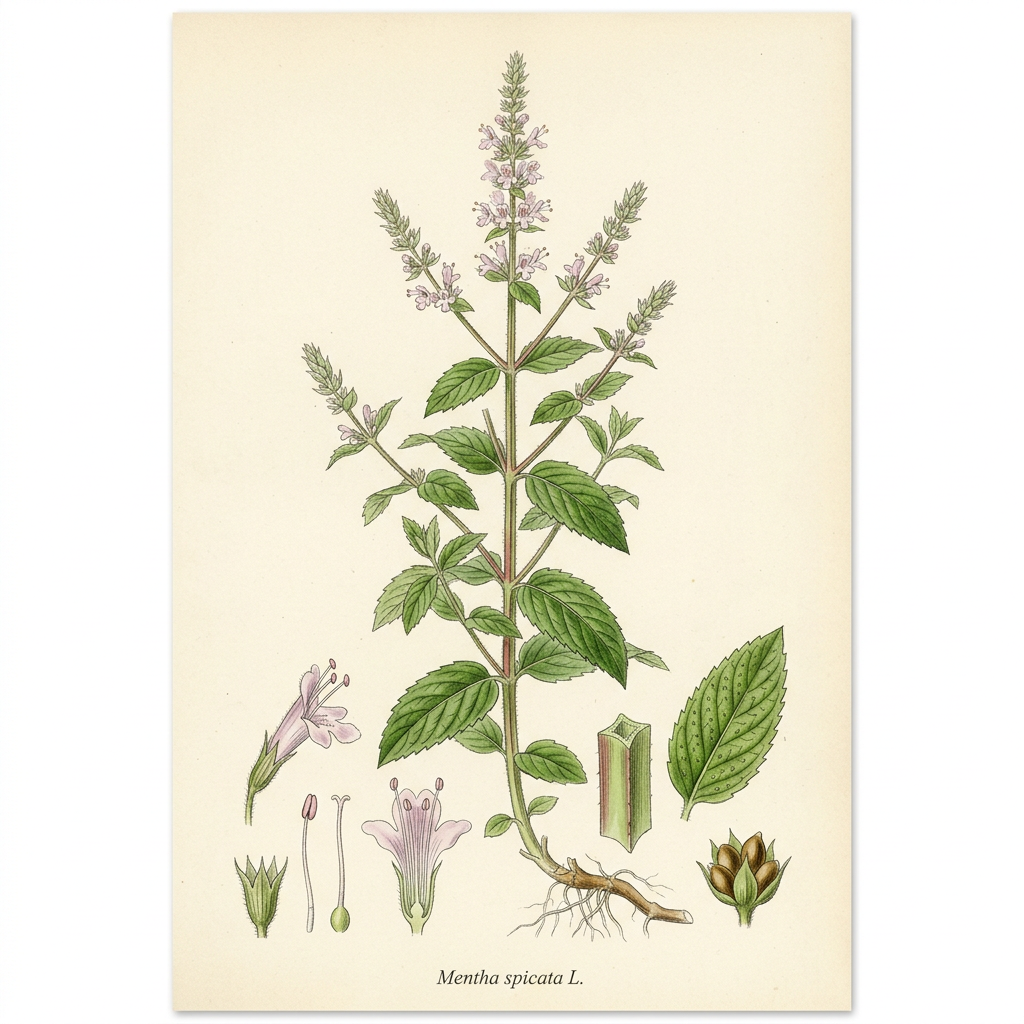
Spearmint

Spearmint

Mentha spicata

Digestive Aid
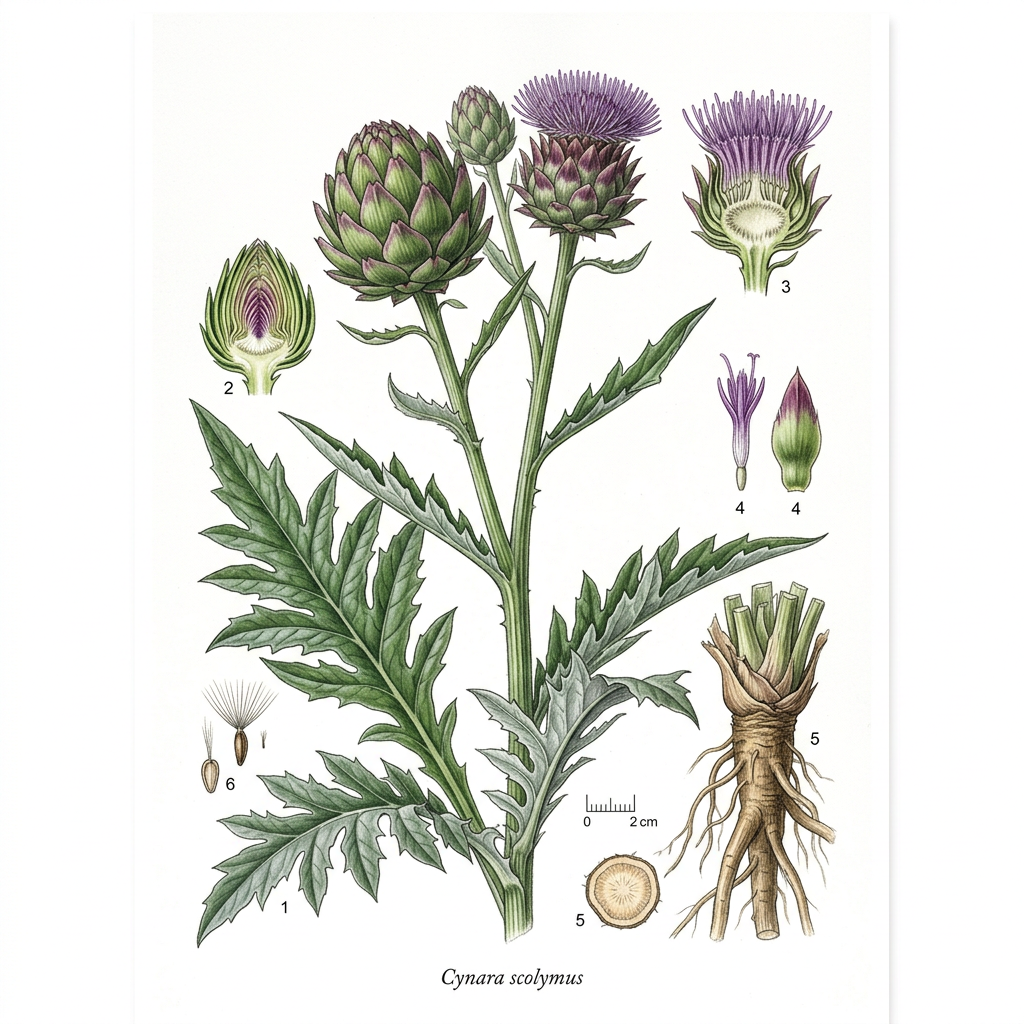
Artichoke

Artichoke

Cynara scolymus

Liver Support
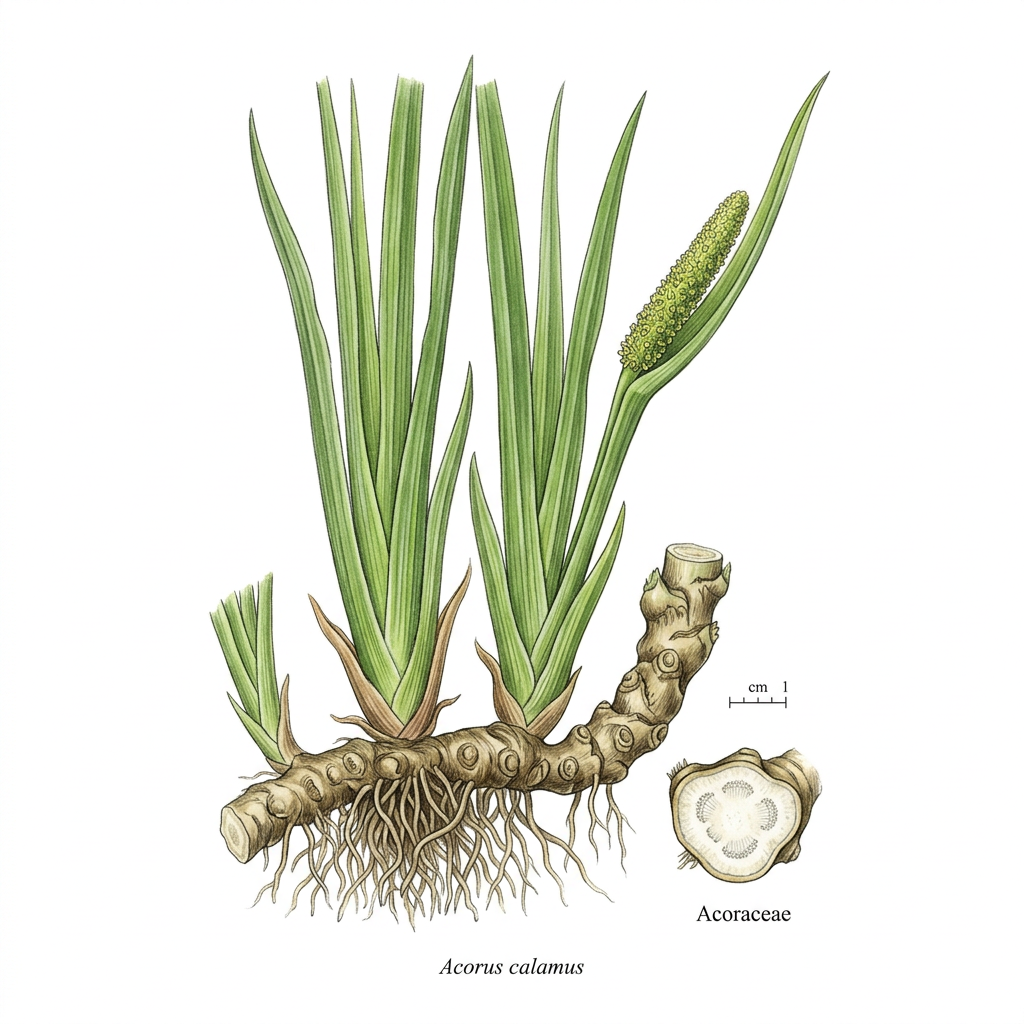
Calamus

Calamus

Acorus calamus

Appetite Stimulation
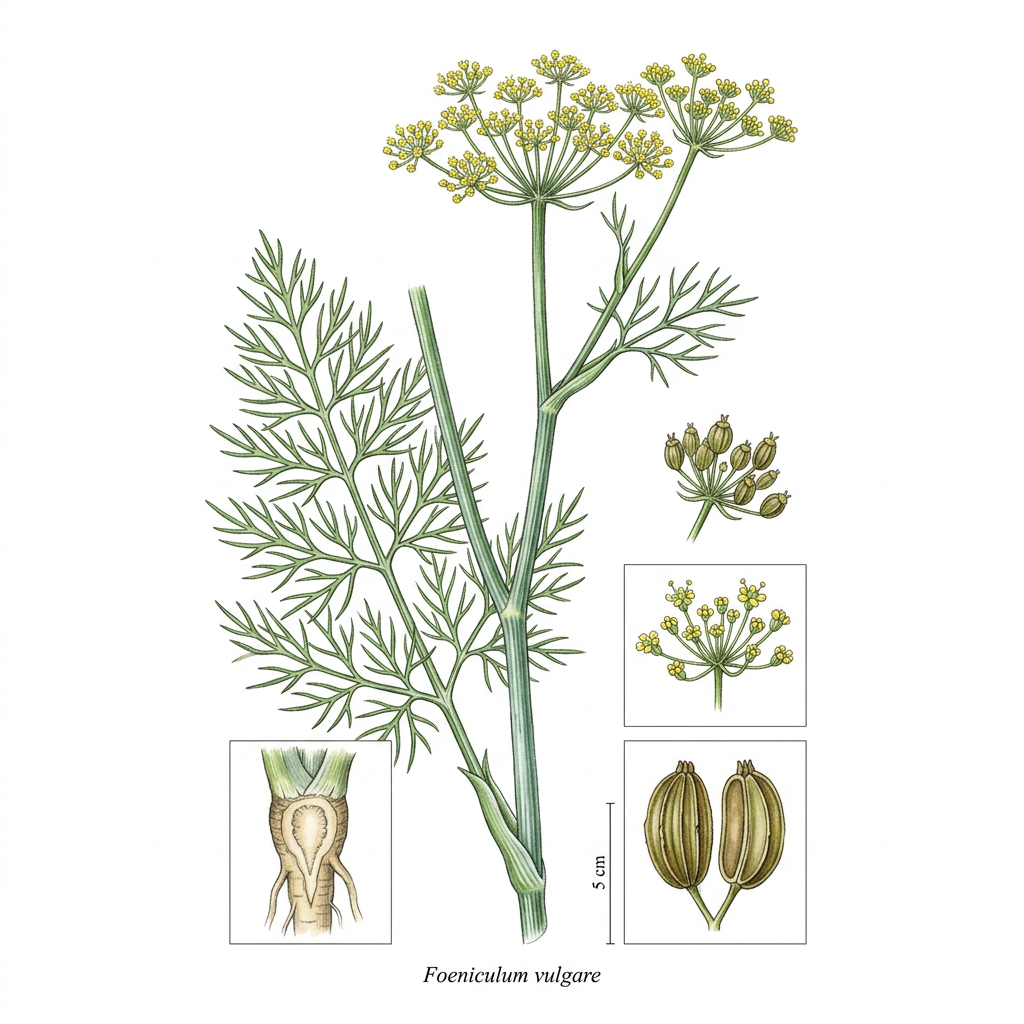
Fennel

Fennel

Foeniculum vulgare

Digestive Aid