The Wild Sage logo
The Wild Sage Logo

Herbal Medicine at your fingertips

Comprehensive database of herbal remedies with detailed safety information and traditional uses

New to herbal terms? Read the glossary →
ADHD
Abcess
Acid Reflux Relief
Acinetobacter
Acne
Acne Vulgaris
Addisons
Adenomyosis
Adenovirus
Adrenal fatigue
Aging
Aids
Alcaligenes faecalis
Alcoholism
Allergic Rhinitis
Allergies
Allergy
Alopoecia
Alopoecia nervosa
Alzheimer's, Dementia & Cognitive Decline
420 herbs found
Important: This information is for educational purposes only. Always consult with qualified healthcare professionals before using herbal remedies, especially if you have existing health conditions or take medications.
Catipillar fungus

Catipillar fungus

Cordyceps

low risk Risk
Ophiocordycipitaceae
Warming and moistening
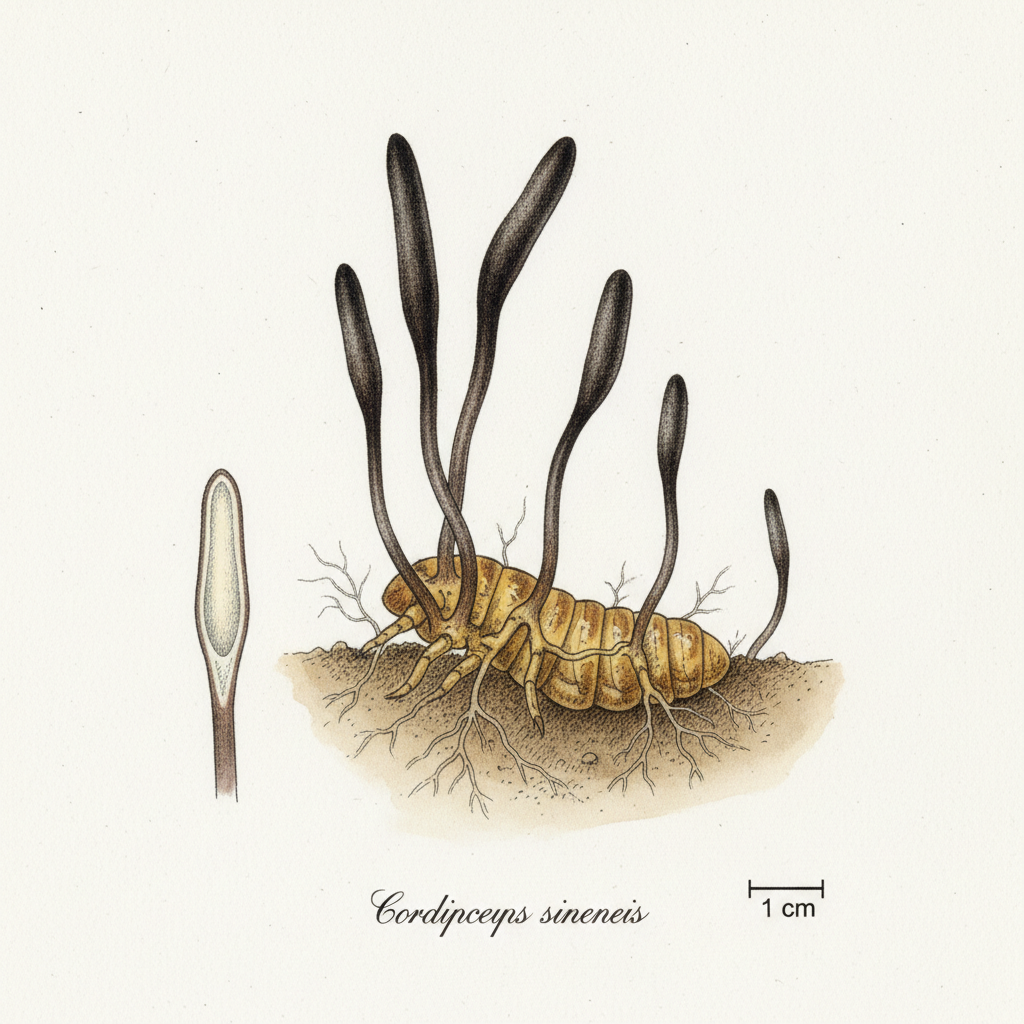
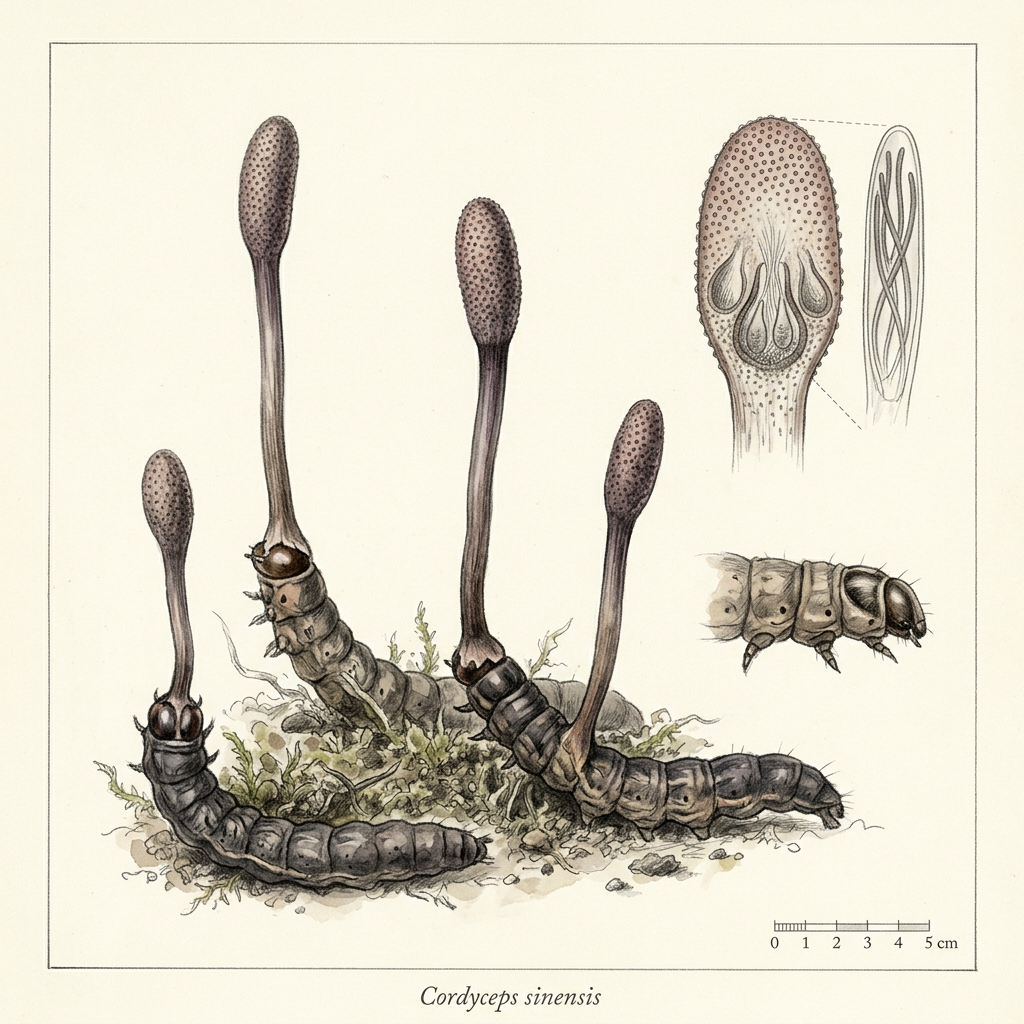
<p>Cordyceps sinensis, or caterpillar fungus, is an unusual entomopathogenic fungus belonging to the family Ophiocordycipitaceae. In its natural high-altitude Himalayan habitat, the fungus infects the larvae of ghost moths, eventually replacing the host tissue with its own mycelium and erupting as a slender, blade-like fruiting body from the head of the insect. Due to the difficulty of wild harvesting, most clinical supply is now produced via controlled mycelial fermentation processes.</p><p>Traditionally used for centuries in Traditional Chinese Medicine, Cordyceps has been valued as a potent lung and kidney tonic. Historically, it was employed to support recovery from chronic exhaustion, restore vitality after prolonged illness, and bolster general resilience. It holds a reputation as a tonic for the 'Life Gate' or Ming Men, reflecting its historical use as a support for deep, constitutional energy and endocrine health.</p><p>Modern research into Cordyceps has focused largely on its adaptogenic and immunomodulatory properties. Preliminary studies suggest that constituents such as cordycepin may influence cellular energy production by supporting ATP synthesis. It is currently investigated for its potential to support respiratory function, exercise performance, and healthy ageing. Clinical evidence in humans remains in its infancy, requiring more robust trials to confirm these pharmacological mechanisms.</p><p>In contemporary clinical practice, I utilise Cordyceps as a restorative tonic for patients suffering from fatigue, reduced stamina, or sub-clinical respiratory weakness. It is often integrated into long-term protocols aimed at balancing the immune system or supporting individuals facing high-stress loads. It is generally well-tolerated, but I advise a conservative approach when initiating supplementation for patients with pre-existing autoimmune conditions or those scheduled for surgery.</p>

Uses & Conditions

Immunomodulation
Energy Booster
Stamina Increase
Anti-aging
Cancer
Diabetes
Neurodegenerative Disorders
Kidney Disease
Pyelitis
Neuropathy
Low Libido
Exhaustion and Fatigue
Chronic Fatigue Syndrome
Infertility

Actions

Adaptogen
Aphrodisiac
Immunomodulator
Neuroprotective
Hypoglycaemic
Anti-parasitic
Anti-hyperlipidaemic
Hepatoprotective
Anti-bacterial
Anti-viral
Anti-cancer
Anti-microbial
Renal Trophorestorative
Anti-coagulant

Parts Used

Entire fruiting body
Cultured mycelium

Native Countries

Tibet
China
Nepal
Bhutan
India

USDA Hardiness Zones

10
11

Contraindications

  • Pregnancy and breastfeeding
  • Autoimmune conditions such as rheumatoid arthritis or lupus
  • Scheduled surgery: discontinue use at least two weeks before elective procedures
  • Known allergy to mushrooms or fungi
  • Acute viral infections

Potential Side Effects

  • Mild gastrointestinal distress such as abdominal bloating or discomfort
  • Dry mouth
  • Mild skin rash

Interactions

  • Anticoagulants and antiplatelet agents: may increase bleeding risk
  • Immunosuppressants: potential to interfere with efficacy of medications such as ciclosporin or corticosteroids
  • Hypoglycaemic agents: may lead to additive effects with insulin or oral antidiabetic drugs

Dosages, tincture ratios & research — members only

Unlock Garreth's dosing guidance, tincture ratios, the dosage calculator and the research studies for Catipillar fungus.

Your assessment and results stay saved — upgrading only unlocks more of them.

See membership plans

Community Photos

No community photos yet. Sign in to upload photos.

Reviews & Ratings

Sign in to leave a review.

No reviews yet. Be the first!

GF

Garreth Falls — B.Th., Dip. H.M., MNIMH

Content curated and reviewed by Garreth Falls, Consultant Medical Herbalist · The Wild Sage

Medical Disclaimer: This information is for educational purposes only and is not intended as medical advice. Always consult with qualified healthcare professionals before starting any herbal treatment.
Chinese tradition

Sustainability & quality

At risk

Extremely high market demand has placed immense pressure on wild stocks. Recommend using only lab-cultivated mycelial products to prevent ecological depletion.

Key constituents

Cordycepin (3'-deoxyadenosine), Cordycepic acid (D-mannitol), Polysaccharides, Adenosine, Ergosterol, Nucleosides, Trace minerals (potassium, magnesium), Vitamin B12

References

  1. Bensky "Chinese Herbal Medicine: Materia Medica" 3rd ed. 2004
  2. Herbal Reality. Herb monographs. herbalreality.com

Reviewed by Garreth, Medical Herbalist (MNIMH) · October 2026

Related conditions

Explore conditions where Catipillar fungus is traditionally used.

Related Herbs
Cordyceps

Cordyceps

Cordyceps sinensis

Athletic Performance
Ginseng

Ginseng

Panax ginseng

Energy Booster
Brazillian ginseng

Brazillian ginseng

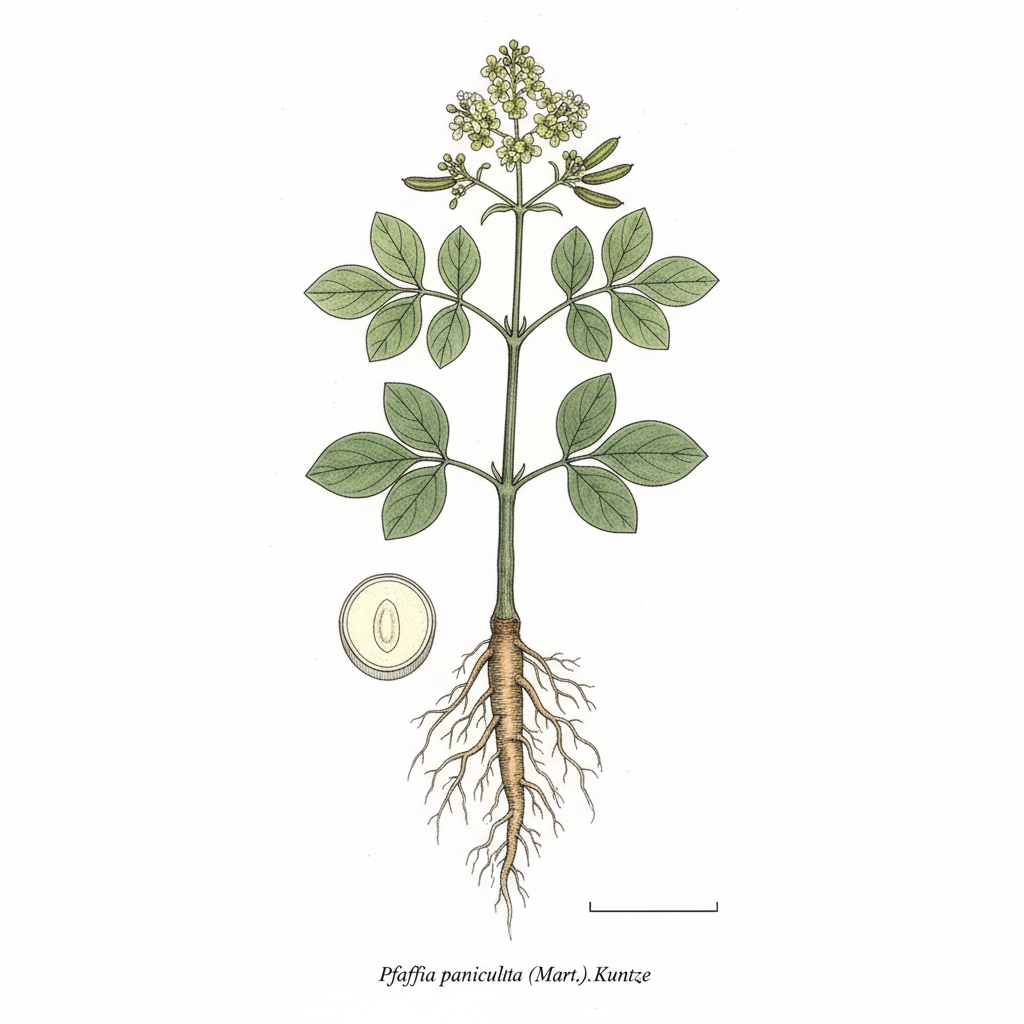
Pfaffia paniculata
Adaptation to Stress
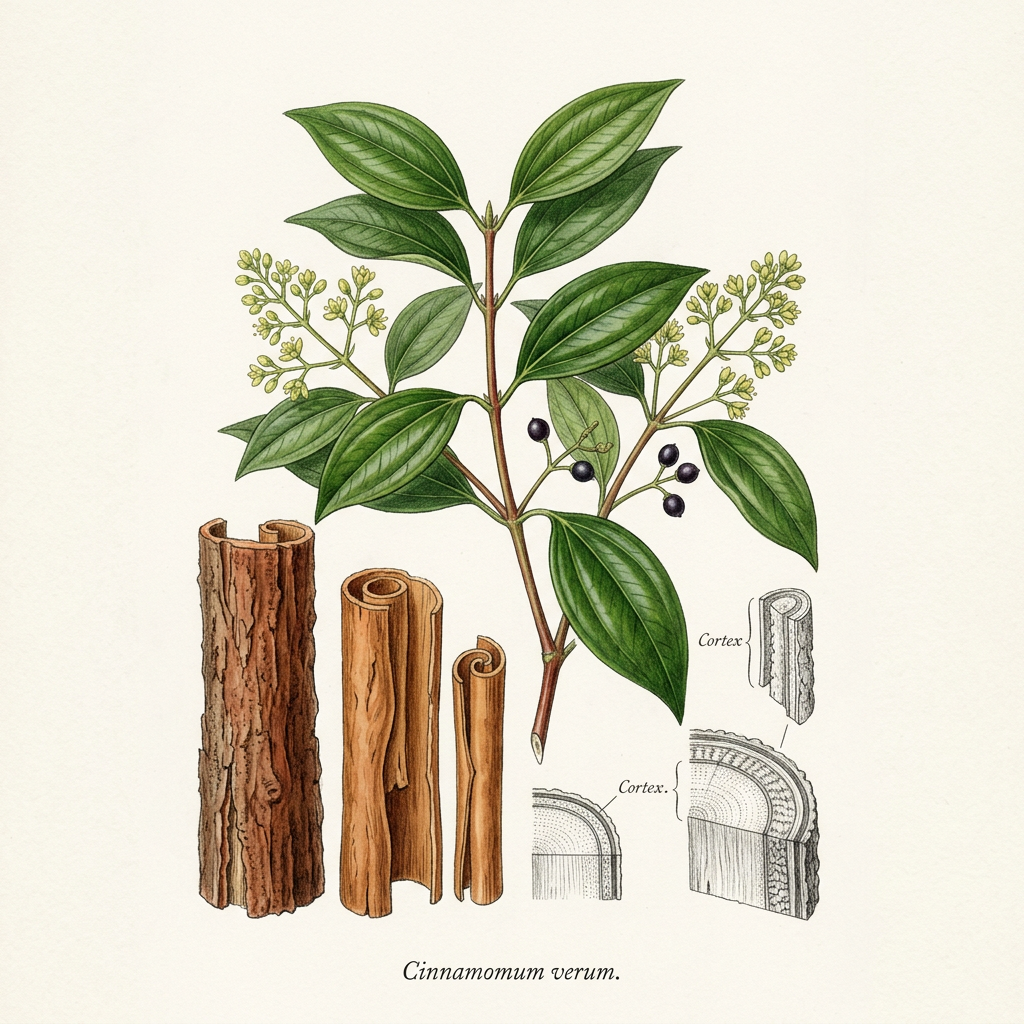
Cinnamomum verum

Cinnamomum verum

Cinnamomum verum

Digestive Support