The Wild Sage logo
The Wild Sage Logo

Herbal Medicine at your fingertips

Comprehensive database of herbal remedies with detailed safety information and traditional uses

New to herbal terms? Read the glossary →
ADHD
Abcess
Acid Reflux Relief
Acinetobacter
Acne
Acne Vulgaris
Addisons
Adenomyosis
Adenovirus
Adrenal fatigue
Aging
Aids
Alcaligenes faecalis
Alcoholism
Allergic Rhinitis
Allergies
Allergy
Alopoecia
Alopoecia nervosa
Alzheimer's, Dementia & Cognitive Decline
420 herbs found
Important: This information is for educational purposes only. Always consult with qualified healthcare professionals before using herbal remedies, especially if you have existing health conditions or take medications.
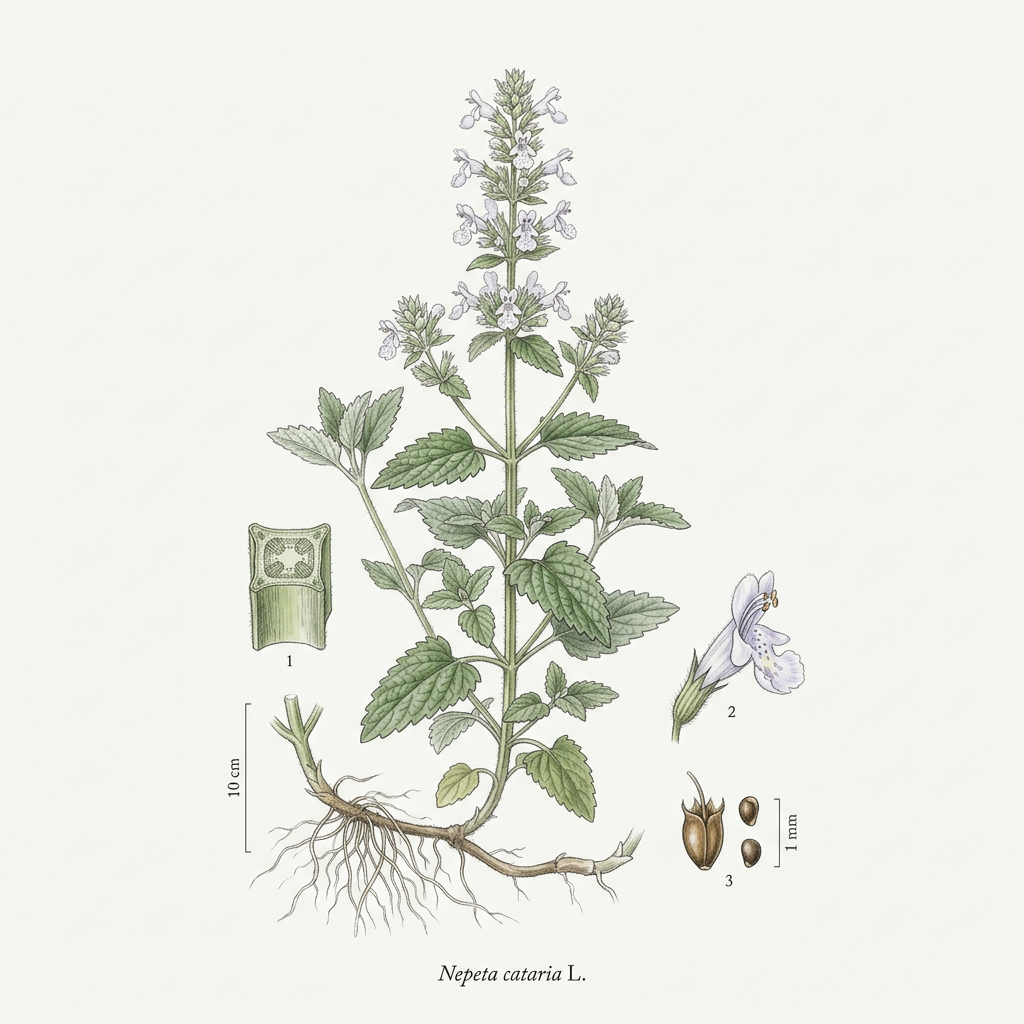
Catnip

Catnip

Nepeta cataria

low risk Risk
Laminaceae
Known for its calming and soothing effects, promoting relaxation and reducing anxiety in both humans and animals.
<p>Catnip, scientifically known as Nepeta cataria, is a perennial herb belonging to the mint family (Lamiaceae) and is native to Europe and Asia. It has spread widely across North America, where it flourishes in gardens and natural landscapes. Historically, catnip has been employed not only as a delightful herb for feline companions—known to elicit playful and euphoric behavior—but also as a gentle herbal remedy for humans. Traditional herbal practices have utilized catnip for centuries for its calming effects, often brewed into teas or tinctures to treat a variety of ailments, particularly among children. Its use can be traced back to ancient Greek and Roman cultures, where it was valued for its sedative properties and as a digestive aid. The primary therapeutic benefits of catnip extend beyond its reputation as a mild relaxant; it offers a range of positive effects on the body. Renowned for its calming and mood-enhancing actions, catnip can help mitigate restlessness, alleviate symptoms of fever, and support digestion. This herb contains essential oils, such as nepetalactone, that contribute to its soothing effects, making it particularly effective for those experiencing anxiety or tension. Additionally, catnip is known to promote restful sleep and can be a valuable ally for individuals dealing with insomnia or stress-related digestive issues. In terms of its mechanism of action within the body, catnip works primarily by influencing the central nervous system. The nepetalactone compound interacts with neurotransmitter receptors, leading to a calming effect that reduces anxiety and promotes relaxation. Furthermore, its antispasmodic properties help to ease digestive discomfort, making it an ideal choice for alleviating symptoms of indigestion and cramping. The herb also exerts mild diaphoretic properties, which can facilitate the body’s natural response to fever by promoting sweat production and aiding in temperature regulation. With its gentle yet effective profile, catnip remains a cherished herb in both traditional and modern herbalism, offering a holistic approach to promote wellness and tranquility.</p>

Uses & Conditions

Digestive support
Mood enhancement
Stress relief
Anxiety Disorders
Depression
Fever
Insomnia
Post-Traumatic Stress Disorder
Respiratory congestion
Restlessness
Stress-related digestive issues

Actions

Anxiolytic
Antispasmodic
Calming
Sedative

Parts Used

Leaf

Native Countries

Europe & North AMerica

USDA Hardiness Zones

3-11

Contraindications

  • Pregnancy: avoid high therapeutic doses
  • Pelvic inflammatory disease: exercise caution
  • Known allergy to the Lamiaceae family
  • Pre-surgery: cease use at least two weeks prior to scheduled procedures

Potential Side Effects

  • Mild headache in sensitive individuals
  • Excessive sedation at very high doses
  • Gastrointestinal discomfort

Interactions

  • Sedative medications: may increase drowsiness when combined with benzodiazepines or barbiturates
  • CNS depressants: potential for additive effects with alcohol or opioid analgesics
  • Lithium: diuretic properties may reduce lithium clearance
  • Antihypertensives: large doses may theoretically influence blood pressure

Dosages, tincture ratios & research — members only

Unlock Garreth's dosing guidance, tincture ratios, the dosage calculator and the research studies for Catnip.

Your assessment and results stay saved — upgrading only unlocks more of them.

See membership plans

Community Photos

No community photos yet. Sign in to upload photos.

Reviews & Ratings

Sign in to leave a review.

No reviews yet. Be the first!

GF

Garreth Falls — B.Th., Dip. H.M., MNIMH

Content curated and reviewed by Garreth Falls, Consultant Medical Herbalist · The Wild Sage

Medical Disclaimer: This information is for educational purposes only and is not intended as medical advice. Always consult with qualified healthcare professionals before starting any herbal treatment.
Western tradition

Sustainability & quality

Abundant

Prolific grower and widely naturalised. Easily cultivated for personal use; ensure harvest is away from contaminated ground.

Key constituents

Nepetalactone, Nepetalic acid, Caryophyllene, Thymol, Carvacrol, Tannins, Volatile oils, Flavonoids

References

  1. British Herbal Pharmacopoeia 1983
  2. Herbal Reality. Herb monographs. herbalreality.com

Reviewed by Garreth, Medical Herbalist (MNIMH) · October 2026

Related conditions

Explore conditions where Catnip is traditionally used.

Related Herbs
Evening flowering cactus

Evening flowering cactus

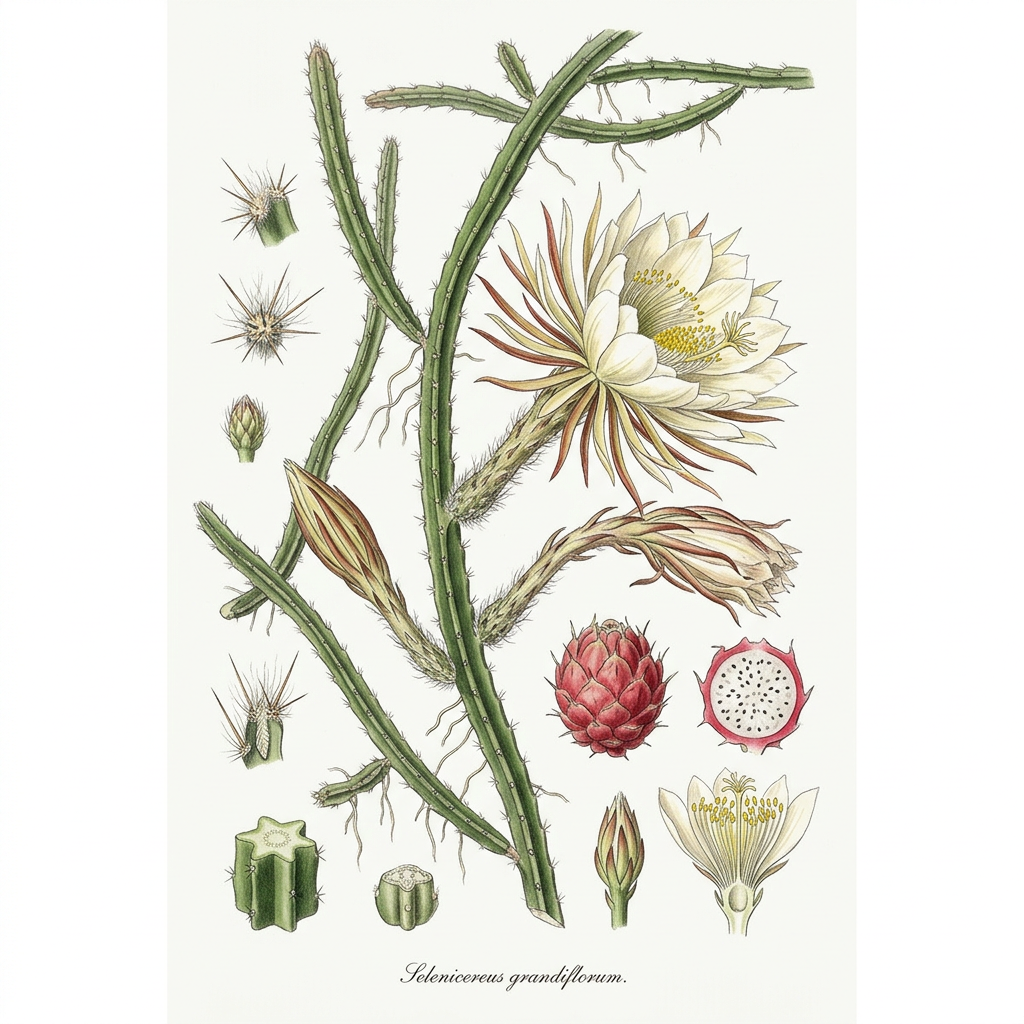
Selenicereus grandiflorus
Stress Relief
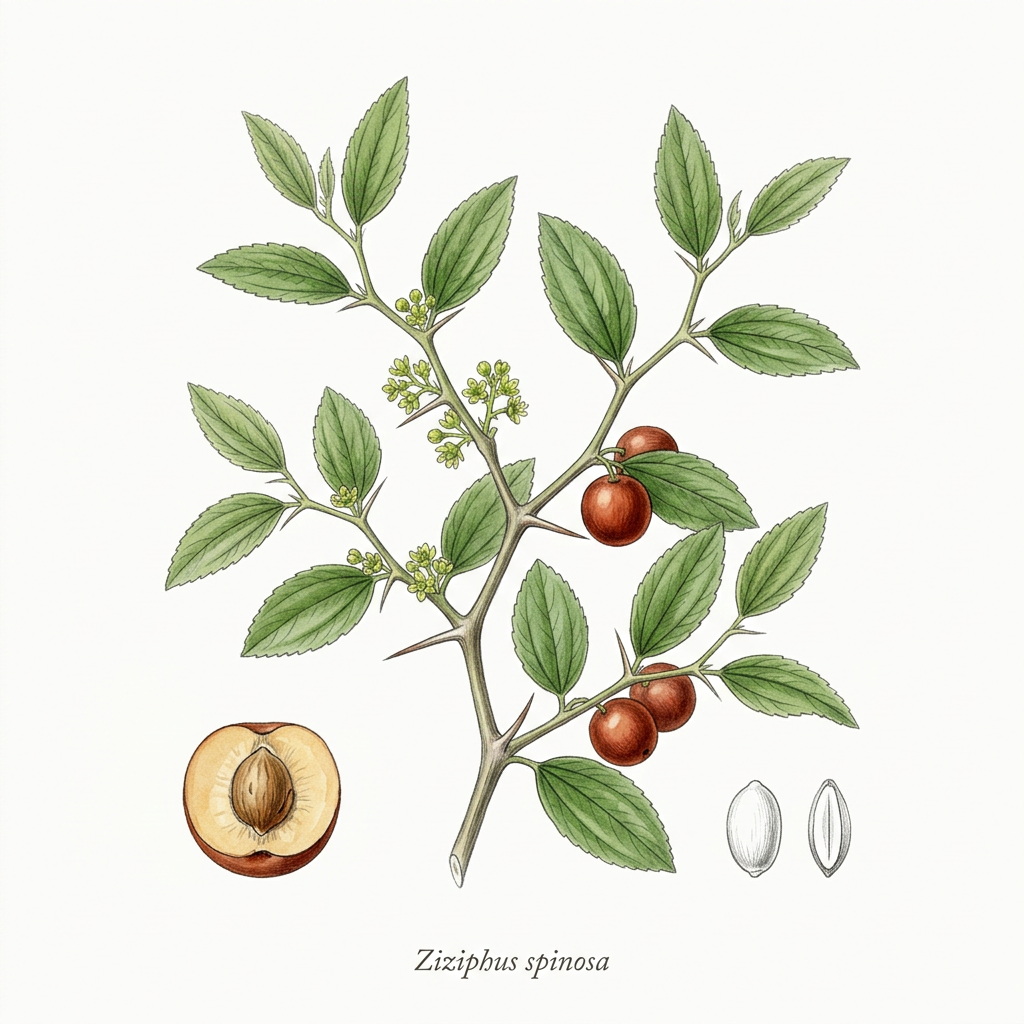
Ziziphus

Ziziphus

Ziziphus spinosa

Sleep Aid
Lemon Verbena

Lemon Verbena

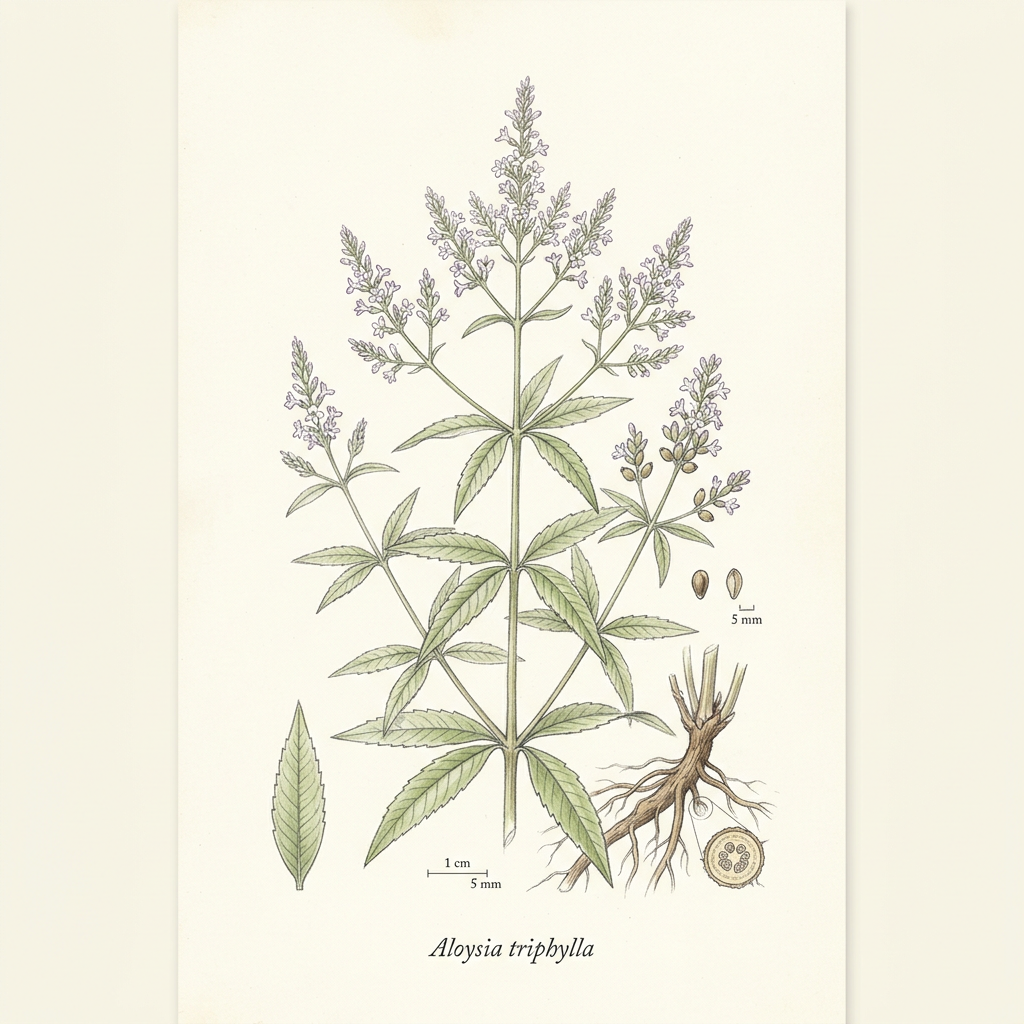
Aloysia triphylla

Culinary Enhancement
Marjoram

Marjoram

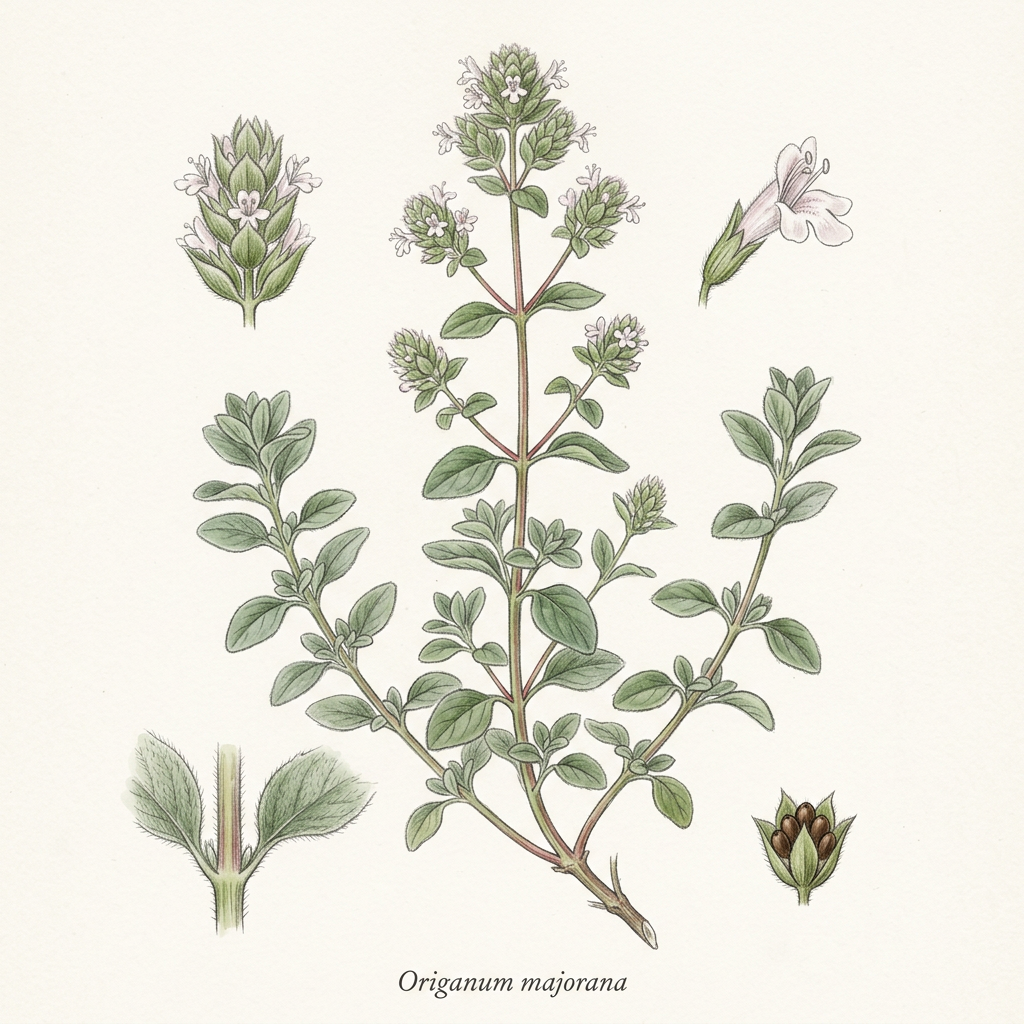
Origanum majorana

Aromatic